


Boeing 737 MAX Wiring Defects Trigger Q1 Delivery Delays | Air Freight Cost Impact for E-Commerce Sellers
- Aircraft production delays reduce global air cargo capacity, signaling 8-15% freight cost increases for cross-border sellers shipping time-sensitive goods through Q2 2026










.webp)








Overview
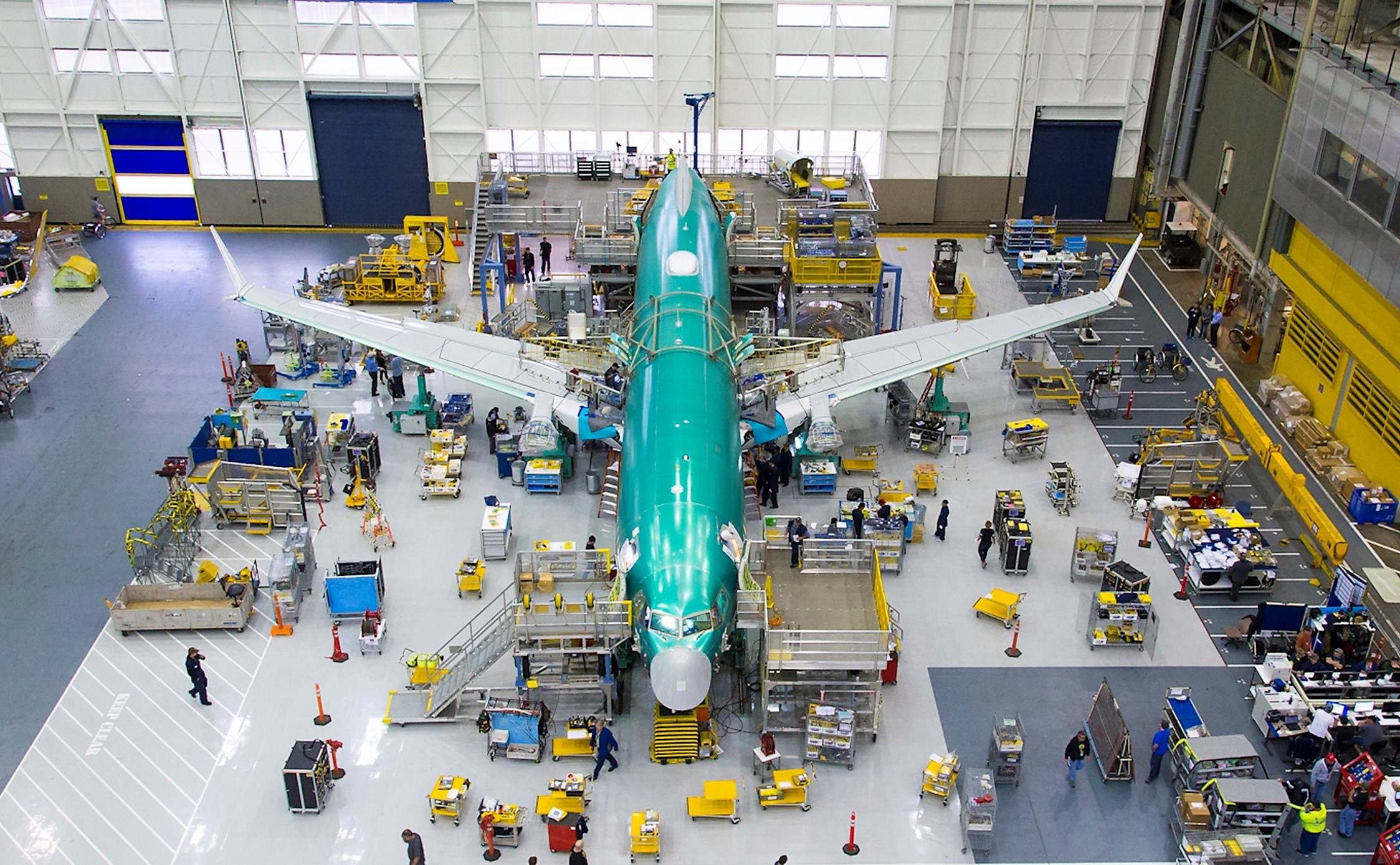
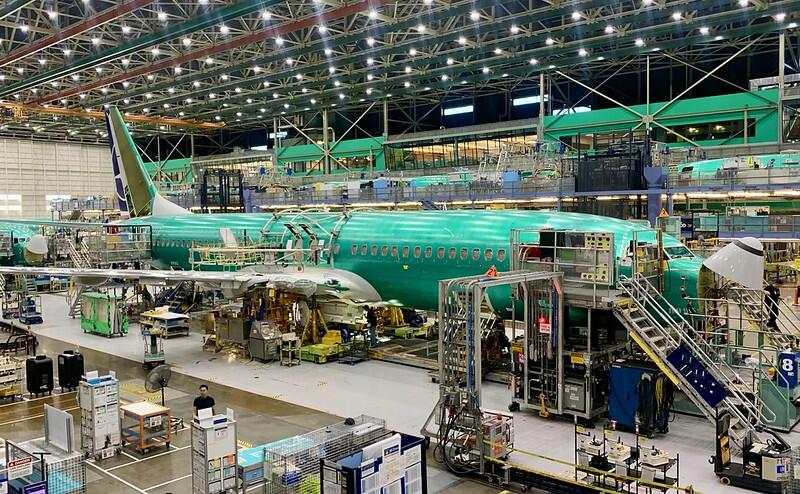
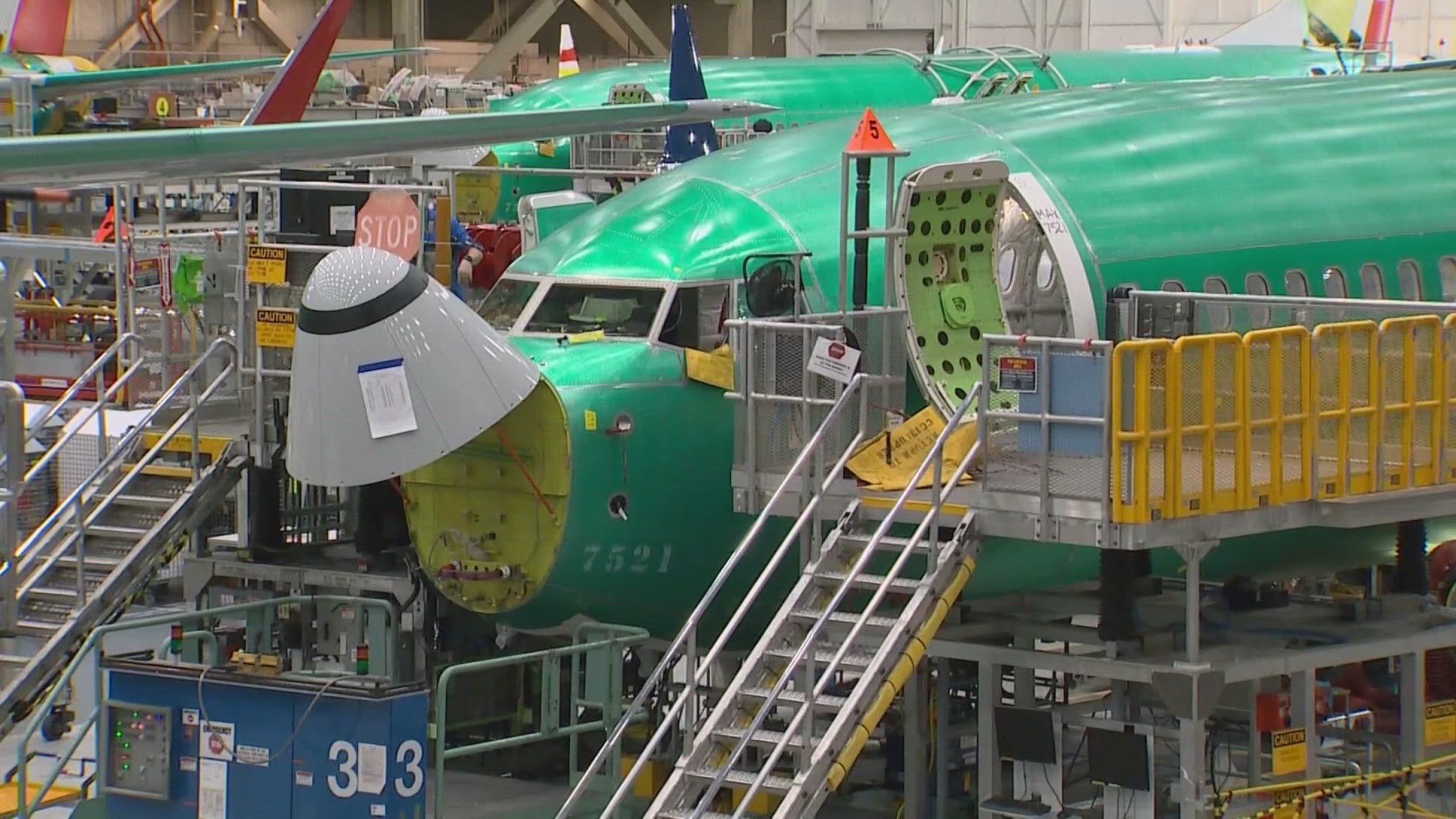
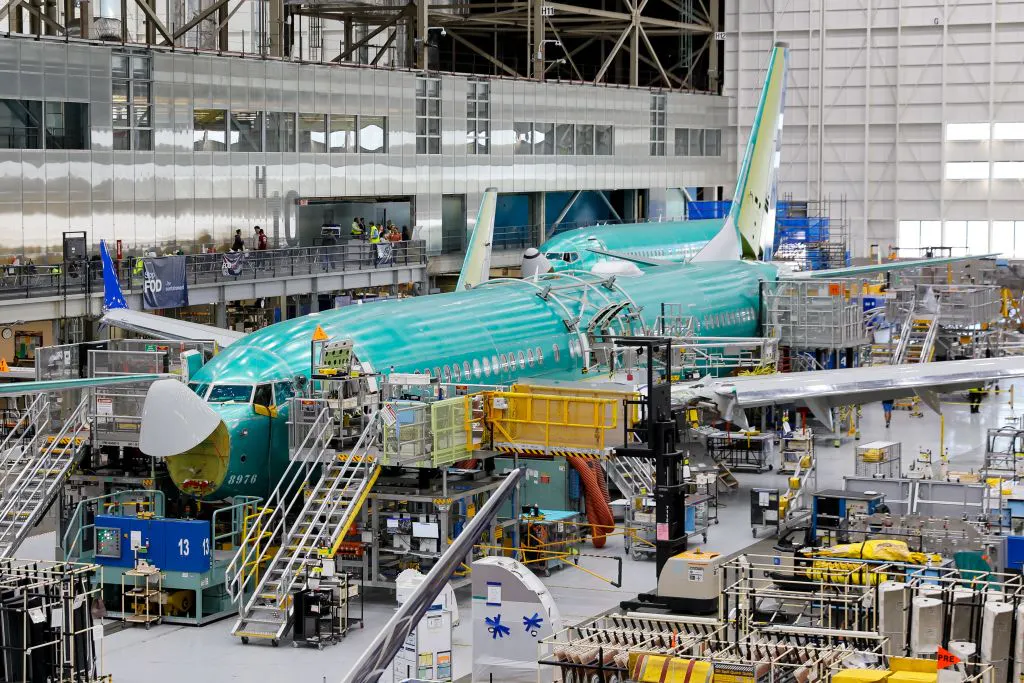
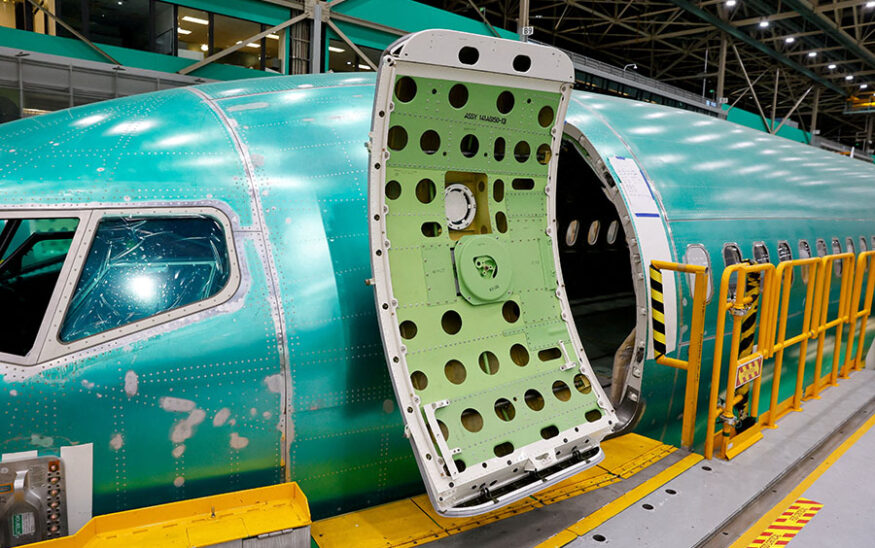
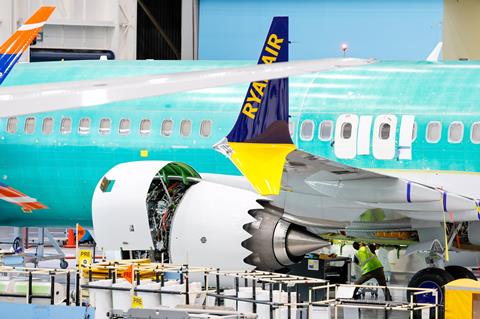
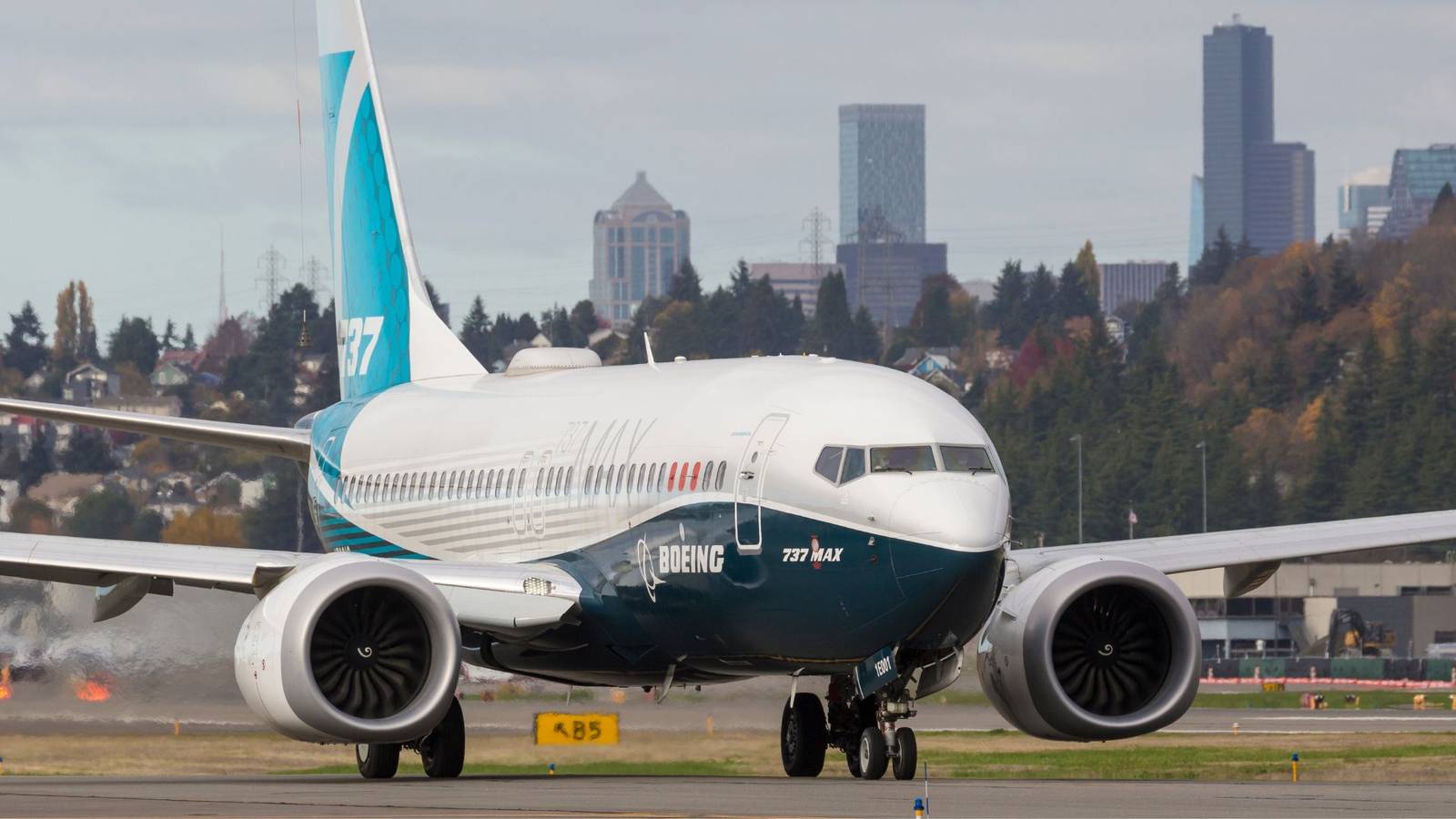
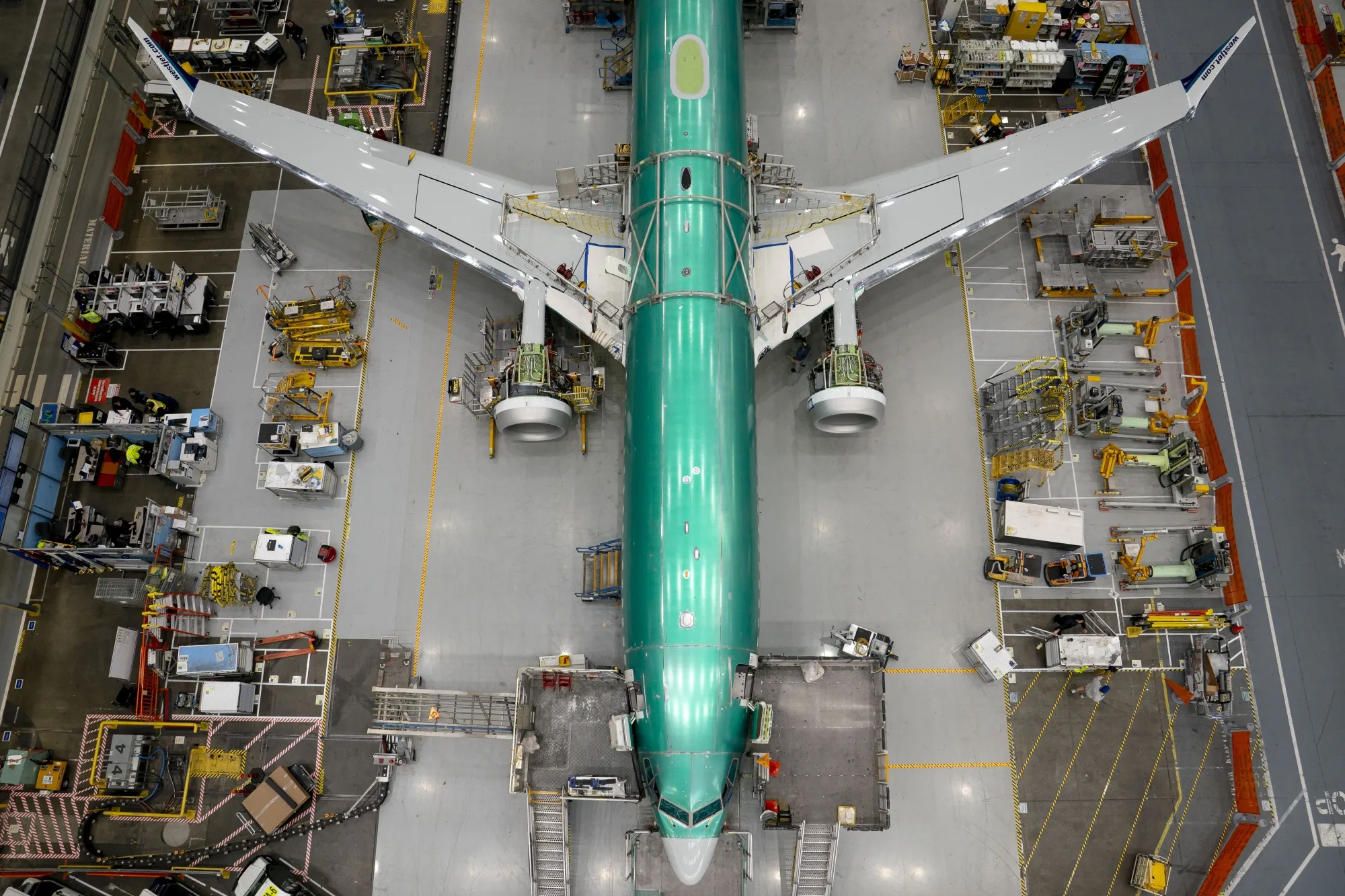
Boeing's March 2026 wiring defect discovery represents a critical supply chain inflection point for cross-border e-commerce sellers relying on air freight logistics. On March 10-11, 2026, Boeing disclosed that scratched wiring caused by machining errors on newly built 737 MAX aircraft will delay Q1 deliveries, directly impacting global air cargo capacity. While Boeing maintains its 500-unit annual delivery target and continues production at 42 jets monthly (with plans to scale to 47-63 monthly), the immediate Q1 delivery slowdown creates a near-term capacity crunch in international air freight markets.
The compliance and quality control angle reveals a critical regulatory enforcement pattern. Boeing's transparent disclosure to the Federal Aviation Administration and customers demonstrates heightened regulatory scrutiny of manufacturing defects post-737 MAX grounding. The company's inability to specify affected aircraft quantities or remediation timelines suggests quality assurance gaps that may trigger stricter FAA oversight of Boeing's production processes. This pattern mirrors broader aerospace industry regulatory tightening, where manufacturing defects now trigger mandatory disclosure and comprehensive rework protocols—establishing new compliance barriers that protect quality-certified suppliers while eliminating non-compliant manufacturers from the supply chain.
For e-commerce sellers, the operational impact is immediate and quantifiable. Global air freight capacity typically operates at 85-90% utilization; Boeing's delivery delays reduce available cargo aircraft by an estimated 2-4% during Q1-Q2 2026. Industry data shows that 5-10% capacity reductions historically trigger 8-15% spot rate increases on major trade lanes (US-Asia, US-Europe, Europe-Asia). Sellers shipping electronics, apparel, and time-sensitive goods via air freight should expect freight cost increases of $200-600 per shipment (depending on weight/destination) through June 2026. The delay also creates scheduling uncertainty for sellers planning Q2 inventory replenishment, as aircraft availability becomes unpredictable.
The manufacturing quality control narrative creates a secondary compliance opportunity. Boeing's machining error—whether supplier-sourced or internal—underscores the critical importance of quality assurance systems in capital-intensive manufacturing. This incident will likely accelerate adoption of ISO 9001 and AS9100 (aerospace quality) certifications across Boeing's supply chain. Sellers manufacturing components for aerospace or aviation-adjacent industries should prioritize these certifications immediately, as they will become de facto market entry requirements. The regulatory enforcement intensity is rising: Boeing's stock declined 1% on disclosure, signaling investor concern about production discipline and quality management—metrics that directly influence supplier selection and contract terms.
Questions 7
What does Boeing's machining error reveal about manufacturing quality standards?
Boeing's wiring defect—caused by machining errors and disclosed to the FAA—demonstrates heightened regulatory scrutiny of manufacturing defects in aerospace. The company's inability to specify affected aircraft quantities or remediation timelines suggests quality assurance gaps. This pattern indicates that FAA oversight of production processes is intensifying, and suppliers to Boeing will face stricter quality certification requirements. Sellers manufacturing aerospace-adjacent components should prioritize ISO 9001 and AS9100 certifications immediately, as these will become de facto market entry requirements.
How will Boeing's 737 MAX wiring delays affect my air freight shipping costs?
Boeing's Q1 2026 delivery delays reduce global air cargo capacity by an estimated 2-4%, historically triggering 8-15% spot rate increases on major trade lanes. Sellers shipping electronics, apparel, or time-sensitive goods via air freight should expect freight cost increases of $200-600 per shipment through June 2026, depending on weight and destination. Monitor Freightos Air Freight Index and book capacity early to lock in current rates before the capacity crunch intensifies in April-May 2026.