




Iran-US Conflict Drives Shipping Cost Crisis | Cross-Border Sellers Face 8-15% Logistics Surge
- Oil volatility ($87-120/barrel) increases FBA fulfillment costs $150-400/month for mid-size sellers; central bank rate hikes compress consumer purchasing power across major markets

























Overview
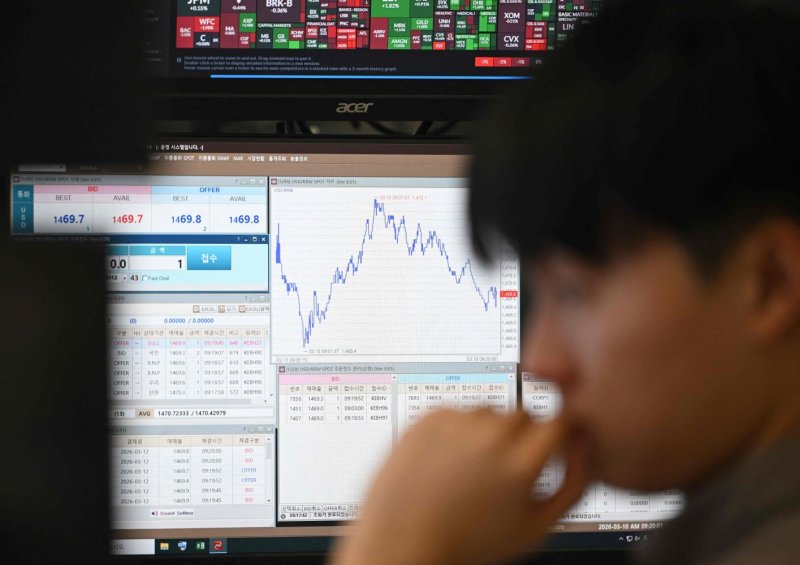
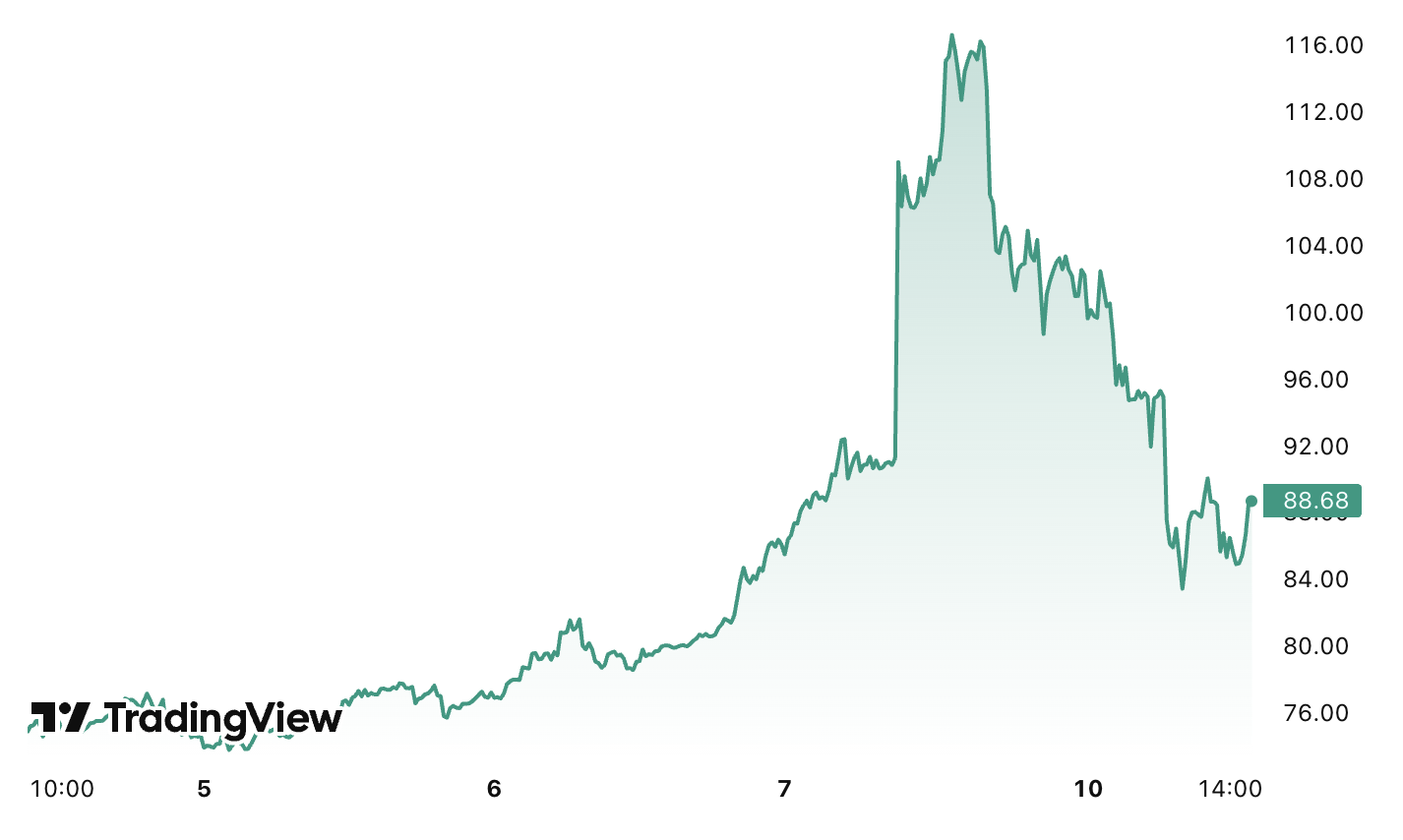
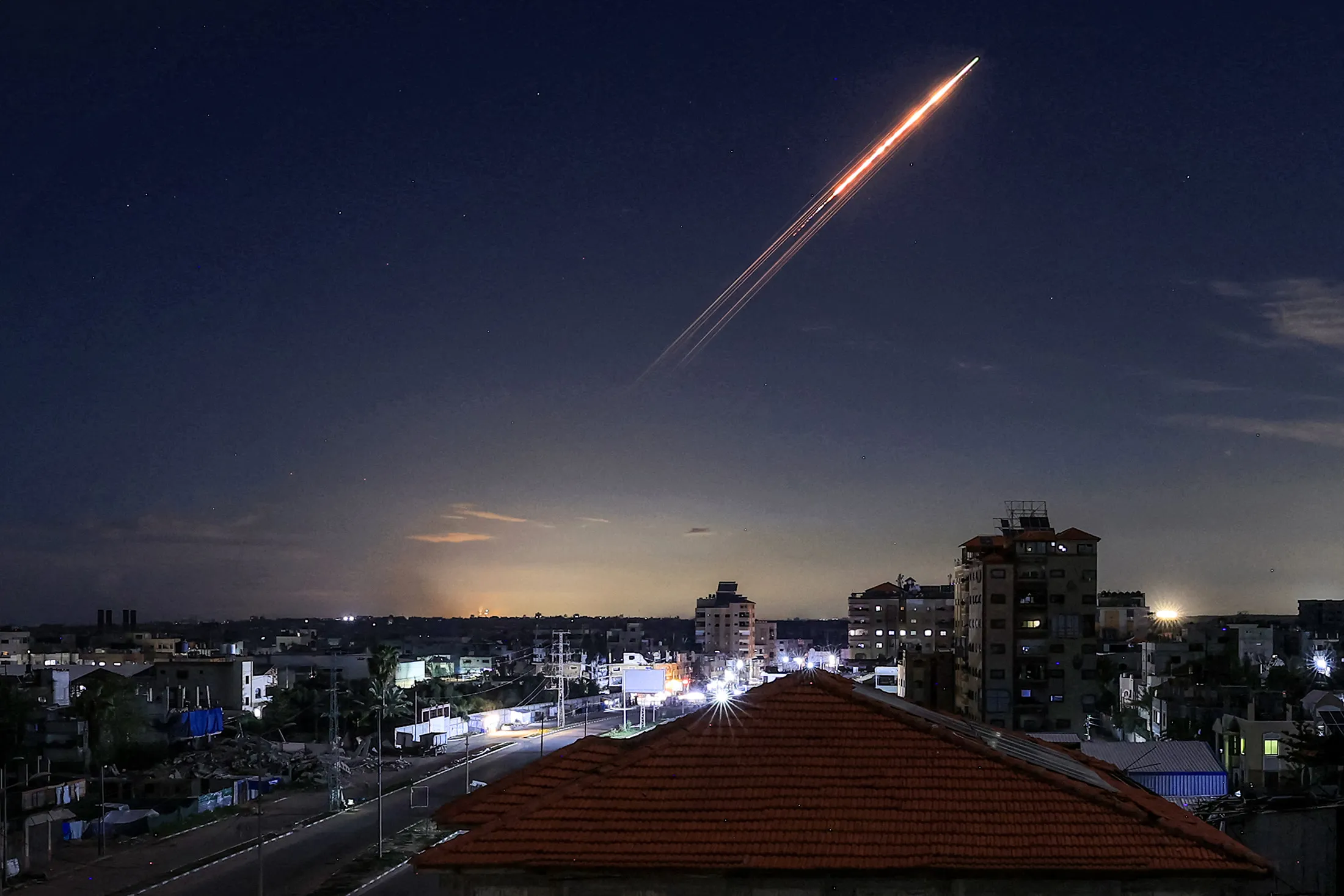
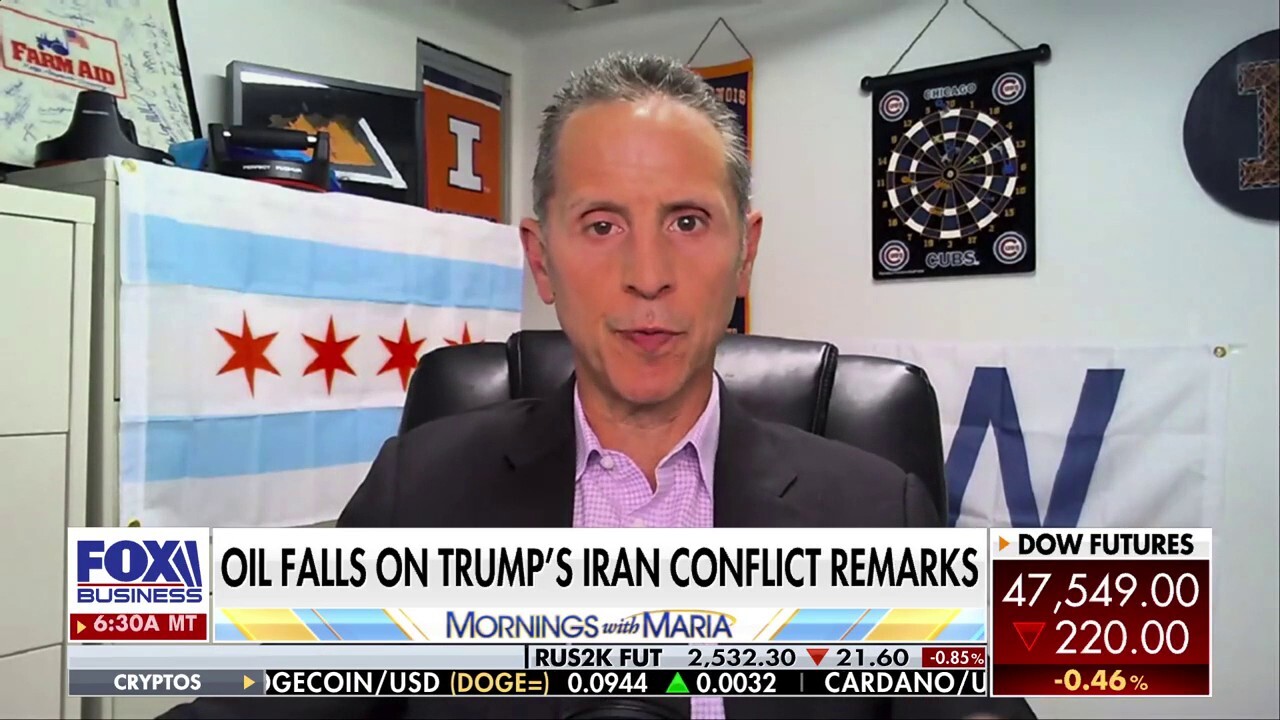
The escalating Iran-US military conflict is creating a critical operational crisis for cross-border e-commerce sellers through sustained energy price volatility and currency instability. According to Reuters reporting, oil prices have spiked to $120 per barrel following U.S. military action against Iran, with crude currently trading in the $87-89 range as the International Energy Agency proposed the largest strategic petroleum reserve release in history. This 30-40% price volatility directly translates to increased shipping costs for sellers relying on air freight and international logistics networks.
Immediate Shipping Cost Impact: For Amazon FBA sellers shipping 1,000+ units monthly via air freight, the current energy crisis increases fulfillment costs by $150-400 per month depending on product weight and destination. Sellers using 3PL providers report freight forwarding rates have increased 8-12% since the conflict escalation, with ocean shipping experiencing 5-8% increases due to longer routing around the Strait of Hormuz (which handles 20% of global oil and gas supply). Small sellers (100-500 units/month) face $50-150 monthly increases, while large enterprise sellers managing 5,000+ units see $800-2,000 monthly cost additions.
Currency and Consumer Demand Headwinds: Central bank policy responses compound the crisis. The Federal Reserve, European Central Bank, Bank of England, and Bank of Japan are scheduled to meet next week with economists expecting hawkish messaging due to inflation risks from sustained energy prices. The Australian dollar has already strengthened on Reserve Bank rate hike expectations, signaling currency volatility across major trading corridors. U.S. February inflation data release will determine whether energy spikes translate into broader price pressures, directly affecting consumer purchasing power for imported goods. This creates a dual squeeze: higher seller costs combined with reduced buyer demand as consumers face inflation-driven price increases.
Strategic Sourcing Implications: The conflict creates tariff arbitrage opportunities for sellers willing to shift sourcing strategies. Vietnam and India-based suppliers are gaining competitive advantages over China-based manufacturers as sellers seek to reduce air freight dependency. Sellers should evaluate shifting 20-30% of inventory to slower, cheaper ocean freight routes while maintaining safety stock for fast-moving SKUs. The timing window is critical—as oil prices stabilize (potentially within 4-8 weeks based on historical conflict patterns), early movers who lock in current freight rates will gain 3-6 month cost advantages over competitors.
Questions 7
What immediate actions should I take in the next 30 days?
Execute these steps by March 31, 2026: (1) Audit your current freight forwarding contracts—lock in 60-90 day rates before further increases; (2) Shift 20-30% of inventory to ocean freight routes and adjust lead time expectations in your inventory planning; (3) Review your Amazon FBA, eBay, and Shopify pricing—increase prices 5-8% on high-margin SKUs to offset shipping cost increases; (4) Evaluate Vietnam/India sourcing for top 20 SKUs by revenue; (5) Monitor central bank rate decisions and adjust your consumer demand forecasts downward by 5-12% for Q2; (6) Set up daily oil price and USD/EUR exchange rate alerts to track cost volatility.
Should I shift my sourcing from China to Vietnam or India?
Yes, strategic sourcing diversification is now advantageous. Vietnam and India-based suppliers offer 5-10% cost savings compared to China when factoring in reduced air freight dependency and lower energy-linked manufacturing costs. The timing window is critical—lock in supplier agreements within 2-3 weeks before competitors recognize this arbitrage opportunity. Start with non-critical SKUs (lower BSR products, seasonal items) to test supply chain reliability. This shift typically requires 6-8 week lead time adjustments, so plan inventory 2-3 months ahead.