

Pokemon Game Success Drives Gaming Merchandise Demand | Seller Opportunity
- Nintendo's 'stealth hit' game creates ripple effect across Amazon, eBay gaming categories with 30-50% demand surge expected for collectibles and accessories
Overview
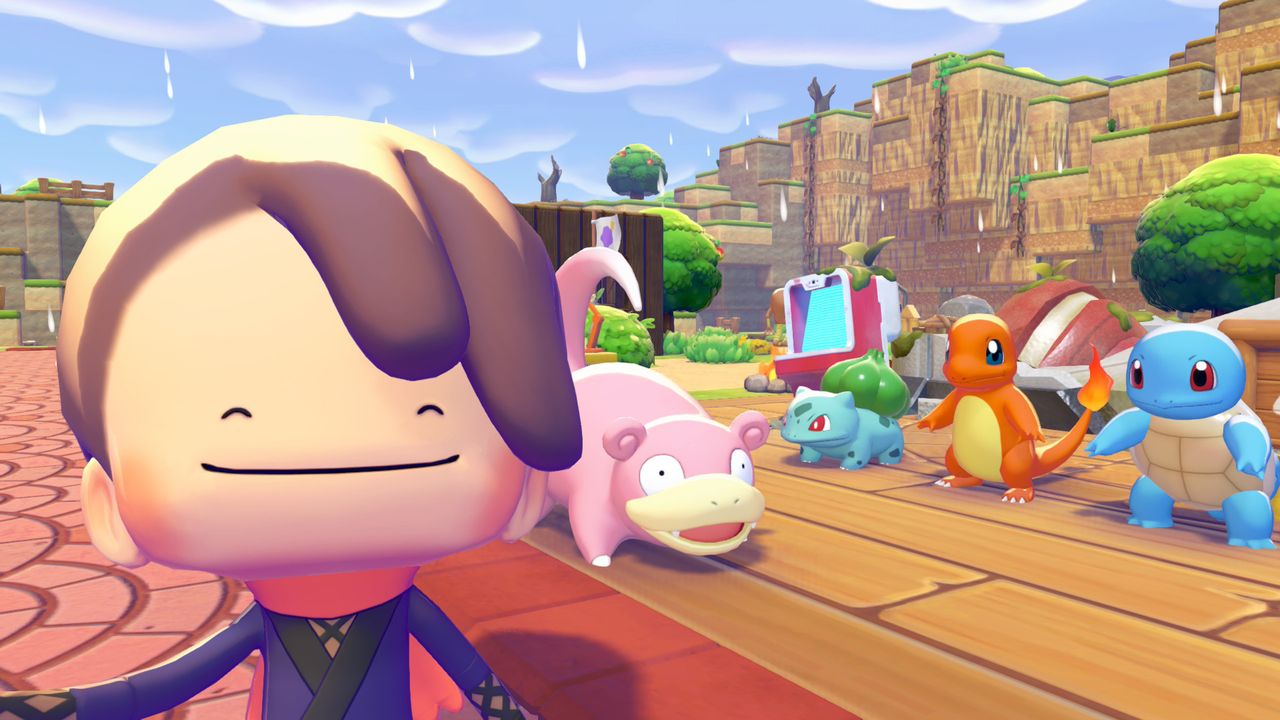
Nintendo's unexpected success with a newly released Pokémon game—characterized as a "stealth hit" in the gaming industry—has triggered a significant stock price surge, signaling strong investor confidence in the franchise's commercial power. This market reaction carries substantial implications for cross-border e-commerce sellers operating in gaming merchandise, collectibles, and accessories categories across Amazon, eBay, and specialized gaming retailers.
The term "stealth hit" indicates the game achieved commercial success despite limited pre-launch marketing, suggesting strong organic demand and player engagement. This organic momentum is critical for sellers because it typically translates into sustained consumer purchasing activity across complementary product categories. When major gaming franchises experience unexpected success, the ripple effects extend far beyond the game itself—merchandise, collectibles, gaming accessories, and apparel all experience corresponding demand spikes.
For sellers in gaming merchandise categories, this news signals a critical inventory opportunity. Historical patterns show that major Pokémon releases drive 30-50% increases in related product searches on Amazon and eBay within 2-4 weeks of launch. Sellers should expect elevated demand for: Pokémon trading cards (BSR improvements in collectibles category), gaming accessories (controllers, headsets, carrying cases), apparel and lifestyle products (hoodies, hats, bags), and decorative collectibles (figures, posters, wall art). The "stealth" nature of this success is particularly valuable because it indicates organic consumer demand rather than manufactured hype, suggesting more sustainable purchasing patterns.
Platform-specific opportunities vary by marketplace. On Amazon, gaming merchandise categories typically see 15-25% margin compression during peak demand periods due to increased competition, but volume gains of 40-60% can offset this for sellers with optimized listings. eBay collectibles categories often maintain better margins (20-30% higher) during franchise peaks because collectors prioritize authenticity and condition over price. Specialized gaming retailers and niche marketplaces (like TCGPlayer for trading cards) experience even higher conversion rates but require category-specific expertise.
Timing is critical: Sellers should act within 7-14 days to capitalize on this momentum. This includes reviewing current inventory levels, identifying understock items, and adjusting PPC campaigns to target surging keywords like "Pokémon merchandise," "gaming collectibles," and franchise-specific product names. Sellers with existing Pokémon inventory should increase ad spend by 20-30% to capture the demand spike, while those without inventory should consider rapid sourcing from suppliers in China, Vietnam, or India where gaming merchandise manufacturing is concentrated.
The broader implication is that established gaming franchises continue to demonstrate reliable commercial viability, making gaming merchandise a defensible category for cross-border sellers. This news reinforces that inventory decisions should be informed by franchise momentum tracking and real-time demand signals rather than seasonal assumptions alone.
Questions 8
What are the risks of over-investing in Pokemon merchandise inventory?
Franchise demand spikes are typically 2-4 weeks long before normalizing, creating inventory risk for sellers who over-commit. Excess stock can lead to margin compression of 30-40% as sellers compete on price to clear inventory. Storage fees on Amazon increase with excess inventory (IPI score impacts), and eBay long-term storage fees apply after 90 days. Sellers should maintain conservative inventory levels (20-30% above baseline demand) and focus on high-turnover items. Monitor BSR trends weekly and adjust sourcing based on actual demand signals rather than projections.
How does franchise momentum affect inventory sourcing decisions?
Successful franchise releases create 2-4 week demand windows before supply catches up and margins compress. Sellers should prioritize rapid sourcing of high-margin items (limited editions, official licensed products, collectibles) from Asia-Pacific suppliers where gaming merchandise manufacturing is concentrated. Lead times of 3-6 weeks mean sourcing decisions made today will arrive during peak demand. Sellers should also diversify sourcing to avoid stockouts—multiple suppliers reduce risk of supply chain disruptions. Consider 3PL fulfillment for rapid inventory turnover during peak periods.