




Strategic Talent Reshuffling Intensifies as MLB Winter Meetings Spark High-Stakes Player Negotiations
- Unpredictable Free Agent Market Reveals Complex Team-Building Strategies in Professional Baseball









Overview
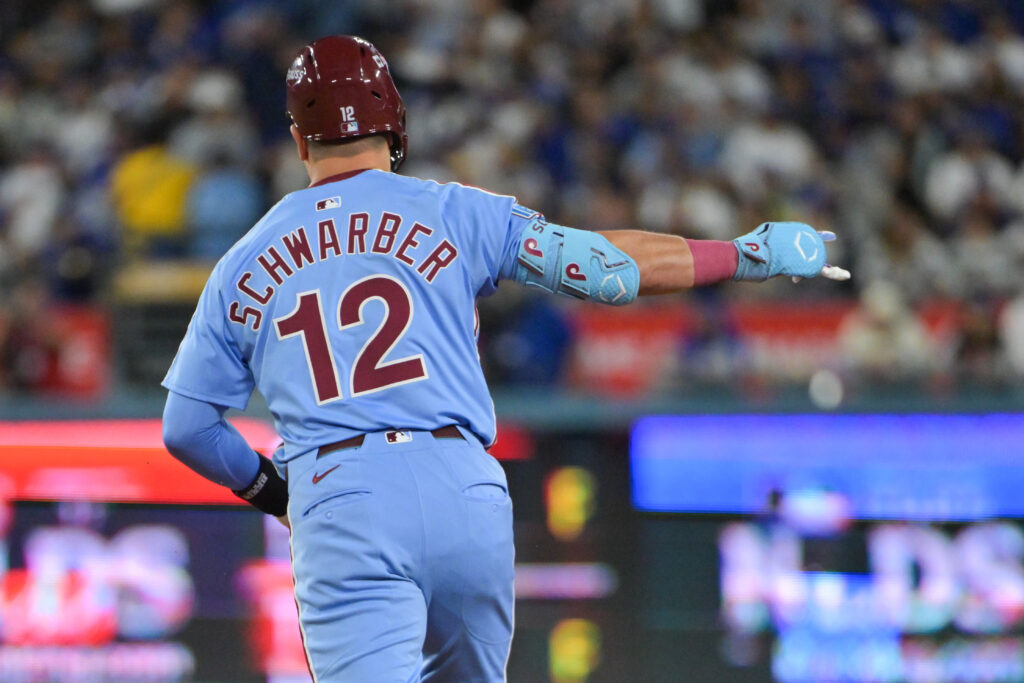
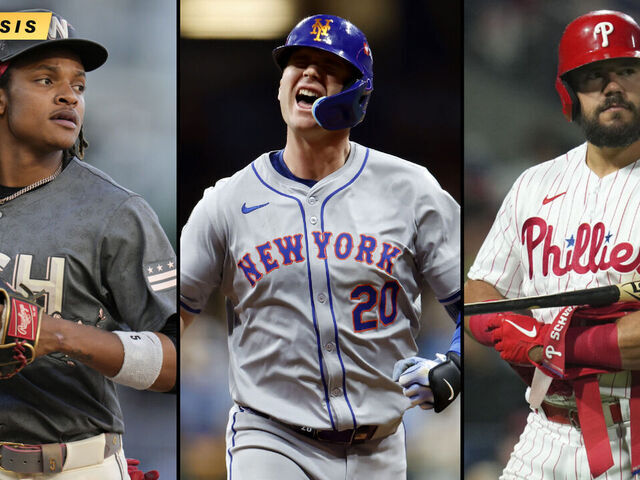
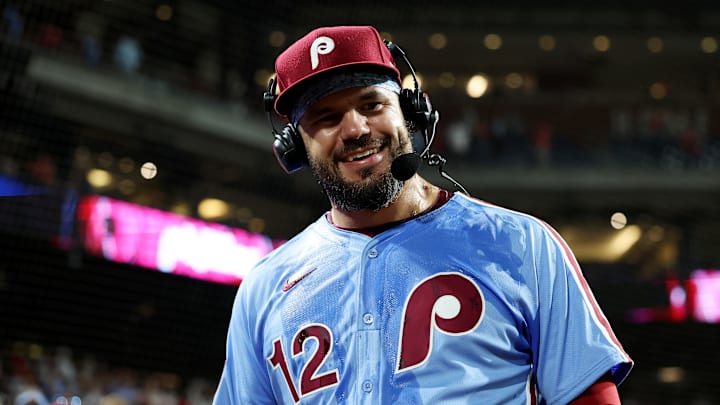
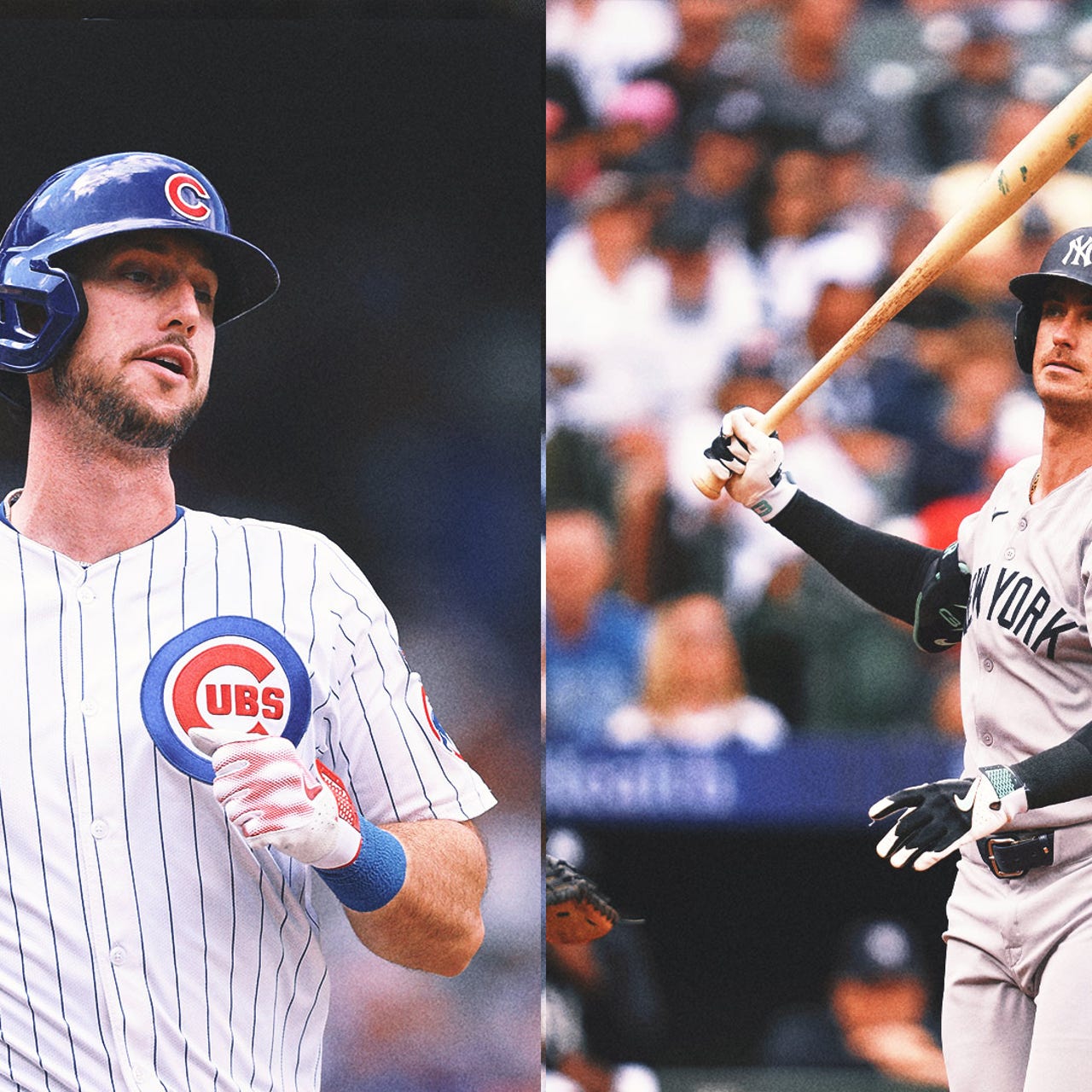
The MLB Winter Meetings have emerged as a critical battleground for strategic team reconstruction, with player negotiations revealing the intricate dynamics of professional baseball's talent marketplace. At the epicenter of this year's meetings, Kyle Schwarber and Pete Alonso represent more than individual free agents—they symbolize the complex chess match of team building and competitive positioning.
Multiple team interest signals a highly competitive recruitment landscape, with Schwarber attracting attention from seven different franchises, including the Phillies, Mets, Giants, Orioles, Red Sox, Pirates, and Reds. The Pirates' proactive four-year offer underscores the strategic urgency teams are displaying in securing top talent. This multi-team engagement isn't just about individual player acquisition but represents a broader recalibration of team competitive strategies.
The MLB Draft Lottery introduces an additional layer of strategic uncertainty, with the White Sox holding the highest odds (27.73%) of securing the first overall selection. However, the unpredictability of previous drafts suggests that statistical probability doesn't guarantee outcomes. This lottery mechanism reflects a growing trend of introducing meritocratic and randomized elements into team-building processes, challenging traditional recruitment models.
The Winter Meetings have transformed from mere negotiation platforms to complex ecosystem events where player movements, draft strategies, and organizational vision converge. Teams are no longer just acquiring players; they're constructing intricate competitive narratives through calculated recruitment and draft strategies. The current landscape demands not just talent identification but holistic understanding of player potential, team chemistry, and long-term strategic alignment.
The ongoing negotiations reveal that modern baseball management is increasingly data-driven and strategically nuanced. Teams are balancing immediate performance needs with long-term roster development, creating a dynamic marketplace where player value is continuously reassessed and redefined.
Questions 3
What makes the MLB Winter Meetings significant for team strategies?
The Winter Meetings represent a critical junction where teams strategically negotiate player acquisitions, assess draft opportunities, and realign their competitive positioning. It's a concentrated period of intense talent evaluation and recruitment that can dramatically reshape team dynamics for upcoming seasons.
How does the MLB Draft Lottery impact team building?
The Draft Lottery introduces an element of randomness that challenges traditional team-building approaches. While the White Sox have the highest odds (27.73%) of securing the first pick, previous drafts have shown that statistical probability doesn't guarantee success, forcing teams to develop more adaptive and resilient recruitment strategies.