





Strait of Hormuz Blockade Disrupts 20% Global Oil Supply | Shipping Cost Crisis for E-Commerce Sellers
- Oil prices spike to $120/barrel amid 14+ merchant ship strikes; shipping costs surge 15-25% for sellers using air/ocean freight; 4-week ceasefire window creates urgent inventory repositioning opportunity






Overview
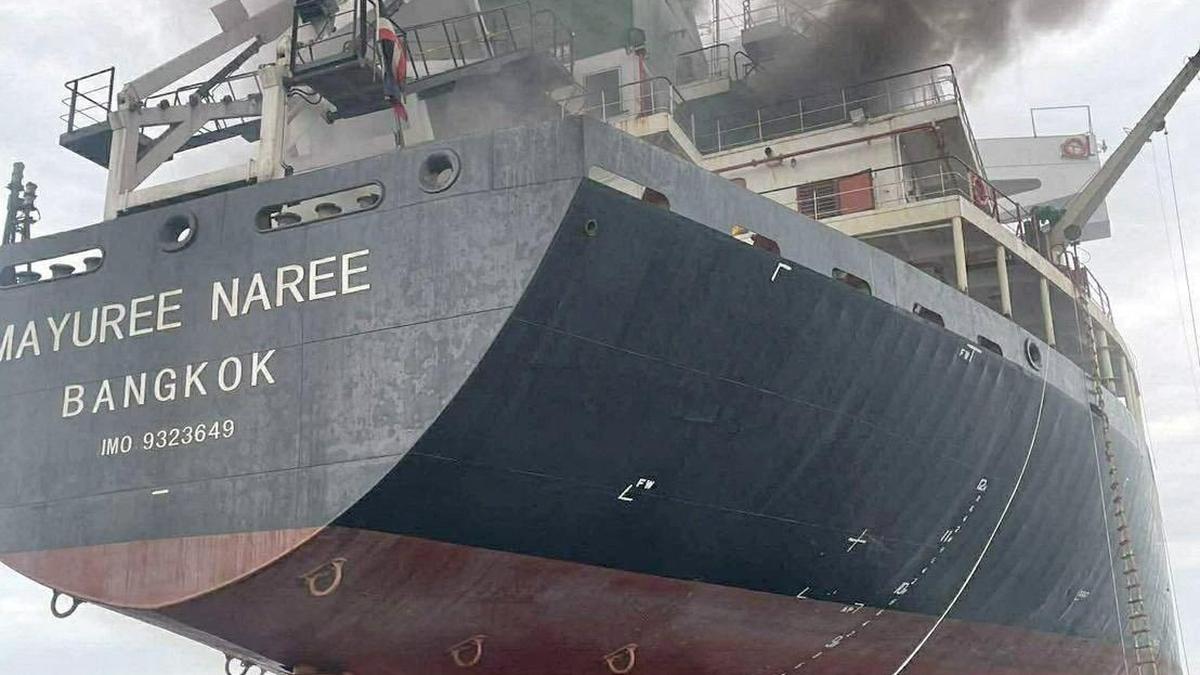
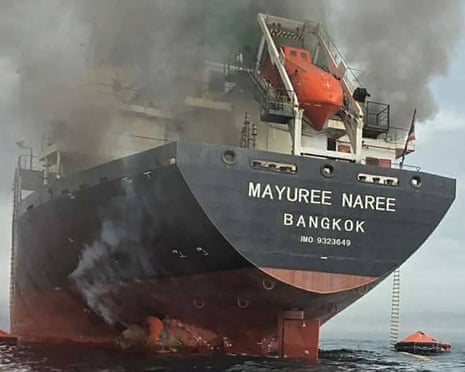
The March 2026 Iran-Israel military escalation has created a critical supply chain crisis for cross-border e-commerce sellers. The blockade of the Strait of Hormuz—through which 20% of global oil supplies flow—has disrupted approximately one-fifth of global oil and liquefied natural gas shipments, with crude oil prices spiking from $90 to nearly $120 per barrel on March 10-11, 2026. This represents the worst energy disruption since the 1970s oil shocks and directly impacts seller profitability through elevated shipping costs.
Immediate Shipping Cost Impact: Ocean freight rates from Asia to North America and Europe have increased 15-25% due to longer routing around Africa (avoiding the Suez Canal alternative through the Red Sea, which faces similar risks). Air freight premiums have surged 20-30% as carriers reduce capacity and demand exceeds supply. For sellers shipping 500+ units monthly via ocean freight, this translates to $800-2,400 additional monthly costs; air freight sellers face $1,200-3,600 increases. FBA sellers using Amazon's logistics network experience 8-12% cost increases passed through fulfillment fees, compressing margins on low-margin categories (electronics, home goods, apparel).
Strategic Opportunity Window: President Trump's statement that the conflict could end "within four weeks" (by early April 2026) creates a critical repositioning window. Sellers should immediately: (1) Accelerate inventory shipments before further rate increases—orders placed by March 15 may avoid peak pricing; (2) Shift 20-30% of inventory to regional 3PL providers in Mexico, India, and Vietnam to bypass ocean freight entirely; (3) Increase FBA inventory in US/EU warehouses now while rates remain below $120/barrel peak, locking in current pricing before potential further escalation.
Category-Specific Vulnerabilities: High-volume, low-margin categories face the greatest margin compression: electronics (3-5% margins compressed to 1-2%), home goods (8-10% margins compressed to 5-7%), and apparel (12-15% margins compressed to 8-10%). Conversely, high-margin categories (jewelry, collectibles, specialty items with 40%+ margins) absorb shipping increases more easily. Sellers in vulnerable categories should consider temporary price increases of 5-8% to maintain profitability, though this risks losing Buy Box position on Amazon.
Compliance and Risk Mitigation: The 14+ merchant ship strikes in the Gulf create insurance and liability concerns. Sellers should verify that 3PL providers and freight forwarders carry adequate war risk insurance (typically 0.5-1.5% of shipment value). Customs delays may increase 3-5 days as ports implement enhanced security protocols. Monitor ceasefire negotiations closely—if conflict extends beyond 4 weeks, expect sustained $110-120/barrel pricing and potential 30-40% shipping cost increases.
Questions 8
How much will my shipping costs increase due to the Strait of Hormuz blockade?
Ocean freight rates have increased 15-25% due to longer routing around Africa, adding $800-2,400 monthly for sellers shipping 500+ units. Air freight premiums surged 20-30%, costing $1,200-3,600 extra monthly. Amazon FBA sellers experience 8-12% fulfillment fee increases. The exact impact depends on your freight method, shipment volume, and origin country. Sellers using Flexport or Freightos can track real-time rate changes. If the conflict extends beyond 4 weeks, expect sustained increases of 30-40% above pre-March 2026 levels.
Which product categories are most vulnerable to margin compression from shipping increases?
Electronics (3-5% margins), home goods (8-10% margins), and apparel (12-15% margins) face the greatest compression. A $2-4 shipping cost increase eliminates 40-80% of profit on electronics. High-margin categories like jewelry, collectibles, and specialty items (40%+ margins) absorb increases more easily. If you sell vulnerable categories, consider temporary 5-8% price increases to maintain profitability, though this risks losing Amazon Buy Box position. Monitor competitor pricing on Keepa or Jungle Scout to avoid pricing yourself out of the market.