



Strait of Hormuz Blockade Triggers 90% Shipping Collapse | Seller Logistics Crisis
- Oil prices spike to $119.50/barrel, air freight costs surge 25-40%, perishables sellers face critical supply chain disruptions across Asia-Pacific and Middle East markets





Overview
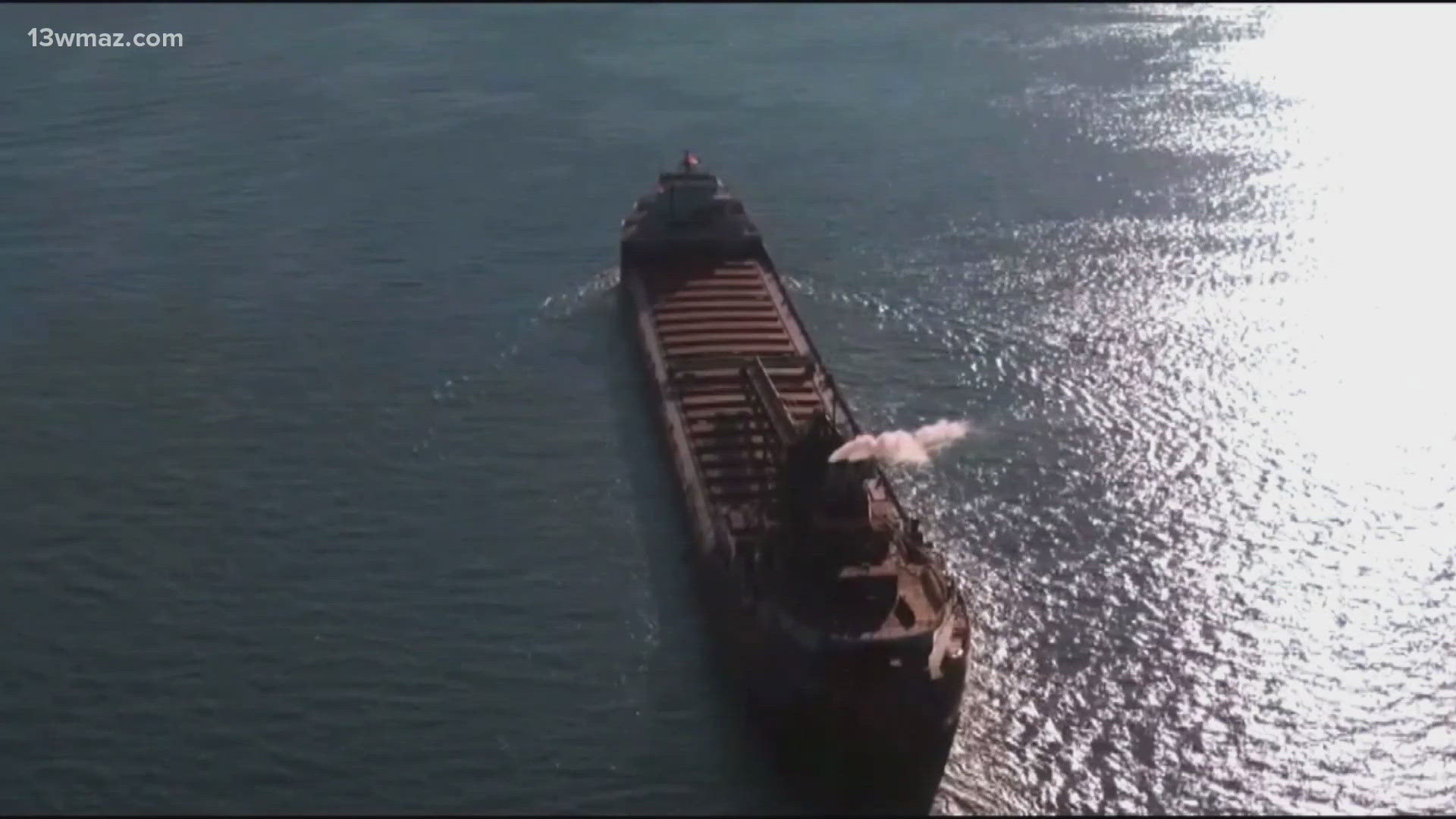
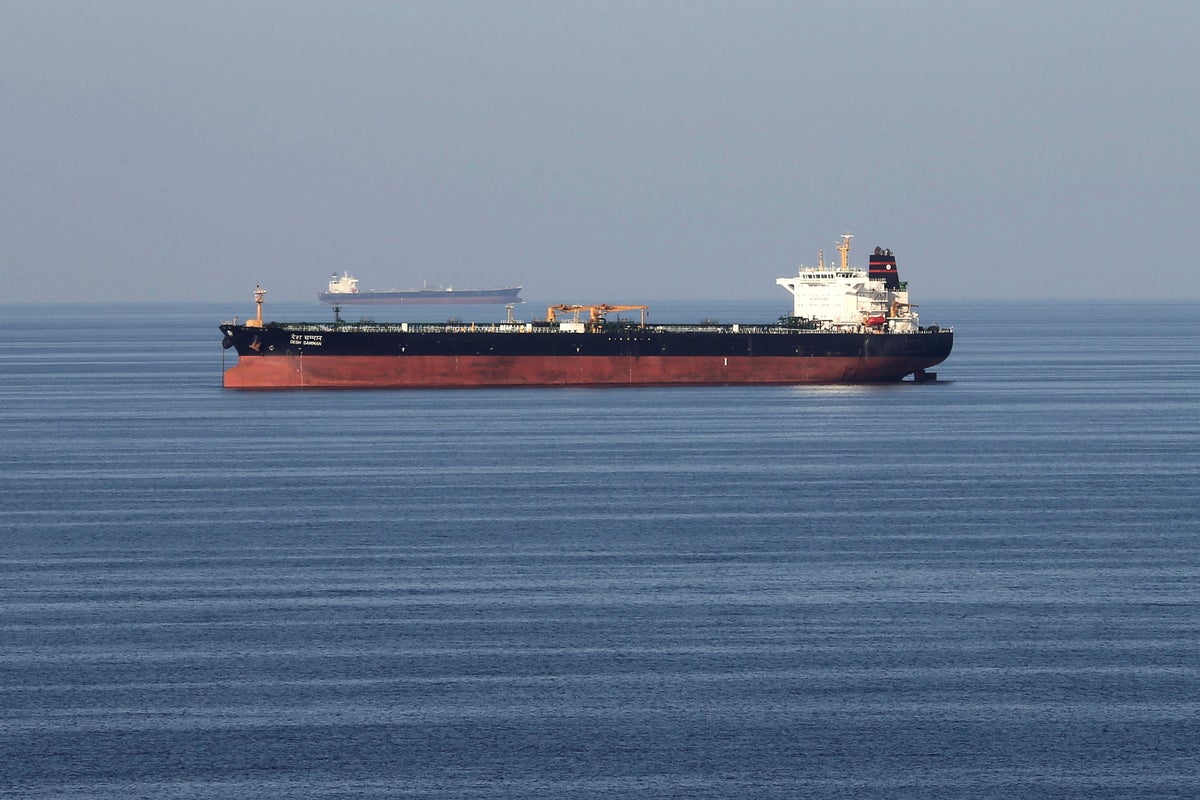
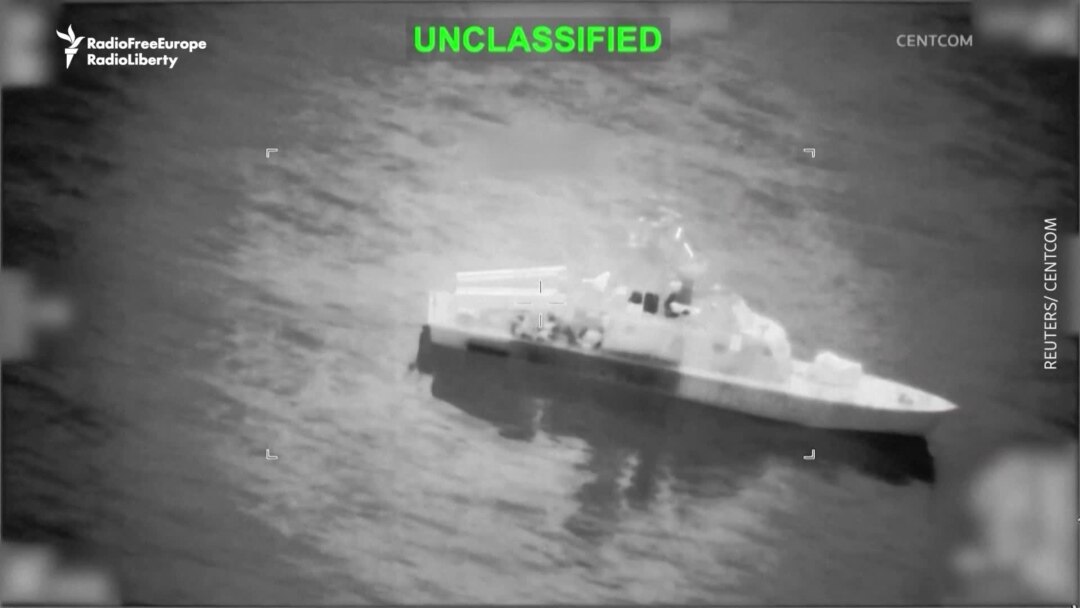
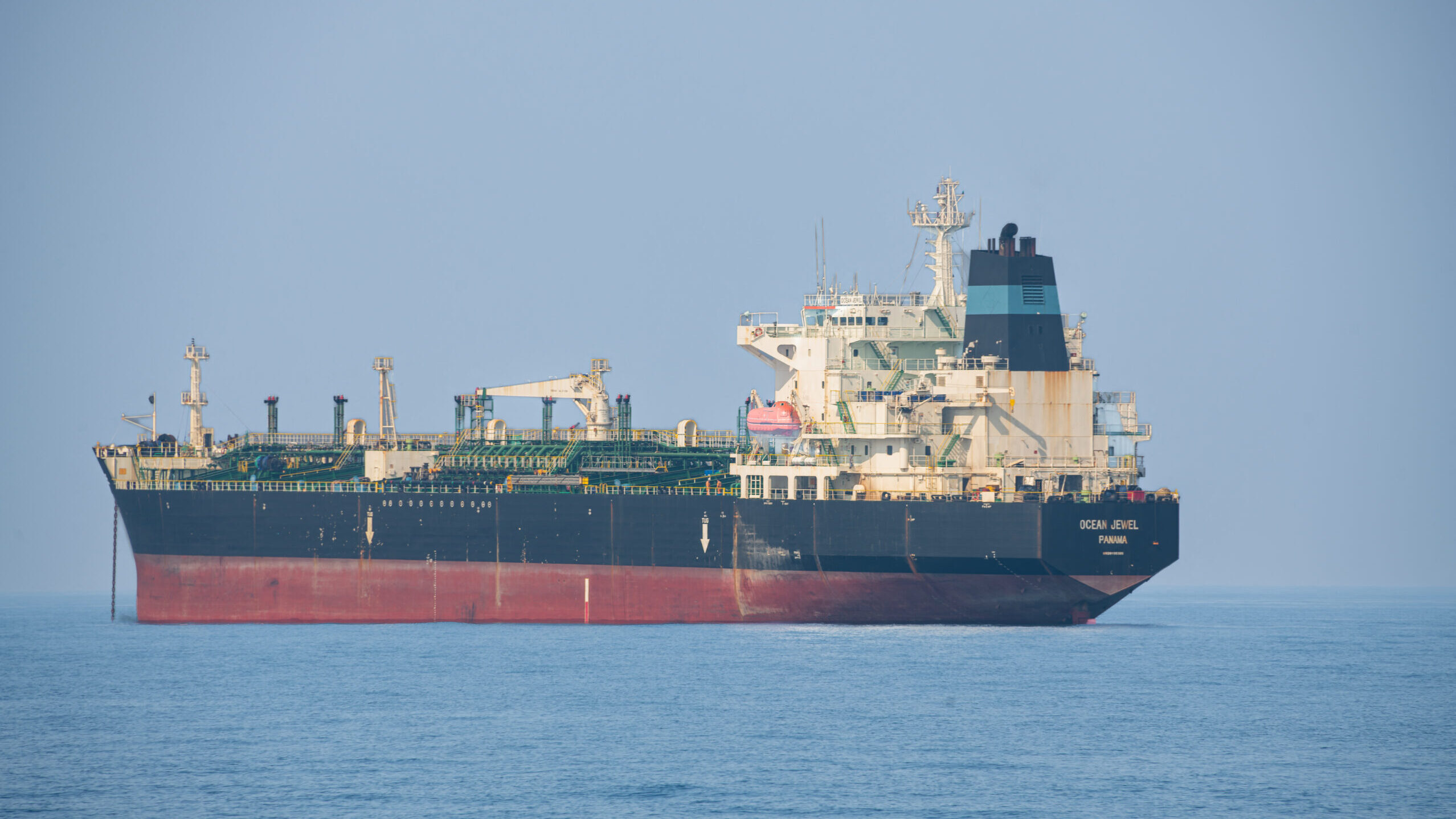
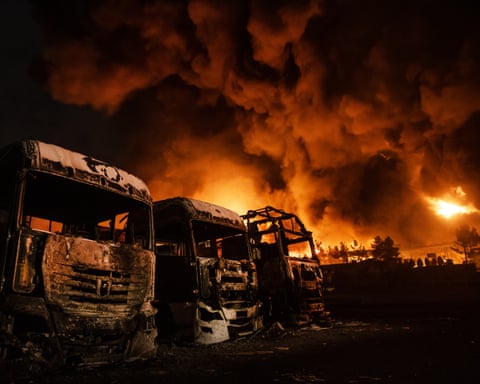
The Strait of Hormuz disruption in March 2026 represents the most severe energy supply crisis since Russia's 2022 Ukraine invasion, with direct and cascading impacts on cross-border e-commerce sellers globally. Following US-Israeli military strikes on Iranian infrastructure, Iran's Islamic Revolutionary Guards Corps threatened to blockade the strait—through which approximately 20 million barrels of oil and majority of LNG shipments transit daily. By March 11, 2026, commercial shipping traffic through the 21-mile-wide chokepoint declined 90%, with hundreds of vessels anchored off Saudi Arabia and Iraq. Brent crude climbed to $119.50 per barrel, the first time exceeding the $100 threshold since the Ukraine invasion, with Iranian officials warning prices could reach $200 per barrel if disruption continues.
For cross-border e-commerce sellers, this crisis creates immediate and severe operational challenges across multiple dimensions. Air freight costs are surging 25-40% due to fuel price volatility, directly impacting sellers of time-sensitive categories: electronics (HS 8471-8517), perishables (HS 0201-0210), pharmaceuticals (HS 3004-3005), and fashion (HS 6204-6209). Sellers shipping from China (importing 5.4 million barrels daily through Hormuz) face acute energy shortages affecting manufacturing capacity and port operations, while India, Pakistan, and Bangladesh face electricity rationing that disrupts fulfillment operations and last-mile delivery. The White House temporarily waived sanctions allowing India to purchase Russian oil, but Bangladesh and Pakistan implemented rolling blackouts affecting e-commerce logistics hubs. Insurance and brokerage costs have skyrocketed as most shipowners refuse passage, with financial infrastructure for global shipping severely disrupted.
Strategic sourcing opportunities emerge for sellers willing to pivot quickly. The crisis creates a 60-90 day window before market normalization (oil prices fell to $90 by March 12 following Trump's de-escalation statements). Sellers should immediately: (1) Shift 30-50% of inventory from air freight to ocean freight via alternative routes (Suez Canal, around Africa) despite 2-3 week delays—cost savings of $800-2,000 per 40ft container offset timing penalties; (2) Diversify sourcing from Vietnam, India, and Indonesia to reduce China dependency and Hormuz exposure; (3) Increase inventory buffers for perishables and electronics by 20-30% to account for supply chain volatility; (4) Lock in long-term shipping contracts before rates normalize, securing 15-20% discounts versus spot market pricing. Large sellers (>$5M annual revenue) should establish alternative fulfillment networks in UAE, Singapore, and India to bypass Hormuz-dependent logistics. Small sellers (<$1M revenue) should consolidate shipments and utilize 3PL providers offering non-Hormuz routing to reduce per-unit costs by 12-18%.
Questions 8
How long will the Strait of Hormuz disruption impact shipping costs and availability?
The disruption window is estimated at 60-90 days based on geopolitical de-escalation signals. Oil prices fell from $119.50 to $90 per barrel by March 12, 2026, following Trump's statements suggesting imminent resolution of US-Iran hostilities. However, insurance and brokerage costs remain elevated due to ongoing security risks. Sellers should plan for 60-90 days of elevated air freight costs (25-40% premium) and ocean freight delays (2-3 weeks via alternative routes). By June 2026, normal Hormuz traffic is expected to resume, but sellers should maintain diversified sourcing and fulfillment networks as insurance against future geopolitical disruptions.
What sourcing country shifts create competitive advantages during Hormuz disruption?
Vietnam, India, and Indonesia emerge as advantageous sourcing alternatives to reduce Hormuz exposure. Vietnam offers 8-12% cost savings versus China while avoiding energy shortage risks. India provides nearshoring benefits for South Asian markets despite current electricity rationing (temporary, expected to normalize within 60-90 days). Indonesia offers direct ocean freight to Australia and Southeast Asia, bypassing Hormuz entirely. Sellers shifting 20-30% of sourcing to these countries can reduce logistics costs by 12-18% and improve delivery speed by 1-2 weeks compared to China-Hormuz-destination routes.