



Mohamed Salah's Liverpool Meltdown Exposes the Fragile Ecosystem of Modern Sports Branding
- Revealing the High-Stakes Communication Dynamics in Professional Athletics









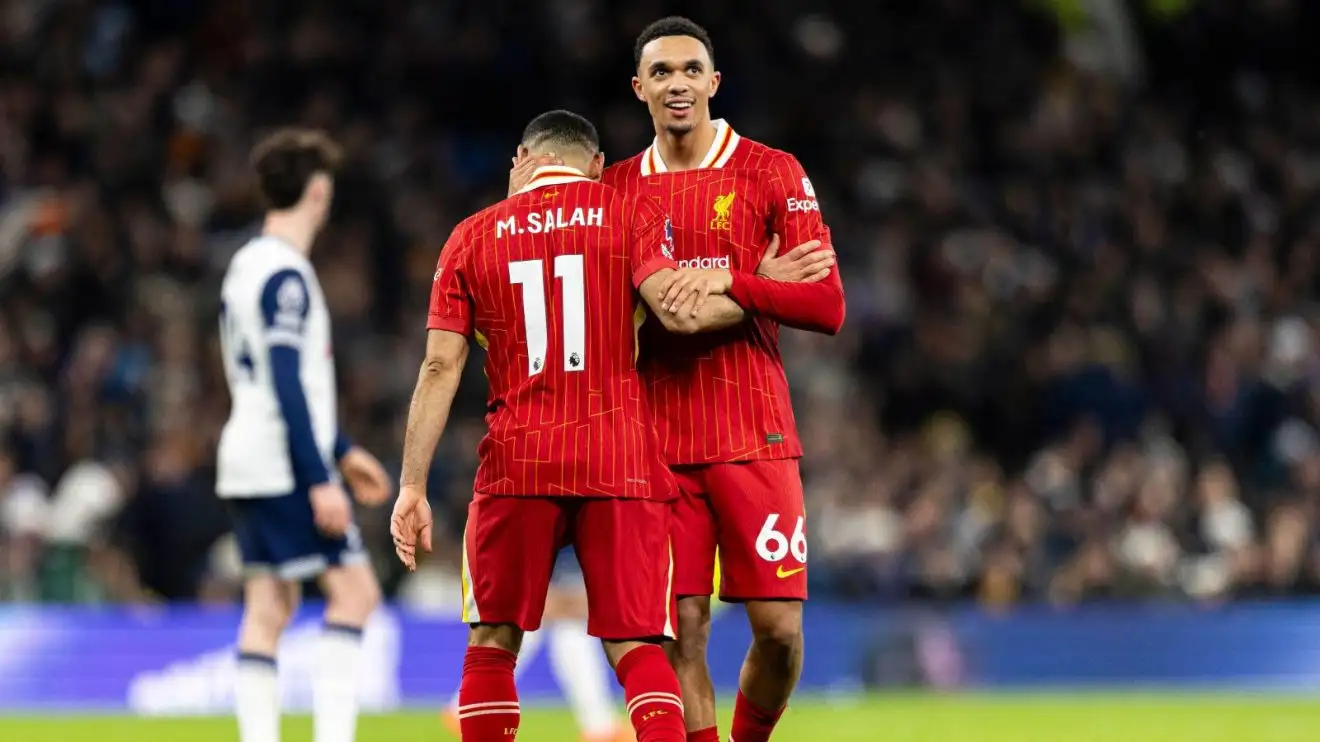
Overview
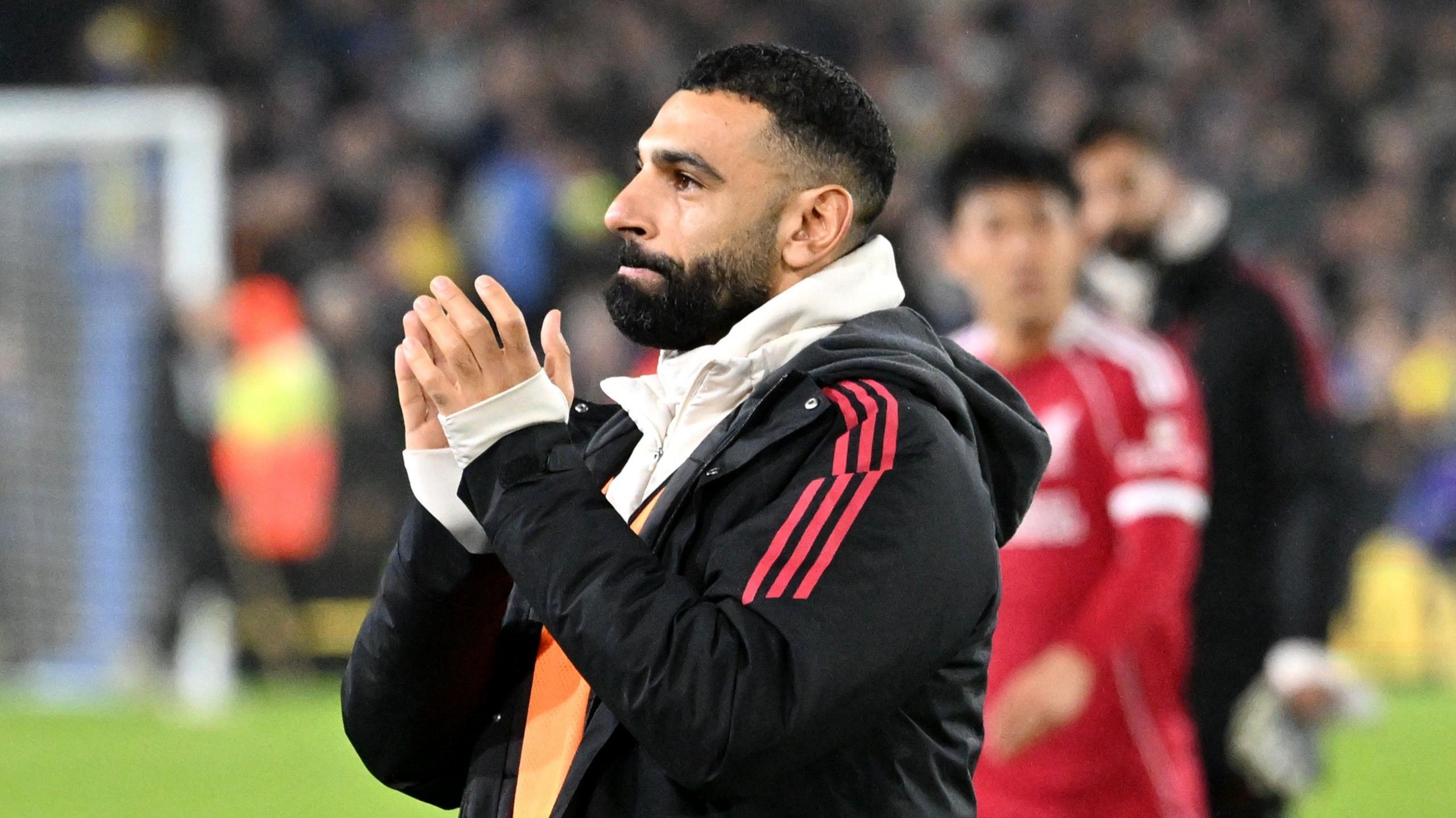
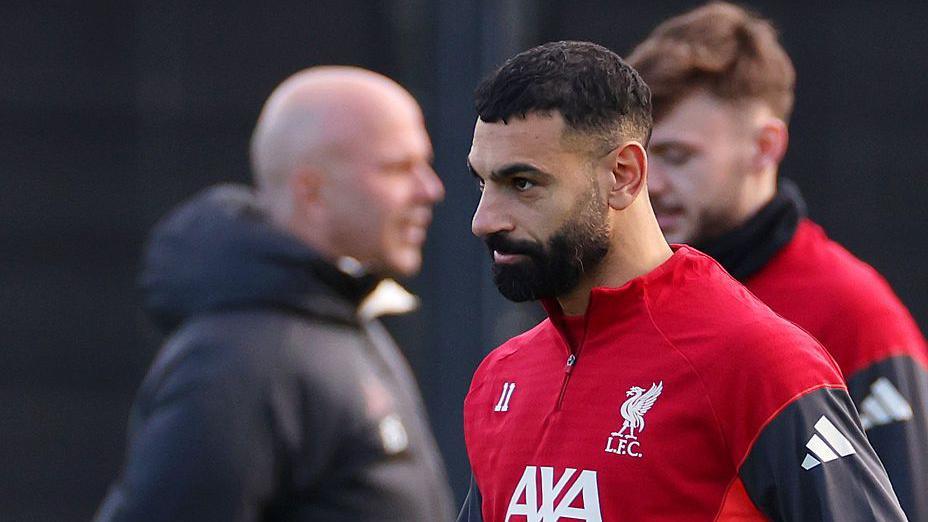
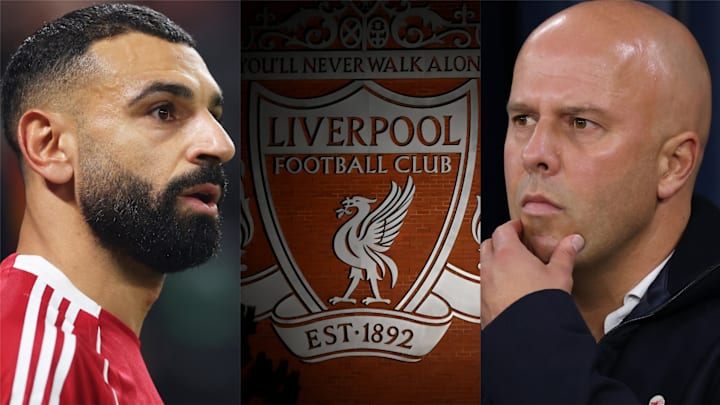
The unfolding drama between Mohamed Salah and Liverpool Football Club represents a critical inflection point in how professional athletes navigate public communication and organizational relationships. What began as an explosive interview has rapidly escalated into a full-blown institutional crisis, exposing the razor-thin line between personal brand management and organizational loyalty.
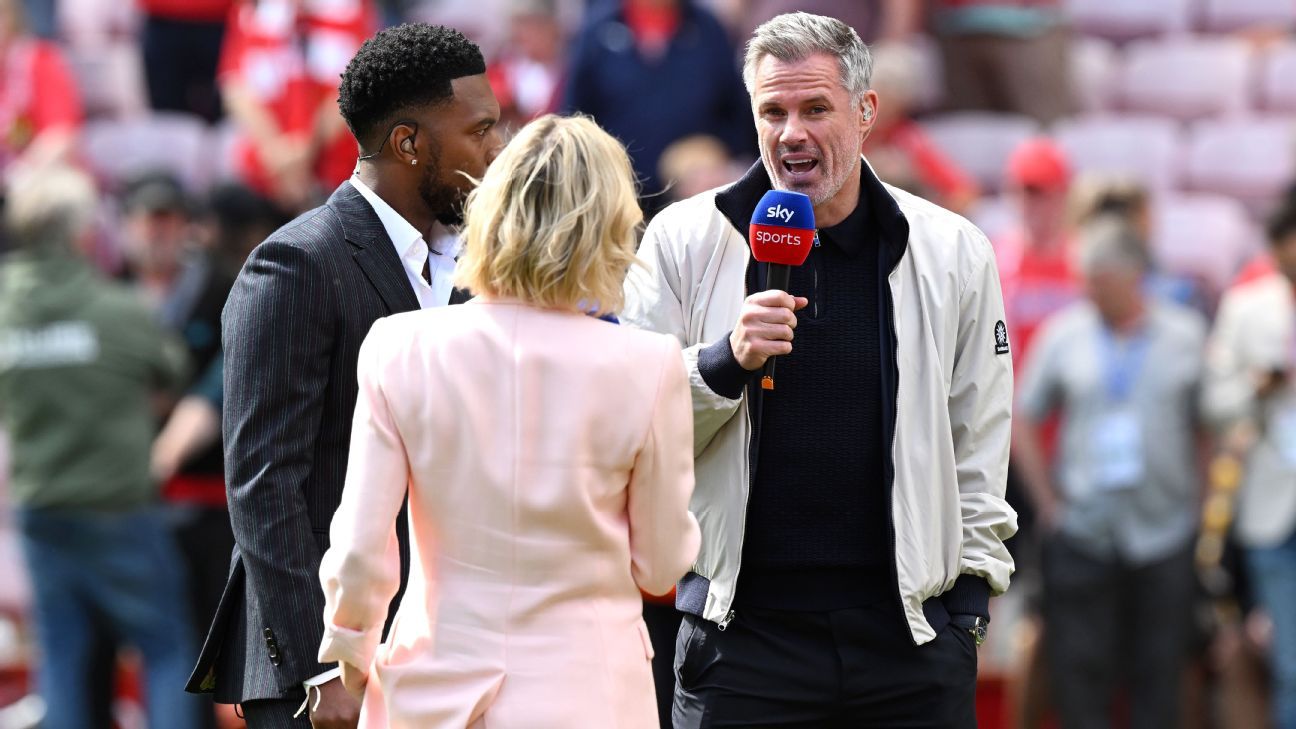
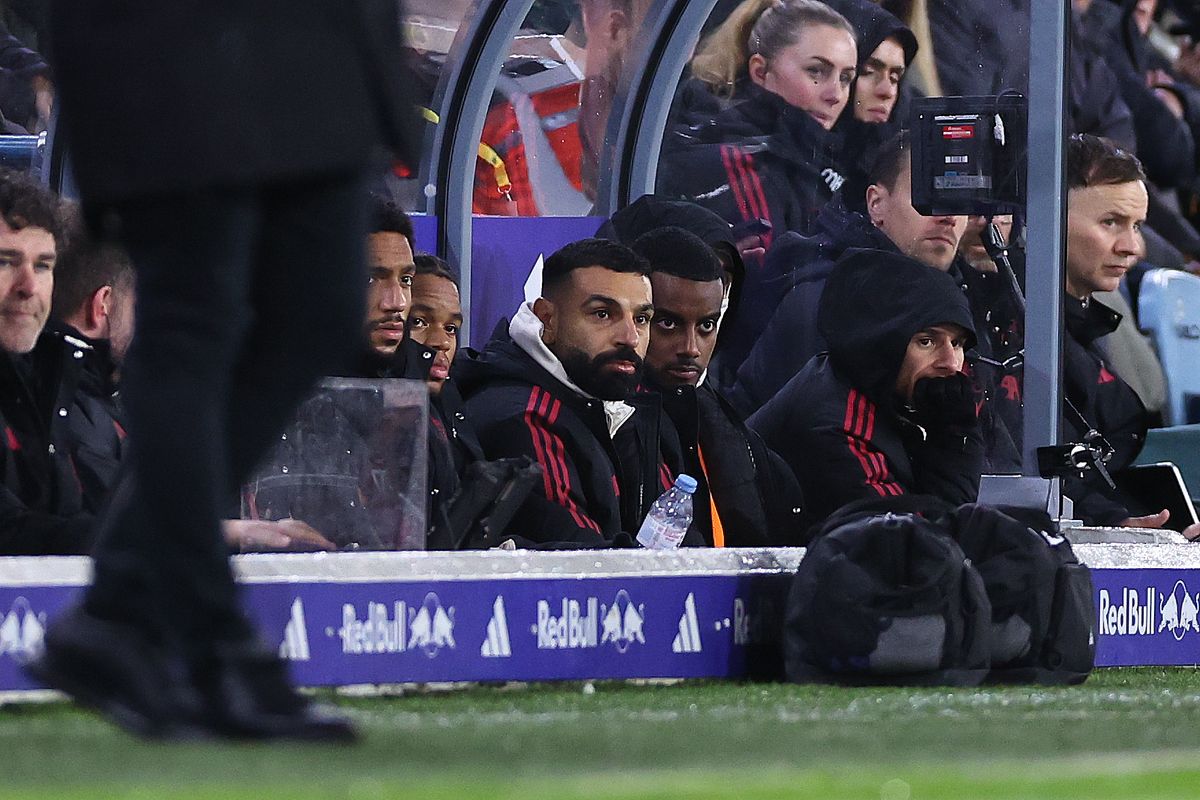
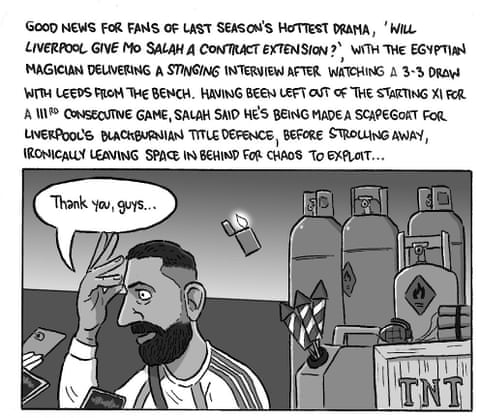
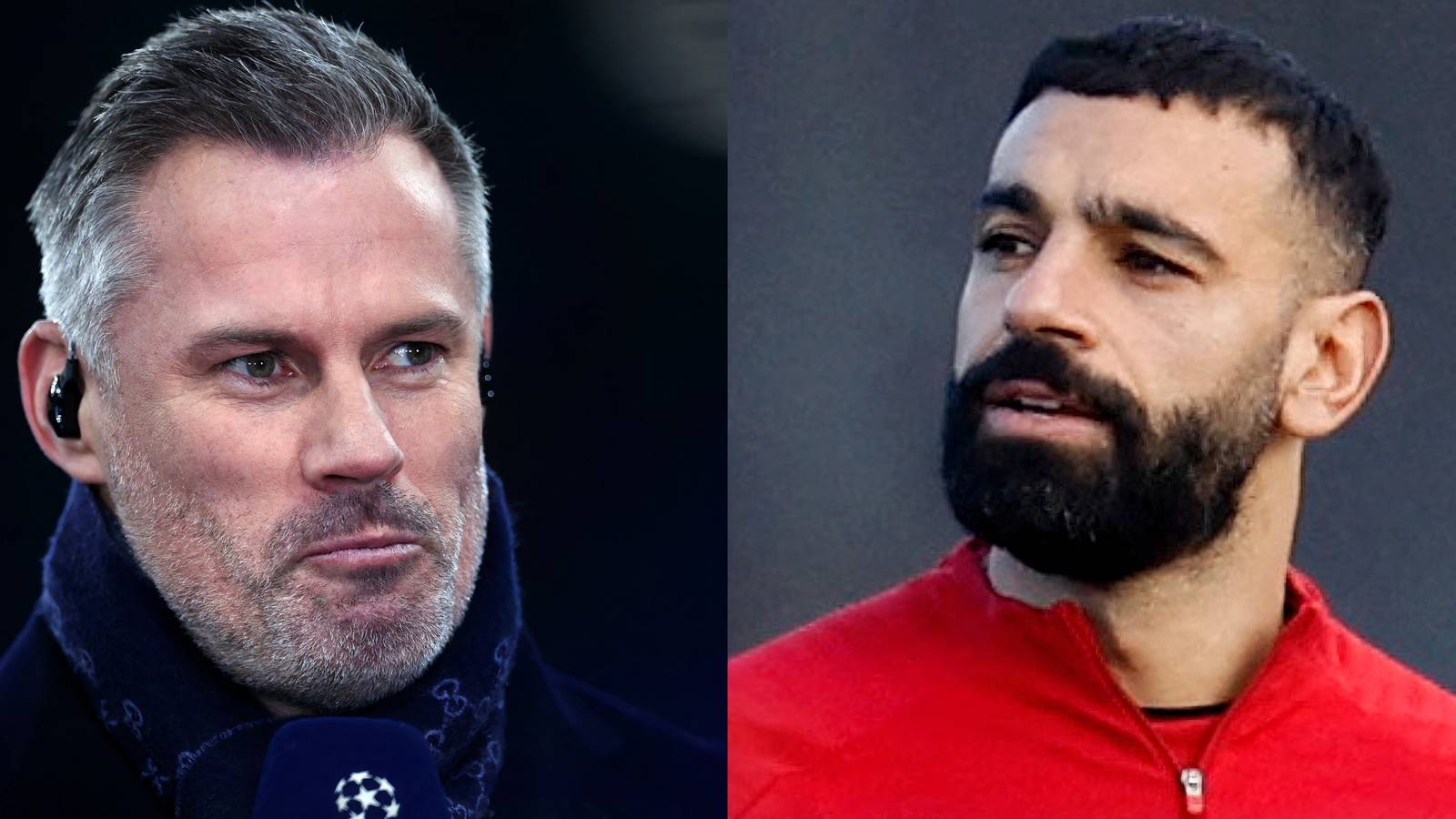
Strategic Communication Breakdown: Salah's recent media engagement has created unprecedented tension within Liverpool, with key figures like Jamie Carragher publicly branding him a "disgrace". This incident transcends a typical player-club dispute, revealing deeper systemic vulnerabilities in how high-profile athletes manage their public narratives. The satirical commentary by David Squires further amplifies the situation's complexity, suggesting that modern sports conflicts are as much media performances as they are interpersonal negotiations.
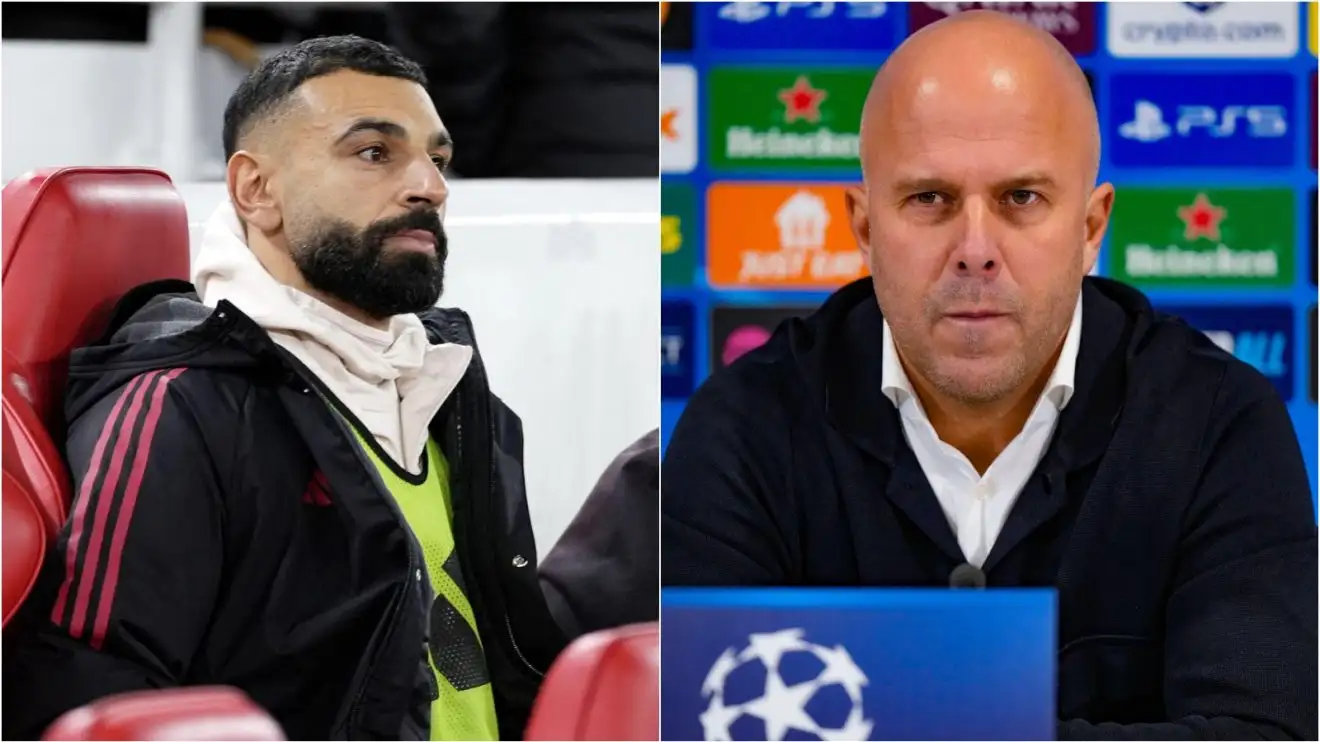
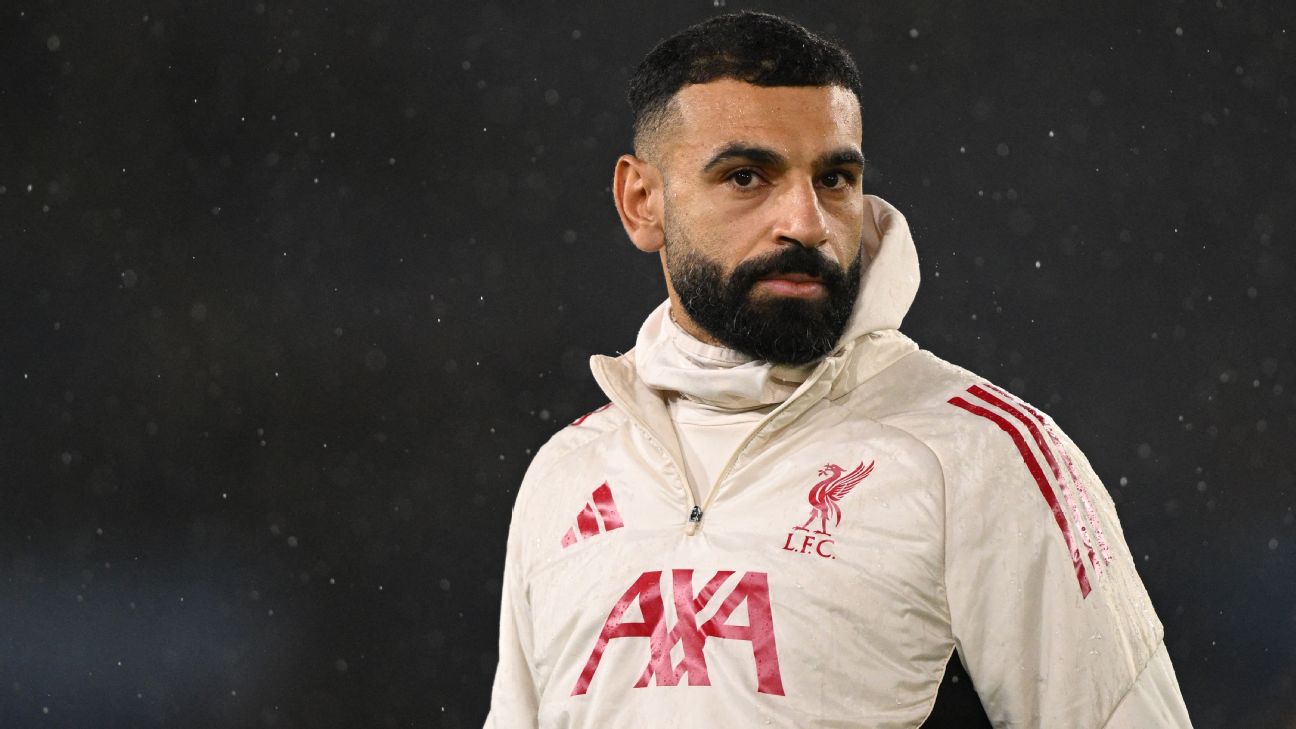
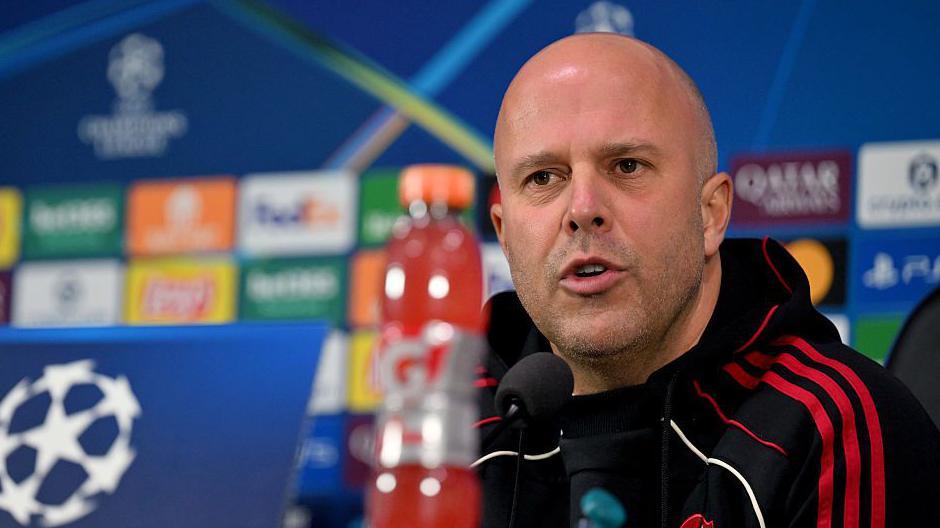
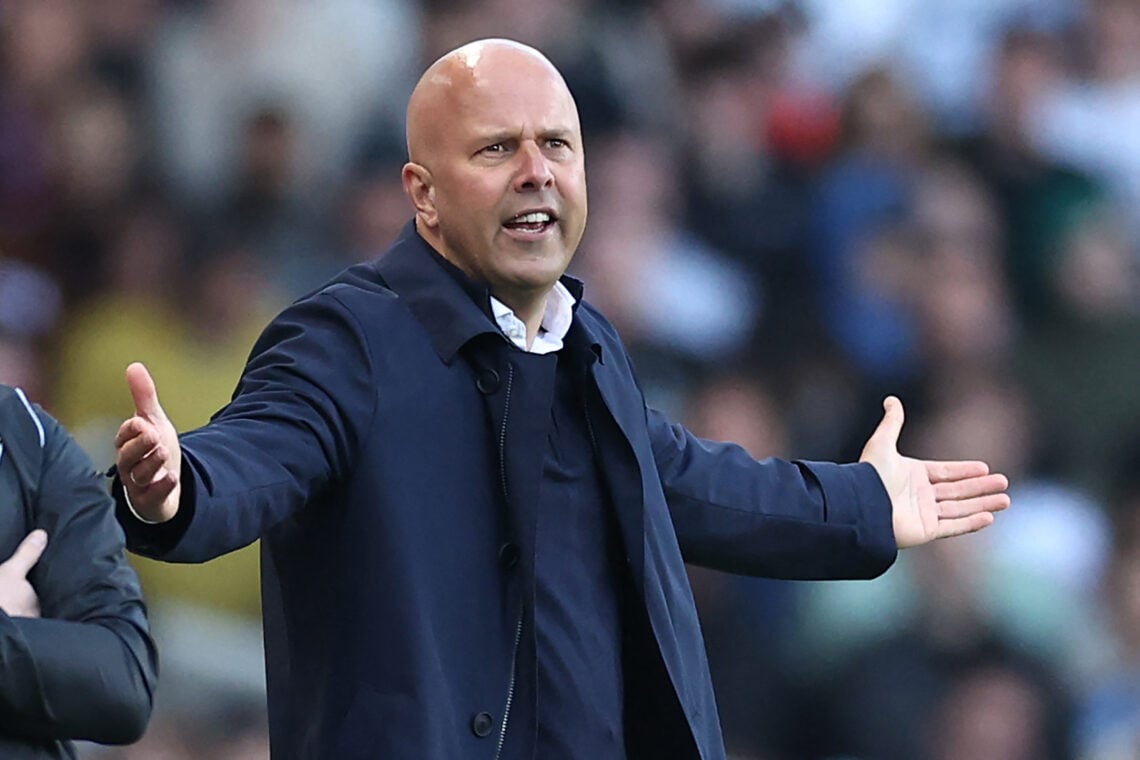
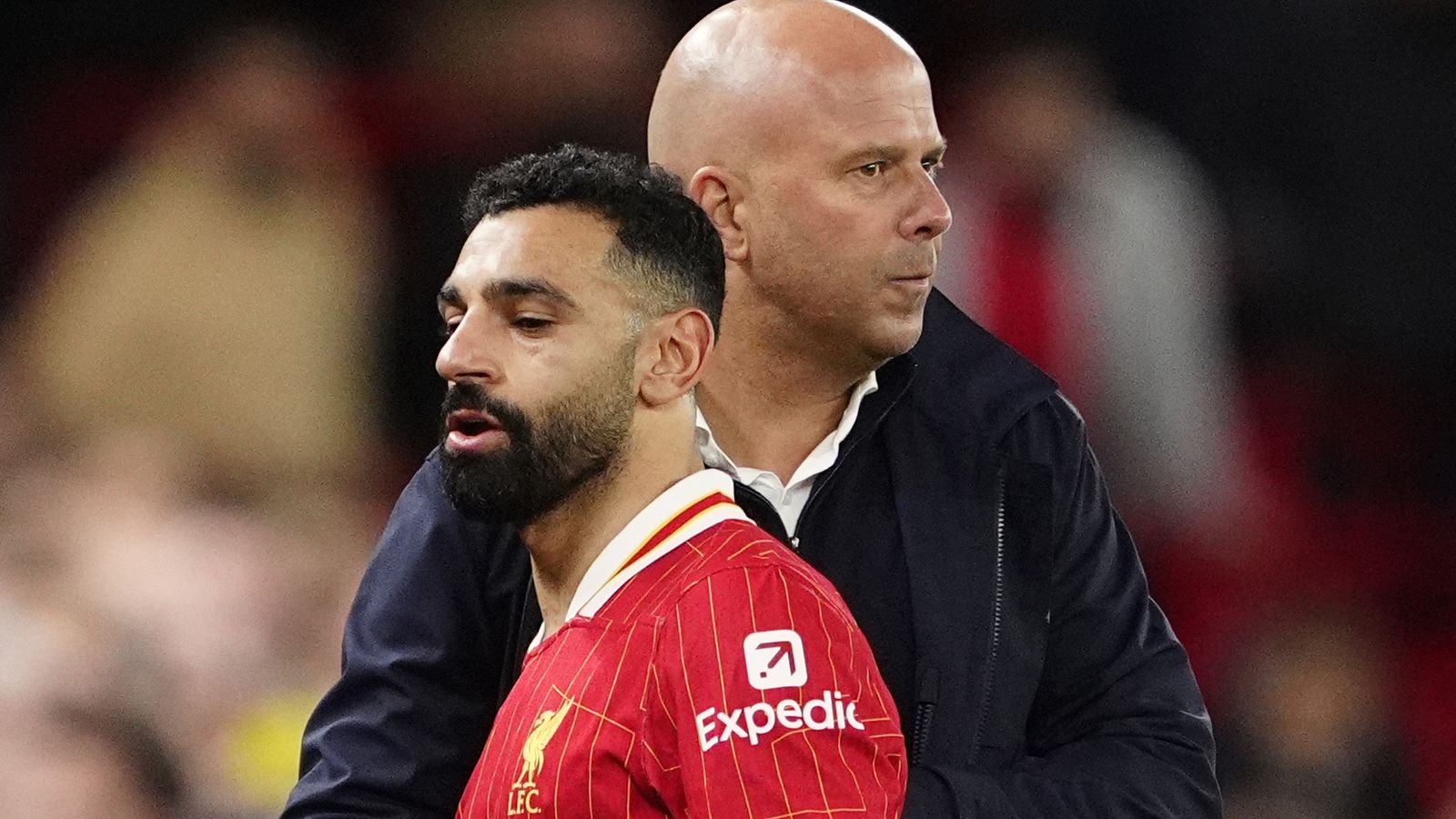
The strategic implications are profound. When a globally recognized athlete like Salah can destabilize an entire organizational ecosystem through a single interview, it underscores the immense personal brand power athletes now wield. Arne Slot's uncertainty about Salah's future with Liverpool signals more than a potential transfer—it represents a fundamental shift in player-club dynamics where individual narratives can supersede institutional interests.
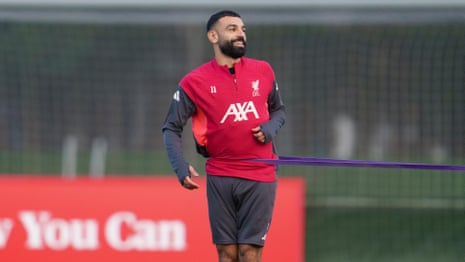
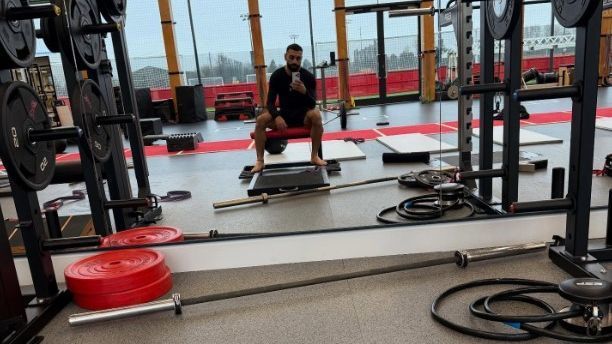
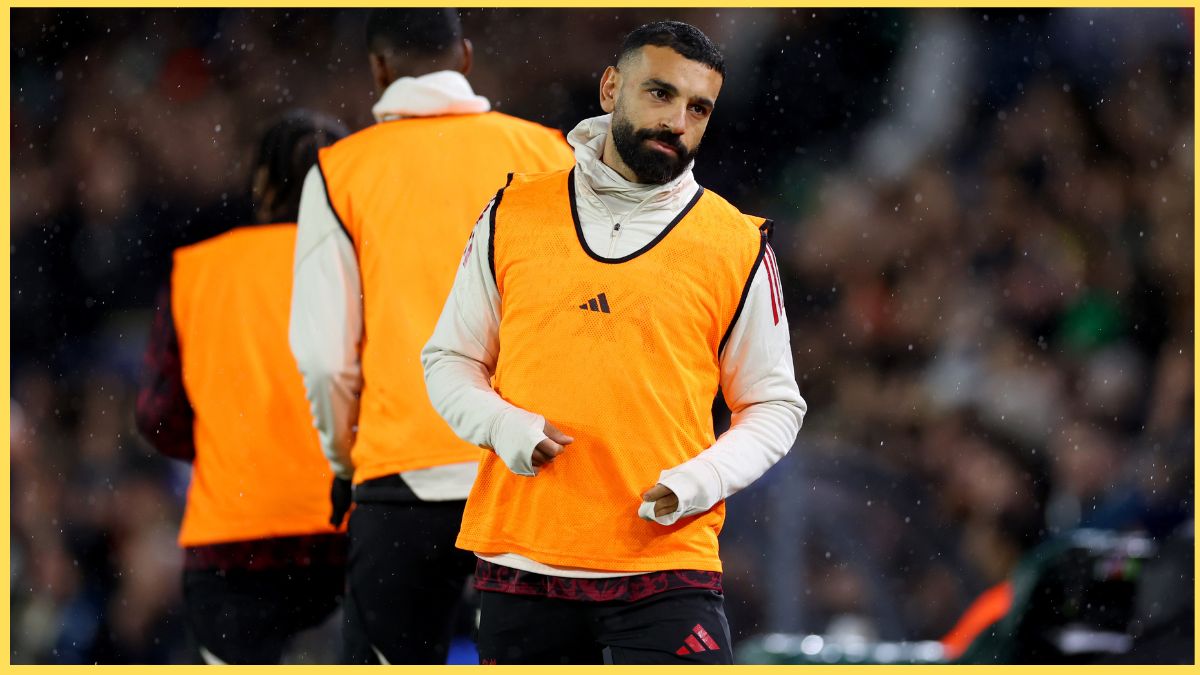
Moreover, Salah's solitary gym photo on Instagram becomes a subtle yet powerful communication tool, simultaneously signaling professional isolation and personal resilience. This micro-moment captures the broader trend of athletes using social media as a strategic communication platform, bypassing traditional institutional communication channels.
The underlying pattern reveals a critical evolution in sports branding: athletes are no longer just performers but complex media entities with the capacity to generate, redirect, and potentially destabilize institutional narratives. For organizations, this demands a radical rethinking of player management, media training, and brand alignment strategies.
Questions 3
What are the broader implications for athlete-organization communication?
This incident highlights the growing power of athlete personal brands. Modern athletes can now leverage media and social platforms to directly challenge organizational narratives, forcing clubs to develop more sophisticated communication and relationship management strategies.
How should professional sports organizations manage high-profile athlete communications?
Organizations must invest in comprehensive media training, develop clear communication protocols, and create more flexible brand alignment strategies that recognize athletes as complex media entities with significant individual influence.