





Public Health Alert: Utah's Escalating Measles Crisis Exposes Vaccination Vulnerabilities
- Unvaccinated Populations Create High-Risk Transmission Zones in Educational Settings

















Overview
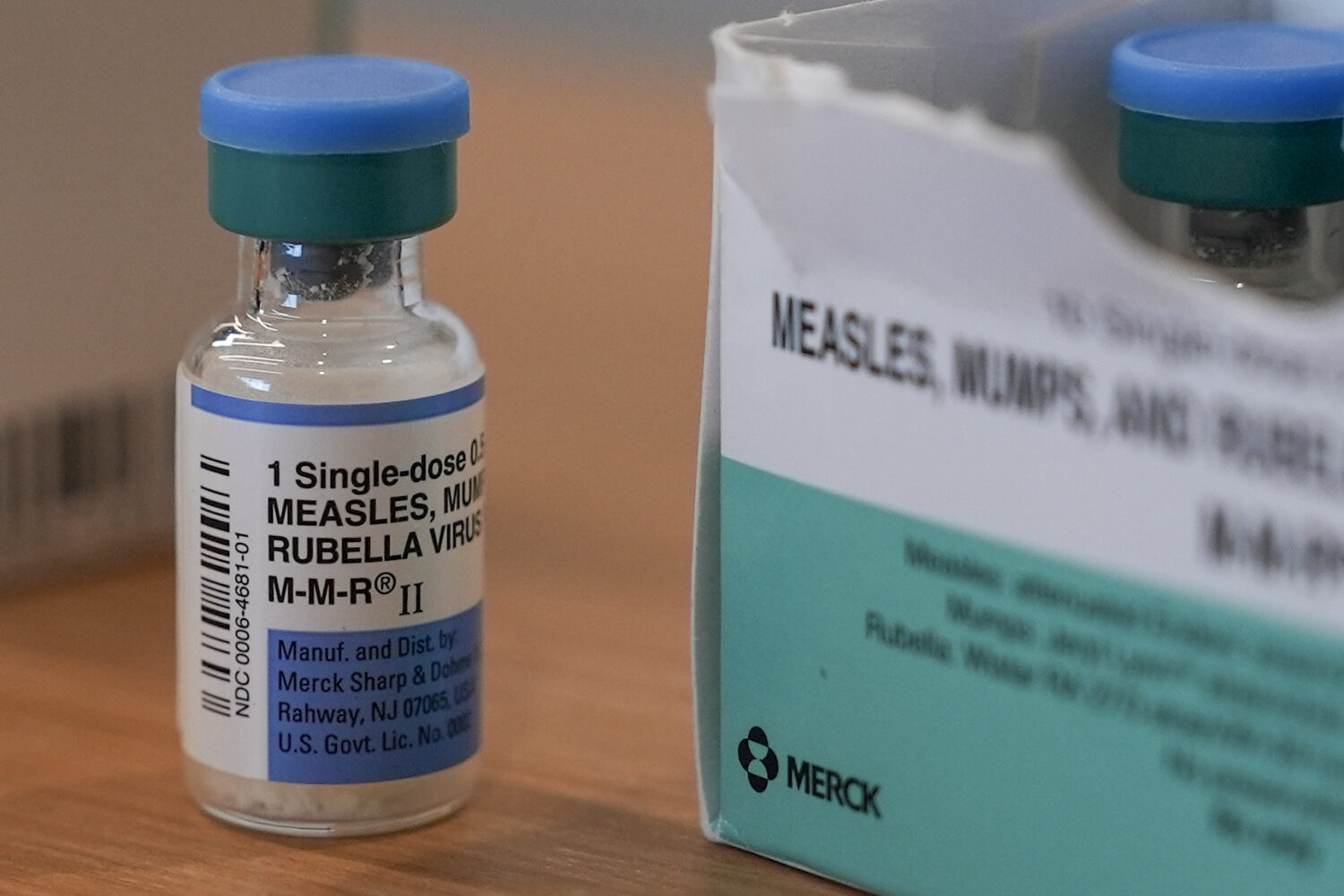
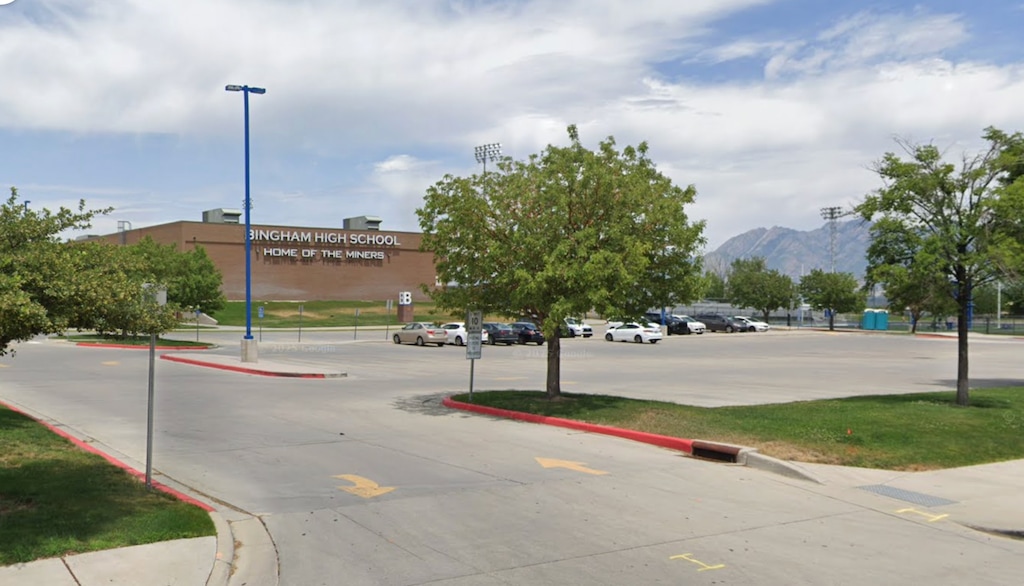
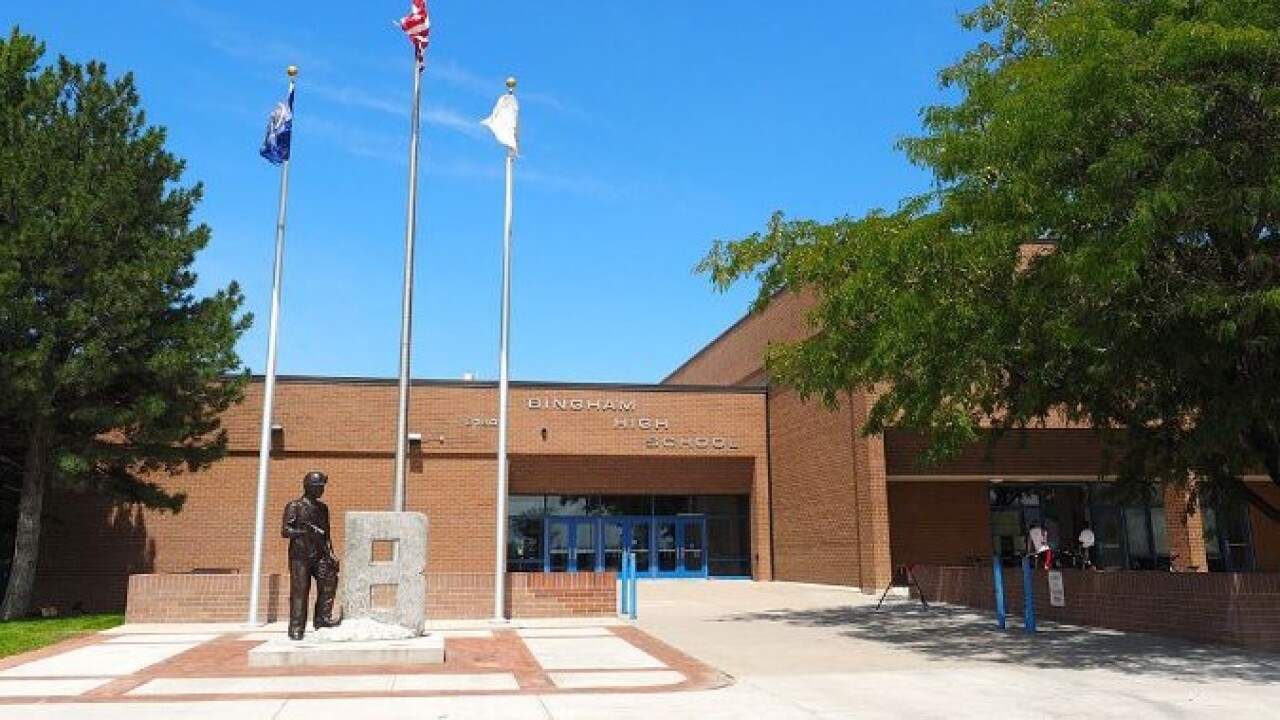
Vaccination gaps are creating a critical public health challenge in Utah, with the state now confronting a significant measles outbreak that has rapidly expanded to 115 confirmed cases. The recent cluster of infections at Bingham High School and its childcare facility reveals a dangerous pattern of disease transmission within educational environments where unvaccinated individuals create potential superspreader scenarios.
The outbreak's geographic concentration in Salt Lake County demonstrates how localized vaccination hesitancy can transform educational institutions into high-risk transmission zones. With multiple confirmed cases at a single high school and its associated childcare facility, the data suggests a systemic vulnerability in community immunization practices. The unvaccinated status of infected individuals highlights a critical risk factor that public health officials must urgently address.
Epidemiological tracking reveals multiple transmission vectors, particularly within close-contact environments like schools and childcare centers. The confirmed cases between December 1-5 indicate a rapid spread potential, with health departments scrambling to notify potentially exposed individuals. This outbreak underscores the importance of comprehensive vaccination strategies and the potential consequences of individual immunization choices on broader community health.
The escalating case count—from initial reports to 115 confirmed instances—signals a significant public health challenge that extends beyond individual risk. Educational institutions are emerging as critical intervention points, requiring enhanced screening, vaccination verification, and rapid response protocols to mitigate disease spread.
Questions 3
How serious is the current measles outbreak in Utah?
The outbreak has escalated to 115 confirmed cases, primarily concentrated in Salt Lake County. The high number of cases, especially within educational settings like Bingham High School, indicates a significant public health risk that requires immediate intervention.
Why are schools particularly vulnerable to measles transmission?
Schools create dense, close-contact environments where unvaccinated individuals can quickly spread the highly contagious measles virus. The Bingham High School cases demonstrate how a single unvaccinated infected person can potentially expose entire student and staff populations.