

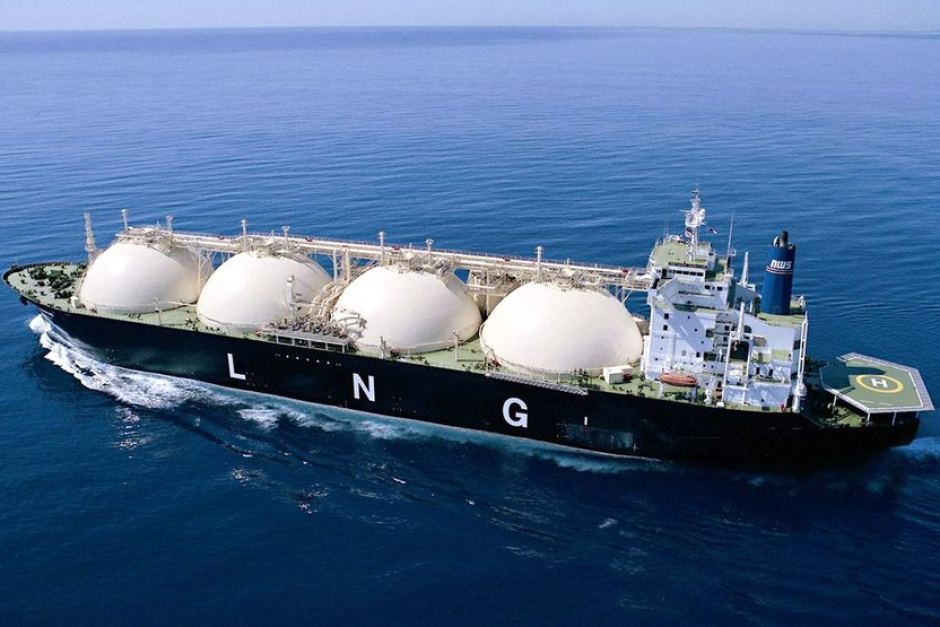



Middle East Shipping Crisis Drives Logistics Costs Up 7-12% for Cross-Border Sellers
- Energy price surge on March 12, 2026 signals 3-6 month shipping rate increases affecting FBA, 3PL, and air freight operations globally



















:strip_icc()/i.s3.glbimg.com/v1/AUTH_63b422c2caee4269b8b34177e8876b93/internal_photos/bs/2026/y/0/SKBFA4THi3TD16T8Hi1A/foto11emp-101-gas-b4.jpg)


Overview
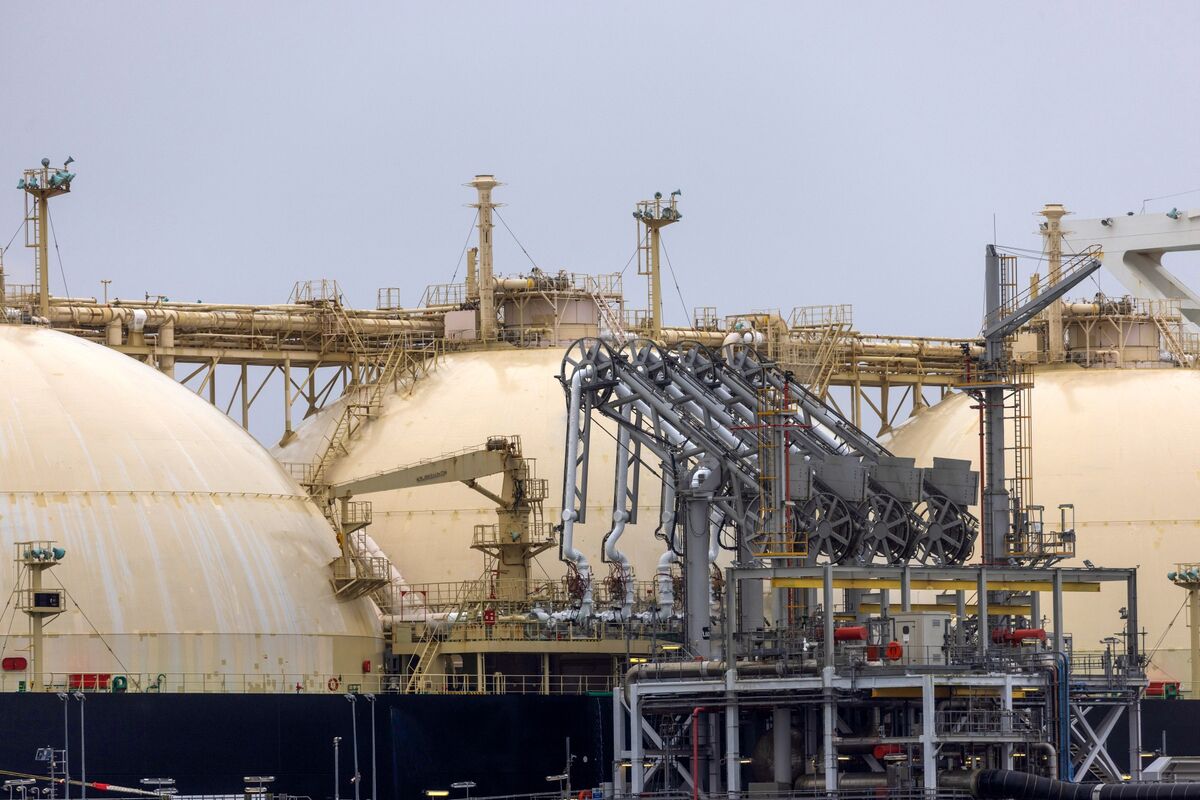
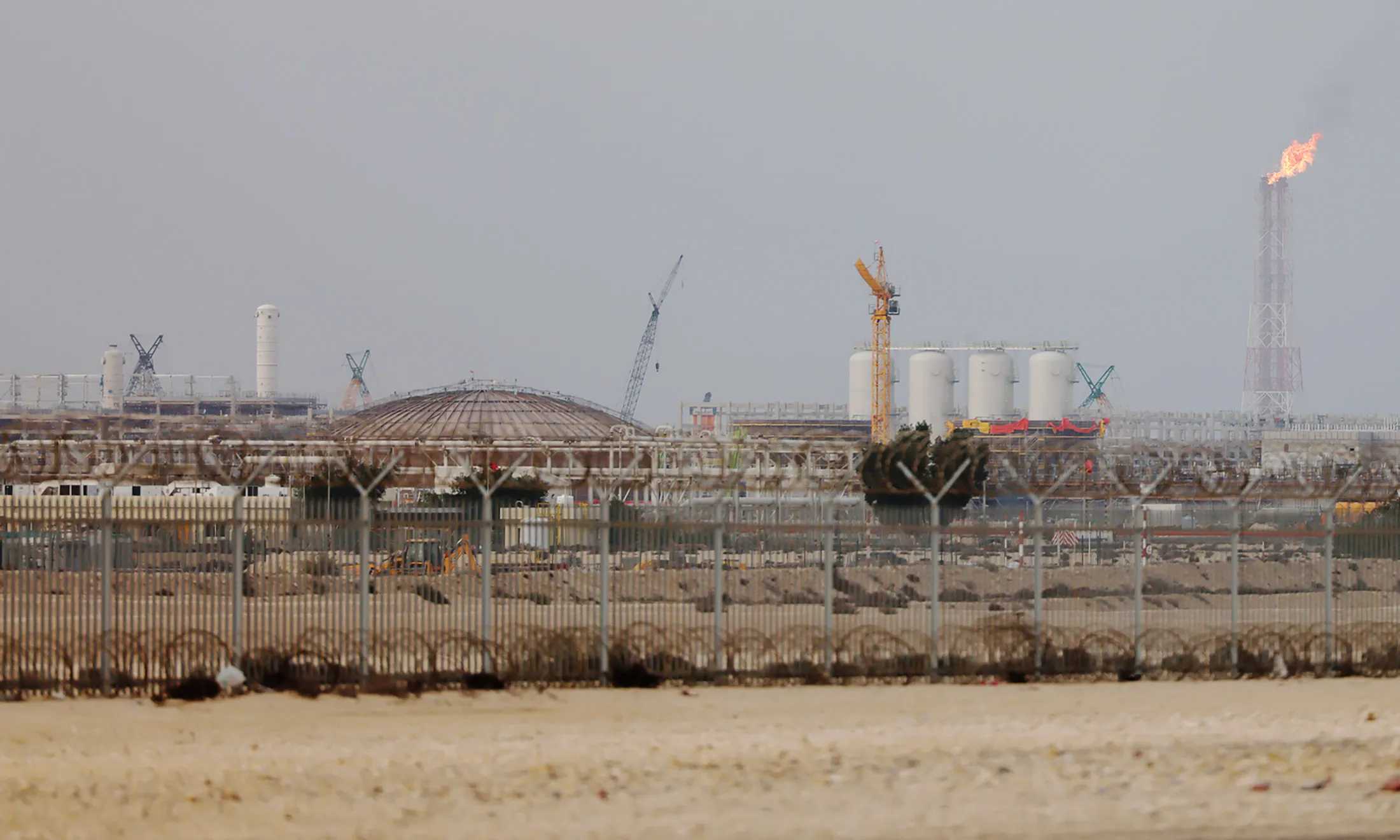
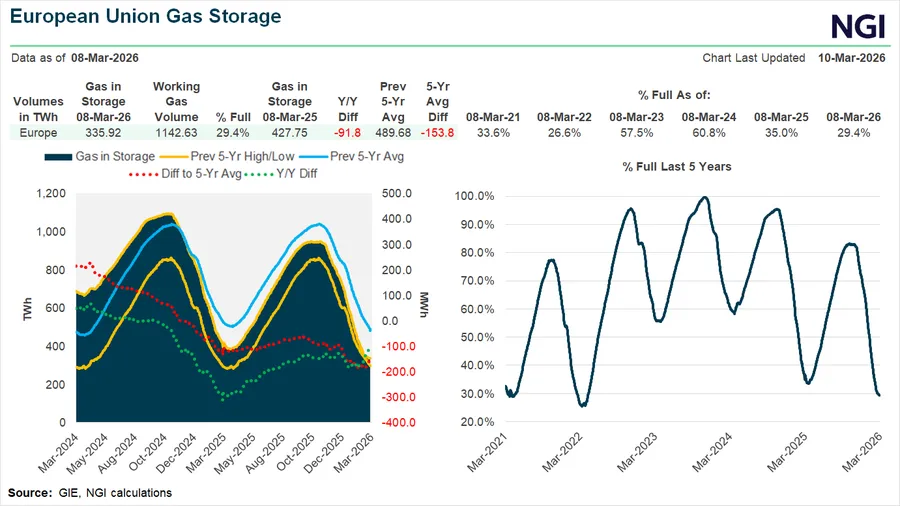
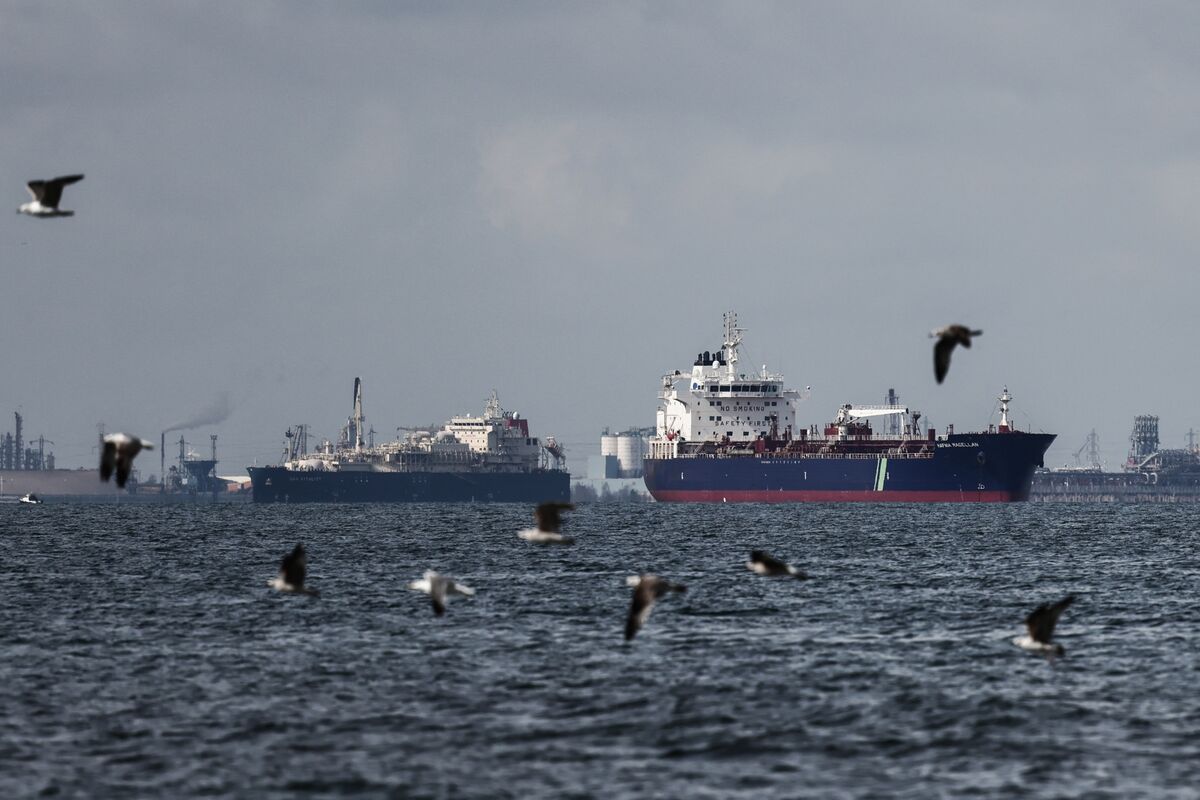
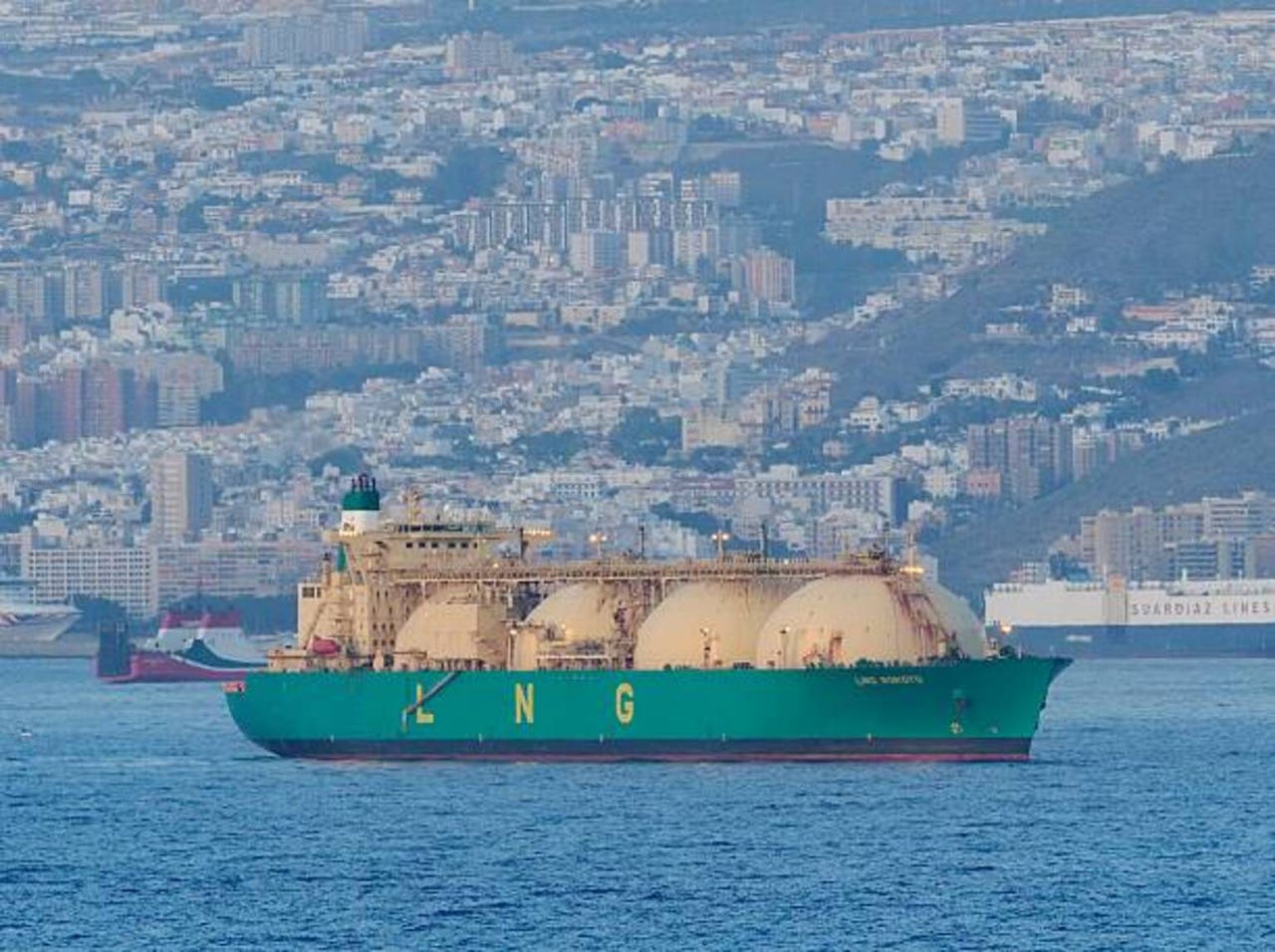
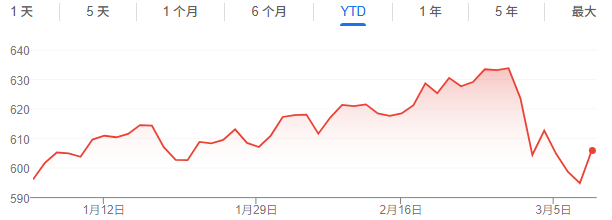
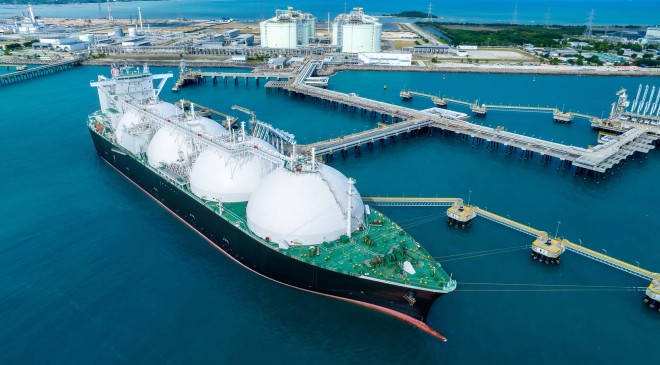
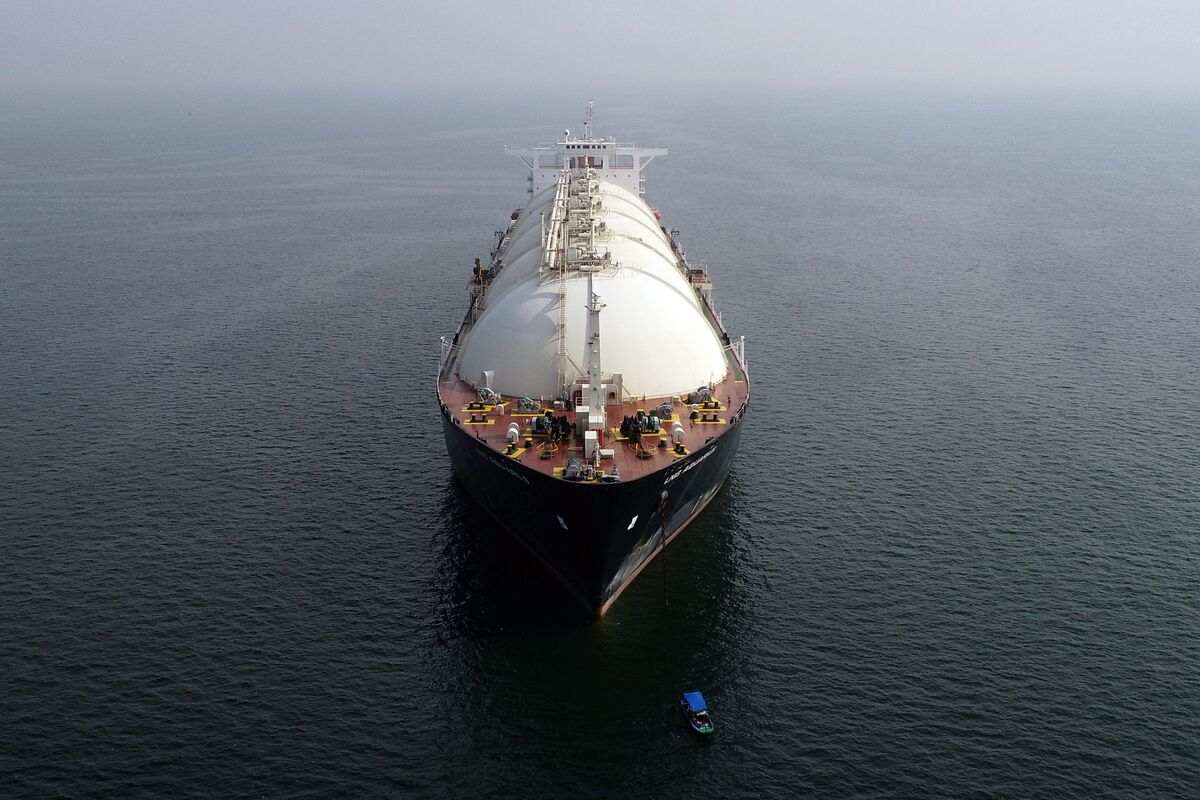
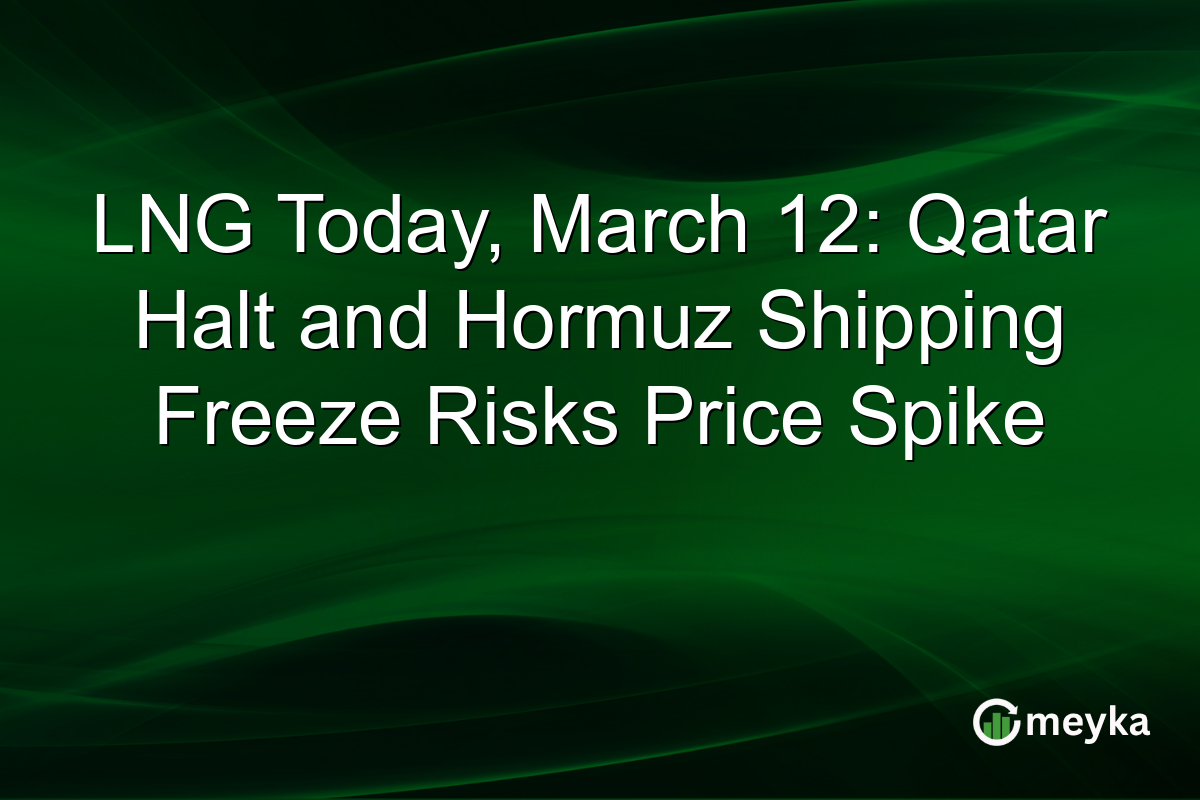
The Middle East shipping crisis intensifying on March 12, 2026, represents a critical cost inflection point for cross-border e-commerce sellers. European natural gas futures surged 7.7% following the evacuation of Oman's key oil export terminal and attacks on crude tankers in Iraqi waters, signaling sustained energy market volatility expected to persist for months. This geopolitical disruption directly translates to increased logistics expenses across all seller segments, with immediate implications for Amazon FBA fulfillment costs, 3PL provider pricing, and international shipping surcharges.
Immediate Cost Impact by Seller Segment: Sellers relying on air freight face the most acute pressure, with fuel surcharges typically increasing 8-12% during energy crises. For a mid-sized seller shipping 2,000-5,000 units monthly via air freight, this represents $400-800 in additional monthly costs. Ocean freight sellers experience delayed but significant impacts, with carrier fuel surcharges (typically 2-4% of base rates) expected to increase to 5-8% within 4-6 weeks as energy costs cascade through logistics networks. Amazon FBA sellers should anticipate storage and fulfillment fee adjustments within 60-90 days, historically ranging 3-5% during energy volatility periods. European sellers face compounded pressure from natural gas price increases affecting warehouse operations, with energy costs representing 8-15% of fulfillment center operational expenses.
Strategic Sourcing and Inventory Implications: The shipping crisis creates a critical window for sellers to optimize inventory positioning. Sellers should accelerate shipments to US and EU fulfillment centers before fuel surcharges fully propagate (typically 3-4 weeks lag). This is particularly urgent for sellers in high-margin categories (electronics, home goods, sporting equipment) where shipping represents 12-18% of COGS. Conversely, sellers with excess inventory in origin countries should delay shipments to avoid peak surcharge periods, accepting 2-3 week delivery delays to preserve 4-6% margin compression. The crisis also creates competitive advantages for sellers with pre-positioned inventory in destination markets—those with 60+ days of stock in US/EU warehouses can maintain pricing power while competitors absorb surcharges.
Market Opportunity in Logistics Diversification: The shipping crisis accelerates demand for alternative logistics solutions. Sellers should evaluate rail freight corridors (Asia-Europe via Central Asia), which typically cost 15-20% more than ocean but remain insulated from fuel surcharges. Rail freight represents a 6-8 week delivery window but locks in pricing for 3-6 months. Additionally, nearshoring opportunities emerge for sellers serving North American markets—Mexico and Central America manufacturing can reduce shipping costs 20-30% compared to Asia-origin products, offsetting higher labor costs during energy crises. Small sellers (under 500 units/month) should consolidate shipments through freight forwarders offering pooled container services, reducing per-unit shipping costs 15-25% versus LCL (less-than-container-load) rates.
Questions 8
How much will shipping costs increase for Amazon FBA sellers due to the Middle East crisis?
FBA sellers should expect 3-5% cost increases within 60-90 days as fuel surcharges propagate through Amazon's logistics network. Air freight sellers face immediate 8-12% increases, while ocean freight sellers experience 5-8% surcharges within 4-6 weeks. For a seller with $10,000 monthly FBA fees, this represents $300-500 in additional costs. The March 12, 2026 energy spike signals sustained volatility expected to persist for 3-6 months, making this a critical period to lock in shipping rates or accelerate inventory positioning to destination warehouses before surcharges fully activate.
Should I accelerate or delay inventory shipments during the shipping crisis?
Accelerate shipments to US and EU fulfillment centers immediately if you have inventory ready—fuel surcharges typically lag 3-4 weeks behind energy price spikes, creating a window to ship before costs increase. However, delay shipments if you have excess inventory in origin countries, accepting 2-3 week delivery delays to avoid peak surcharge periods and preserve 4-6% margin compression. High-margin categories (electronics, sporting goods) benefit most from acceleration, while lower-margin items should wait. Pre-positioned inventory in destination markets becomes a competitive advantage during crises, allowing you to maintain pricing while competitors absorb surcharges.