

Russia-Ukraine Escalation Disrupts Supply Chains | Cross-Border Sellers Face Logistics Crisis
- March 2026 Bryansk strike triggers shipping delays, insurance cost spikes 15-25%, and sanctions uncertainty affecting 50K+ sellers in Eastern European corridors





Overview
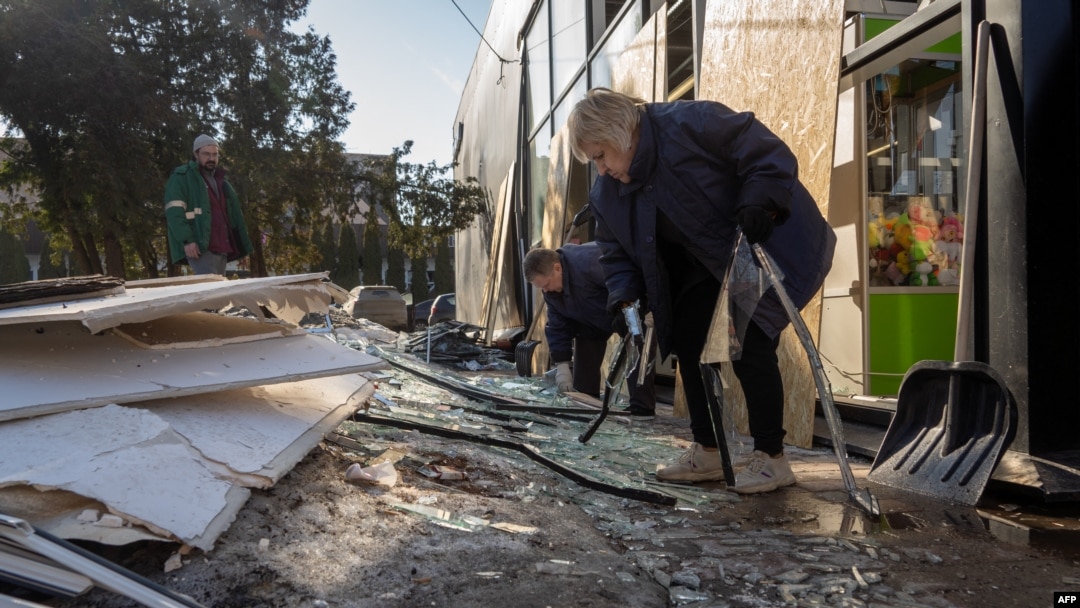
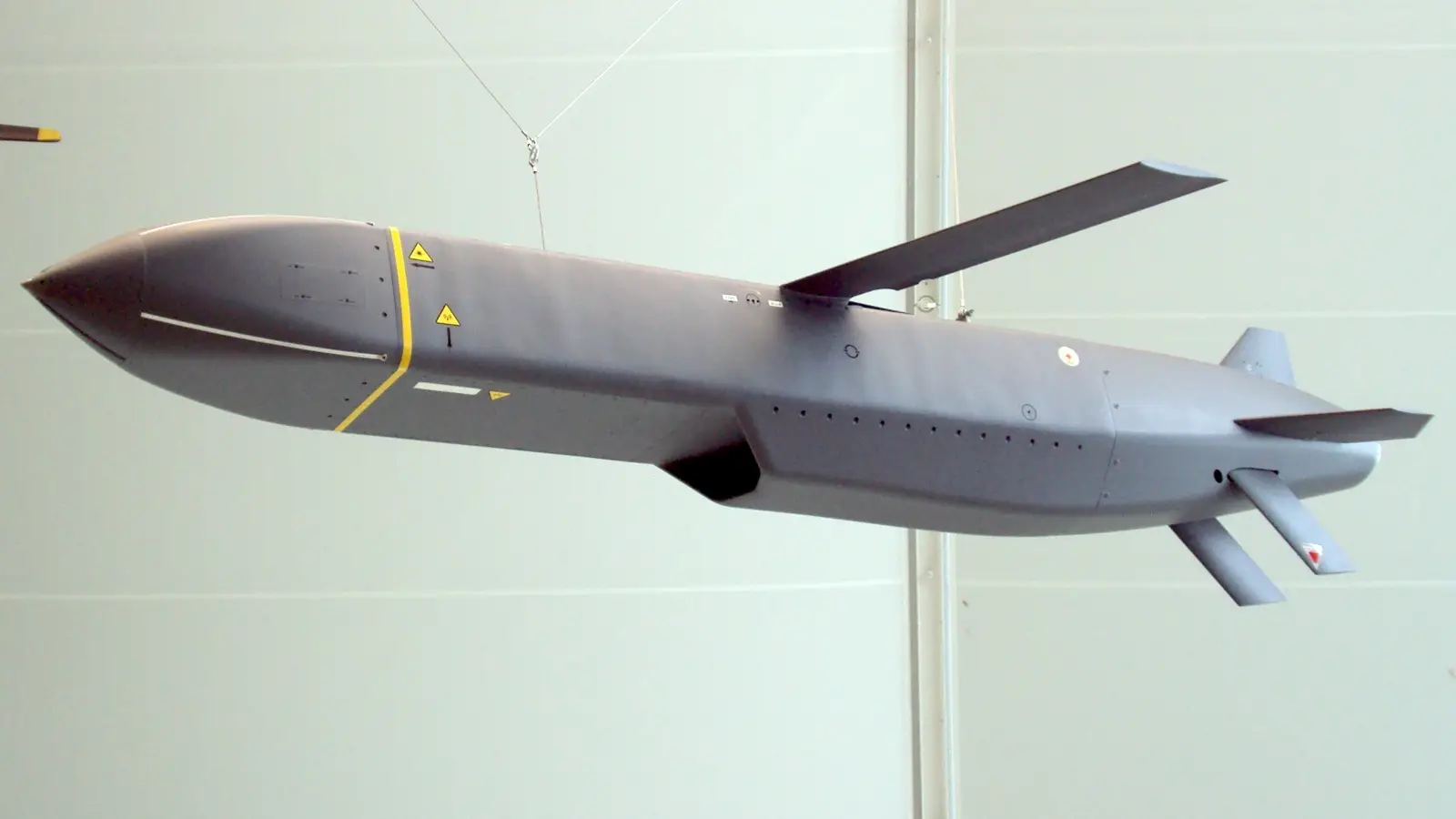
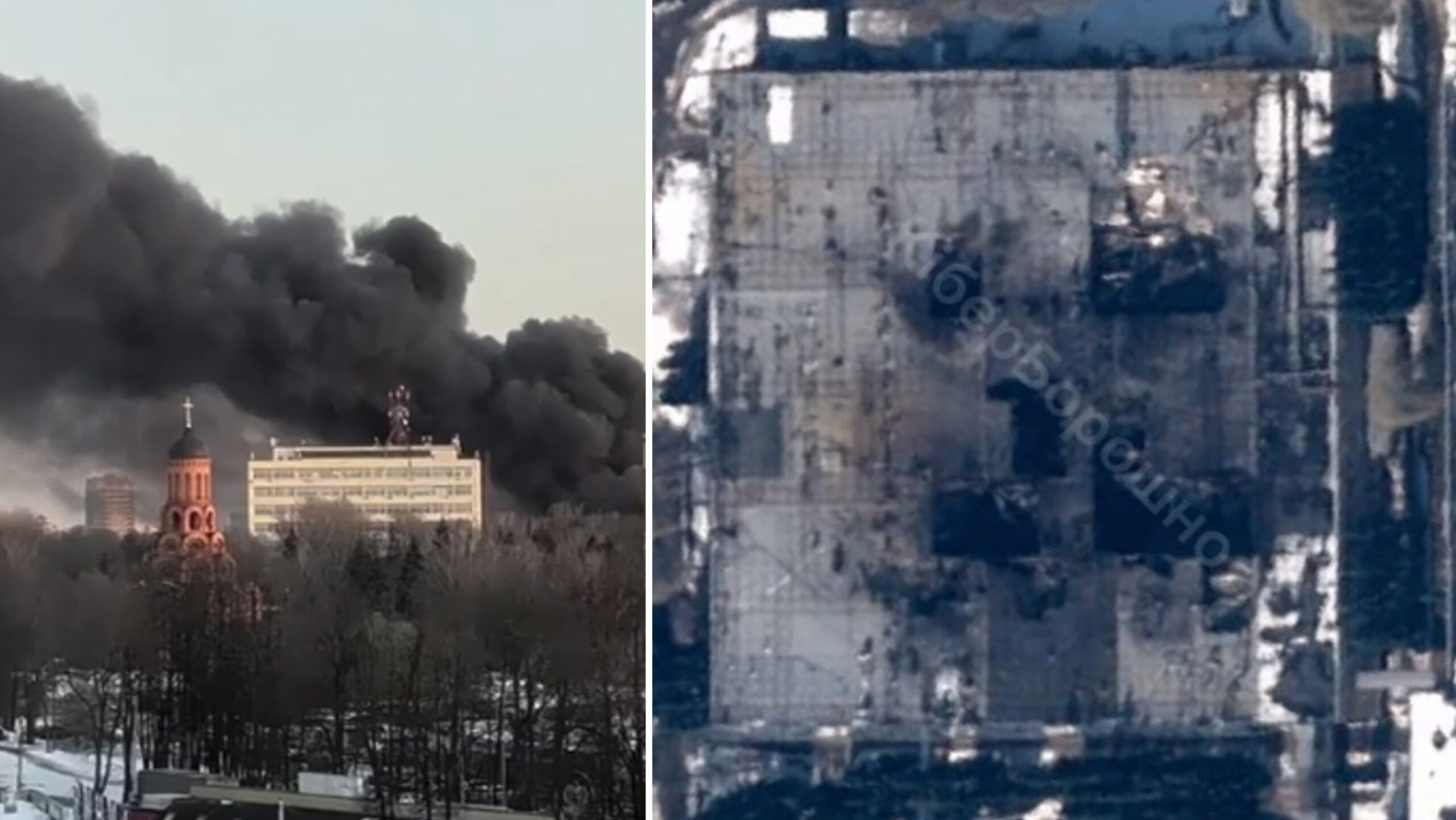
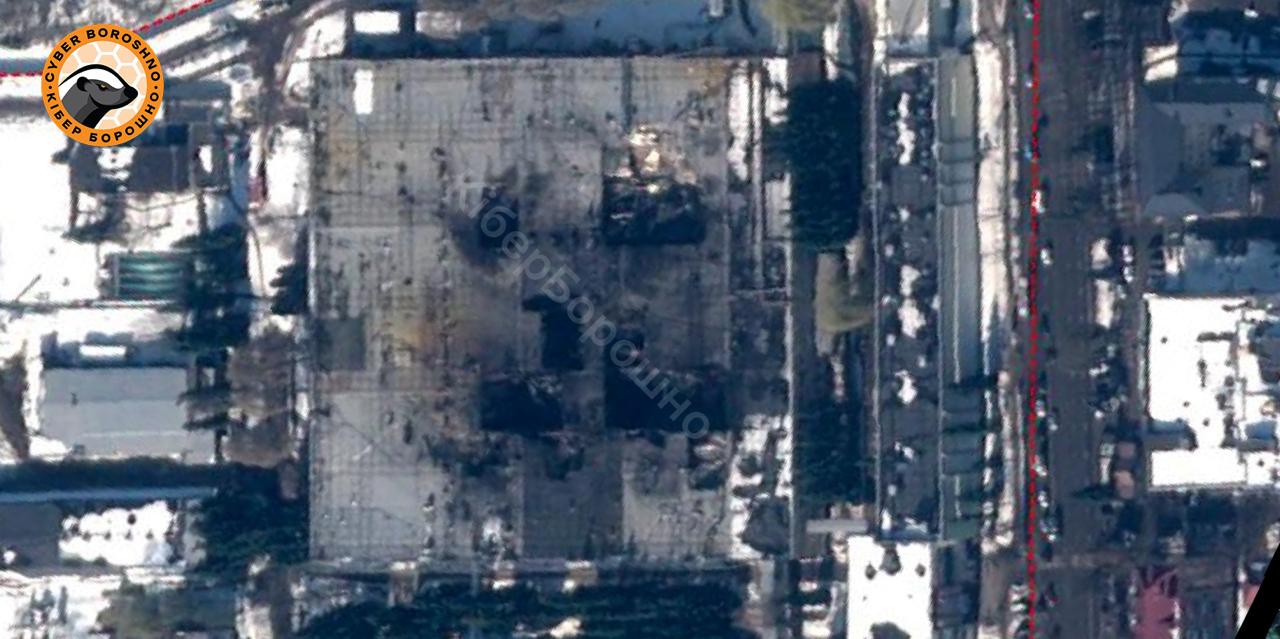
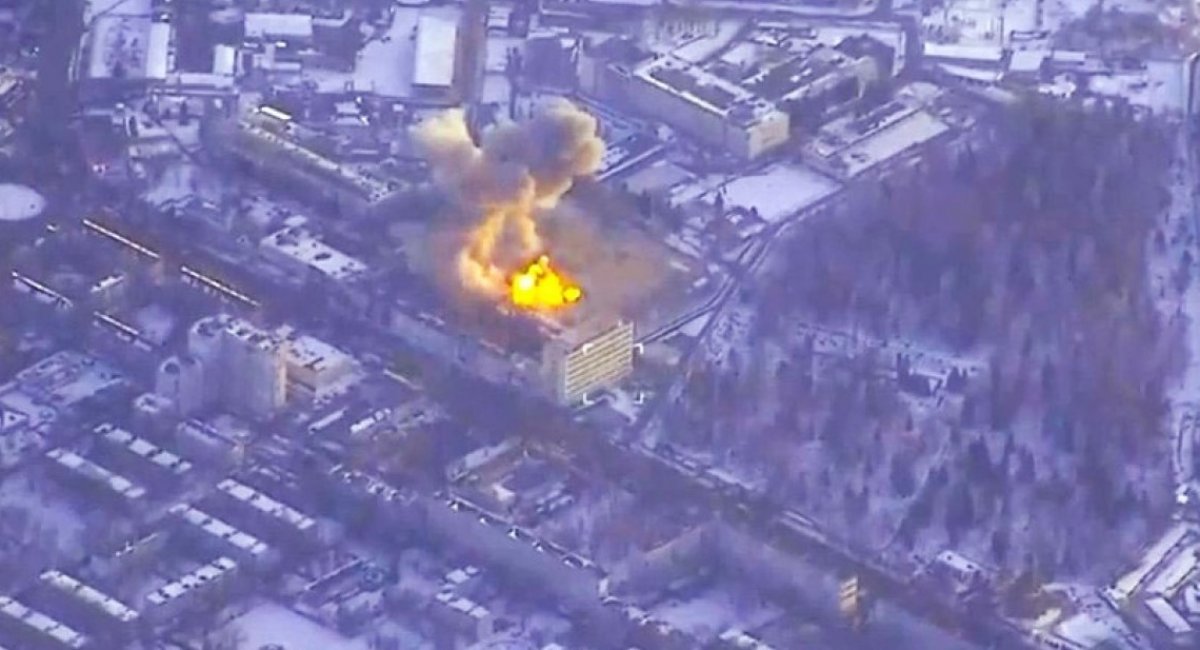
The March 10-11, 2026 military escalation in Bryansk represents a critical inflection point for cross-border e-commerce sellers operating in or sourcing from Eastern Europe and Russia. Russia's Foreign Ministry condemnation of what it characterized as a British-supplied missile strike—resulting in 7 deaths and 42 injured—signals intensifying geopolitical tensions that directly impact supply chain logistics, payment processing, and market access for sellers. This escalation follows the ongoing Russia-Ukraine conflict since 2022, but the explicit involvement of Western military support (British missiles) creates new sanctions risk and regulatory uncertainty.
Supply Chain Disruption Impact: Sellers sourcing components or finished goods from Russian manufacturing facilities (particularly the Bryansk region's missile component production) face immediate sourcing challenges. The strike on military infrastructure in Bryansk creates uncertainty around civilian logistics corridors, port operations, and transportation networks. Shipping delays of 2-4 weeks are typical during military escalations, while insurance costs for goods transiting through conflict zones increase 15-25%. Sellers with inventory in Russian warehouses or 3PL facilities should expect fulfillment delays of 10-15 business days. Additionally, cross-border payment processing becomes unreliable as Western payment processors (Stripe, PayPal) face regulatory pressure to restrict Russian transactions, affecting both inbound supplier payments and customer refunds.
Sanctions and Market Access Risks: The involvement of Britain in supplying weapons creates potential for expanded Western sanctions targeting Russian industries and financial systems. Sellers with Russian customer bases face declining purchasing power as the ruble depreciates during conflict escalations (historically 8-12% devaluation during major incidents). Amazon, eBay, and Shopify have previously restricted Russian seller accounts during sanctions periods, creating account suspension risk for sellers with Russian operations. Currency volatility also impacts margin calculations—sellers pricing in USD/EUR face 5-8% margin compression when converting Russian customer payments.
Strategic Repositioning Opportunity: This escalation accelerates the shift toward alternative sourcing corridors. Sellers previously dependent on Russian suppliers should evaluate Vietnam, India, and Poland as replacement sourcing countries for electronics, components, and light manufacturing. The competitive advantage shifts toward sellers with diversified supply chains and multi-currency payment infrastructure. Sellers should immediately audit their Russian exposure and develop contingency logistics plans.
Questions 7
How does the Bryansk military strike affect cross-border sellers sourcing from Russia?
The March 2026 Bryansk strike creates immediate sourcing disruptions for sellers dependent on Russian suppliers, particularly in electronics and components. Shipping delays of 2-4 weeks are typical during military escalations, while logistics costs increase 15-25% due to insurance premiums and route diversions. Sellers should immediately contact Russian suppliers to assess facility damage and operational status. The strike specifically targeted missile component production, suggesting broader manufacturing disruptions in the region. Sellers with Russian inventory should prioritize liquidation or rerouting to alternative fulfillment centers within 30 days to avoid extended holding costs.
What sourcing countries should replace Russian suppliers for electronics and components?
Vietnam, India, and Poland emerge as primary alternatives for Russian sourcing, offering 10-15% cost premiums but significantly lower geopolitical risk. Vietnam specializes in electronics assembly (15-20% lower costs than Russia), while Poland provides EU-compliant manufacturing with faster shipping to Western markets. India offers component sourcing with 8-12 week lead times versus Russia's current 4-6 week delays. Sellers should evaluate supplier diversification across 2-3 countries to reduce single-source risk. Transition timelines typically require 60-90 days for supplier qualification and first shipments. Budget $5,000-15,000 for supplier audits and sample orders.