


Strait of Hormuz Disruptions Drive 15-25% Shipping Cost Surge for Cross-Border Sellers
- Oil prices exceed $100/barrel amid geopolitical tensions; maritime blockade affects 20% of global oil transit and logistics networks serving e-commerce fulfillment



























Overview
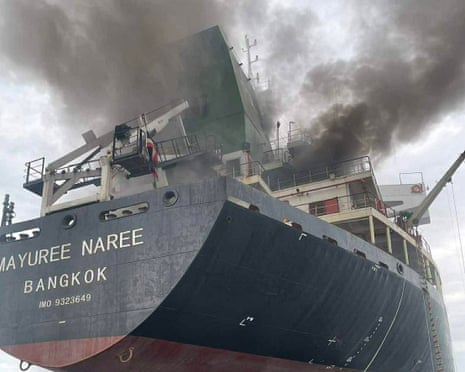
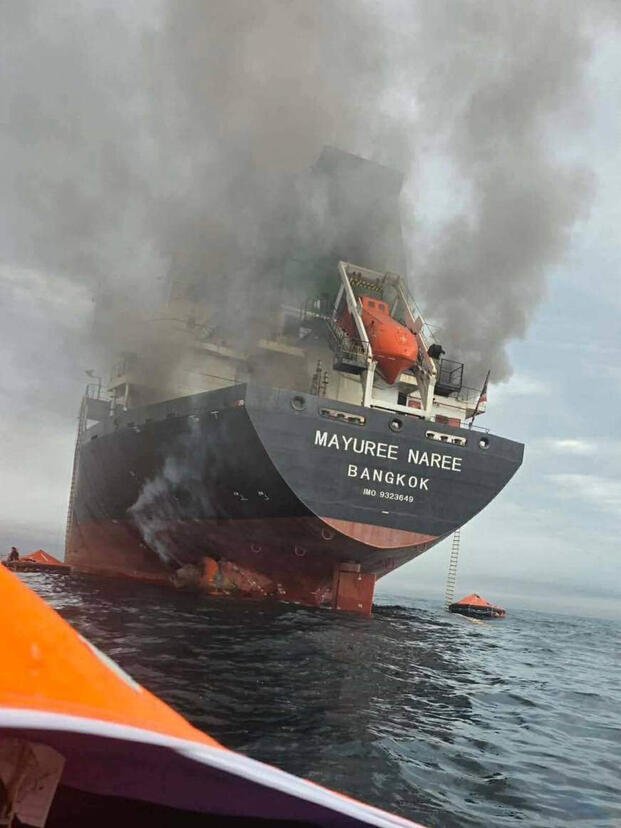
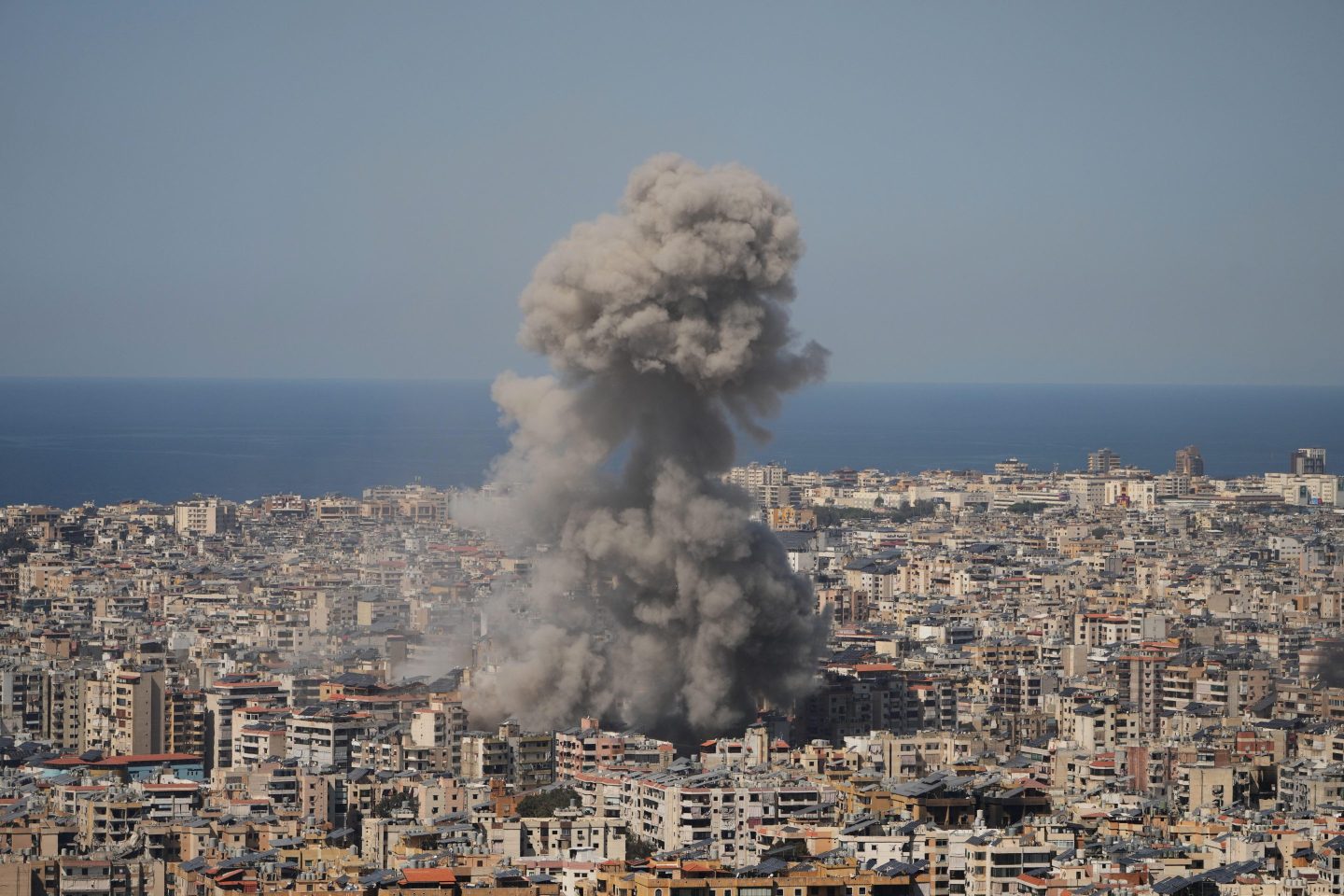
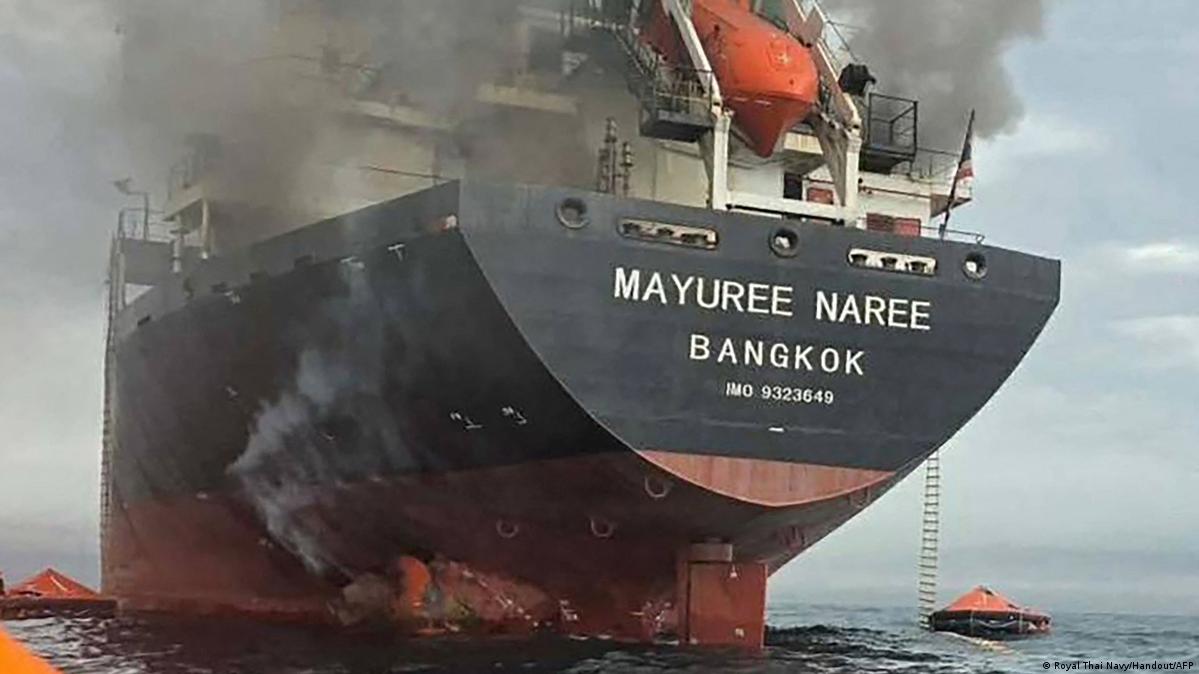
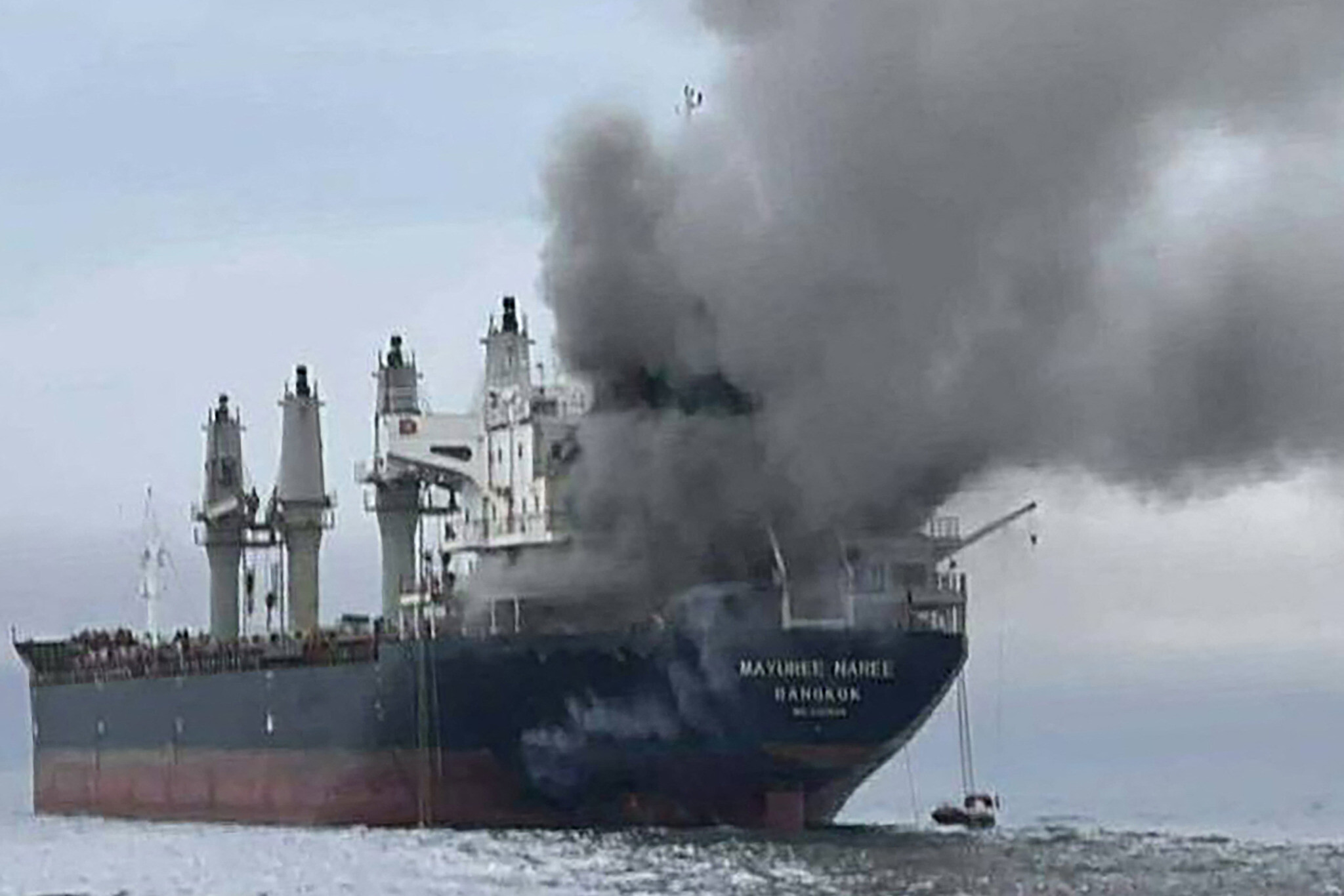
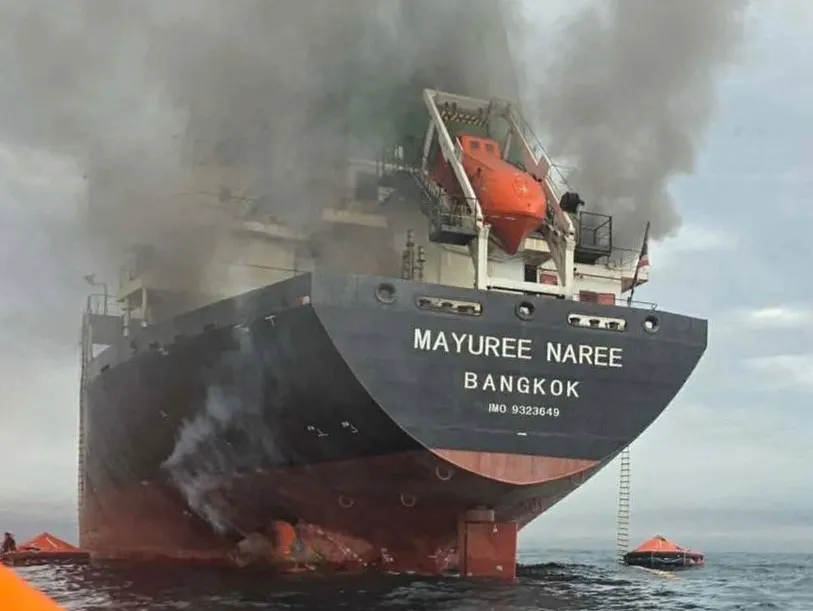
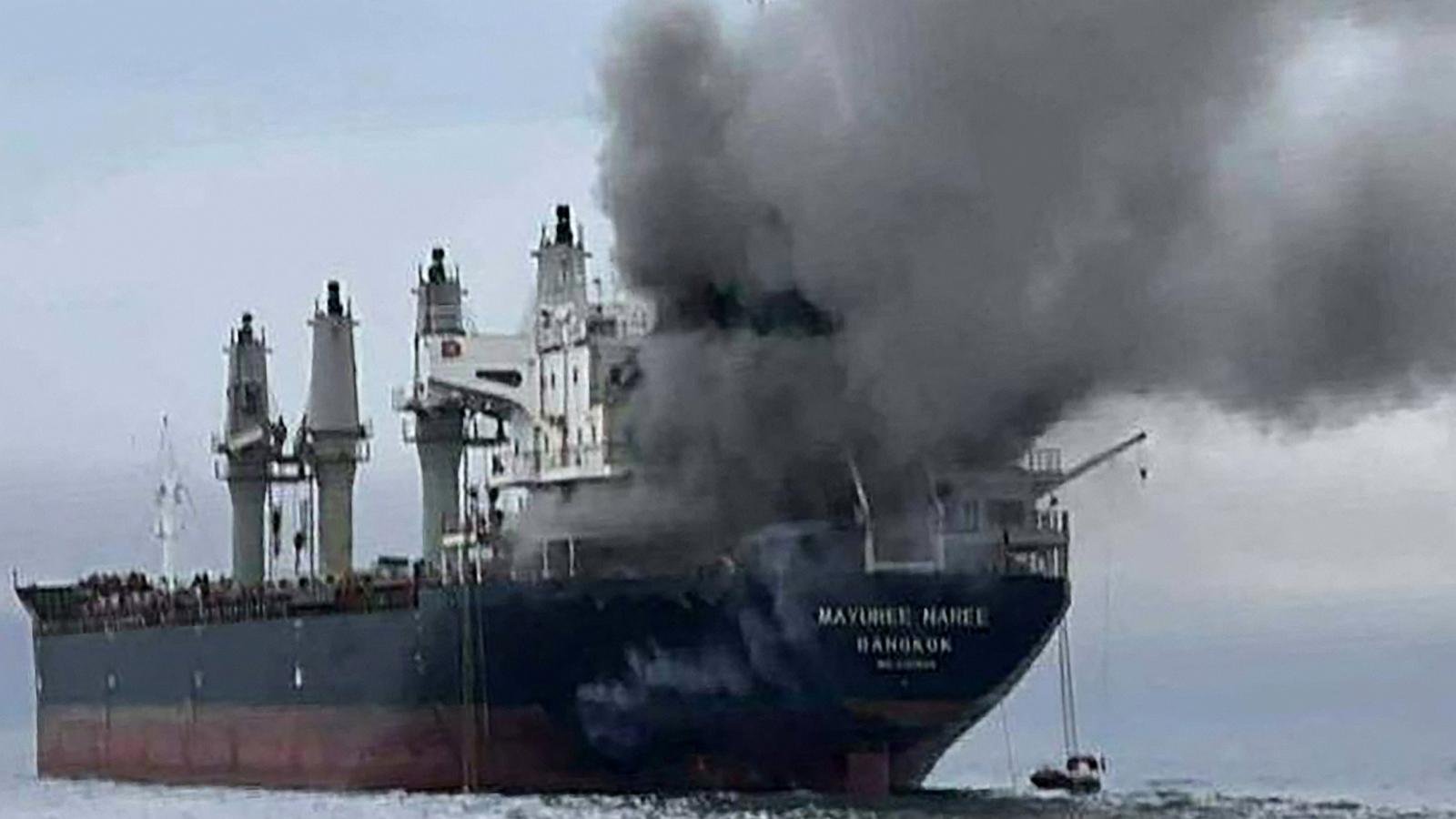
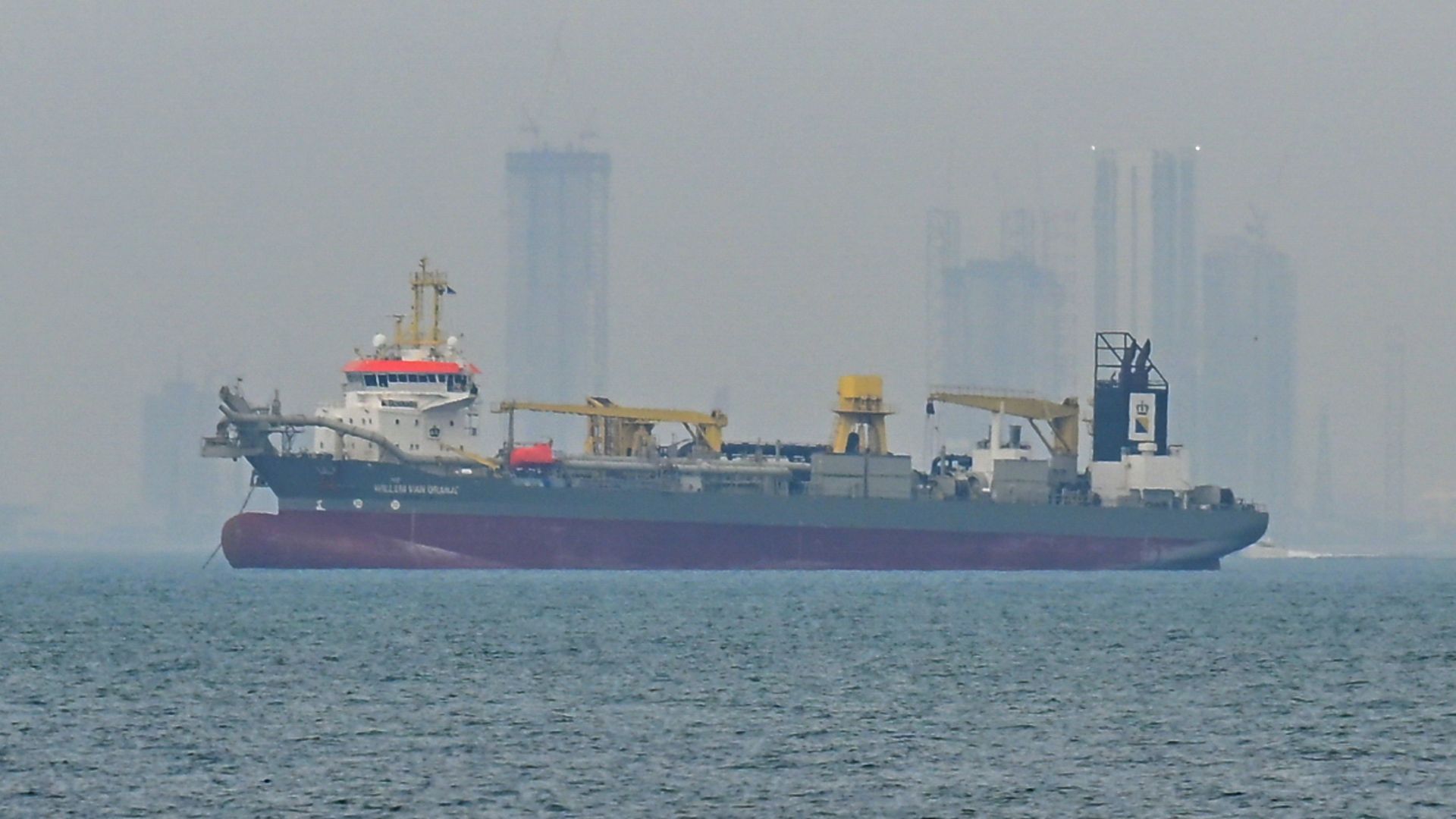
The escalating military conflict in the Persian Gulf has created a critical supply chain crisis directly impacting cross-border e-commerce sellers' operational costs and delivery timelines. With oil prices climbing above $100 per barrel (up 38 cents weekly, 64 cents monthly) and the Strait of Hormuz—through which 20% of global oil normally transits—virtually closed due to security concerns, sellers face immediate pressure on shipping expenses, fuel surcharges, and logistics capacity. The conflict has damaged 14 merchant vessels, blockaded hundreds of ships, and prompted the US to release 172 million barrels from the Strategic Petroleum Reserve to manage price volatility.
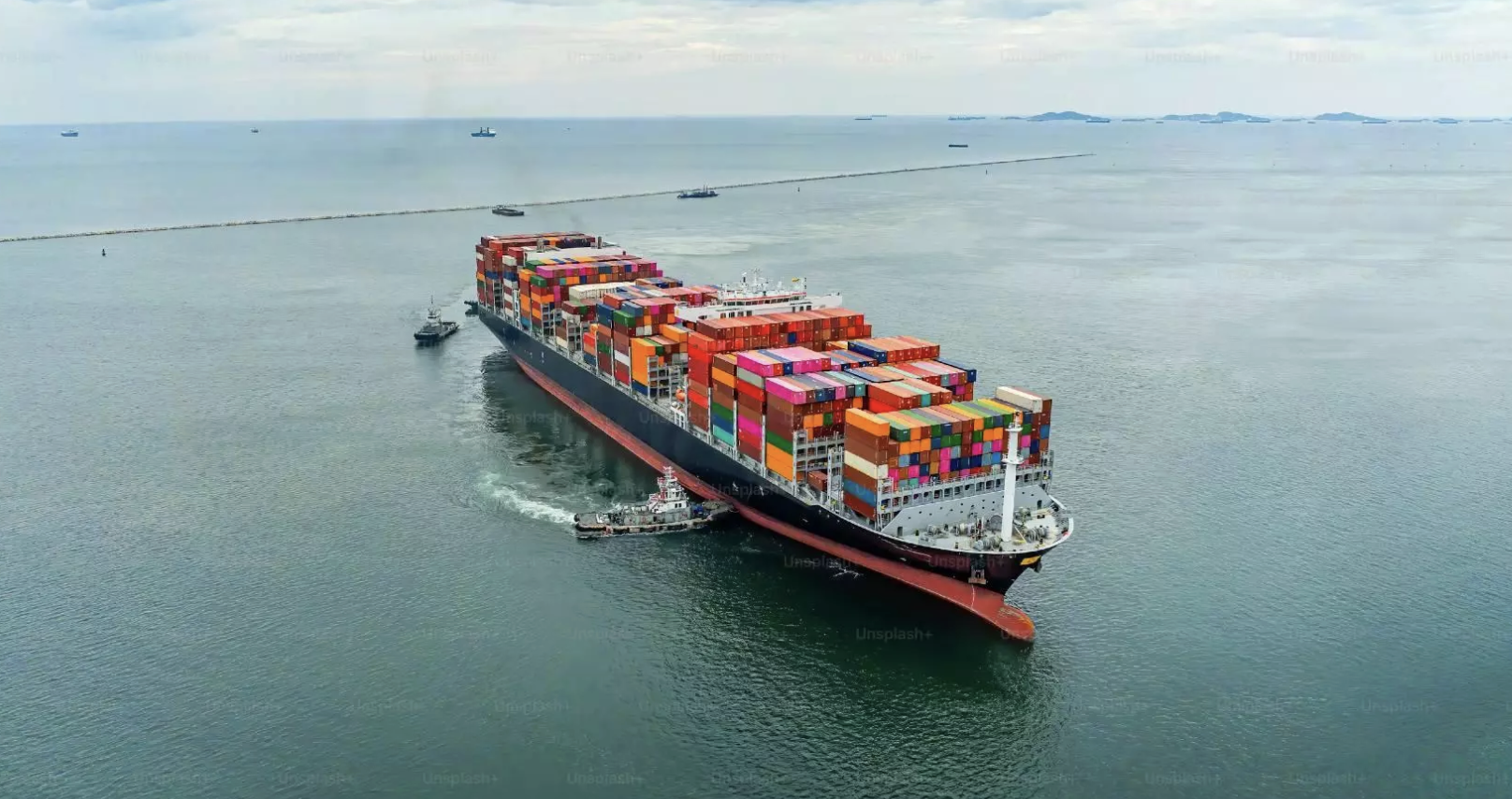
For e-commerce sellers, this translates to measurable cost increases across fulfillment channels. Amazon FBA sellers shipping via ocean freight can expect 15-25% increases in per-unit logistics costs within 30-60 days as carriers pass through fuel surcharges and rerouting expenses. Sellers utilizing 3PL providers and international fulfillment networks face similar pressures, with some carriers already implementing emergency fuel surcharges (typically 3-8% of base shipping rates). The blockade's impact on container availability and transit times is particularly acute for sellers dependent on Asia-to-Middle East-to-Europe trade corridors, which historically represent 12-18% of cross-border e-commerce volume.
Specific seller segments face differentiated impacts: Small sellers (under 100 units/month) using Fulfillment by Merchant (FBM) with standard shipping see moderate increases of 8-12% in landed costs; mid-market sellers (100-1,000 units/month) using FBA experience 12-18% increases due to heavier reliance on ocean freight; large sellers (1,000+ units/month) with diversified logistics networks can absorb 10-15% increases but face margin compression in price-sensitive categories (electronics, home goods, apparel). Sellers shipping from China, Vietnam, and India to Gulf markets (UAE, Saudi Arabia, Kuwait) face the most acute disruptions, with some routes experiencing 2-3 week delays and 20-30% cost premiums.
The International Energy Agency's recommendation to release 400 million barrels provides temporary price relief, but geopolitical escalation risks suggest sustained volatility through Q4 2024. Sellers in high-margin categories (luxury goods, collectibles, specialty items) can absorb cost increases through pricing adjustments; sellers in competitive, low-margin categories (commodity electronics, basic apparel, home goods) face margin compression of 3-8% unless they rapidly optimize sourcing or reduce inventory velocity.
Questions 8
Which trade routes and sourcing countries are least affected by Strait of Hormuz disruptions?
Sourcing from Mexico, Central America, and India via alternative routes (Panama Canal, Suez Canal) avoids Hormuz exposure. Mexico-to-US routes are unaffected; India-to-Europe via Suez Canal adds 2-3 days but avoids Hormuz risk. Vietnam and Thailand sourcing to US/EU via Pacific routes remains stable. Sellers should consider temporary sourcing diversification: allocate 20-30% of inventory to Mexico or India suppliers to reduce Hormuz-dependent routes. Evaluate landed costs including alternative shipping routes—India-to-Europe via Suez may cost 5-10% more than China-via-Hormuz but provides supply chain resilience. This diversification strategy protects against future geopolitical disruptions while maintaining competitive pricing.
How should sellers adjust pricing strategy during shipping cost volatility?
Implement tiered pricing adjustments based on category margins and price elasticity: (1) High-margin categories (luxury, collectibles): increase prices 5-8% to offset cost increases while maintaining demand; (2) Mid-margin categories (electronics, specialty items): increase 3-5% with promotional support to maintain conversion rates; (3) Low-margin categories (commodity goods): reduce inventory velocity or shift to higher-margin variants rather than raising prices. Use Amazon Seller Central's dynamic pricing tools or third-party repricing software to adjust prices daily based on shipping cost changes. Test price increases on 10-20% of inventory first to measure elasticity before full rollout. Communicate shipping delays transparently in product listings to manage customer expectations and reduce returns.