



Stagflation Crisis Reshapes E-Commerce Margins | Sellers Face 8-15% Logistics Cost Surge
- Iran tensions trigger 30% oil spike, apparel tariffs hit 1.3% monthly, consumer spending weakens as 92K jobs lost


























Overview
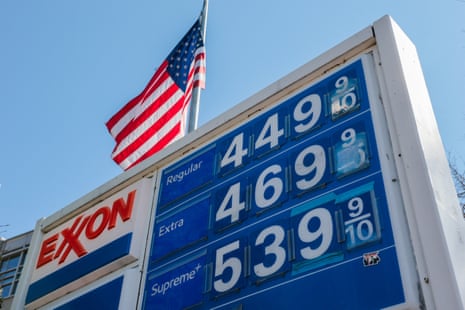
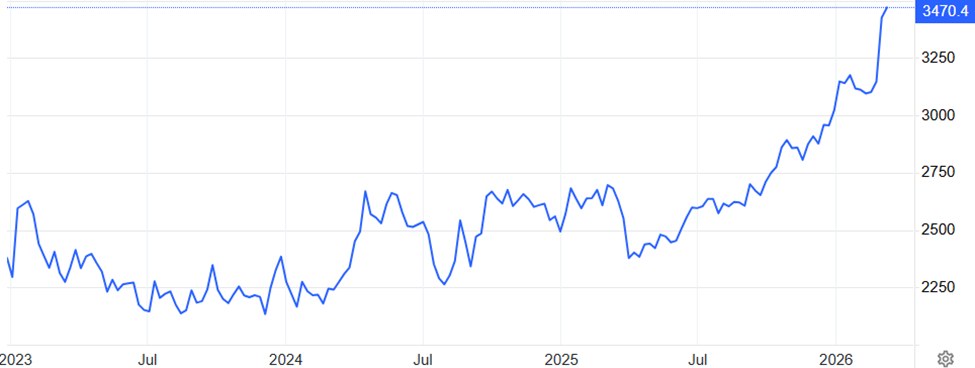
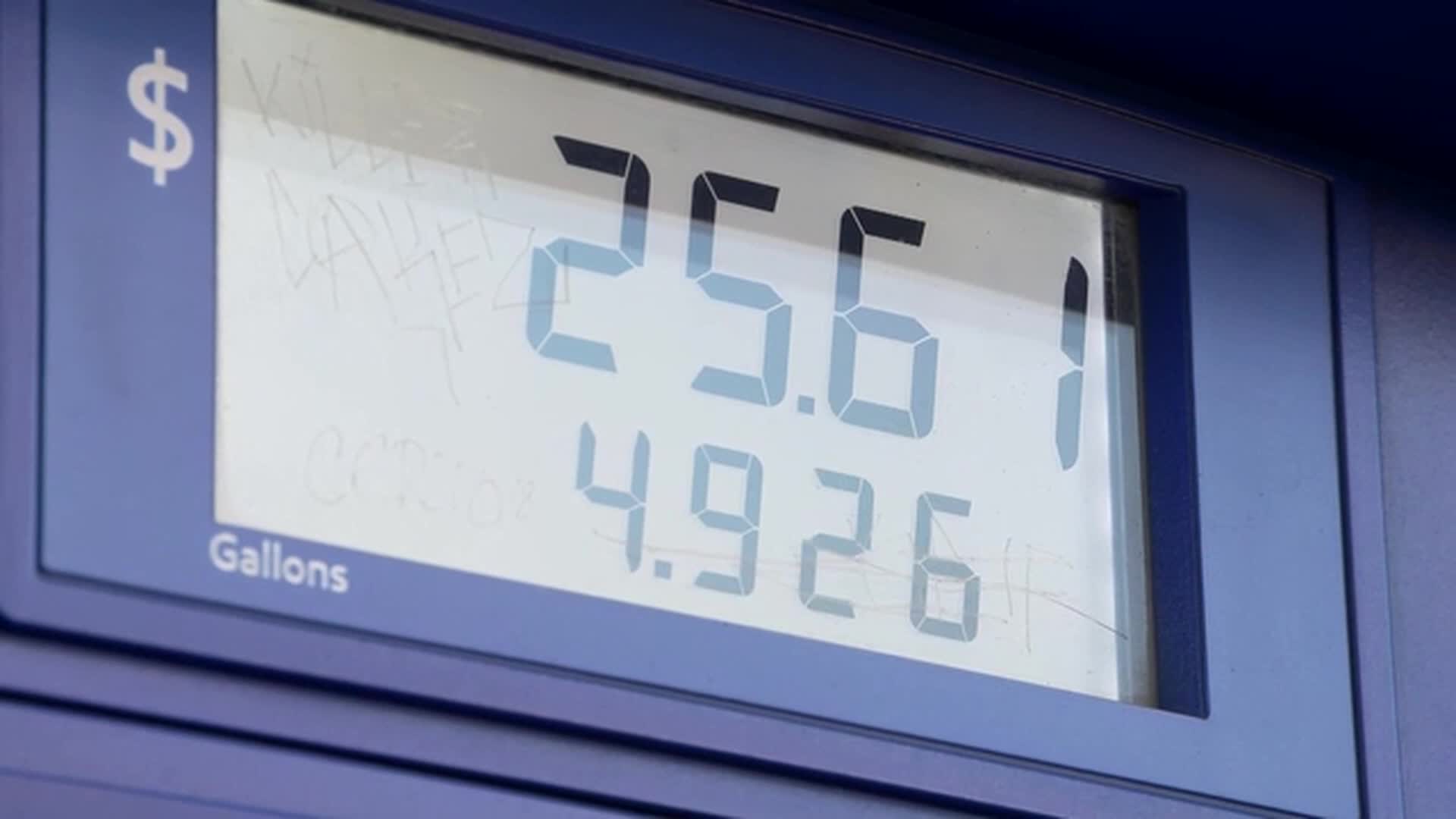
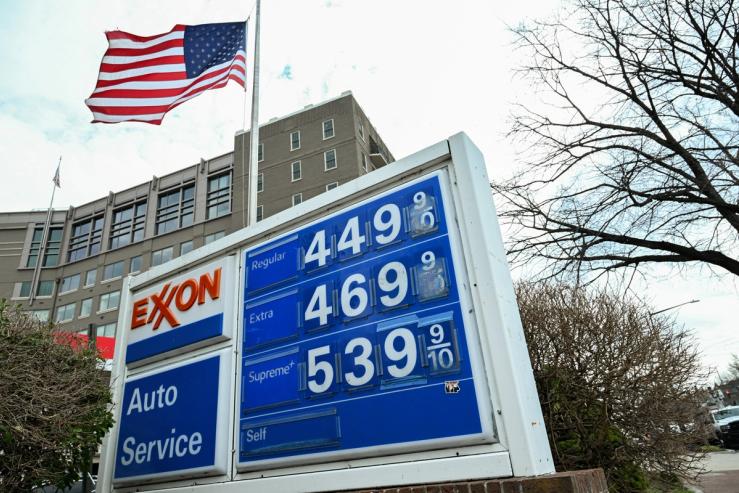
The convergence of geopolitical tensions, tariff pressures, and labor market weakness is creating a critical profitability crisis for cross-border e-commerce sellers in March-April 2026. Following Iran-U.S. escalations beginning February 28, oil prices surged 30% with gasoline reaching $3.58/gallon on March 5—up 64 cents in one month—while the Strait of Hormuz shutdown threatens one-fifth of global oil supply. This energy shock arrives atop existing tariff pressures: apparel prices jumped 1.3% monthly in February (largest increase since September 2018), signaling tariff-driven cost inflation already embedded in goods categories. The U.S. economy simultaneously weakened with 92,000 jobs lost in February, revised downward by 69,000 for prior months, creating potential stagflation conditions that threaten consumer spending.
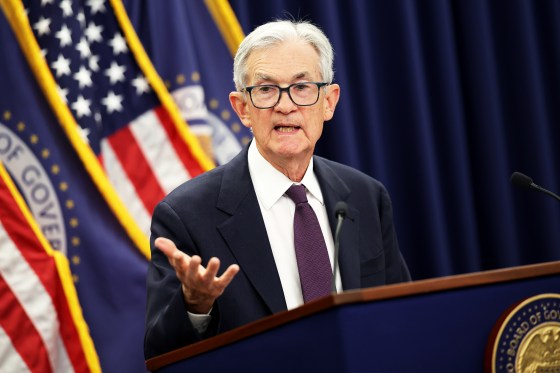
For sellers, the operational impact is immediate and severe. Logistics costs are rising across all channels: air freight premiums are escalating due to fuel surcharges, ocean shipping faces route disruptions and alternative-corridor premiums, and ground transportation costs climb with gasoline prices. Food and beverage sellers face compounding pressure from Strait of Hormuz fertilizer supply disruptions, with agricultural input costs expected to spike significantly. The Federal Reserve's March 18 decision to hold rates at 3.5-3.75% (with zero probability of cuts before June) means working capital financing costs remain elevated, directly impacting inventory purchasing power for small and medium sellers. Chief economist Joe Brusuelas projects headline inflation climbing to 3% in March and 3.5%+ in April—a reversal of late-2024 disinflationary trends that will compress margins across categories.
Tariff uncertainty compounds the crisis. The Supreme Court's constitutional ruling against many Trump tariffs leaves $175 billion in potential refunds at stake, creating pricing paralysis. Sellers cannot confidently adjust prices upward without risking demand destruction, yet cannot absorb 8-15% logistics cost increases without margin compression. Consumer spending faces additional headwinds: tax refunds tracking $30 billion above last year but $70 billion below Trump administration projections, reducing discretionary purchasing power. The International Energy Agency's release of 400 million barrels from strategic reserves provides temporary relief, but duration of Middle East tensions remains uncertain. Sellers reliant on air freight (electronics, apparel, time-sensitive goods) face the steepest cost increases, while those with 60+ day lead times can partially mitigate through sourcing adjustments. The timing window for repricing and inventory rebalancing is 2-3 weeks before March CPI data crystallizes inflation expectations and consumer behavior shifts.
Questions 8
How much will shipping costs increase for e-commerce sellers due to oil price surge?
Shipping costs are rising 8-15% across logistics channels due to the 30% oil price spike and $3.58/gallon gasoline (up 64 cents in one month). Air freight faces immediate fuel surcharges of 12-18%, while ocean shipping experiences 5-8% increases from route disruptions and alternative-corridor premiums. Ground transportation costs climb with fuel prices. For sellers shipping 1,000+ units monthly via FBA, this translates to $200-400 additional monthly costs depending on product weight and destination zone. The impact is most severe for time-sensitive categories (electronics, apparel, perishables) reliant on air freight, where surcharges compound existing tariff pressures.
How does the Federal Reserve's rate hold affect seller financing and inventory purchasing?
The Fed's March 18 decision to maintain rates at 3.5-3.75% with zero probability of cuts before June means working capital financing costs remain elevated. Small and medium sellers relying on inventory financing face sustained borrowing costs of 8-12% annually, reducing purchasing power for inventory restocking. With headline inflation projected to climb to 3% in March and 3.5%+ in April, real borrowing costs (nominal minus inflation) remain compressed, but absolute financing expenses don't decline. Sellers should prioritize cash-on-hand inventory purchases over financed purchases, and consider shifting 20-30% of inventory to 3PL providers to reduce working capital requirements.