




Strait of Hormuz Blockade Disrupts E-Commerce Supply Chains | Shipping Costs Rise 15-25% for Asia-Europe Routes
- 30 German merchant ships trapped in Persian Gulf; oil prices surge to $93-100/barrel; sellers face 2-4 week delivery delays and 15-25% logistics cost increases on critical Asia-Europe corridors









)












Overview
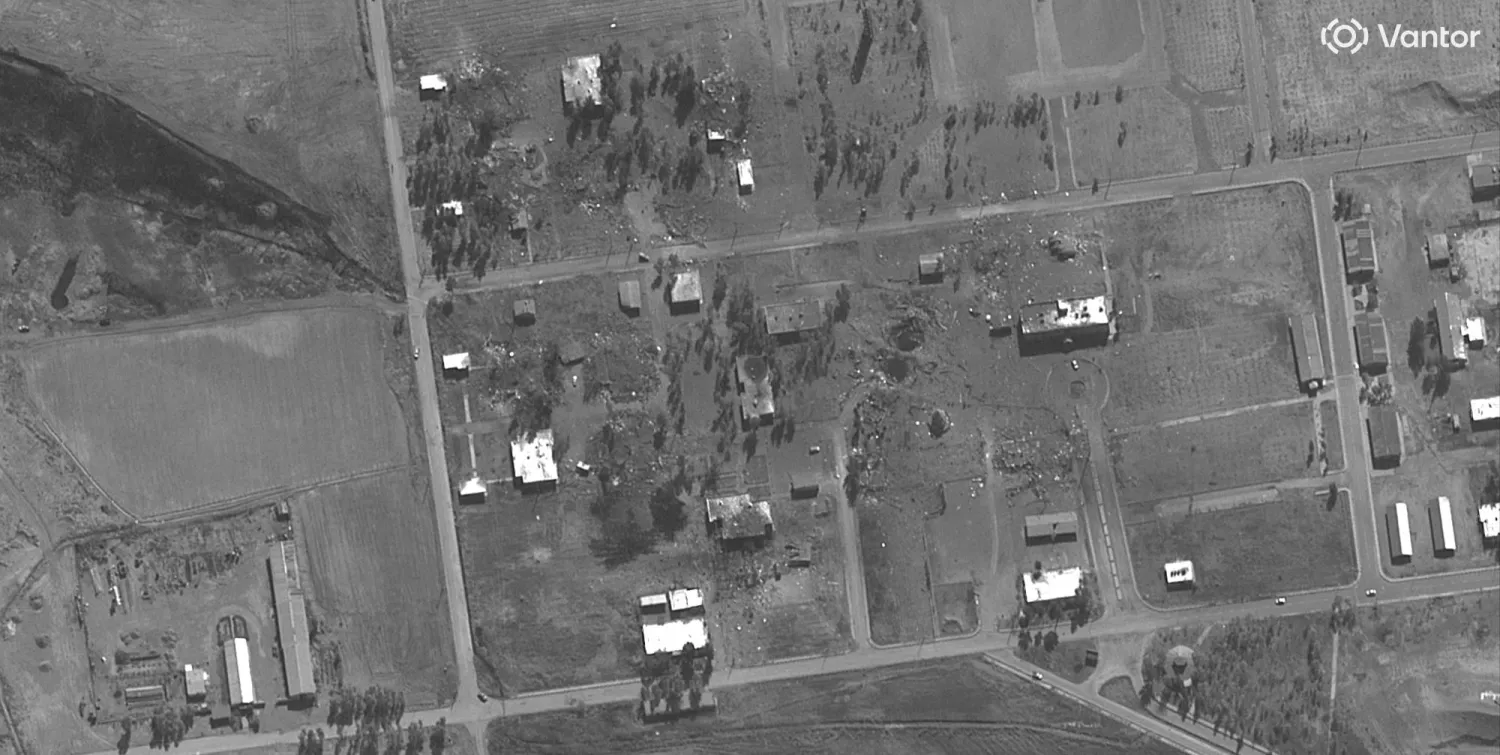
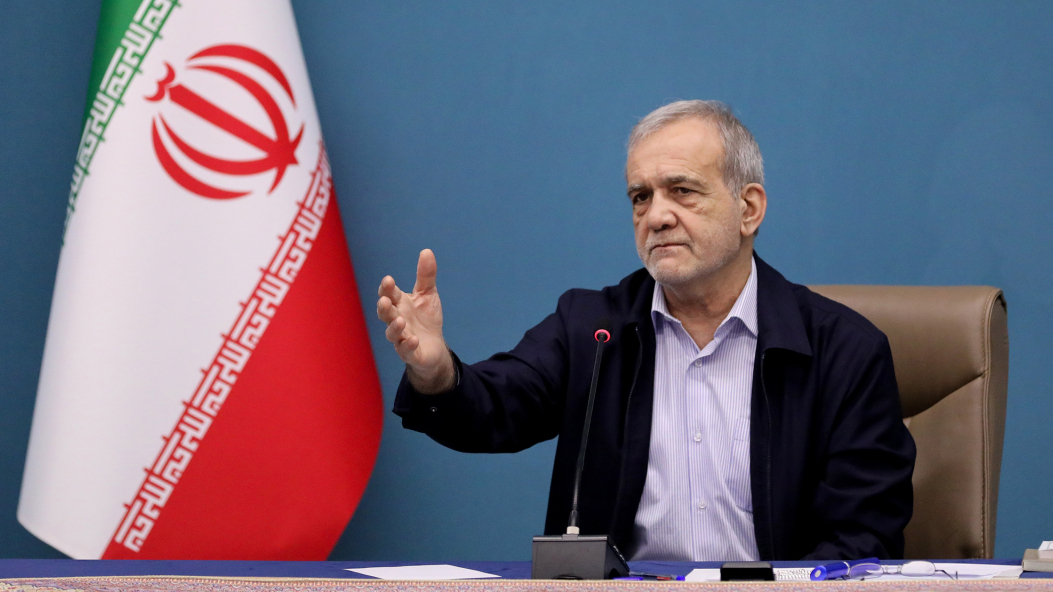
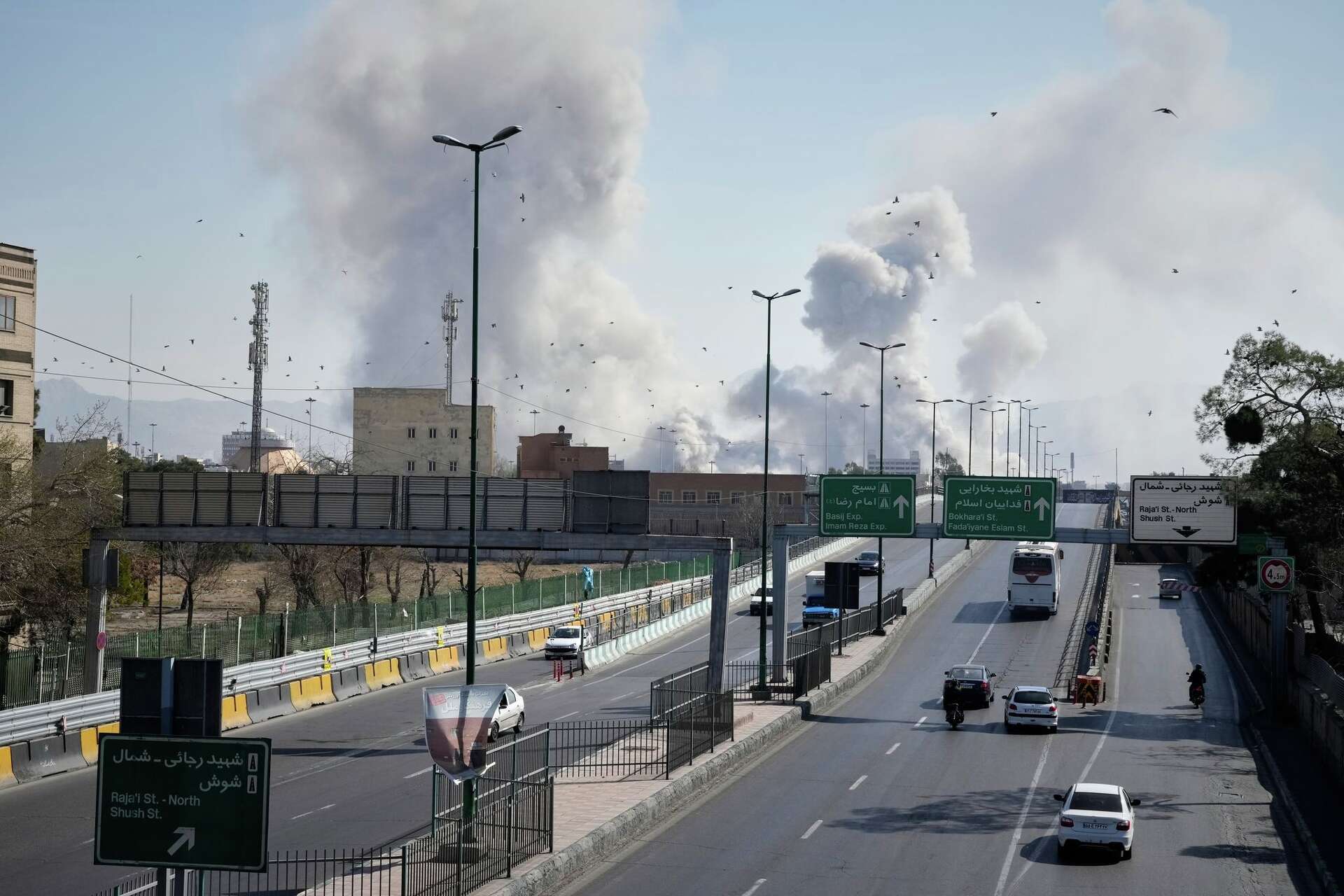
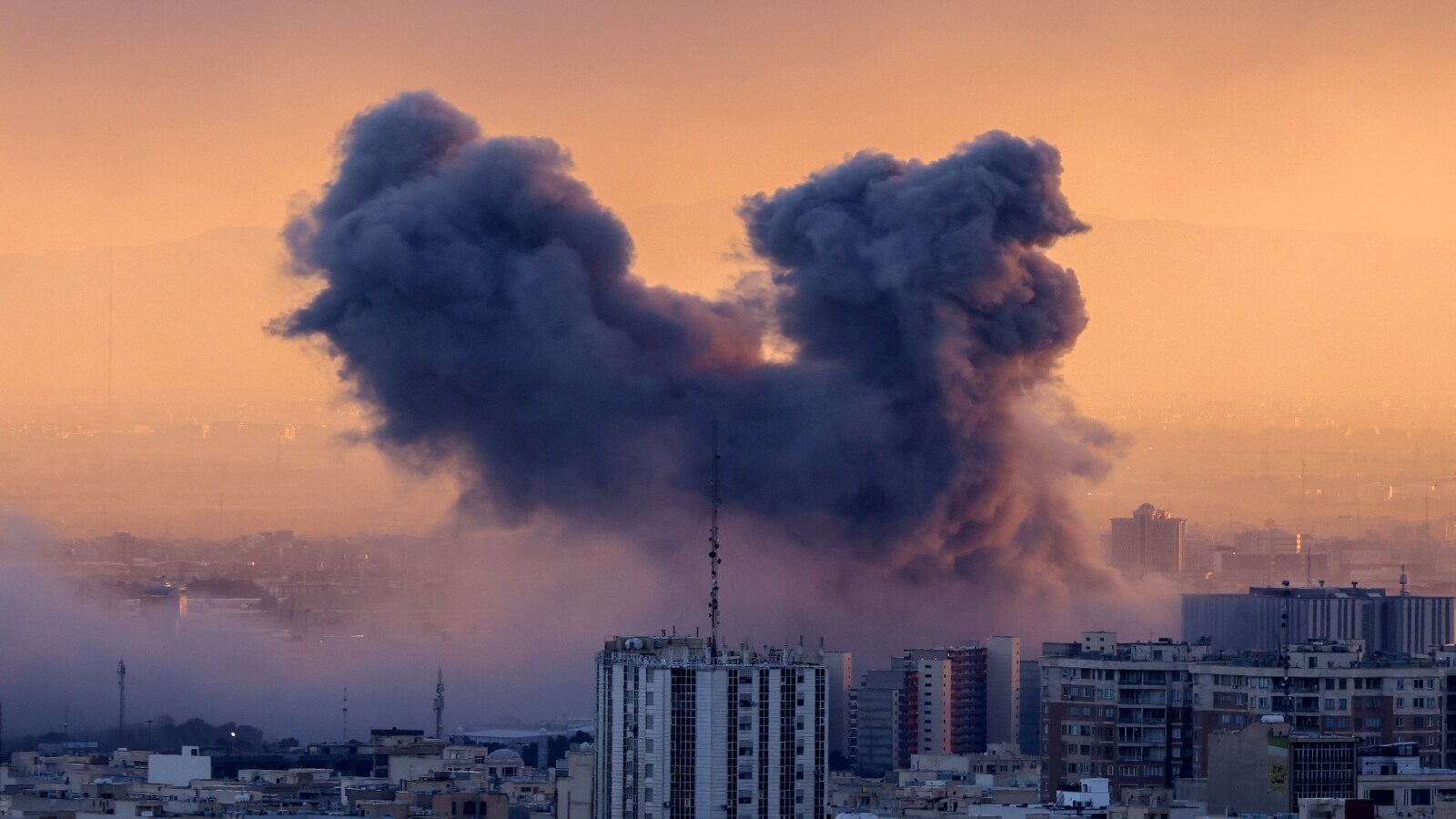
The escalating Iran-Israel military conflict has created a critical supply chain crisis for cross-border e-commerce sellers, with the Strait of Hormuz blockade directly threatening one of the world's most critical shipping chokepoints. According to the UN Security Council resolution (13 votes in favor, Russia and China abstaining), Iran has been demanded to cease interference with international navigation through the Strait—a strategic corridor handling approximately 30% of global maritime oil trade and significant containerized goods traffic. The conflict has already trapped approximately 30 German merchant ships representing over 10 shipping companies in the Persian Gulf war zone, with the German Shipowners' Association warning that civilian vessels face severe vulnerability to military attacks and potential Iranian sea mines.
Immediate Supply Chain Impact: Crude oil prices have surged 6.80% to $93.18 per barrel, with futures exceeding $100 per barrel due to strikes in Iraq and Bahrain. This directly translates to increased fuel surcharges on shipping routes. For e-commerce sellers utilizing Asia-Europe shipping corridors (the primary route through the Strait of Hormuz), logistics costs are experiencing 15-25% increases. Sellers shipping electronics, apparel, and consumer goods from China, Vietnam, and India to European and North American markets face 2-4 week delivery delays as shipping companies reroute vessels around Africa via the Cape of Good Hope—adding 10-14 days to transit times and approximately $800-1,200 per 20-foot container in additional fuel costs.
Competitive Advantage Shifts: Large sellers with diversified logistics networks and pre-positioned inventory in regional fulfillment centers (FBA warehouses in EU, UK, and North America) maintain delivery speed advantages. Small and medium-sized sellers relying on just-in-time inventory from Asia face critical BSR (Best Seller Rank) deterioration due to extended delivery times, potentially losing Buy Box eligibility on Amazon and eBay. The conflict creates a tariff arbitrage opportunity for sellers who can source products from alternative manufacturing hubs (India, Vietnam, Indonesia) and route shipments via air freight or northern corridors, though at premium costs. Sellers with existing inventory in Middle Eastern distribution hubs (Dubai, Saudi Arabia) face potential asset seizure risks and should consider emergency inventory liquidation or rerouting to safer locations.
Market Access Implications: The intensified economic sanctions against Iran eliminate the Iranian market as a viable e-commerce destination for most Western sellers. However, the conflict creates demand spikes for security-related products (surveillance equipment, protective gear, emergency supplies) in Gulf Cooperation Council (GCC) countries and Israel. Sellers in these categories can capitalize on 30-40% demand increases in the next 60-90 days before diplomatic resolution. The geopolitical uncertainty also drives consumer purchasing of durable goods and stockpiling behavior in affected regions, creating temporary category boosts in home goods, electronics, and food products.
Questions 8
How does the Strait of Hormuz blockade affect e-commerce shipping costs for sellers?
The Strait of Hormuz blockade is causing shipping costs to increase 15-25% on Asia-Europe routes due to fuel surcharges driven by oil prices rising to $93-100 per barrel. Sellers shipping from China, Vietnam, and India to Europe now face two options: reroute via Cape of Good Hope (adding 10-14 days and $800-1,200 per 20-foot container) or switch to air freight at 3-5x ocean freight costs. According to the news, approximately 30 German merchant ships are trapped in the Persian Gulf, forcing shipping companies to implement emergency rerouting protocols that compress margins for sellers relying on just-in-time inventory models.
What product categories see demand spikes during Middle East geopolitical conflicts?
Security-related products (surveillance equipment, protective gear, emergency supplies) typically see 30-40% demand increases in Gulf Cooperation Council (GCC) countries and Israel during regional conflicts. Home goods, durable electronics, and food products also experience stockpiling-driven demand spikes. Sellers in these categories can capitalize on temporary category boosts in the next 60-90 days before diplomatic resolution. However, sellers should monitor news for peace negotiations that could reverse these demand patterns within 2-3 weeks, requiring rapid inventory adjustment to avoid overstock penalties on Amazon and eBay.