



Strait of Hormuz Shipping Crisis Triggers 15-25% Logistics Cost Surge for Cross-Border Sellers
- Brent crude surges to $100.52/barrel as Iran attacks disrupt Asia-Europe trade routes; fuel surcharges expected to increase $150-400/month for mid-size sellers























Overview
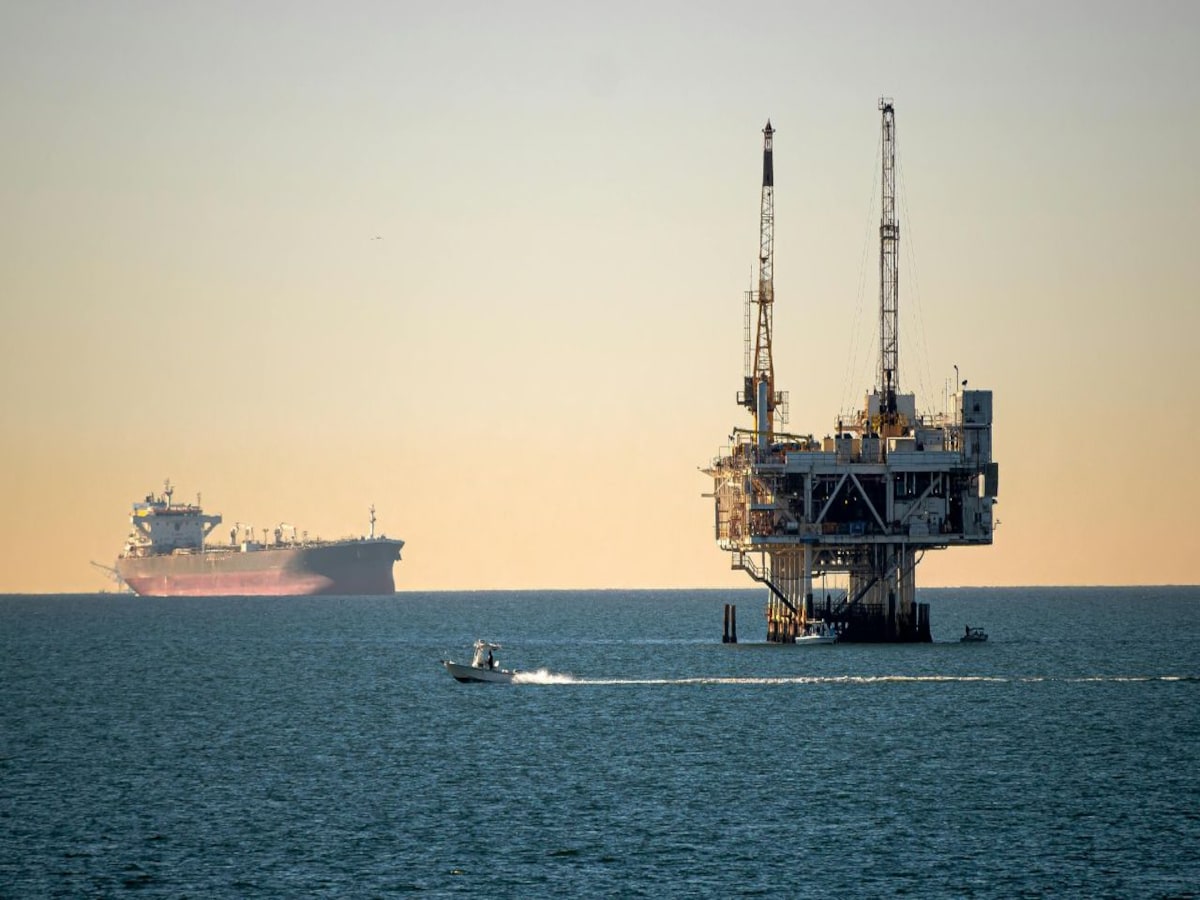
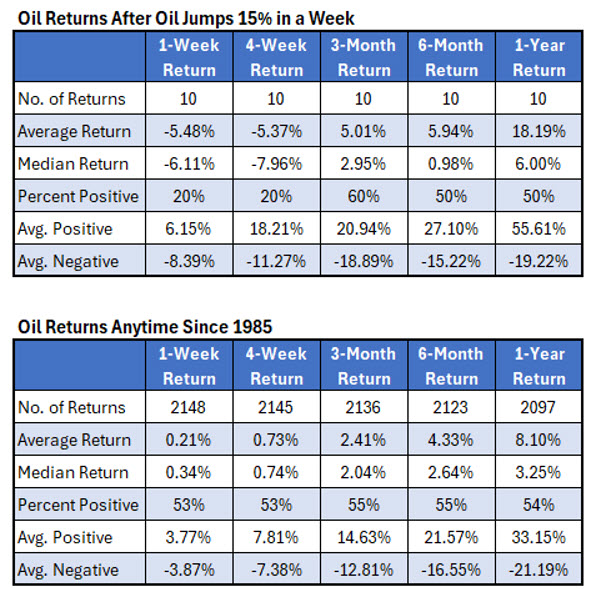
The Critical Shipping Disruption: On March 11-12, 2026, geopolitical tensions in the Middle East created the largest oil supply disruption in global market history, directly impacting cross-border e-commerce logistics costs. The International Energy Agency reported that Iran's attacks on cargo ships transiting the Strait of Hormuz—a critical chokepoint handling approximately 21% of global petroleum trade—triggered a cascade of supply shocks. Brent crude oil surpassed $100 per barrel ($100.52 by 11 p.m. ET on March 11), with West Texas Intermediate trading at $95.12, representing the first time crude exceeded $100 since 2022. Despite a coordinated 400 million barrel release from strategic petroleum reserves (172 million from the U.S. Strategic Petroleum Reserve alone), oil prices continued climbing as traders focused on physical barrel movement through compromised shipping lanes rather than mere supply availability.
Direct Seller Impact - Logistics Cost Escalation: For cross-border e-commerce sellers, this crisis translates into immediate and sustained cost pressures. Rising crude oil prices directly increase fuel surcharges on international shipments, with logistics providers typically passing these costs to sellers within 7-14 days. Mid-size sellers shipping 1,000-5,000 units monthly via ocean freight can expect fuel surcharge increases of $150-400/month, while air freight users face even steeper increases of $300-800/month. The Strait of Hormuz closure creates supply chain delays extending 2-4 weeks beyond normal transit times, directly affecting seller ratings on Amazon, eBay, and Shopify as delivery promises slip. Small and medium-sized sellers with gross margins of 25-35% face particular vulnerability—a $200 monthly fuel surcharge increase on 500 units represents a 1.2-1.6% margin compression, forcing difficult choices between absorbing costs or raising prices and losing competitiveness. The IEA slashed its 2025 oil-supply growth forecast from 2.4 million to 1.1 million barrels per day, with March supply expected at 98.8 million barrels per day (lowest since Q1 2022), signaling sustained elevated prices through at least Q2 2026.
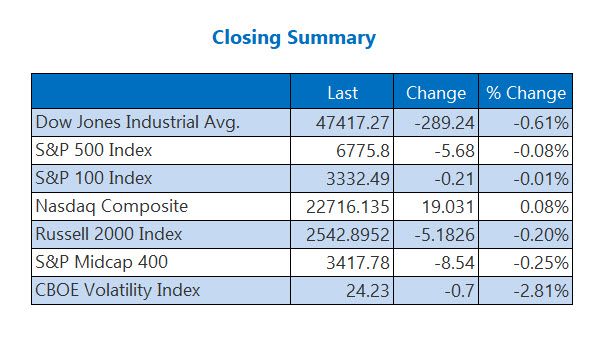
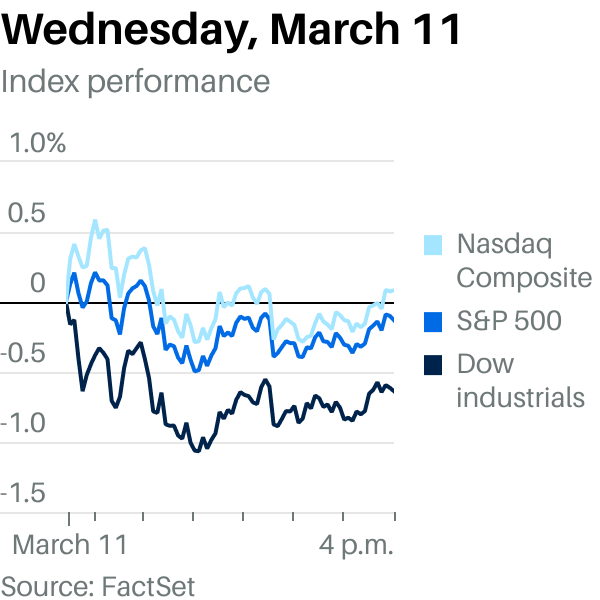
Tariff Uncertainty Compounds Logistics Pressure: News reports indicate the Trump administration simultaneously launched new tariff investigations targeting industrial capacity and forced-labor regulations across 16 major trading partners, potentially replacing temporary 10% global duties with permanent tariffs. This dual pressure—shipping disruptions plus tariff uncertainty—creates operational paralysis for sellers dependent on Middle Eastern routes or fuel-intensive logistics. Oxford Economics analysts noted that sustained oil prices around $100/barrel remain manageable, but prices reaching $140 could trigger mild recessions in parts of the economy, dampening consumer spending and reducing demand for discretionary e-commerce categories. The broader market uncertainty, reflected in VIX volatility at 25.73 and Dow futures down 561 points (1.2%), suggests currency exchange rate volatility will increase cross-border transaction costs by 2-4% as traders reassess Federal Reserve rate cut expectations (Goldman Sachs pushed back rate cut forecasts from June to September).
Questions 7
What shipping alternatives can reduce fuel surcharge exposure?
Three primary alternatives exist: (1) Rail freight through Central Asia (20-30% cheaper than air, 5-7 day transit vs. 2-3 days), suitable for non-perishable goods with flexible delivery windows; (2) Alternative ocean routes via Suez Canal instead of Strait of Hormuz (adds 3-5 days but avoids geopolitical risk premium); (3) Nearshoring to Mexico or Central America for North American sellers (reduces fuel costs 40-50% vs. Asia sourcing). Evaluate each option's cost-benefit: rail saves $100-200/container but extends transit 10-14 days; Suez routing adds $50-150/container but maintains 25-30 day transit. For sellers with inventory flexibility, consider pre-positioning stock in regional fulfillment centers (Amazon FBA Europe, FBA Japan) to reduce reliance on long-haul ocean freight during this crisis period.
How will currency volatility from market uncertainty affect my margins?
Market volatility (VIX at 25.73, Dow futures down 1.2%) typically increases currency exchange rate swings by 2-4% as traders reassess Federal Reserve rate cut expectations. For sellers with costs in Chinese yuan or Indian rupees and revenue in USD/EUR, this creates margin compression. A 3% USD strengthening against CNY reduces sourcing costs by 3% but also reduces revenue if you price in local currencies. Implement currency hedging strategies: (1) lock in exchange rates 30-60 days forward using forward contracts through your bank; (2) price products in USD/EUR rather than local currencies to shift FX risk to customers; (3) maintain 10-15% cash reserves in foreign currencies to capitalize on favorable exchange rate movements. Monitor Federal Reserve rate cut expectations weekly—Goldman Sachs' shift from June to September rate cuts suggests USD strength will persist through Q2 2026.