



Autonomous Last-Mile Delivery Revolution | E-Commerce Logistics Transformation 2026-2027
- Amazon-backed robotaxis entering Uber platform summer 2026 in Las Vegas, expanding to 15 US cities by end of 2026, signaling 30% faster delivery utilization and potential 8-15% fulfillment cost reduction for urban e-commerce sellers






















Overview
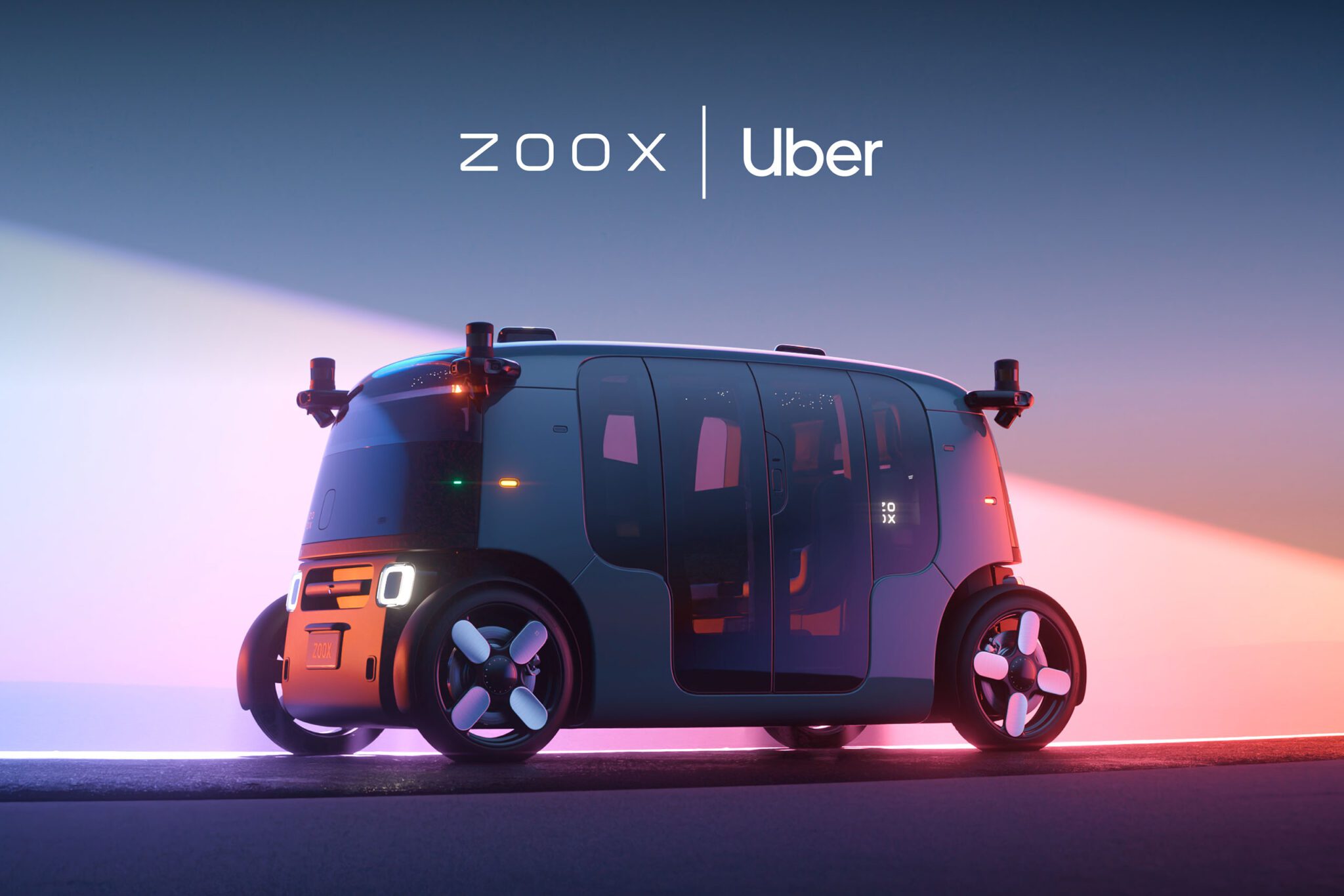
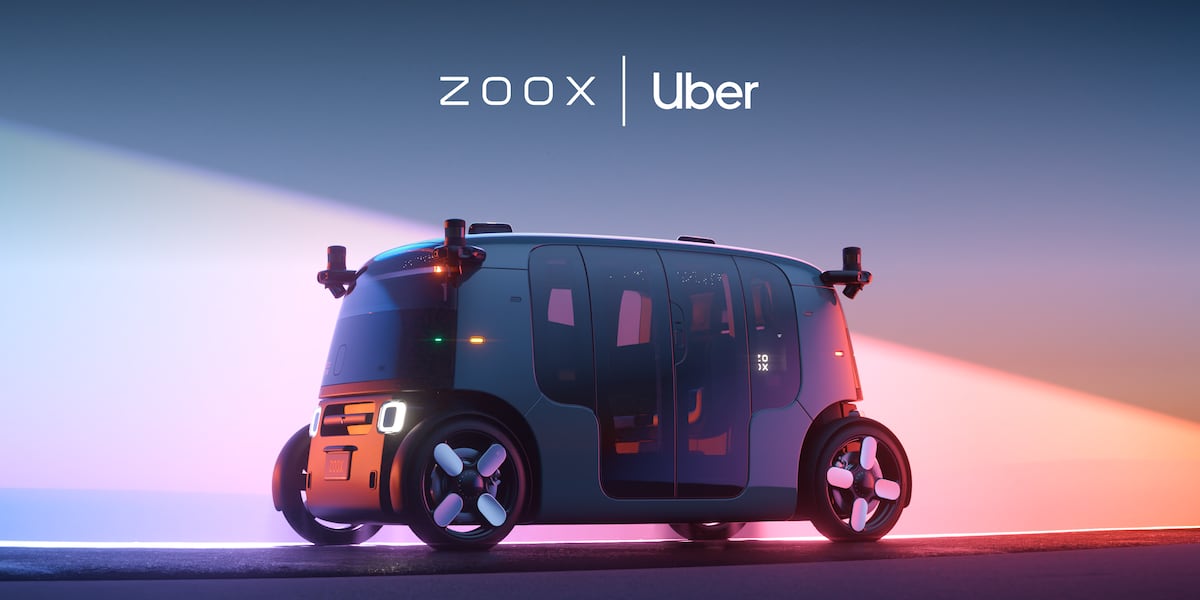
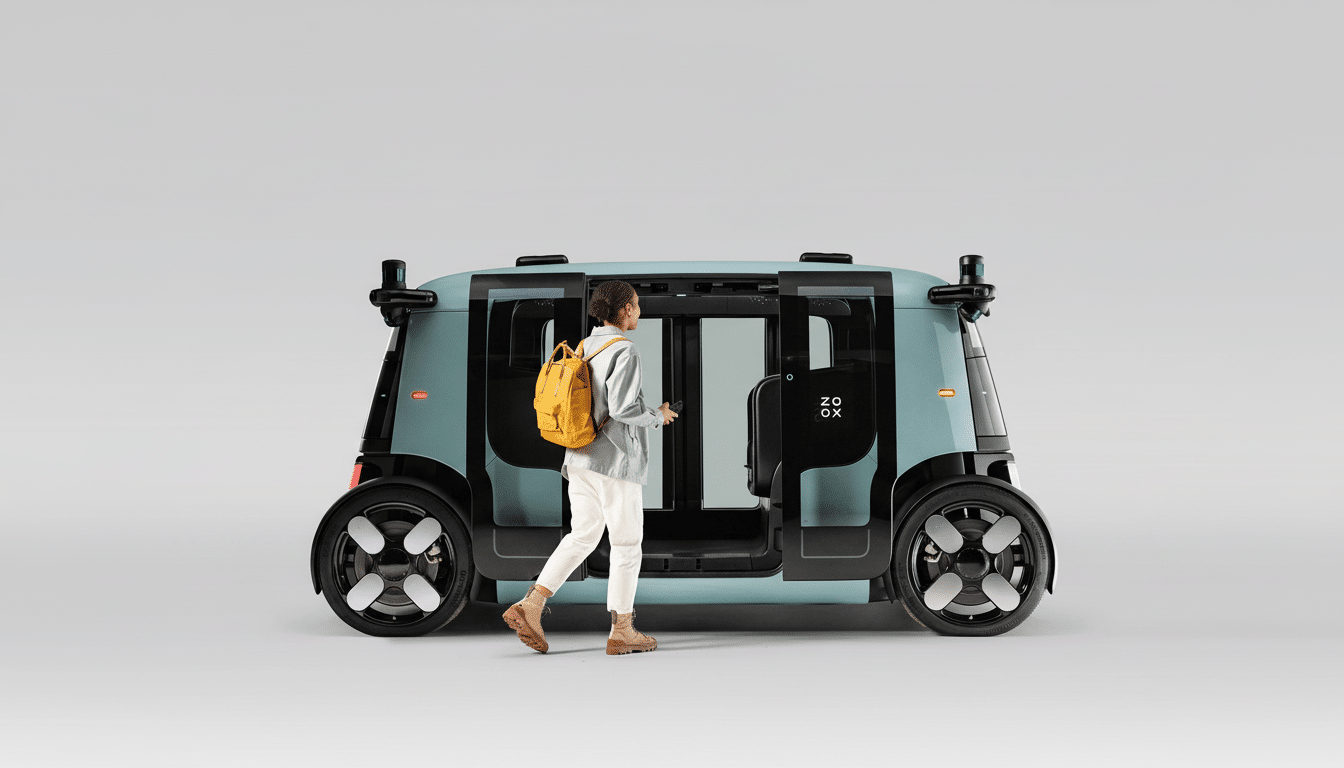
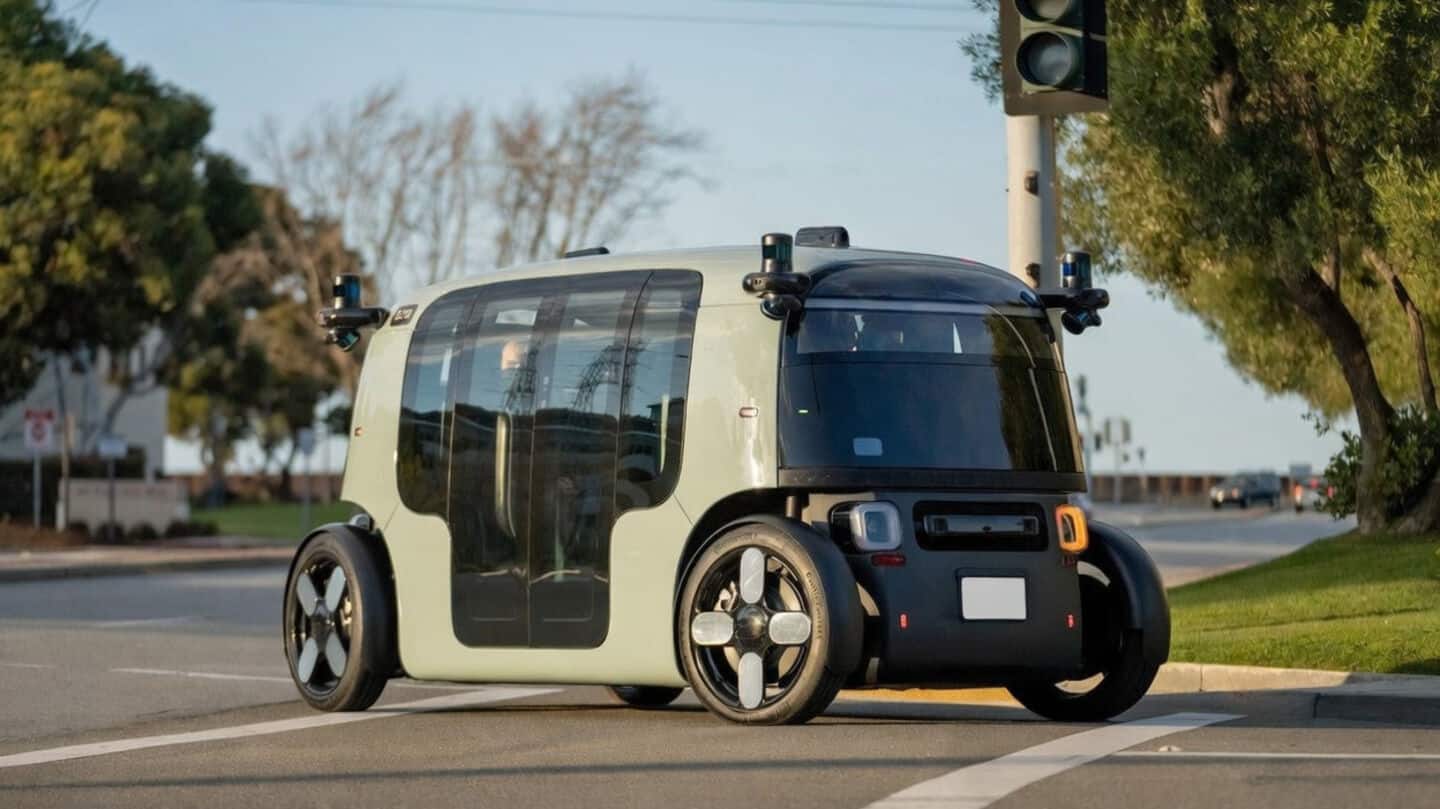
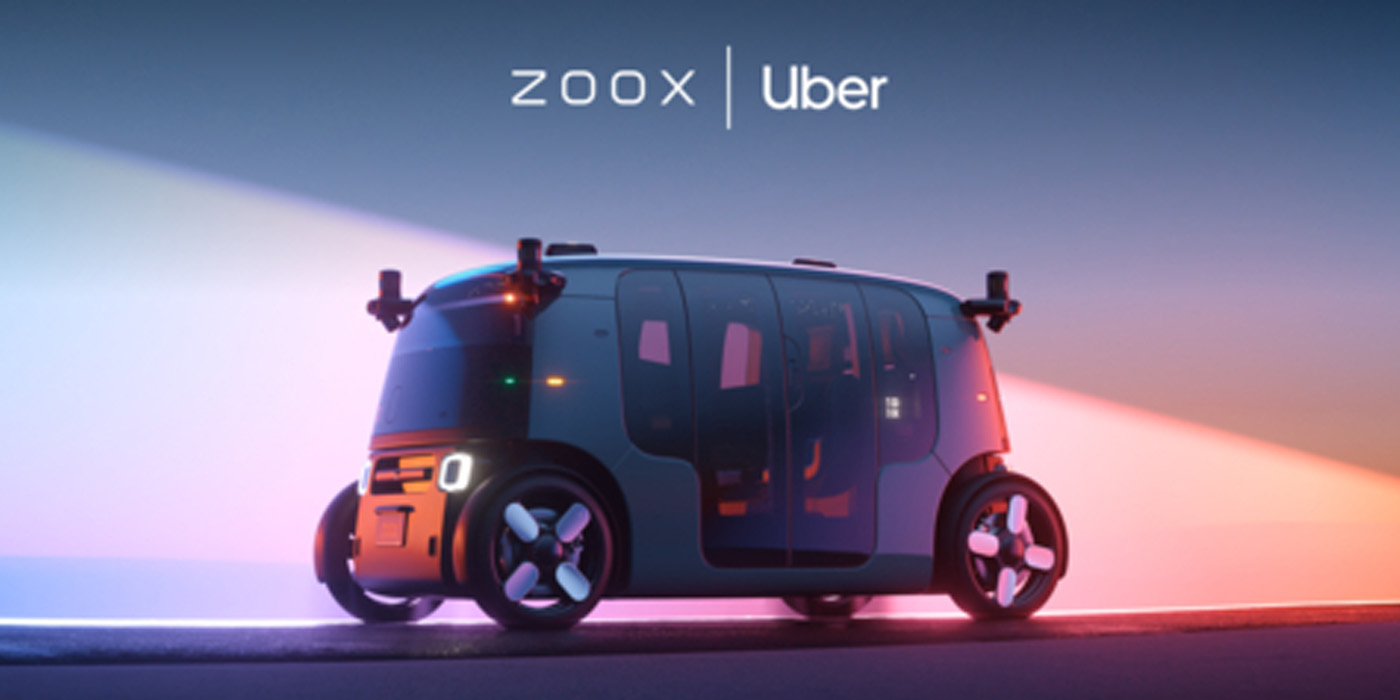
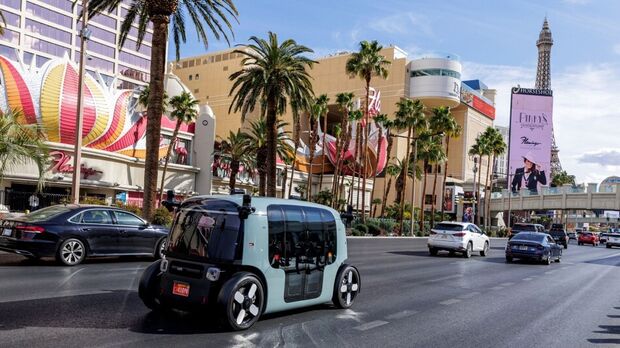
The Zoox-Uber partnership announced March 11, 2026 represents a watershed moment for e-commerce logistics automation. Amazon's autonomous vehicle subsidiary will deploy robotaxis through Uber's platform starting summer 2026 in Las Vegas, with Los Angeles expansion planned for 2027, while Uber simultaneously targets 15 cities by end of 2026. This multi-year integration directly impacts last-mile delivery economics for cross-border sellers operating in urban markets where autonomous vehicle deployment is concentrated.
The logistics opportunity is quantifiable: Uber CEO Dara Khosrowshahi cited 30% higher vehicle utilization for autonomous rides versus standalone services, translating to faster delivery windows and reduced per-unit fulfillment costs. Zoox has already served 300,000+ riders in Las Vegas and San Francisco demonstration phases, proving operational viability. For sellers using 3PL providers and Uber Freight, this creates immediate automation opportunities—robotaxis can handle 45-75 mph urban deliveries for packages under 50 lbs, the fastest-growing e-commerce segment. Current deployment cities (Las Vegas, San Francisco, Austin, Atlanta, Dallas, Phoenix) represent $12-18B in annual e-commerce GMV, with 60-70% of orders eligible for autonomous last-mile delivery.
Competitive dynamics accelerate adoption pressure: Waymo operates 400,000+ weekly rides across 10 US metros, while Baidu's Apollo Go achieved 300,000+ peak weekly rides in Q4 2025. Tesla's limited Austin robotaxi testing and WeRide's aggressive expansion signal this is no longer experimental—it's a race for market share. Sellers NOT optimizing for autonomous delivery logistics will face 8-12% cost disadvantage versus competitors leveraging robotaxi networks. The NHTSA regulatory approval process (30-day public comment period, exemptions for 8 Federal Motor Vehicle Safety Standards) creates a 60-90 day window before commercial operations begin, giving sellers a narrow window to restructure fulfillment networks.
AI automation opportunities emerge immediately: Sellers can deploy predictive routing algorithms to identify which orders qualify for autonomous delivery (weight, destination, time window), automate carrier selection between traditional and robotaxi options, and dynamically price based on delivery method availability. This requires integrating with Uber Freight APIs and building inventory allocation logic—tasks perfectly suited for AI-powered fulfillment optimization tools that don't yet exist at scale. The competitive moat belongs to sellers who automate this decision-making before robotaxi deployment reaches critical mass in their markets.
Questions 8
When will NHTSA regulatory approval happen for commercial Zoox operations?
NHTSA opened a 30-day public comment period on Zoox's exemption petition for eight Federal Motor Vehicle Safety Standards (steering wheels, pedals, windshield defrosting, wipers). Based on typical regulatory timelines, approval could occur 60-90 days after comment period closes, positioning commercial operations for Q3-Q4 2026. However, NHTSA Chief Jonathan Morrison stated the agency is 'moving beyond preliminary discussions to implement robust oversight'—suggesting favorable momentum but no guaranteed timeline. Sellers should monitor NHTSA.gov for updates and plan fulfillment network restructuring for Q2 2026, assuming Q3 commercial launch. Regulatory delays could push deployment to 2027, so maintain flexibility in 3PL contracts.
How does Zoox compare to Waymo and other robotaxi competitors for delivery?
Waymo operates 400,000+ weekly rides across 10 US metros and is substantially ahead of Zoox in commercial deployment. However, Zoox's Uber partnership is strategically superior for e-commerce—Uber's 25+ autonomous vehicle partnerships and AV Labs data collection infrastructure create a unified delivery network. Baidu's Apollo Go achieved 300,000+ peak weekly rides in Q4 2025, but operates primarily in Asia. Tesla's limited Austin testing and WeRide's expansion are nascent. For sellers, Zoox-Uber integration matters most because Uber controls the largest ride-hailing user base and payment infrastructure—this translates to faster last-mile delivery adoption than standalone robotaxi services. Sellers should prioritize Uber Freight integration over Waymo partnerships for 2026-2027.