



Android AutoFDO Optimization Boosts Mobile Commerce Performance | 4.3x Faster App Launch Times
- Google's kernel-level optimization delivers 4.3x faster cold app launches and extended battery life across Android 15+ devices, directly improving mobile shopping experience and conversion rates for cross-border e-commerce sellers



Overview
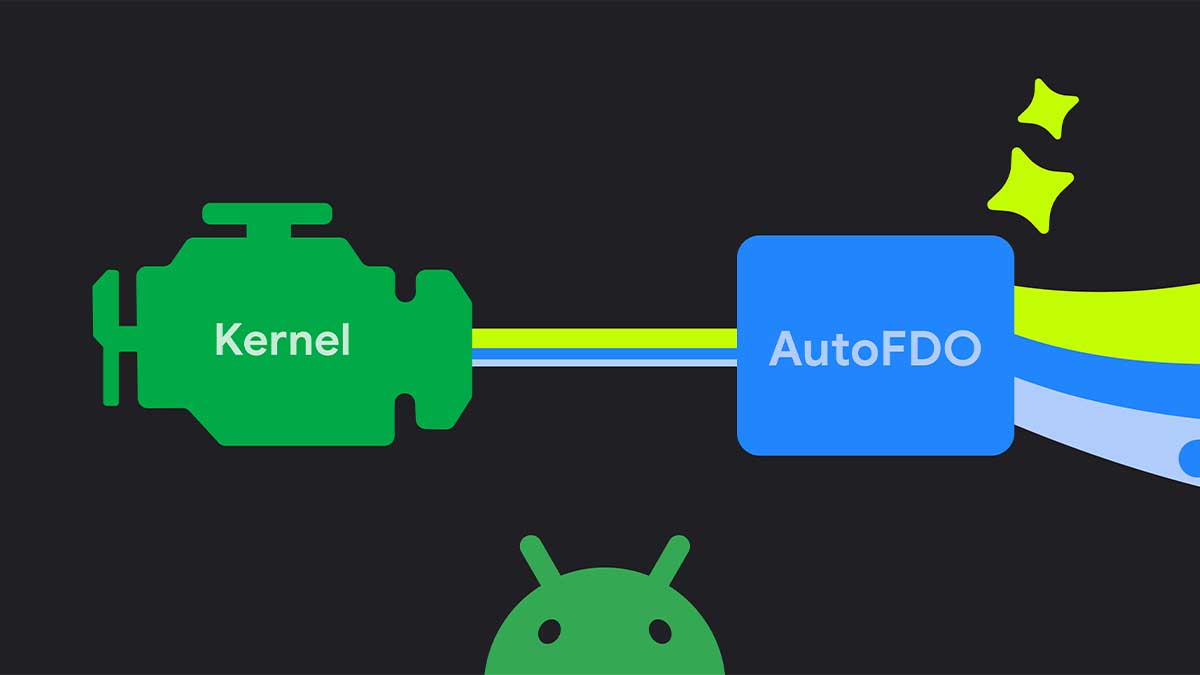
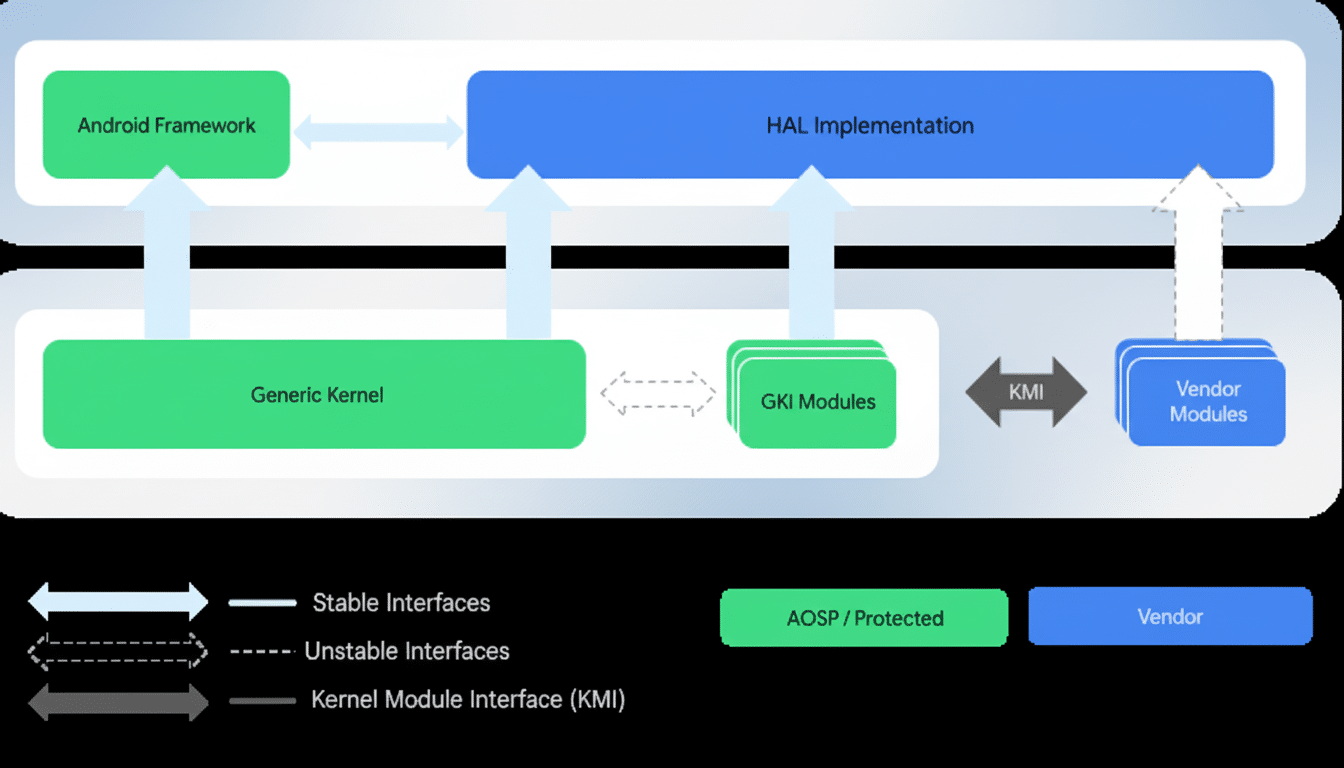
Google's deployment of Automatic Feedback-Directed Optimization (AutoFDO) to the Android kernel represents a fundamental infrastructure improvement with direct implications for e-commerce sellers relying on mobile commerce channels. Announced March 11, 2026, this compiler-level optimization targets Android 15, 16, and upcoming Android 17 kernel versions (android15-6.6, android16-6.12, android17-6.18), affecting millions of devices globally. The technology analyzes real-world execution patterns from the top 100 most popular Android applications to reorganize kernel code for maximum efficiency, since the Android kernel accounts for approximately 40% of CPU time on devices.
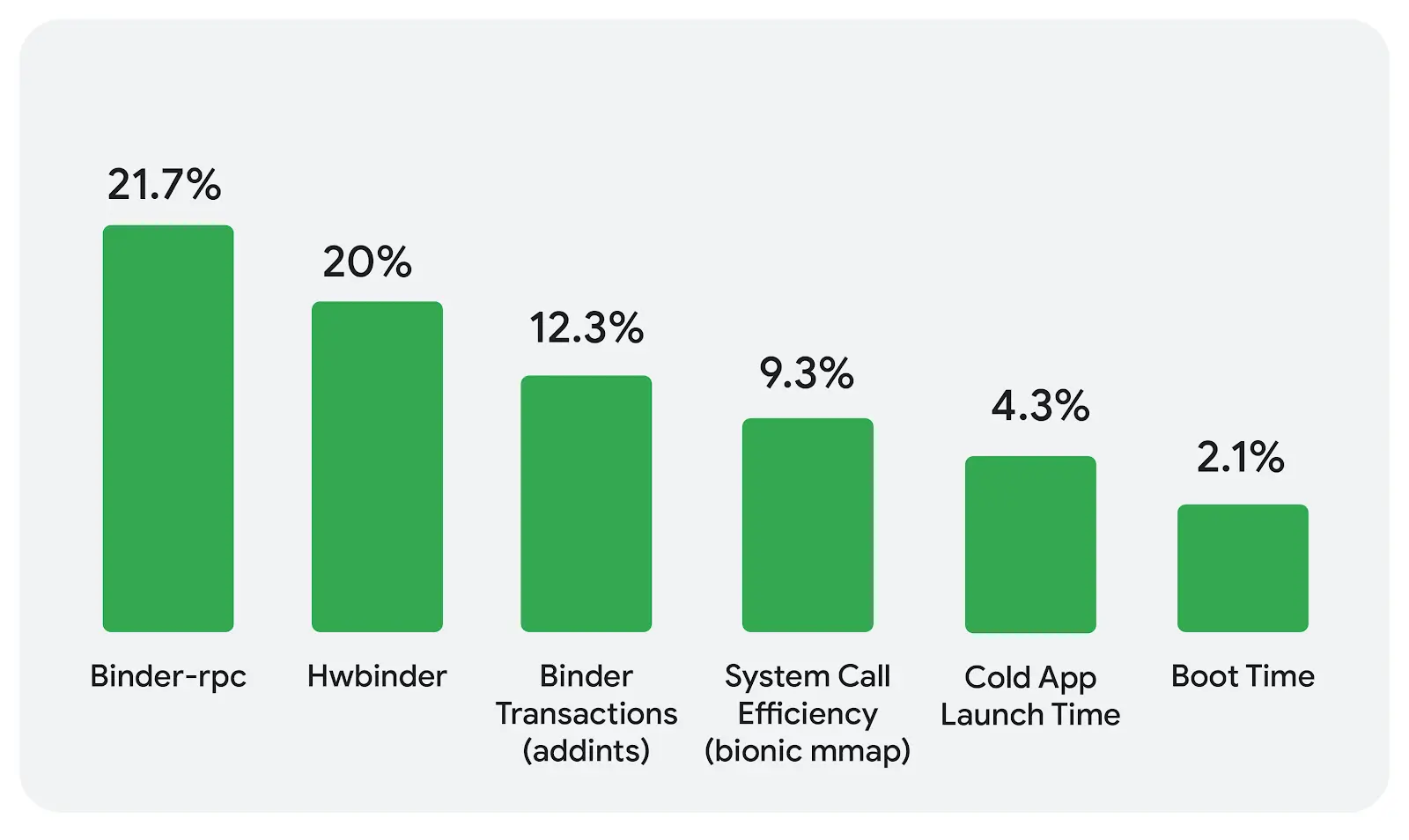
Mobile Commerce Performance Impact: The optimization delivers measurable improvements directly affecting e-commerce user experience: 4.3x faster cold app launch times (when applications are fully closed), 2.1x faster boot times, and 10.5% geometric mean performance uplift across system operations. For cross-border sellers operating mobile commerce platforms, inventory management applications, or customer-facing shopping apps, these improvements translate to reduced cart abandonment rates caused by slow loading times or device lag. Extended battery life encourages longer browsing sessions, increasing customer engagement time on mobile storefronts—a critical metric for conversion optimization.
Regional Market Opportunity: The optimization particularly benefits sellers operating in emerging markets where older or mid-range Android devices remain prevalent. In regions like Southeast Asia, India, and Latin America where device replacement cycles extend 4-5 years, performance gains on legacy hardware create disproportionate user experience improvements. Sellers utilizing Android-based point-of-sale systems, inventory management applications, or customer service platforms will experience improved application responsiveness and reduced battery consumption on customer devices, directly supporting operational efficiency.
Continuous Optimization Roadmap: Google's phased approach indicates ongoing kernel optimization beyond the initial rollout. The company plans to extend AutoFDO to additional system components including hardware drivers for cameras, modems, and device-specific functions. Future Android 17 updates (expected within months) will introduce additional optimizations, establishing a pattern of incremental performance improvements. This continuous enhancement cycle means sellers can expect sustained improvements in application performance across subsequent Android releases without requiring code changes or platform updates.
AI-Powered Optimization Strategy: The AutoFDO implementation demonstrates how data-driven compiler optimization can deliver user-facing benefits without hardware upgrades. Google's approach—analyzing actual user behavior patterns rather than relying on generic optimization rules—mirrors the AI-driven optimization strategies that forward-thinking e-commerce sellers should adopt for their own mobile platforms. The 85% efficiency gain compared to traditional feedback-directed optimization while using sampled data suggests significant ROI potential for sellers implementing similar performance profiling on their mobile commerce applications.
Questions 7
How does AutoFDO benefit sellers in emerging markets?
The optimization particularly impacts emerging markets where older or mid-range Android devices remain prevalent and device replacement cycles extend 4-5 years. In regions like Southeast Asia, India, and Latin America, performance gains on legacy hardware create disproportionate user experience improvements. Sellers utilizing Android-based point-of-sale systems, inventory management applications, or customer-facing mobile platforms will experience improved application responsiveness and reduced battery consumption on customer devices. The extended battery life encourages longer user sessions, directly benefiting sellers relying on mobile commerce channels in price-sensitive markets.
What is the timeline for AutoFDO expansion beyond the kernel?
Google's phased approach indicates ongoing optimization beyond the initial kernel rollout. The company intends to extend AutoFDO to additional system components and hardware drivers for cameras, modems, and other device-specific functions. Android 17 is expected within months of the March 2026 announcement, with plans for additional optimizations in future updates. This continuous enhancement cycle means sellers can expect sustained improvements in application performance across subsequent Android releases without requiring code changes or platform updates to their mobile commerce applications.