



Fertilizer Crisis Reshapes Global Food Supply | E-Commerce Seller Impact 2026
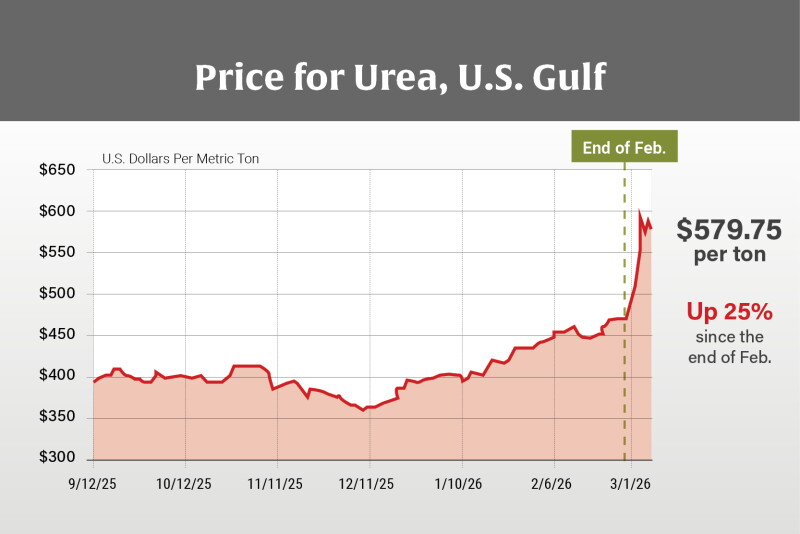
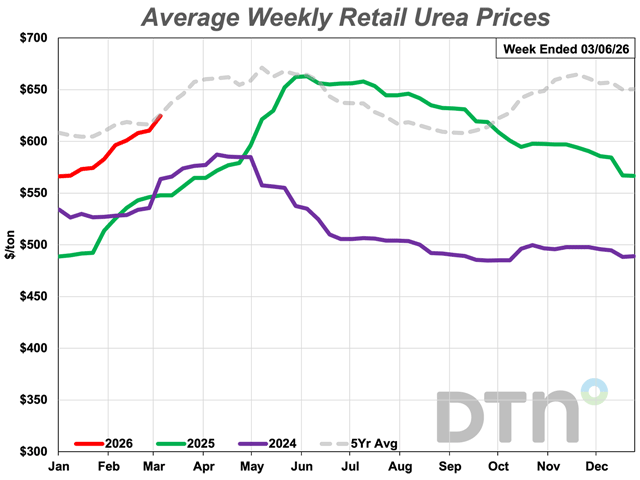
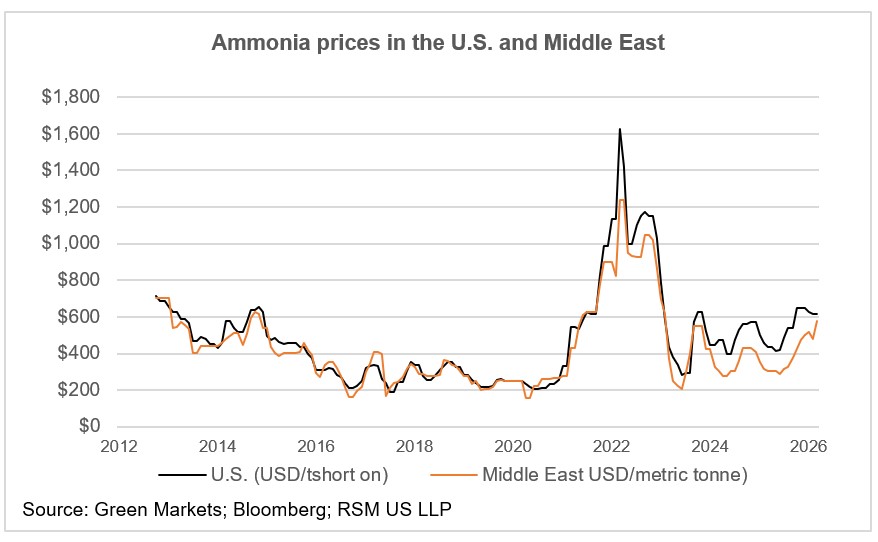
- Urea/ammonia prices surge 40-60% before spring planting; sellers in food, agriculture, and commodity categories face 15-25% margin compression within 8-12 weeks














Overview
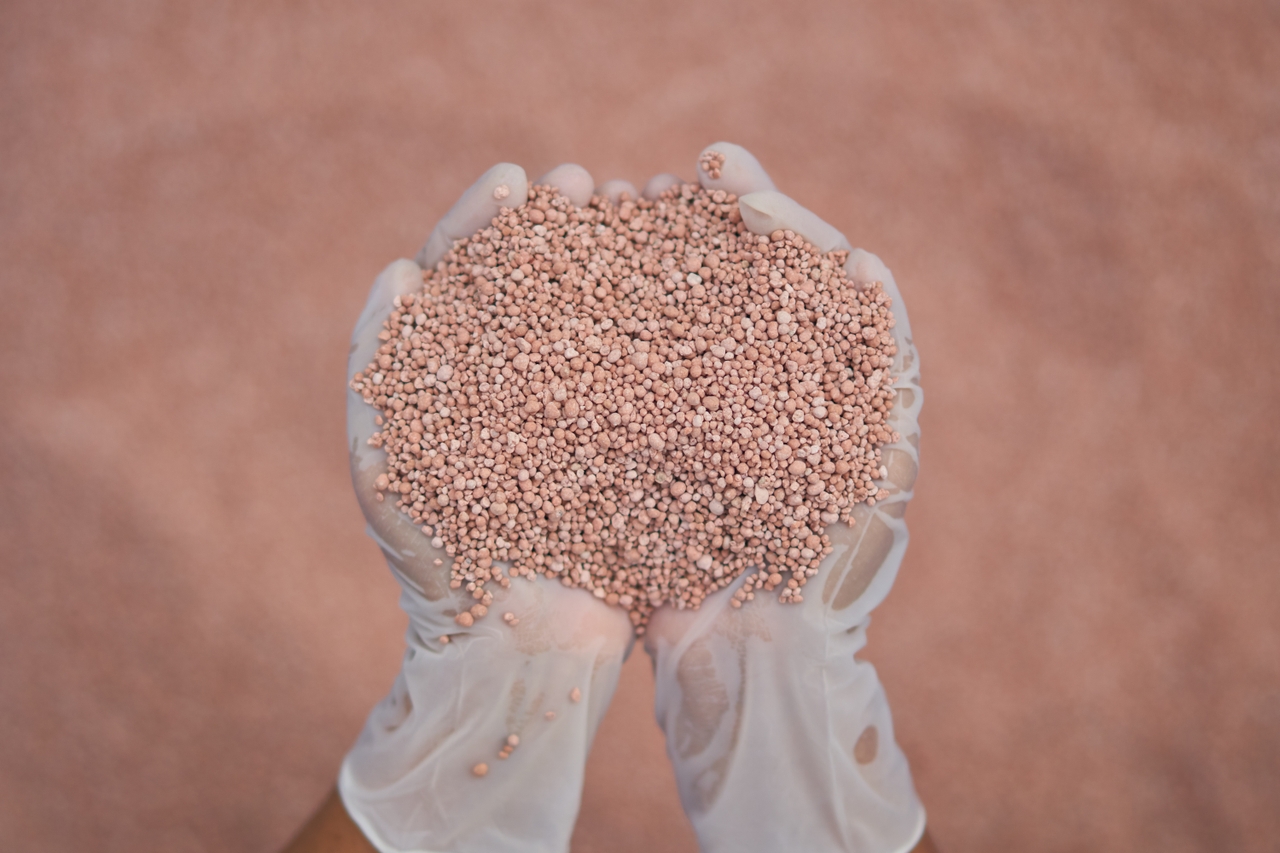
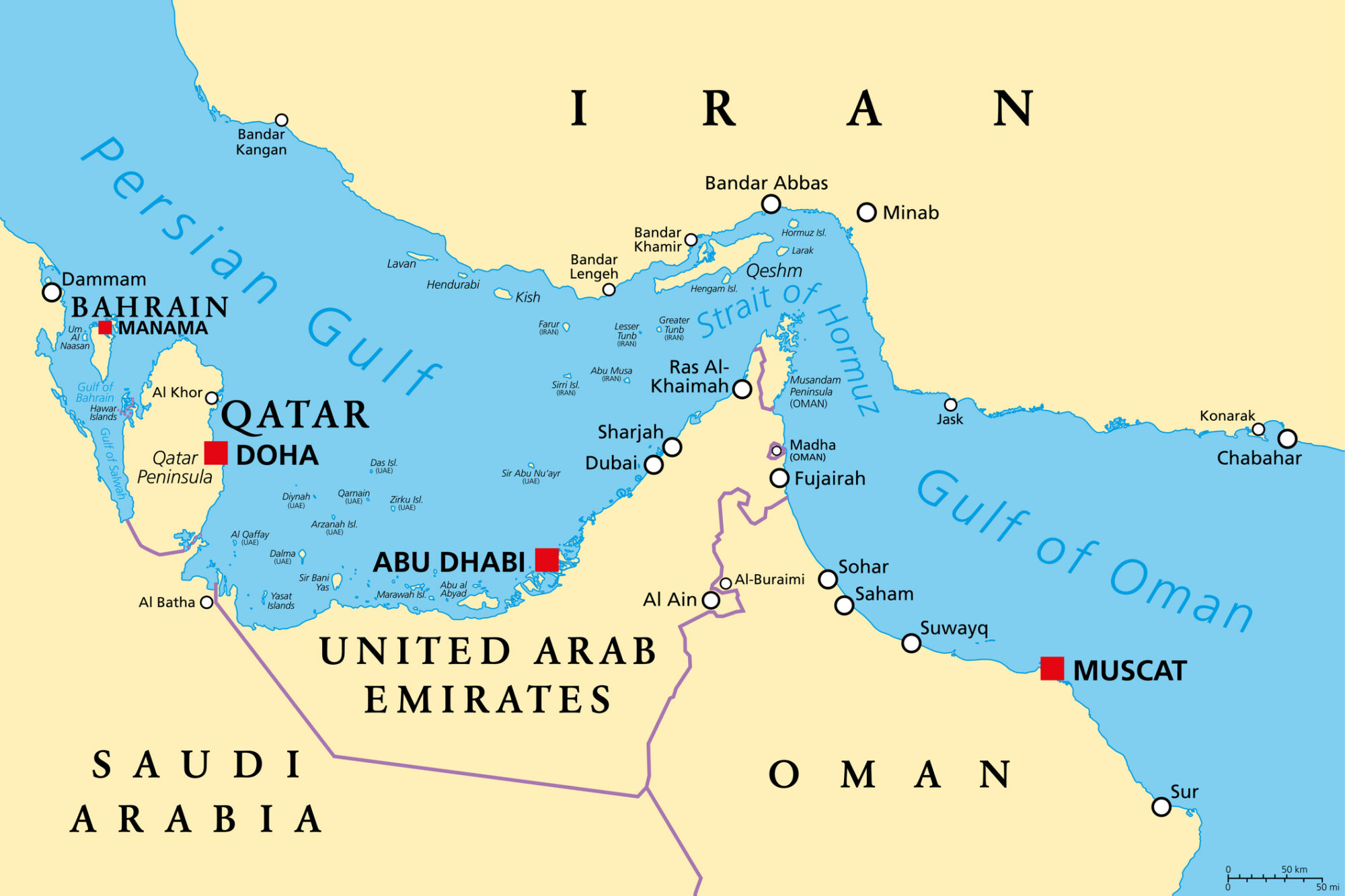
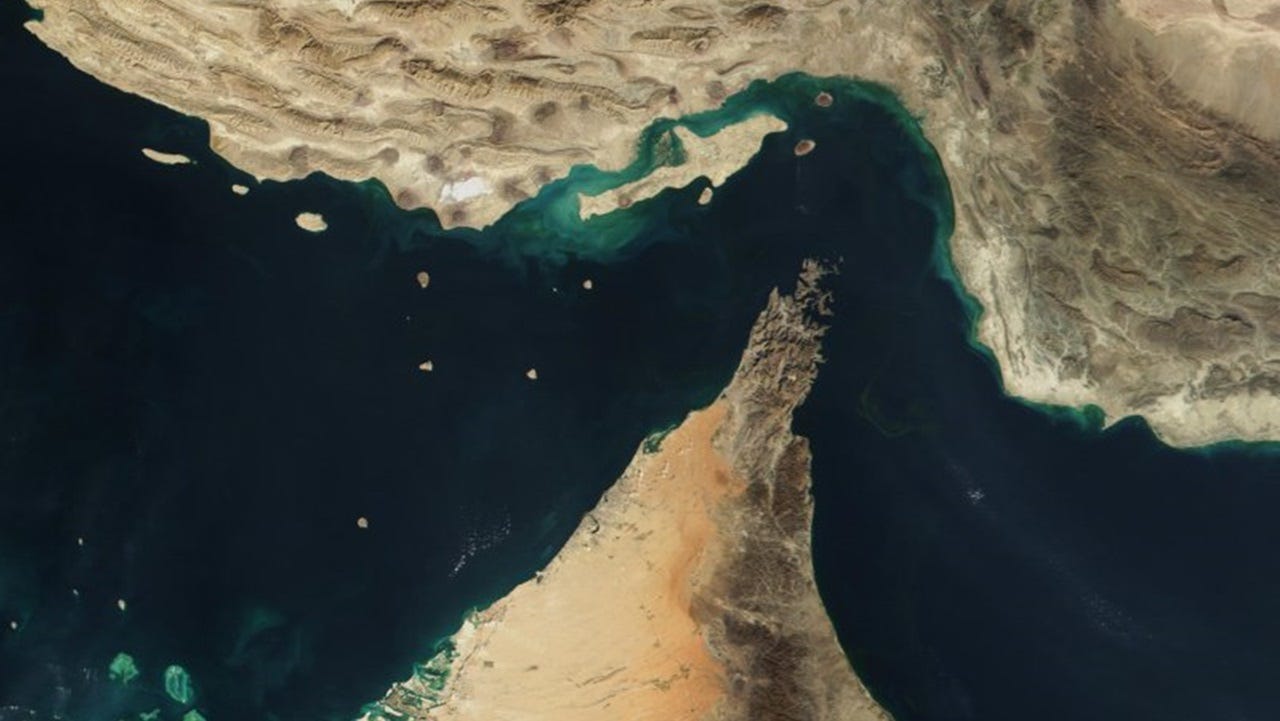
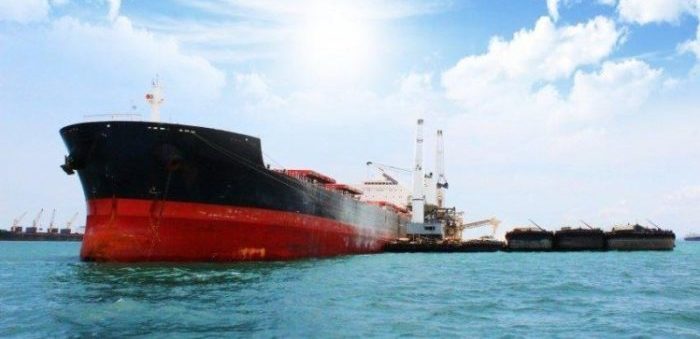
The Middle East conflict is triggering an unprecedented fertilizer supply crisis that will reshape global food prices and e-commerce seller margins across multiple categories. According to Bloomberg Intelligence analysis (March 2026) and University of Texas research, geopolitical disruptions at the Strait of Hormuz—which handles virtually all traded urea and phosphate exports from Qatar, Saudi Arabia, Oman, and Iran—are driving nitrogen fertilizer prices 40-60% higher immediately before the critical spring planting season. This timing creates a cascading supply shock: fertilizer costs directly increase agricultural production expenses, which ripple through wholesale food commodity prices within 2-4 weeks, ultimately compressing margins for cross-border e-commerce sellers sourcing agricultural products, food commodities, and farming supplies.
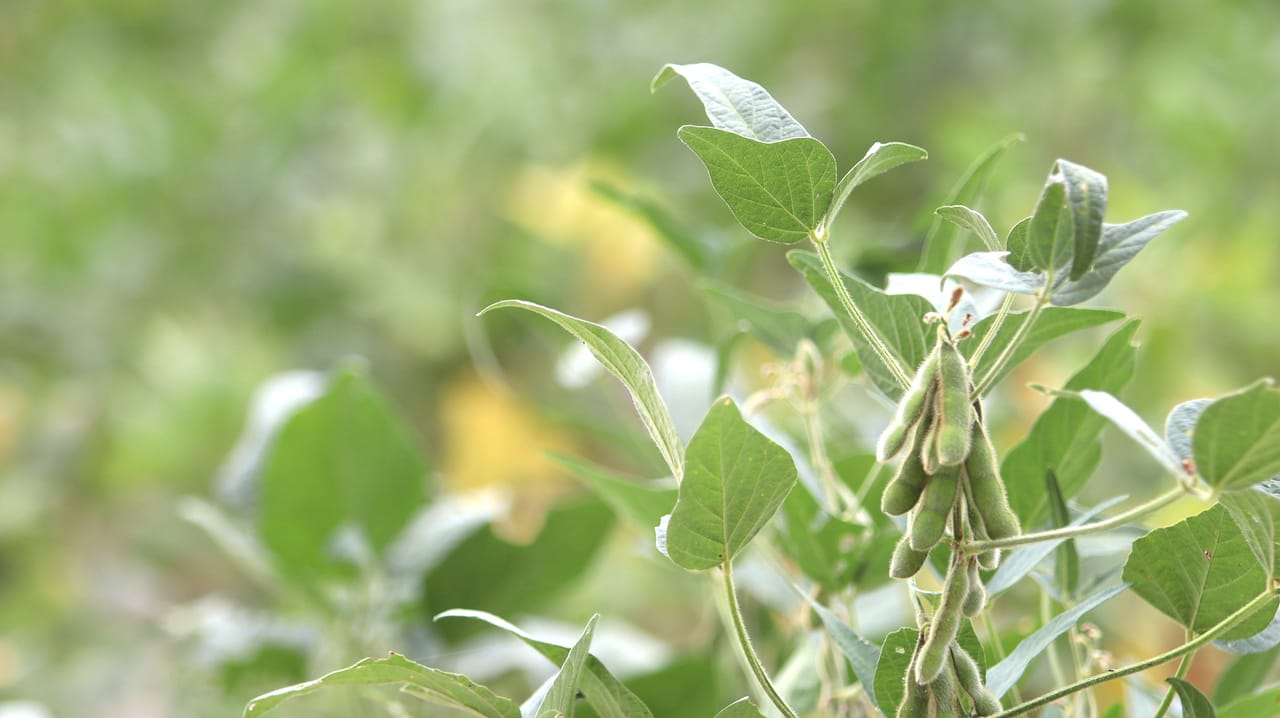
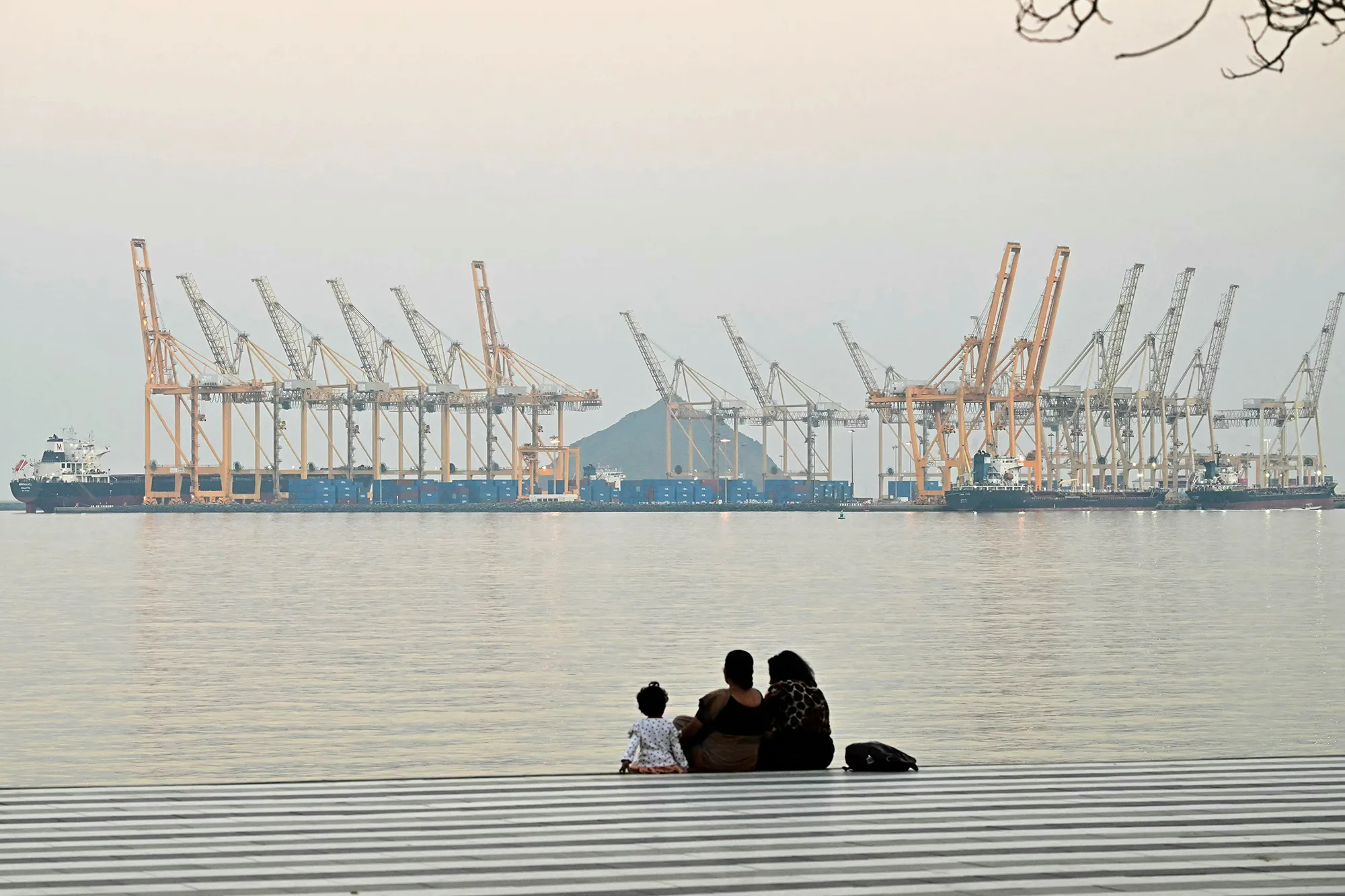
The geographic impact is highly uneven, creating distinct seller opportunities and risks by region. Sub-Saharan Africa faces the most severe disruption, with over 90% of fertilizer consumption imported from outside the continent—threatening maize and nitrogen-intensive staple production. South and Southeast Asia (India, Bangladesh, Thailand, Indonesia) are identified as worst-affected, with farmers facing simultaneous cost shocks from urea import dependency, Hormuz shipping constraints, and strengthening dollar pricing. Brazil, importing 85% of its fertilizer, will see soybean and maize production costs rise during key import seasons. Meanwhile, GCC countries (Qatar, Bahrain, Kuwait, Saudi Arabia) face immediate food import disruptions through Hormuz. For e-commerce sellers, this creates a critical 8-12 week window where wholesale agricultural product prices surge before consumer demand adjusts downward due to retail food inflation.
Sellers in specific categories face immediate operational challenges and margin compression. Agricultural equipment, seeds, and farming input sellers will experience demand volatility as farmers delay purchases or reduce input volumes in response to cost pressures. Food commodity sellers sourcing from affected regions (Southeast Asia, Sub-Saharan Africa, Brazil) will see wholesale prices increase 15-25% as farmers pass through fertilizer cost shocks. Energy costs throughout the food supply chain—farm machinery operation, transportation, processing—will independently drive additional 5-8% cost increases. The International Food Policy Research Institute warns this threatens to reignite global food inflation just as retail prices had normalized, meaning consumer purchasing power for food-related e-commerce will contract 10-15% in affected markets. Sellers must monitor fertilizer price indices and agricultural commodity futures closely as leading indicators of broader food price inflation trends affecting demand patterns in food-related categories.
Questions 7
Which product categories within food and agriculture will see the highest margin compression?
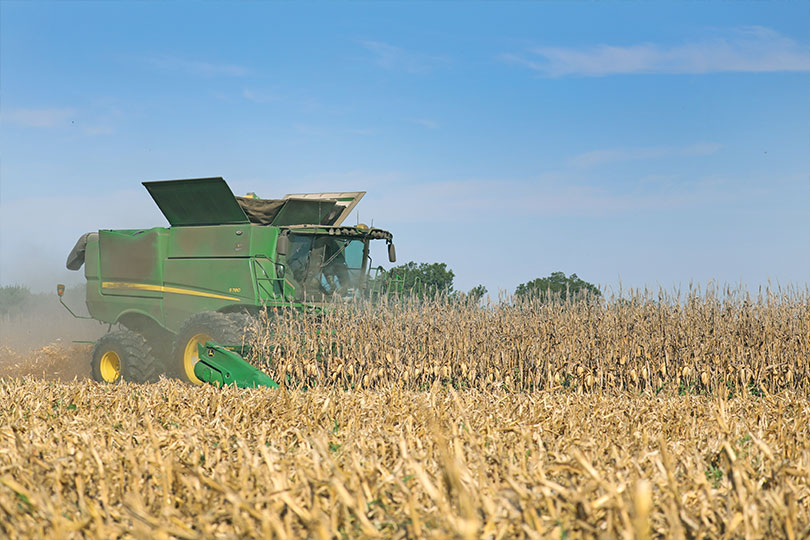
Nitrogen-intensive staples like maize face particular risk from fertilizer shortages, threatening harvests and food affordability. Sellers in maize, corn-based products, and grain categories will see 20-25% margin compression as wholesale prices spike. Soybean sellers (Brazil is major producer) will face similar pressures. Fertilizer-dependent vegetables and fruits will see 15-20% margin compression. However, sellers in premium/organic food categories may see less compression as consumers shift to lower-cost staples. Agricultural equipment sellers face 20-30% demand reduction. The least-affected categories are processed foods and non-perishables, which have longer supply chains and less direct fertilizer exposure.
What immediate actions should sellers take to protect margins in the next 30 days?
Immediate actions (0-30 days): (1) Review supplier contracts and lock in prices before April 2026 if possible—fertilizer prices are already surging before spring planting season; (2) Audit inventory sourcing by region and identify exposure to Sub-Saharan Africa, Southeast Asia, and Brazil; (3) Monitor fertilizer price indices (urea, ammonia) and agricultural commodity futures as leading indicators; (4) Contact suppliers to understand cost increase timelines and negotiate volume flexibility; (5) Review pricing strategy and prepare 10-15% price increases for affected categories before wholesale costs spike; (6) Consider diversifying supplier base to less-affected regions. Sellers who act within 2-3 weeks can lock in current wholesale prices before the April-May price surge hits.