


Chile Political Shift 2026 | Border Security Changes Impact Latin American E-Commerce Logistics
- Kast's 58% election victory signals stricter border controls affecting cross-border sellers shipping to/from Chile; increased military presence at borders may delay customs clearance 5-15 days for Amazon FBA, eBay, and Shopify sellers













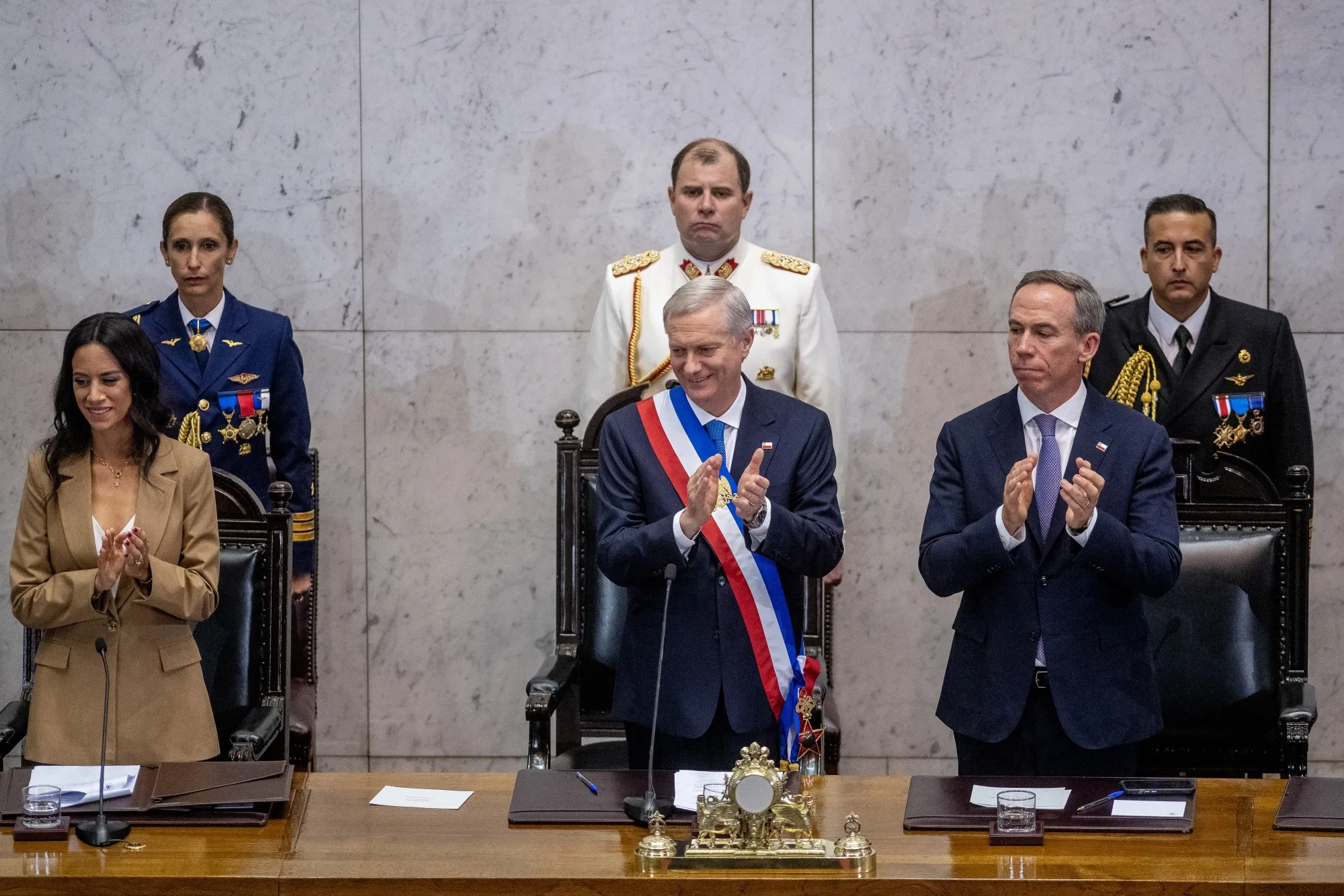


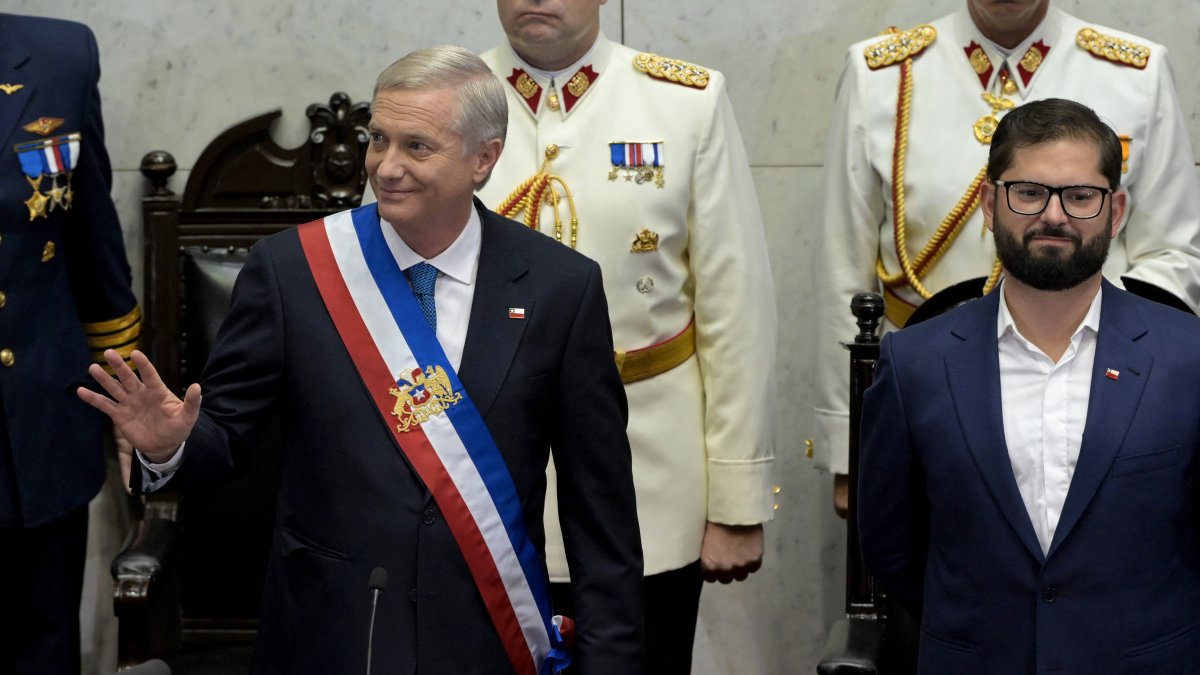


Overview
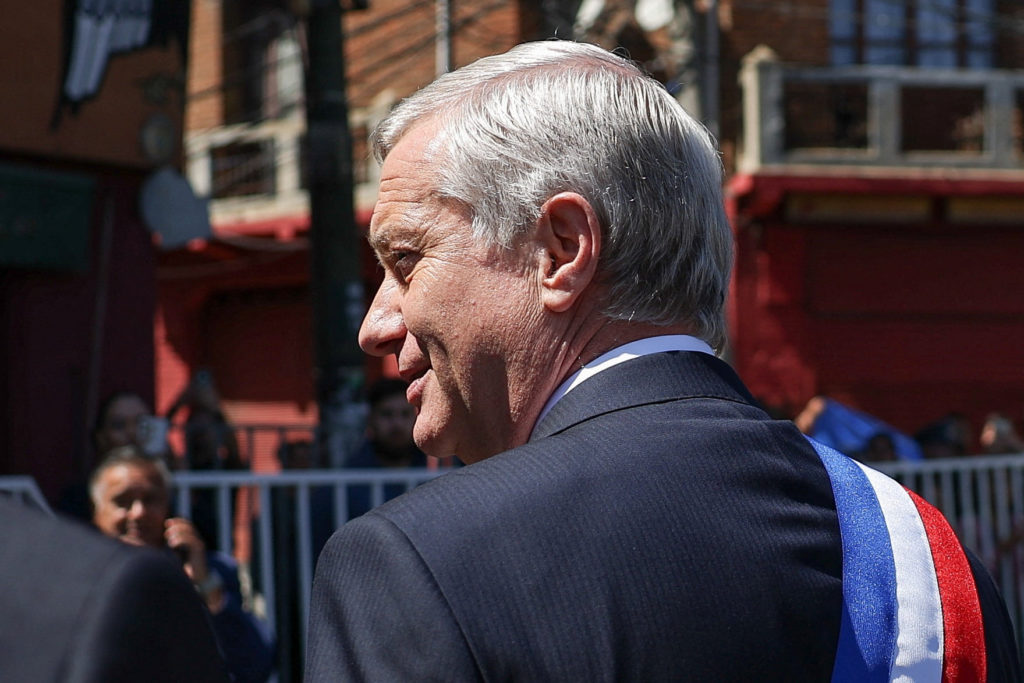
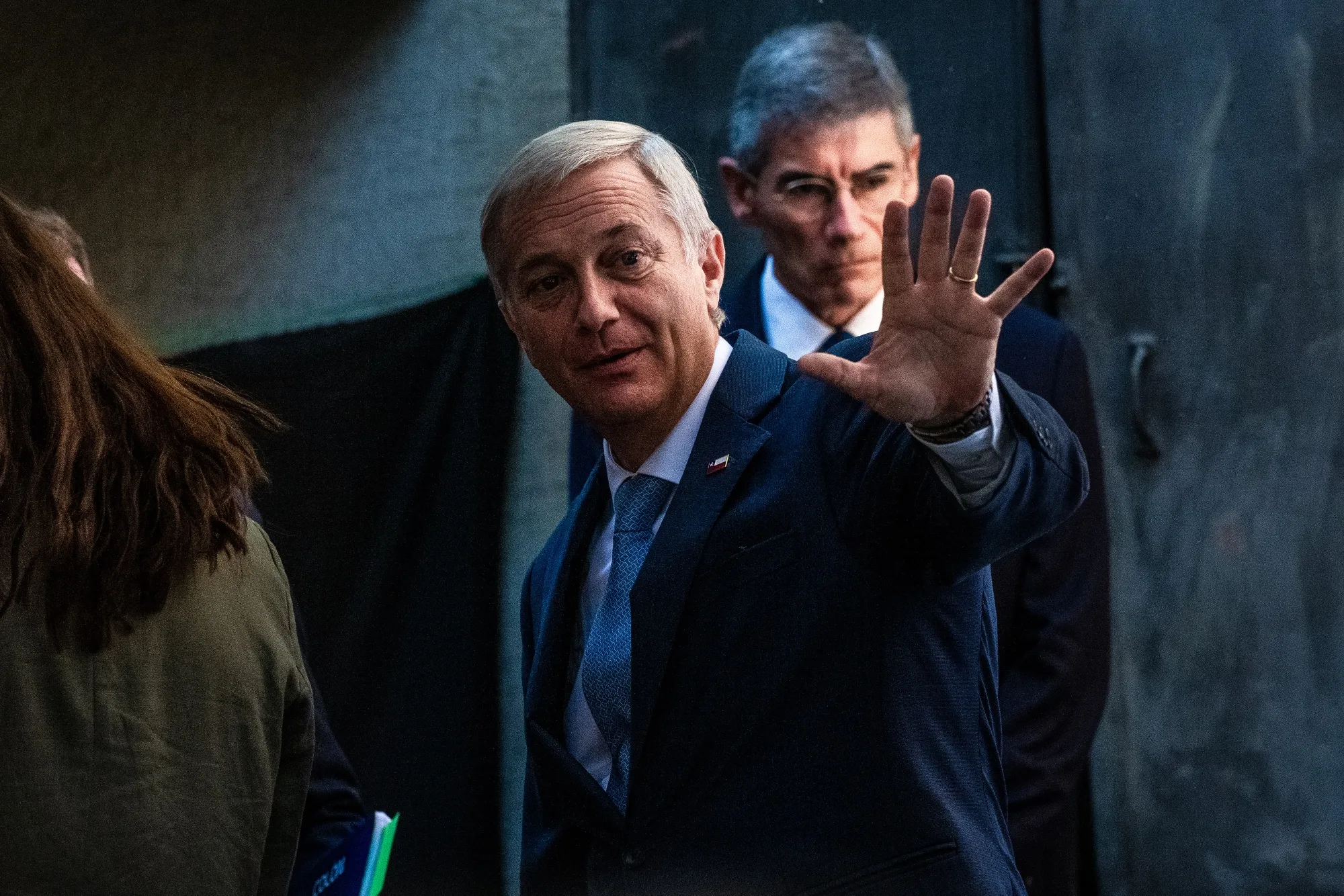
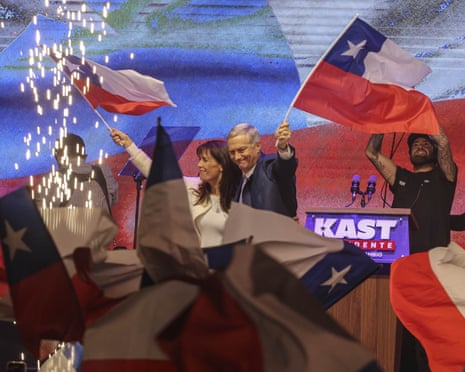
José Antonio Kast's inauguration as Chile's president on March 11, 2026, following a decisive 58% victory in December 2025, represents a significant political realignment with direct implications for cross-border e-commerce operations in Latin America. Kast's administration explicitly prioritizes border control with increased military presence as a key success metric, according to political scientist Claudio Fuentes at Diego Portales University. This policy shift creates operational challenges for sellers using Chile as a logistics hub or shipping to Chilean consumers through Amazon, eBay, Shopify, and regional marketplaces.
Border Security Escalation Affects Fulfillment Timelines: Kast's "emergency government" framework emphasizes hardline immigration and security controls despite Chile maintaining one of Latin America's lowest crime rates (6 per 100,000 vs. Ecuador's 46, Haiti's 41, and Mexico/Colombia's 25). Increased military presence at Chilean borders will likely extend customs processing times for inbound inventory shipments. Sellers currently leveraging Chile as a regional distribution hub for Mercosur markets (Argentina, Brazil, Paraguay, Uruguay) should anticipate 5-15 day delays in customs clearance, potentially increasing carrying costs by $200-500 per container. Amazon FBA sellers shipping to Chile via air freight may face additional security screening protocols, raising logistics costs 8-12% compared to pre-2026 baseline rates.
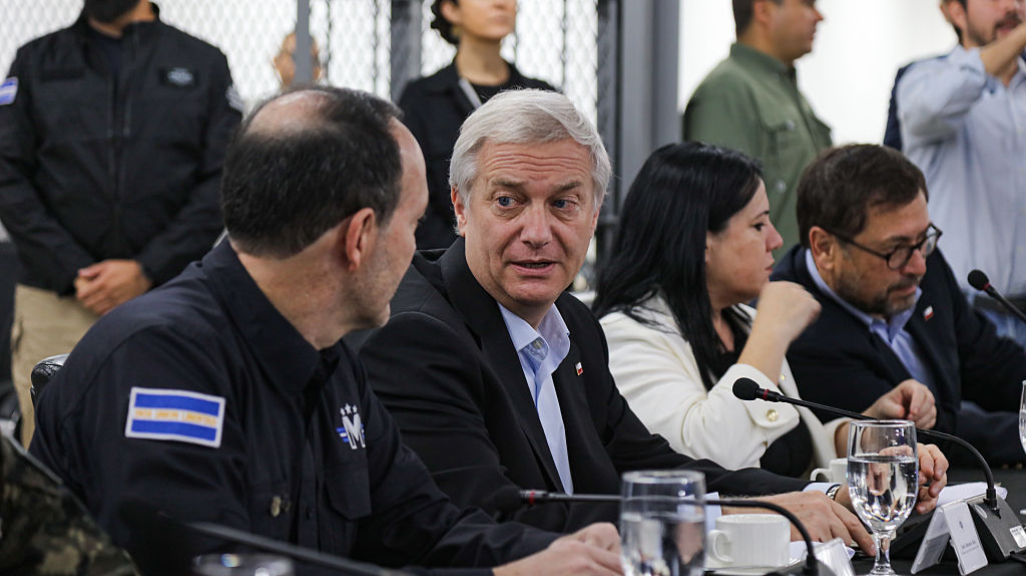
Regional Political Trend Signals Broader Latin American Market Volatility: Political scientist José Alejandro Godoy notes Kast's rise reflects broader Latin American trends mirroring Brazil's Bolsonaro, Argentina's Milei, and Peru's Fujimori-aligned movements. This rightward political shift across major Latin American economies suggests increased regulatory scrutiny of cross-border commerce, potential tariff adjustments, and stricter customs enforcement across the region. Sellers should monitor policy announcements from Chile's Defence Minister Fernando Barros and Justice Minister Fernando Rabat (both former Pinochet-era lawyers) regarding customs procedures, import duties, and e-commerce taxation. The administration's focus on "order and security" may translate to enhanced product inspections, particularly for electronics, pharmaceuticals, and consumer goods categories that typically face higher scrutiny during regime transitions.
Consumer Market Implications: Chile's 19+ million population represents Latin America's most developed consumer market with high e-commerce penetration. However, Kast's administration signals potential policy reversals on social issues and governance approaches, creating uncertainty for sellers targeting progressive consumer segments. The 2023 Mori Chile poll showing one-third of Chileans believe the 1973 coup was justified indicates demographic polarization that may affect consumer spending patterns and brand loyalty. Sellers should diversify marketing strategies across political segments and avoid messaging tied to progressive social causes that dominated Gabriel Boric's administration (2022-2026).
Questions 7
Will eBay Global Shipping Program be affected by Chile's new border policies?
eBay's Global Shipping Program relies on efficient customs clearance at destination countries. Kast's increased military presence at Chilean borders will likely extend processing times for eBay shipments, potentially delaying delivery 5-15 days beyond standard timelines. eBay sellers should update shipping estimates in their listings to reflect longer customs processing windows and consider offering expedited shipping options with premium pricing. Monitor eBay's Chile marketplace for policy updates from the platform regarding customs documentation requirements and potential fee adjustments for increased security screening.
What product categories face highest risk from stricter Chilean customs enforcement?
Electronics, pharmaceuticals, and consumer goods typically face heightened scrutiny during regime transitions focused on 'order and security.' Kast's administration, with Defence Minister Fernando Barros and Justice Minister Fernando Rabat (both former Pinochet-era lawyers), may implement enhanced inspection protocols for these categories. Sellers should prepare detailed product documentation, safety certifications, and import permits for electronics and health-related items. Consider shifting inventory mix toward lower-scrutiny categories (apparel, home goods) during the first 6-12 months of the new administration while customs procedures stabilize.