



Strait of Hormuz Crisis Drives 20% Shipping Cost Surge | Cross-Border Sellers Face 3-6 Month Logistics Crisis
- Oil prices exceed $110/barrel despite 400M barrel reserve release; Brent crude up 22% in 2 weeks; Sellers relying on air freight face 15-25% margin compression; Geopolitical conflict shows no near-term resolution






















Overview
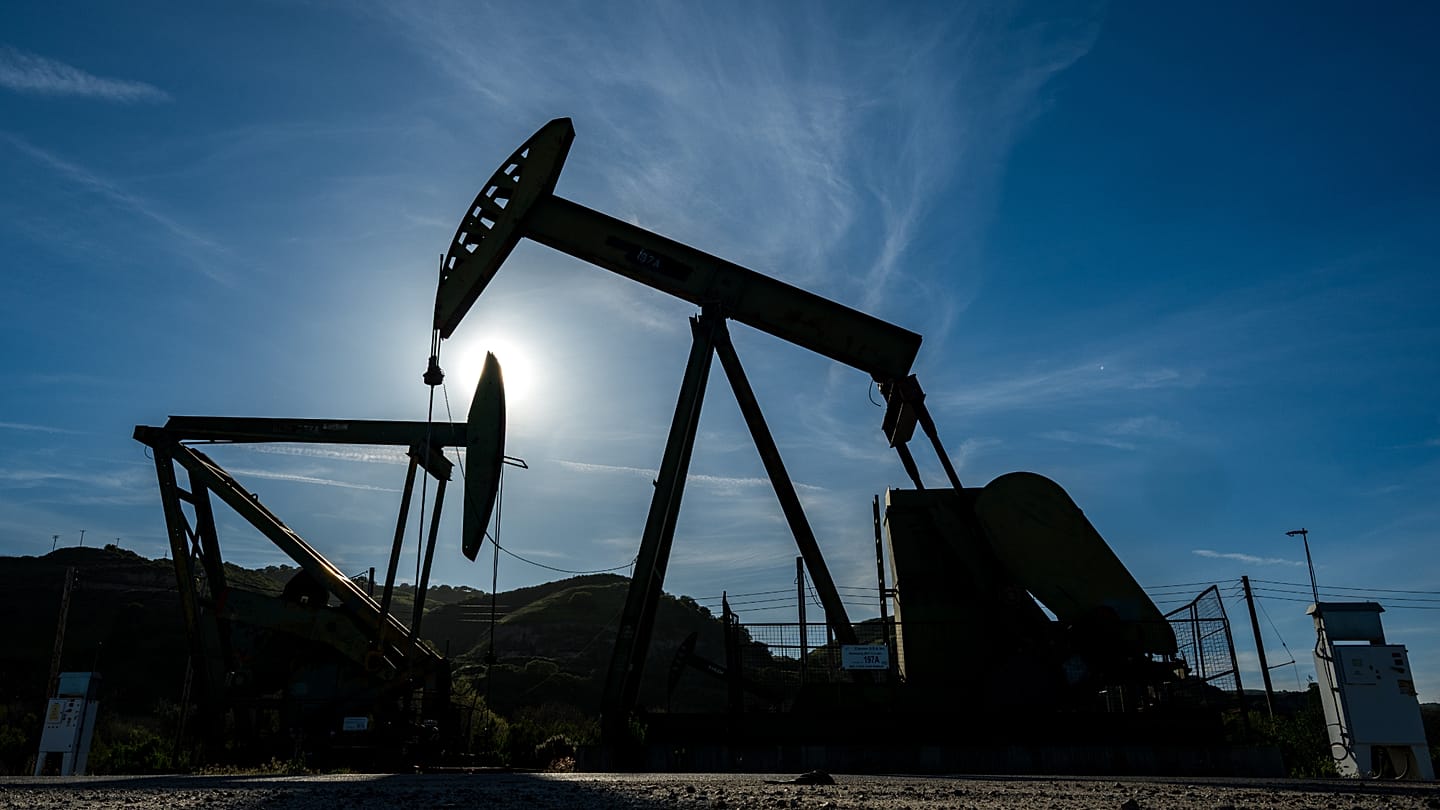
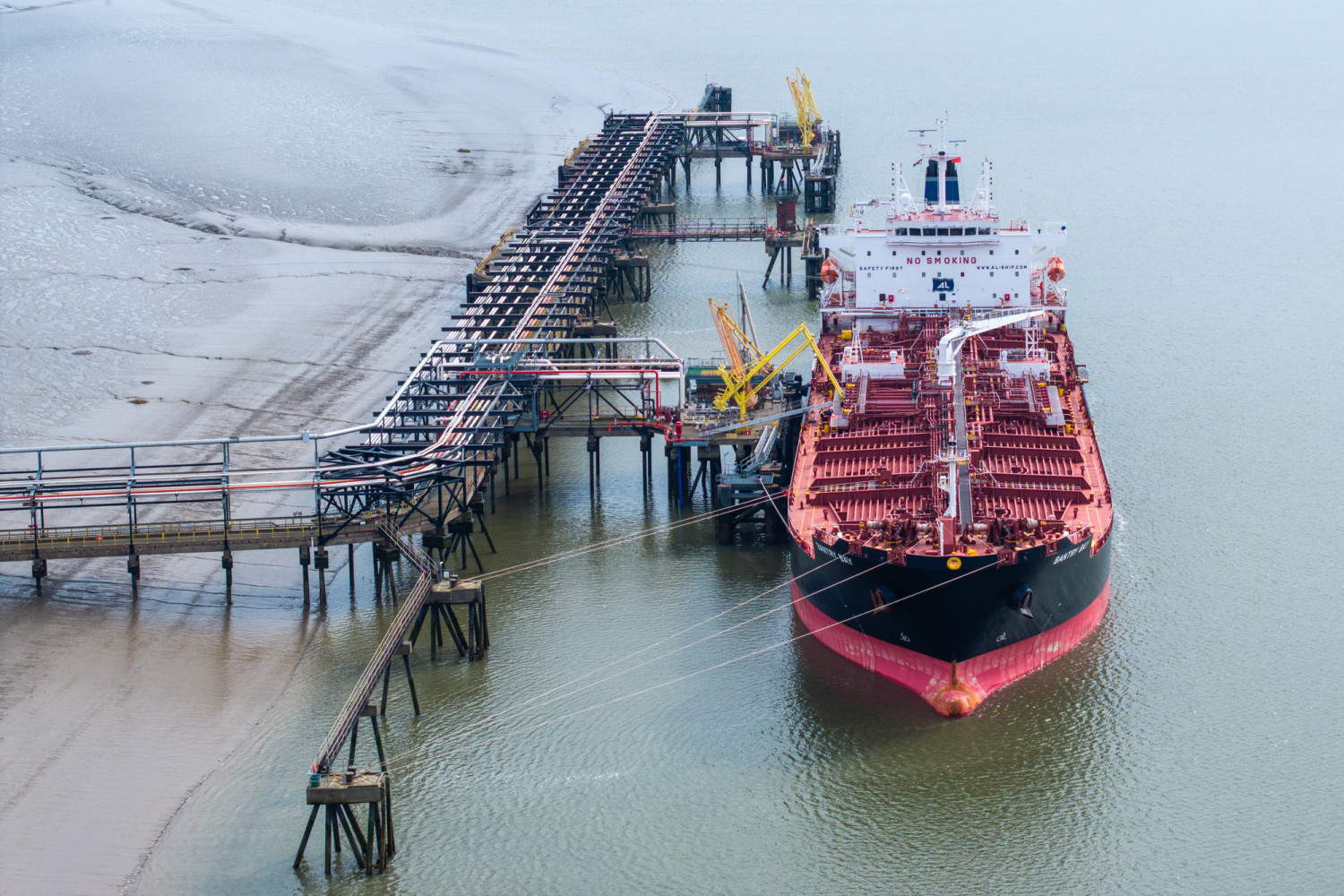
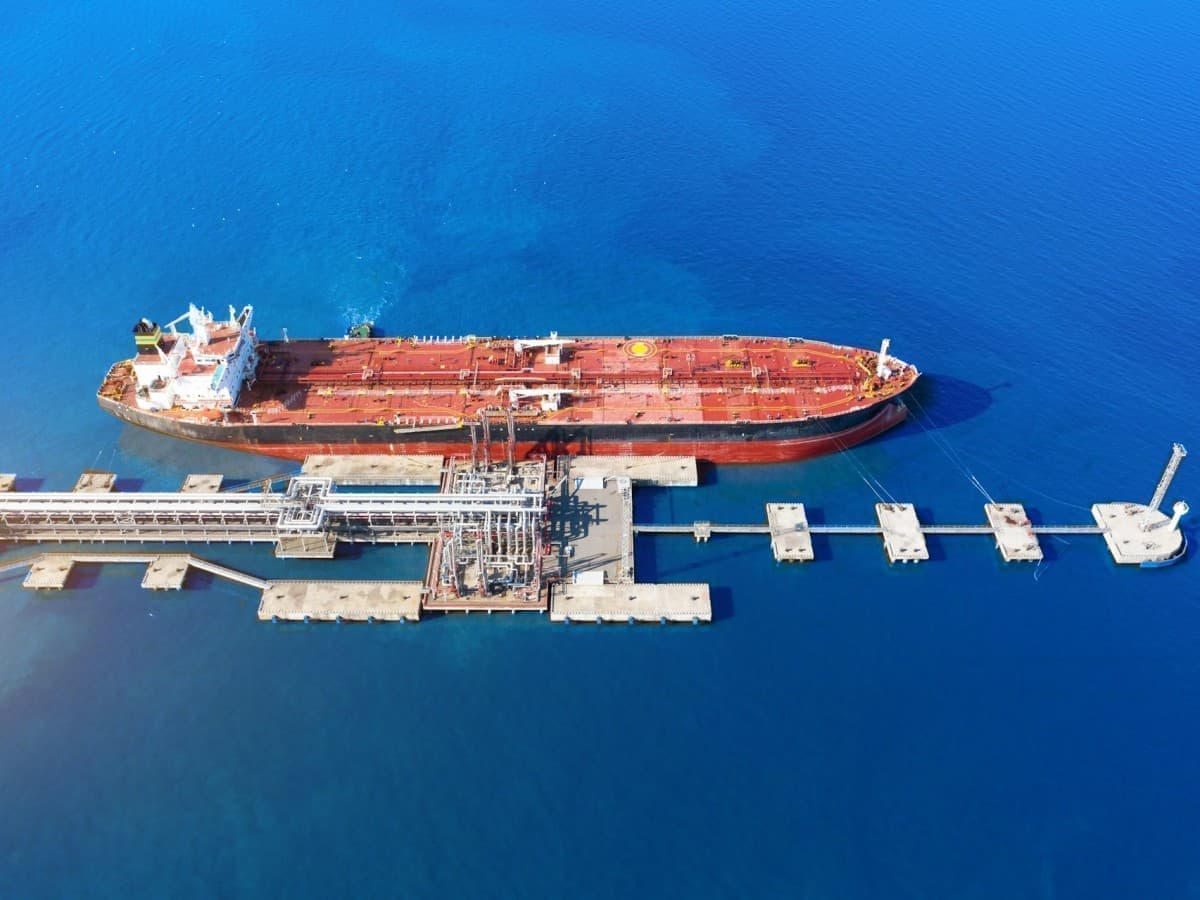
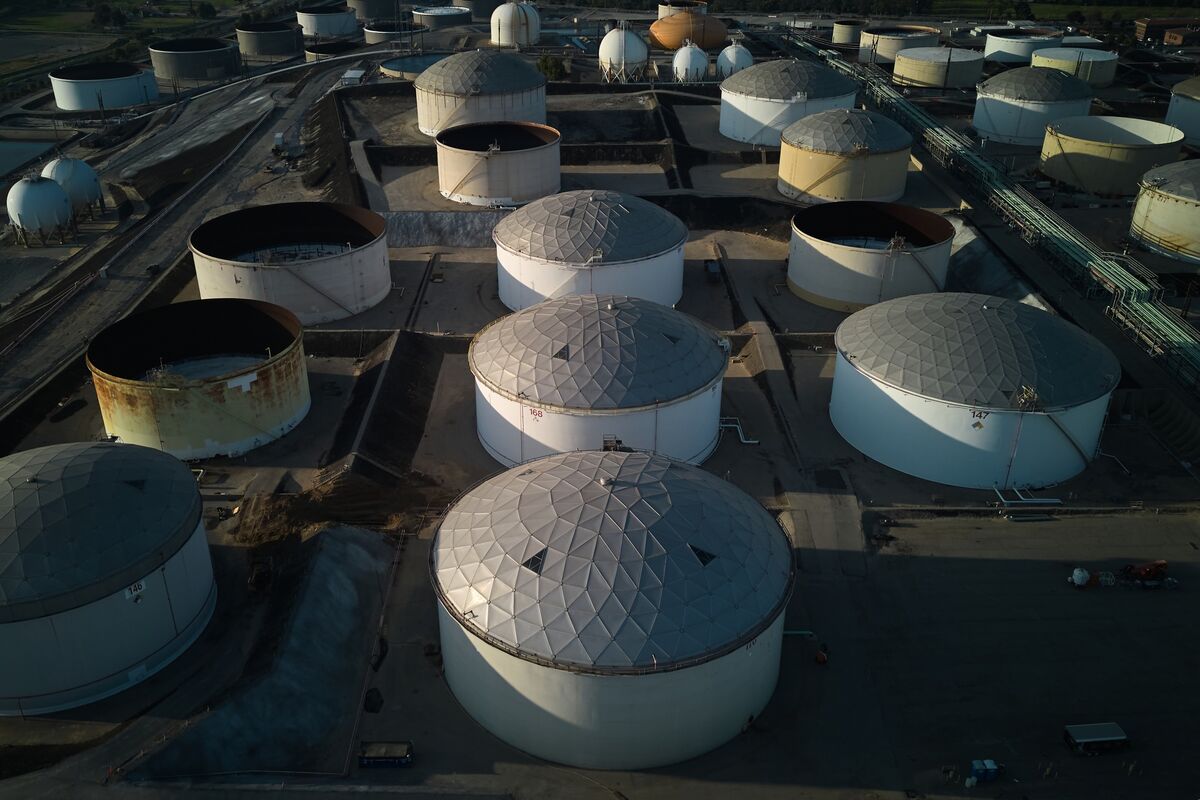
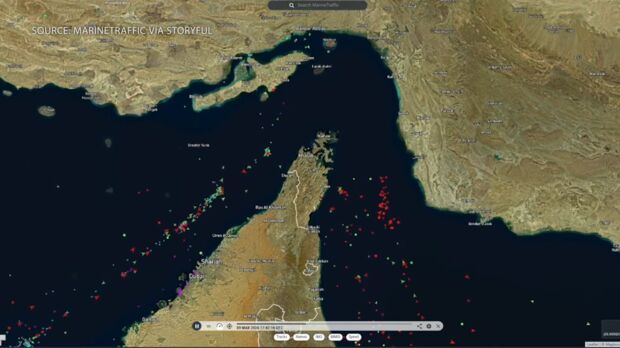
The Middle East conflict escalation and Strait of Hormuz closure represent the most significant logistics cost shock for cross-border e-commerce sellers since 2022. On February 28, 2026, U.S. and Israeli strikes on Iran triggered immediate supply chain disruptions, with the Strait of Hormuz—which carries 20 million barrels daily (one-fifth of global supply)—becoming virtually closed due to military conflict and three confirmed ship attacks on March 12. Despite an unprecedented coordinated response on March 11-12, 2026, when the International Energy Agency announced a historic 400 million barrel reserve release (with the U.S. Strategic Petroleum Reserve contributing 172 million barrels), oil prices surged past $110 per barrel, indicating market skepticism about policy interventions' effectiveness.
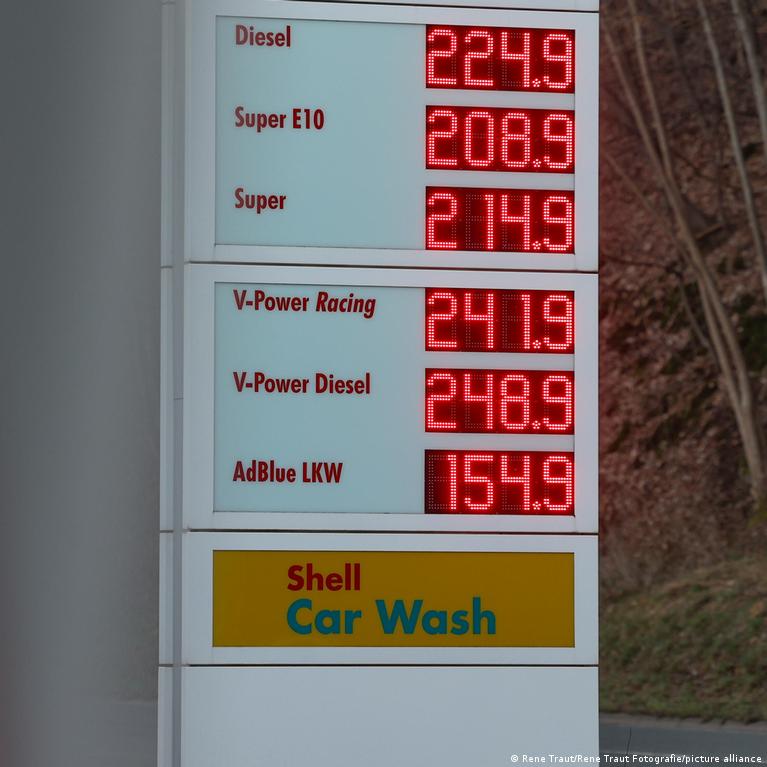
For cross-border sellers, this creates a multi-layered operational crisis. U.S. gasoline prices climbed for 11 consecutive days to $3.58 per gallon as of March 11, 2026, directly translating to elevated shipping costs. The 400 million barrel reserve release represents only 20 days of normal Strait traffic, while the U.S. can deploy maximum 4.4 million barrels daily from its Strategic Petroleum Reserve—creating a structural supply gap that will persist for months. Sellers relying on air freight face particularly acute pressure, as aviation fuel represents 25-35% of total air shipping costs. Historically, Middle East conflicts create 3-6 month periods of elevated shipping costs and extended delivery timelines, suggesting this disruption will persist through June-September 2026.
The geopolitical situation fundamentally differs from trade policy disputes, reducing likelihood of rapid resolution. Iran's stated objective is to expel U.S. Gulf presence, and only Iran controls Strait reopening independent of U.S. military decisions. Even after strait reopening, refineries require minimum two-month restart periods due to complex sequential operations, extending the total disruption window. The IEA's characterization of the reserve release as a "stopgap measure" signals continued price volatility and supply constraints. Simultaneously, the Trump administration launched trade probes into 15+ countries (China, EU, Mexico, Japan, India, South Korea) targeting reciprocal tariffs, creating a dual shock of energy volatility and trade policy uncertainty. Asian markets responded negatively, with Japan's Nikkei 225 and Australia's SPASX 200 leading declines, indicating broader supply chain tightening across manufacturing and logistics sectors.
Immediate seller impact: shipping cost increases of 8-15% for ocean freight and 15-25% for air freight, with fuel surcharges becoming permanent rather than temporary. Logistics providers are implementing additional fuel surcharges and adjusting service levels in response to sustained elevated oil prices. Sellers in energy-intensive categories (refrigerated logistics, manufacturing, international freight) face margin compression of 5-12% unless pricing adjusts. The timing window is critical: sellers must lock in long-term carrier contracts with price caps before April 2026, as spot rates will likely remain elevated through Q3 2026. Sourcing diversification becomes essential—sellers currently dependent on single-route logistics face inventory delays and fulfillment timeline extensions of 2-4 weeks.
Questions 8
What immediate actions should sellers take to mitigate shipping cost increases?
Sellers should execute three urgent actions by April 2026: (1) Negotiate long-term carrier contracts with price caps before spot rates increase further—locking in rates for 6-12 months provides cost certainty; (2) Diversify shipping routes and 3PL providers to reduce single-route dependency and avoid inventory delays; (3) Adjust product pricing to account for 8-15% ocean freight and 15-25% air freight increases, with particular focus on price-sensitive categories. Simultaneously, optimize inventory distribution to minimize transportation distances and fuel consumption, and consider shifting 20-30% of inventory to regional 3PL facilities to reduce long-haul shipping requirements.
How do trade tariff probes compound the shipping cost crisis?
The Trump administration's trade probes into 15+ countries (China, EU, Mexico, Japan, India, South Korea) targeting reciprocal tariffs create dual supply chain shocks. Energy volatility increases shipping costs 8-25% while tariff uncertainty threatens sourcing cost structures and supply chain reliability. Sellers sourcing from or shipping to affected regions face compounded operational costs and potential supply disruptions. Asian markets responded negatively (Japan's Nikkei 225 and Australia's SPASX 200 leading declines), indicating broader supply chain tightening. Sellers must monitor both energy prices and trade policy developments simultaneously, as tariff changes could add 5-15% to sourcing costs while shipping costs remain elevated.