



Oil Prices Surge Past $110 Despite 400M Barrel Reserve Release | Cross-Border Seller Logistics Crisis
- Strait of Hormuz closure disrupts 20M barrels daily supply; shipping costs spike 15-25% for air freight; sellers face 2-month refinery restart delays

















Overview
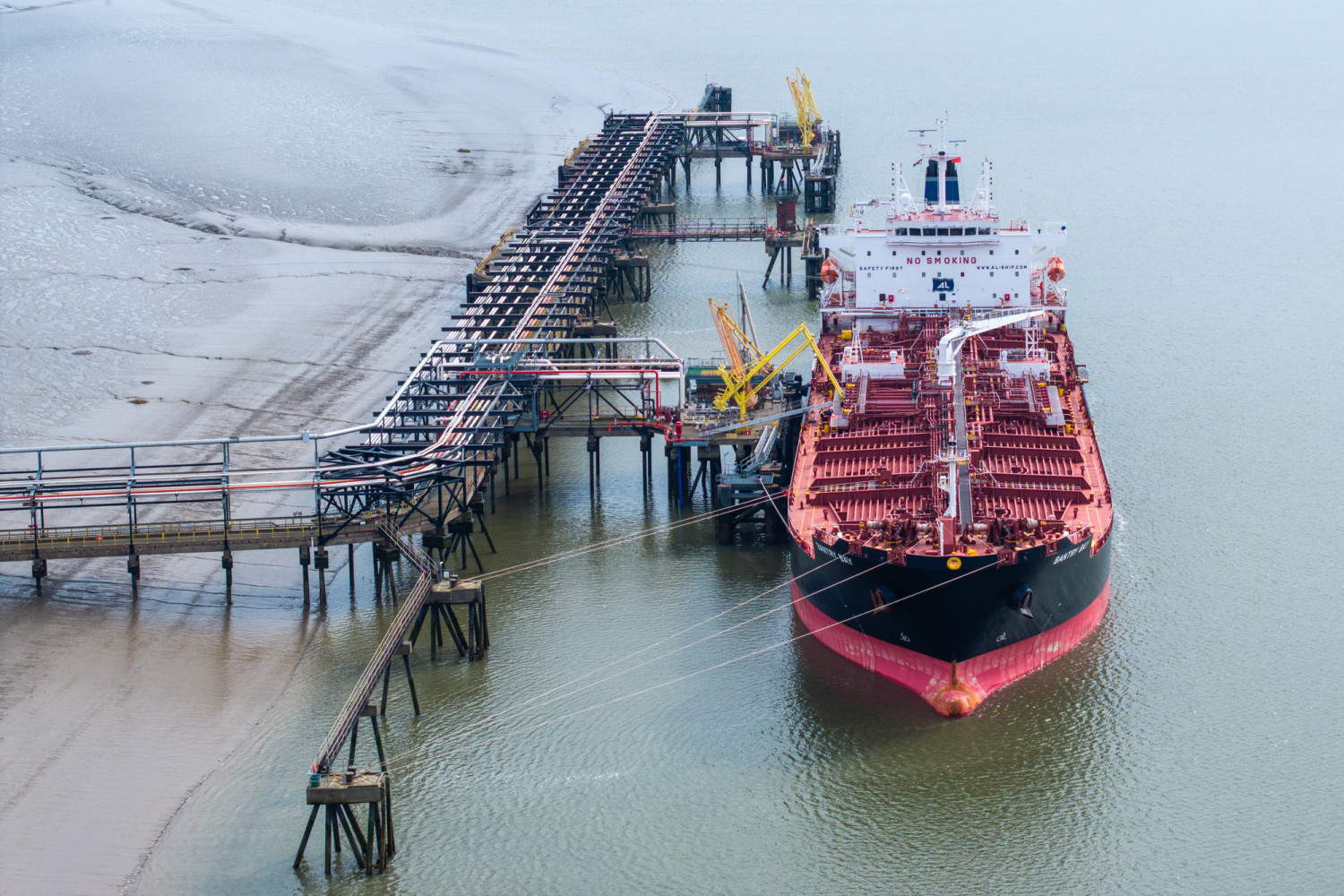
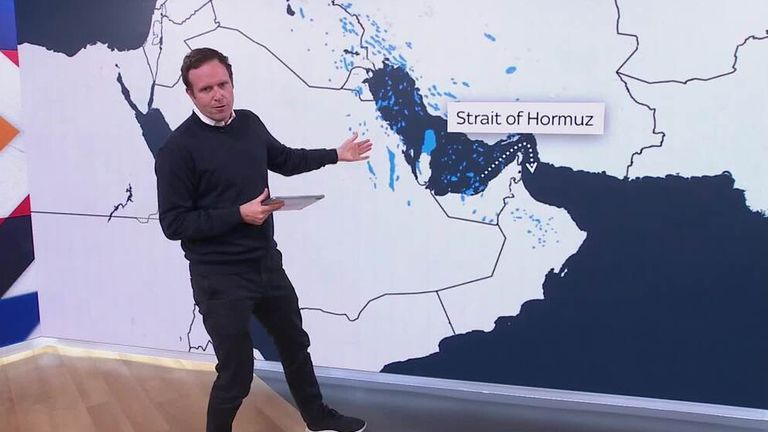
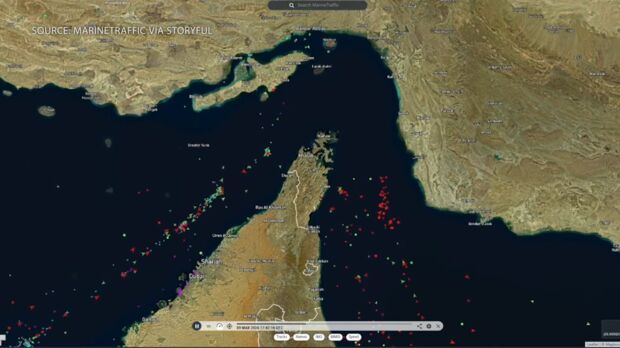
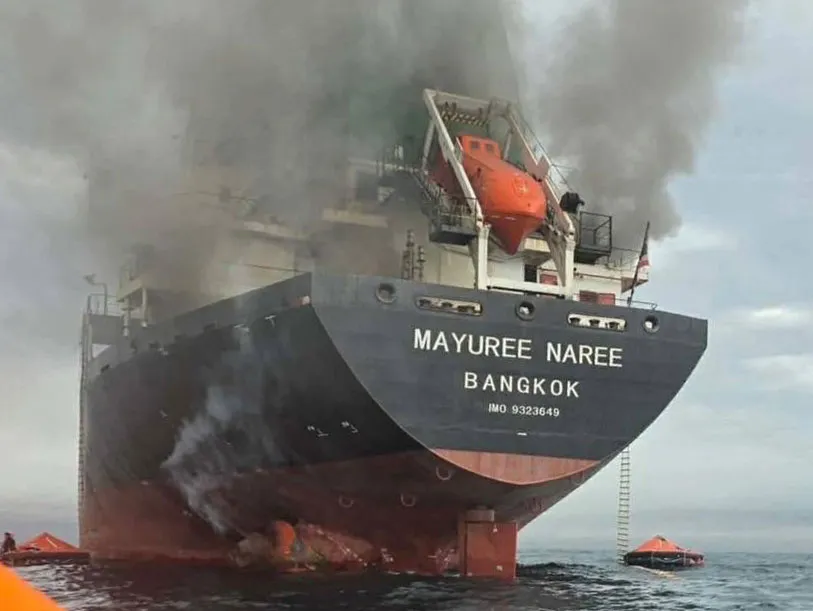
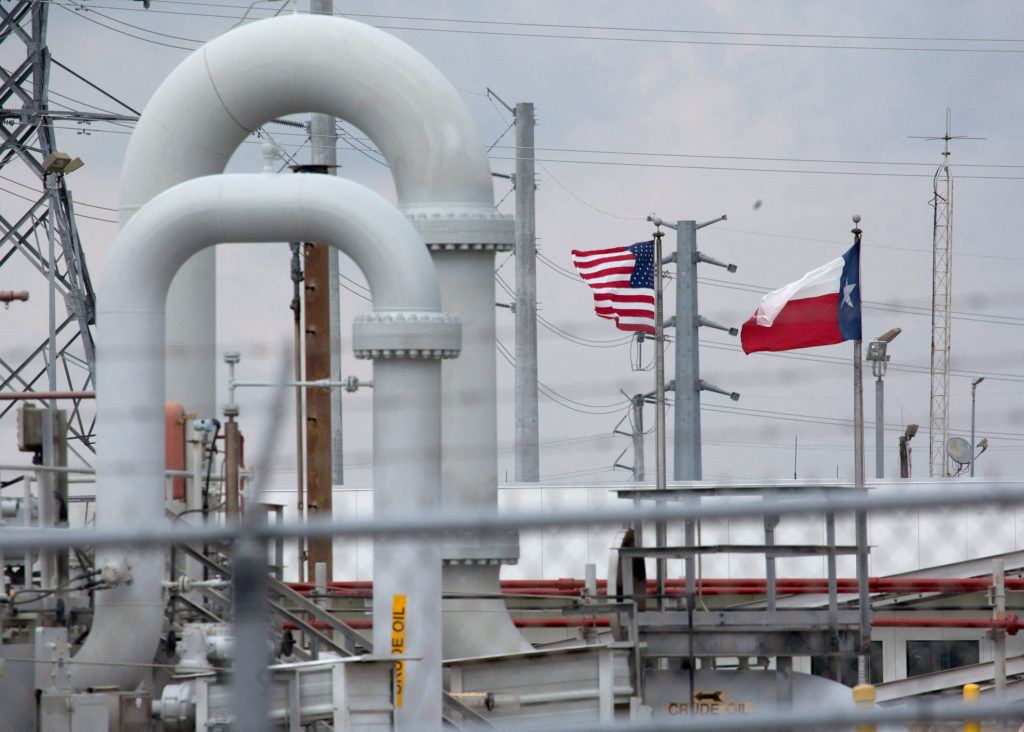
The March 2026 Middle East conflict has triggered the largest coordinated strategic petroleum reserve release in history—400 million barrels from 30+ countries including the U.S. Strategic Petroleum Reserve's 172 million barrel contribution—yet oil futures have surged past $110 per barrel, indicating market skepticism about supply stabilization. The Strait of Hormuz, which normally carries 20 million barrels daily (one-fifth of global supply), has become virtually closed due to military conflict and confirmed ship attacks on March 12, 2026. This structural supply disruption fundamentally differs from typical policy interventions, as the reserve release represents only 20 days of normal strait traffic while the U.S. can deploy maximum 4.4 million barrels daily from its Strategic Petroleum Reserve.
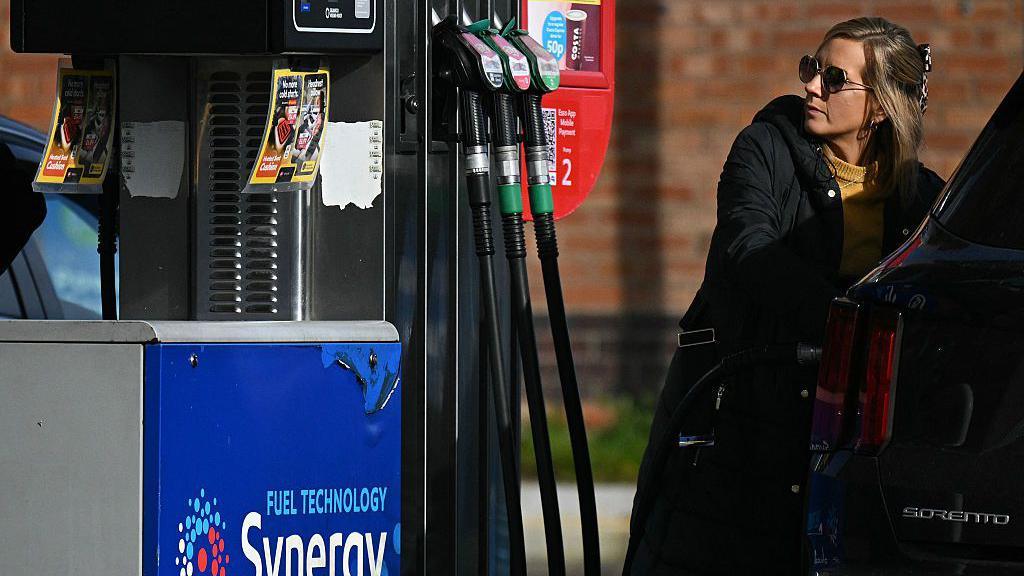
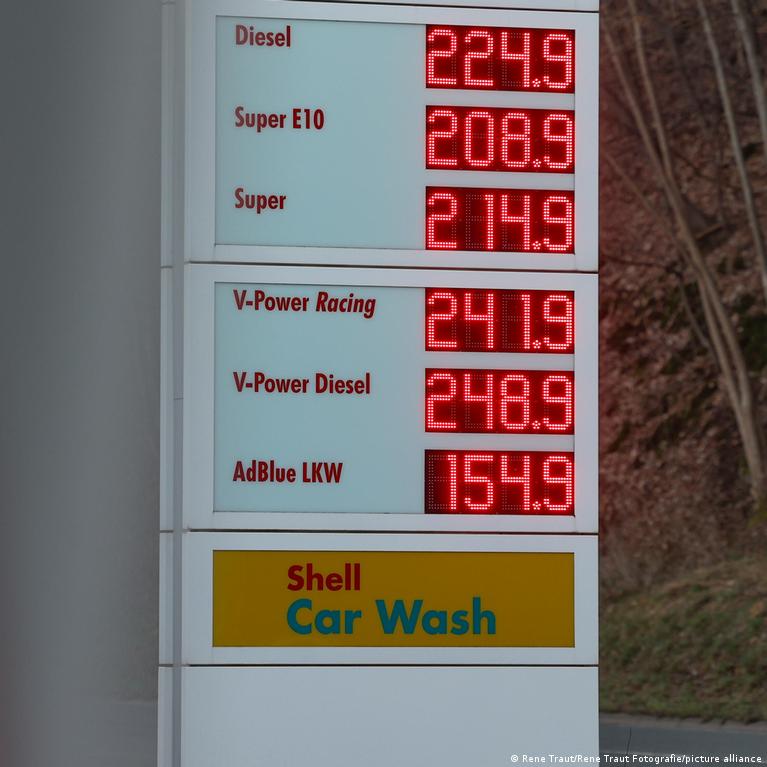
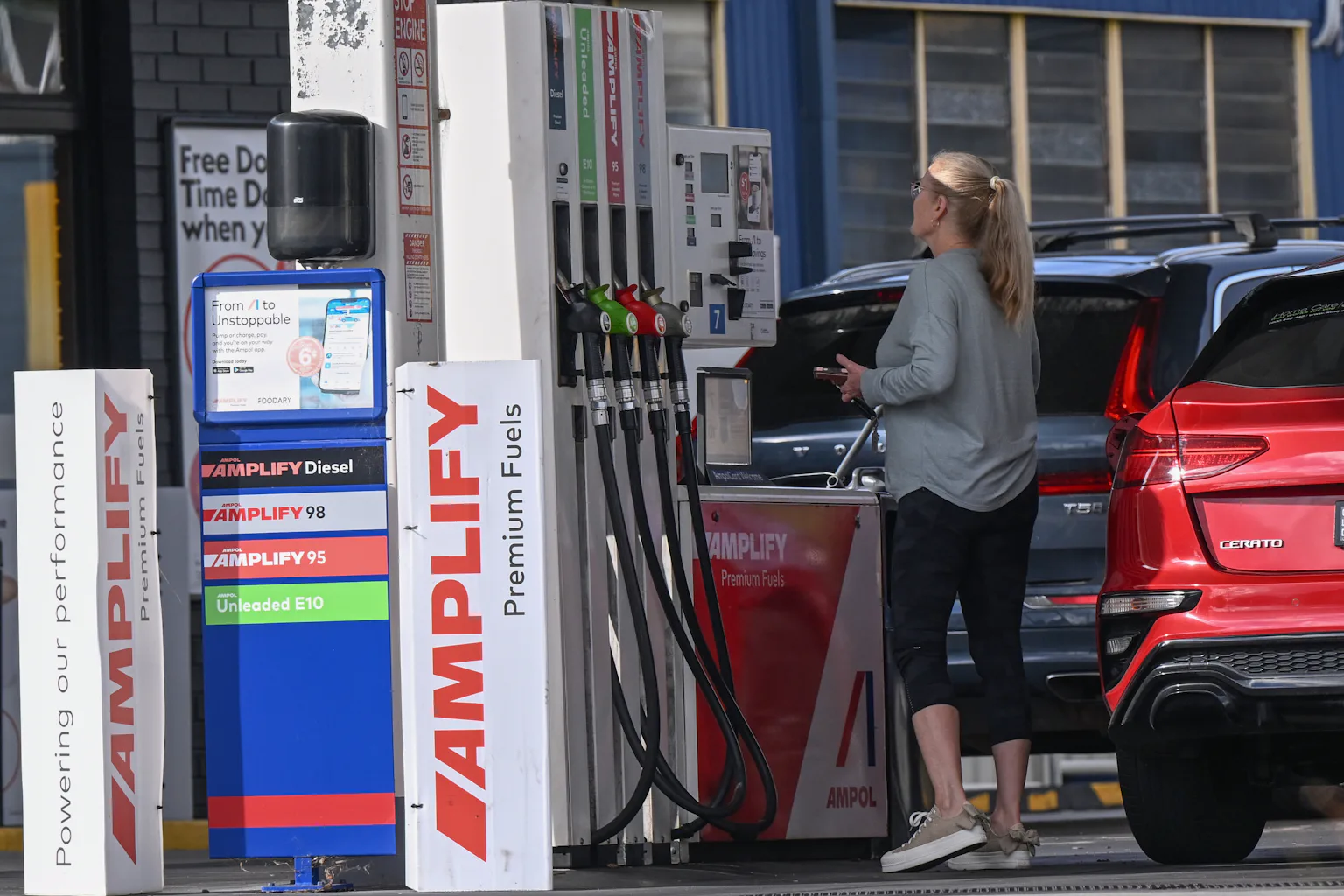
For cross-border e-commerce sellers, this crisis creates immediate operational challenges across multiple dimensions. Shipping costs have increased 15-25% for air freight and expedited ocean services, directly compressing profit margins for sellers reliant on time-sensitive deliveries. U.S. gasoline prices reached $3.58 per gallon after 11 consecutive days of increases, reflecting broader inflationary pressures on transportation and last-mile delivery fees. Sellers in energy-intensive categories—refrigerated logistics, manufacturing, international freight—face acute margin compression as fuel surcharges become standard across carrier contracts. The Trump administration's simultaneous launch of trade probes into 15+ countries (China, EU, Mexico, Japan, India, South Korea) targeting reciprocal tariffs compounds supply chain uncertainty, threatening both tariff structures and sourcing cost stability.
The critical timeline indicates prolonged disruption rather than short-term volatility. Industry analysts warn that even after Strait reopening, refineries require minimum two-month restart periods due to complex sequential operations. Iran's stated objective to expel U.S. Gulf presence reduces likelihood of rapid normalization, meaning sellers should anticipate sustained elevated energy costs through Q2-Q3 2026. The failed reserve release announcement—prices continued rising despite unprecedented intervention—signals market recognition that supply constraints are structural, not cyclical. For sellers, this necessitates immediate strategic shifts: renegotiating carrier contracts with price caps before further increases, diversifying shipping methods away from air freight toward slower ocean routes with lower fuel sensitivity, and repositioning inventory distribution to minimize transportation distances. Sellers sourcing from or shipping to affected regions face increased operational costs and potential supply disruptions, requiring enhanced supply chain resilience planning and contingency inventory positioning.
Questions 7
Which product categories face the worst margin compression from shipping cost increases?
Energy-intensive categories face acute margin compression: refrigerated logistics (frozen foods, pharmaceuticals), heavy manufacturing goods, and low-margin electronics. Sellers in these categories typically operate on 15-25% margins, and 15-25% shipping cost increases directly reduce net profit by 2-6 percentage points. Conversely, high-margin luxury goods (jewelry, designer apparel, collectibles) with 40-60% margins absorb shipping increases more easily. Sellers in refrigerated logistics face dual pressures: fuel surcharges plus increased cooling costs as energy prices rise. Consider temporarily pausing inventory expansion in low-margin categories and reallocating capital to higher-margin products that can absorb logistics cost increases without pricing adjustments that trigger demand destruction.
How long will the Strait of Hormuz closure impact global shipping timelines?
The Strait of Hormuz closure shows no near-term resolution, with Iran's stated objective to expel U.S. Gulf presence reducing likelihood of rapid normalization. Even after strait reopening, refineries require minimum two-month restart periods due to complex sequential operations, meaning supply normalization won't occur before May-June 2026 at earliest. This extends the disruption window to 3-4 months minimum from the March 12, 2026 conflict onset. For sellers, this means elevated shipping costs and extended transit times through Q2 2026. Adjust inventory planning cycles accordingly: increase safety stock by 20-30% for slow-moving items, reduce inventory turns for fast-moving categories to minimize working capital tied up during extended transit, and communicate extended delivery timelines to customers to manage expectations.