



/pcq/media/media_files/2025/12/04/gta-6-is-delayed-but-when-will-we-get-trailer-3-2025-12-04-10-25-30.jpg)

AI and Gaming Collide: The Creative Revolution in Digital Entertainment
- Emerging tensions between technological innovation and creative authenticity reshape video game development







/pcq/media/media_files/2025/12/09/gta-5-michael-dlc-moved-from-december-9-to-10-2025-12-09-12-01-06.jpeg)










Overview
The digital entertainment landscape is experiencing a profound transformation at the intersection of artificial intelligence and creative production. Electronic Arts' (EA) recent partnership with Stability AI represents a critical inflection point, signaling a strategic pivot that could fundamentally redefine game development processes.
AI Integration in Game Creation is no longer a distant possibility but an immediate reality. EA's approach—emphasizing AI as a supportive tool rather than a replacement for human creativity—reveals a nuanced strategy. By focusing on specific technical tasks like texture generation and lighting simulation, the company is attempting to navigate the delicate balance between technological efficiency and artistic integrity. This move comes amid growing community skepticism, particularly within the Sims development ecosystem, where concerns about AI-generated assets have sparked intense debate.
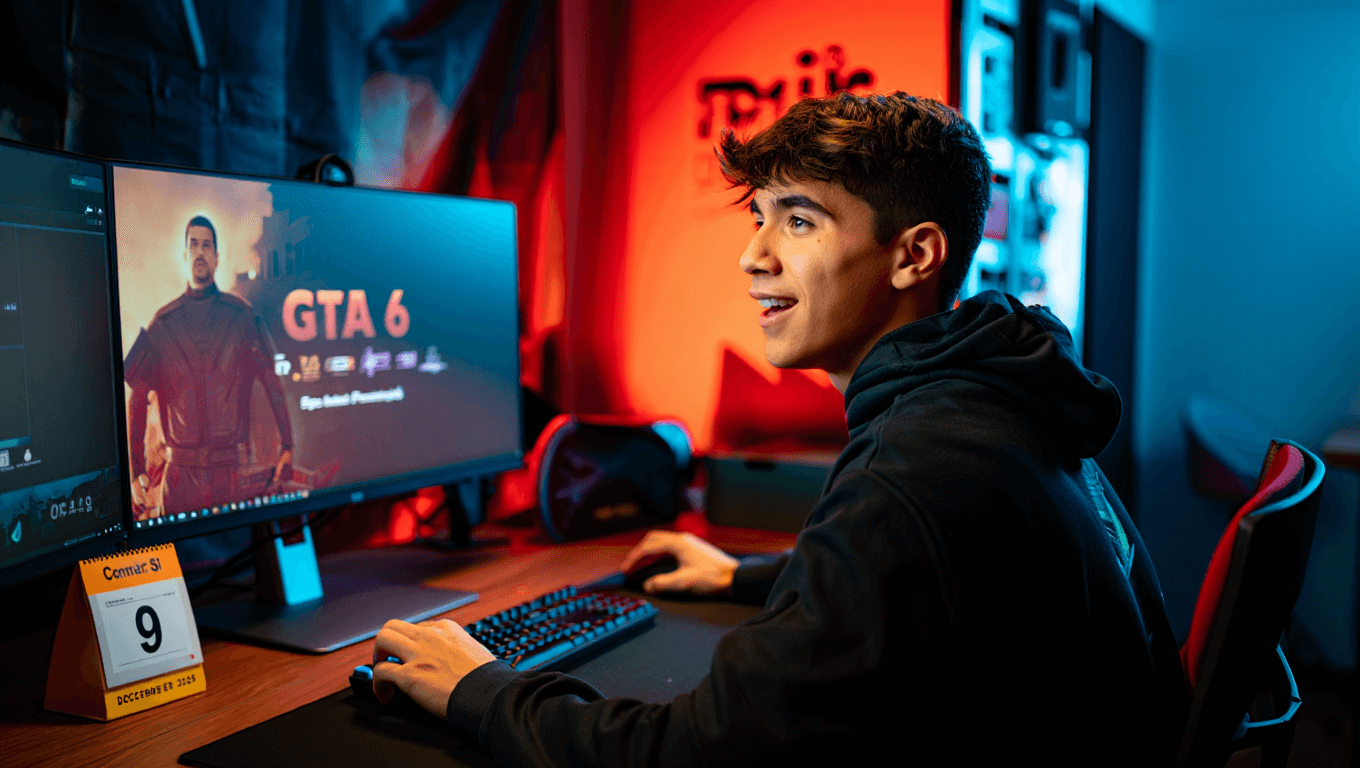
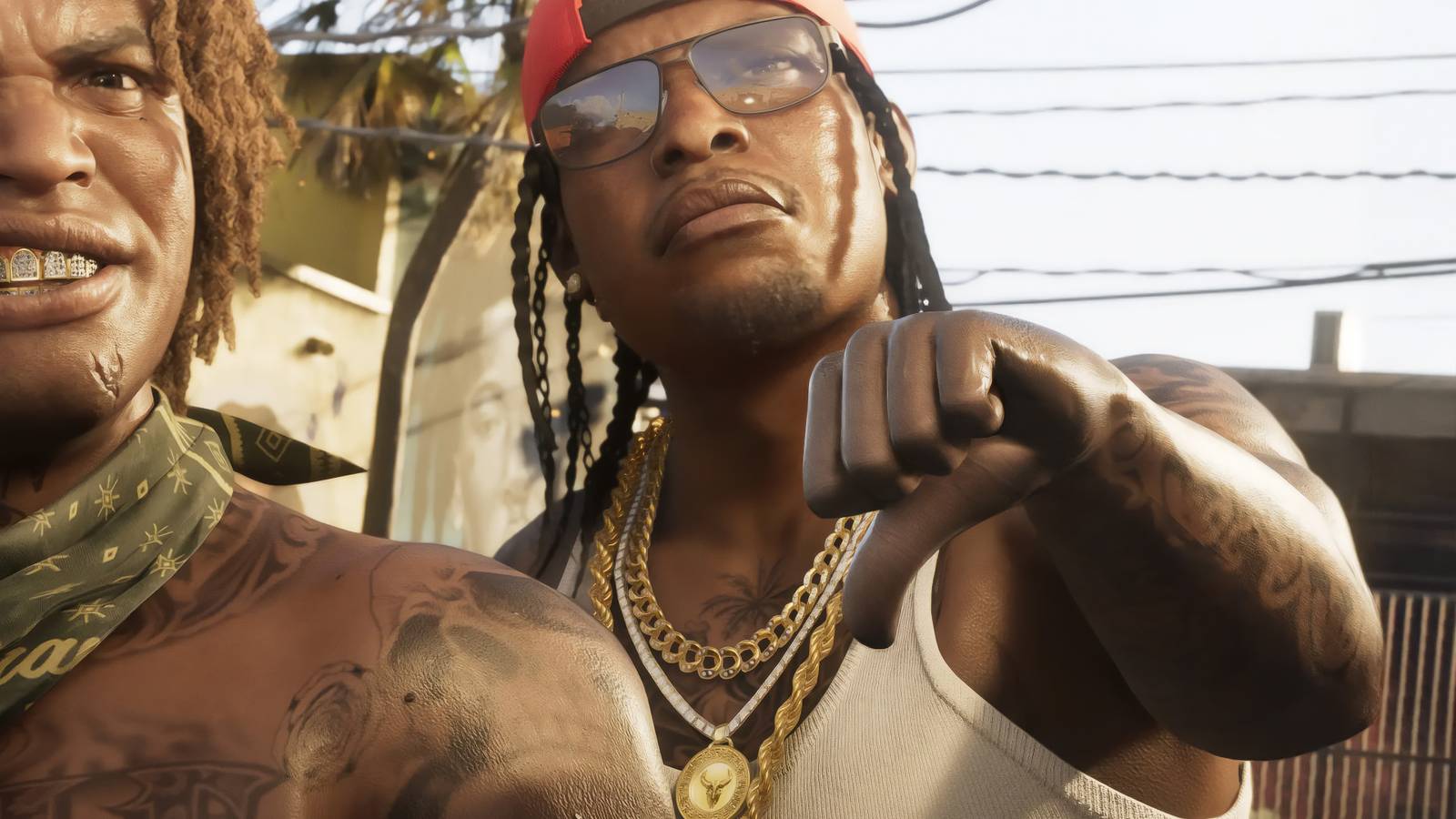
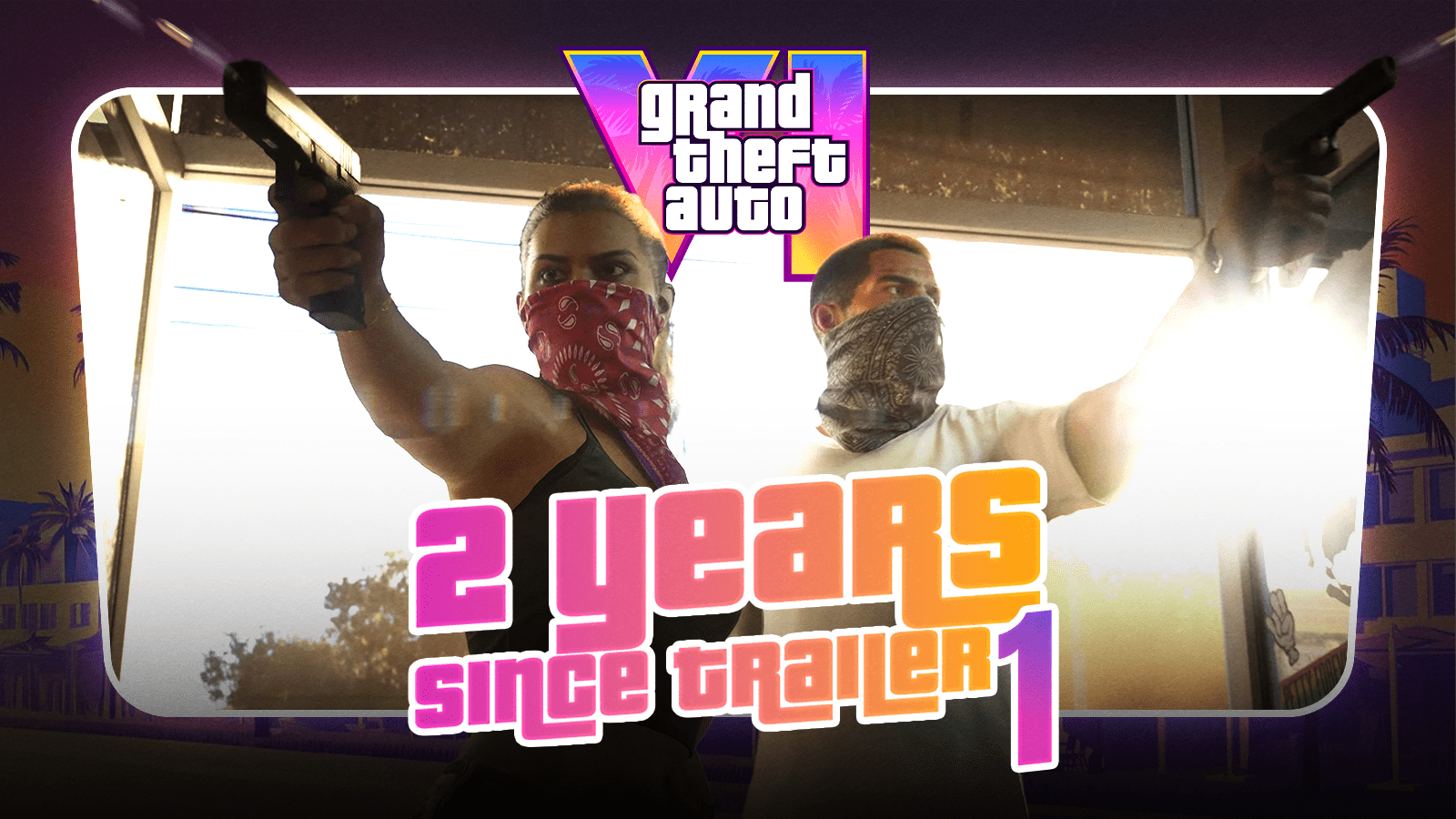
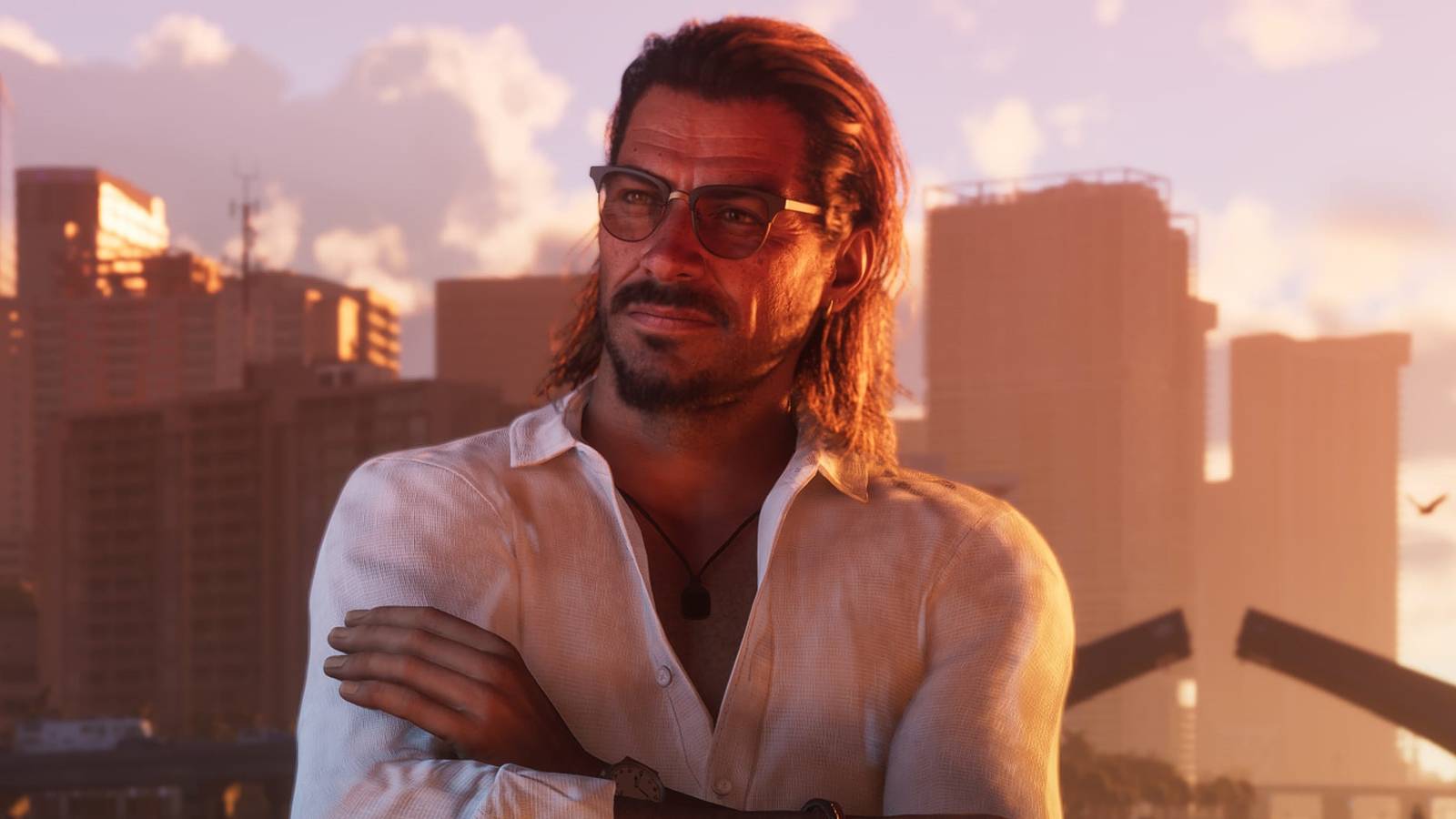
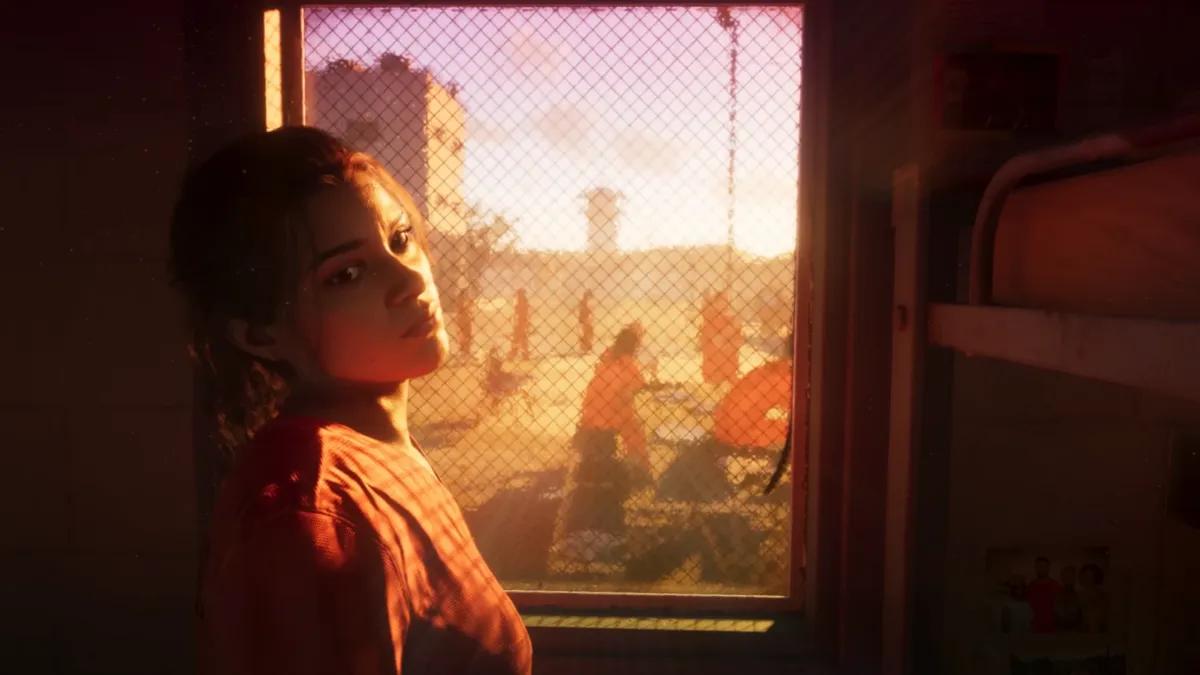
The broader context extends beyond EA, touching on the Grand Theft Auto VI anticipation, which underscores the gaming industry's complex relationship with technological innovation and audience expectations. With GTA VI scheduled for November 2026, the industry is simultaneously excited about technological potential and wary of potential creative disruption. The underlying tension is clear: how can AI enhance rather than replace human creativity?
Strategic Implications are profound. Game developers must now position themselves at the intersection of technological capability and artistic authenticity. The Sims community's skepticism signals a critical market dynamic—technological tools must demonstrate clear value without compromising the creative vision that makes games compelling. For industry stakeholders, this represents both a significant challenge and an unprecedented opportunity to redefine creative production.
Ultimately, this moment represents more than a technological shift—it's a fundamental reimagining of how digital entertainment is conceived, developed, and experienced. The companies that successfully navigate this transition will not just adopt AI, but integrate it as a collaborative tool that amplifies human creativity.
Questions 3
What are the strategic risks of AI in game development?
The primary risks include potential creative homogenization, loss of unique artistic vision, and community backlash. Successful AI integration requires maintaining a clear balance between technological efficiency and preserving the distinctive creative elements that make games compelling.
How is AI changing video game development?
AI is being integrated as a supportive tool for specific technical tasks like texture generation and lighting simulation. Companies like EA are positioning AI as a collaborative technology that enhances rather than replaces human creativity, focusing on efficiency and technical precision.