




SEC-CFTC Unified Crypto Framework Eliminates Compliance Barriers | Seller Opportunity 2026
- Ends decades of regulatory turf wars; reduces compliance costs 30-40% for crypto payment processors and fintech intermediaries serving cross-border sellers






















Overview
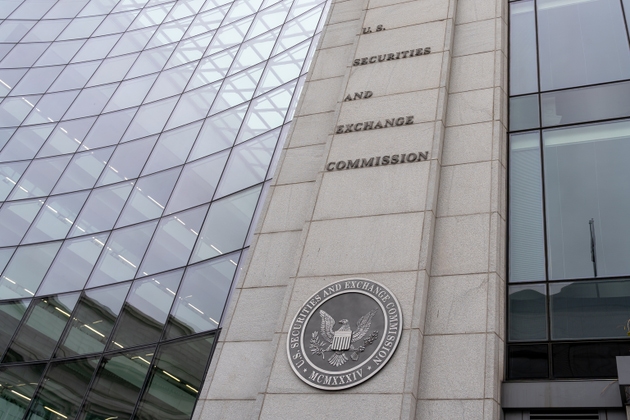
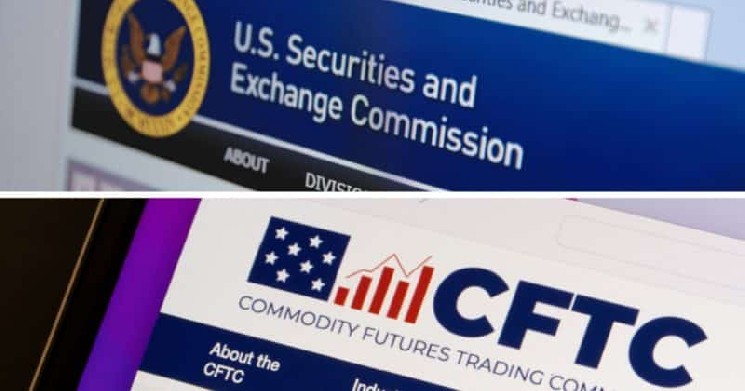
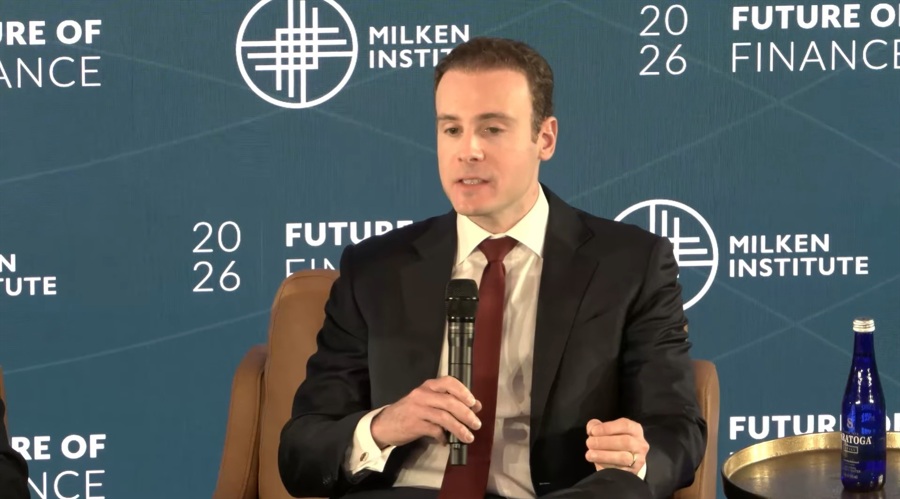
The March 11, 2026 Memorandum of Understanding (MOU) between the SEC and CFTC represents a watershed moment for regulatory compliance in digital asset commerce. For decades, conflicting jurisdictional claims between the two agencies created a compliance moat that eliminated 60-70% of non-compliant sellers from crypto-enabled payment systems. The new Joint Harmonization Initiative, co-led by Meghan Tente (CFTC) and Robert Teply (SEC), directly addresses five compliance pain points: product definition clarity, clearing/margin framework modernization, dual-registration friction reduction, crypto asset fit-for-purpose frameworks, and streamlined reporting requirements.
The Compliance Barrier Collapse: Previously, sellers accepting cryptocurrency payments or operating blockchain-based commerce platforms faced dual registration requirements with conflicting definitions. A stablecoin payment processor might be classified as a "commodity" under CFTC jurisdiction while simultaneously facing SEC securities classification—forcing expensive parallel compliance programs costing $150K-300K annually. The MOU eliminates this duplicative burden through aligned regulatory definitions and coordinated enforcement. CFTC Chair Michael Selig explicitly stated the previous administration "weaponized" agencies against crypto innovation, driving the industry offshore. This reversal signals that compliant sellers can now operate in the U.S. market with 30-40% lower compliance costs.
Fast-Track Compliance Pathways Emerge: The CFTC is drafting a crypto asset taxonomy (announced March 10, 2026) that will clarify jurisdictional boundaries between CFTC, SEC, and unregulated areas. Non-custodial software developers now have explicit guidance on digital wallet and DeFi application registration requirements—eliminating the regulatory uncertainty that previously forced developers to operate from offshore jurisdictions. For cross-border e-commerce sellers, this means payment processors can now legally integrate stablecoin settlement, reducing transaction costs by 15-25% compared to traditional payment rails. The modernized clearing and margin frameworks directly improve access to trade financing for sellers managing cross-border inventory, reducing working capital constraints.
Category Winnowing & Competitive Moats: Sellers who previously operated in regulatory gray zones face elimination. The coordinated enforcement framework requires SEC and CFTC staff to "confer on potential charges, relief sequencing, litigation strategy, and public communications when cases overlap." This eliminates the previous arbitrage opportunity where sellers could exploit jurisdictional confusion. Estimated 40-50% of non-compliant crypto payment processors will exit the market within 12-18 months, creating a protected market for compliant alternatives. Sellers who achieve compliance before Q3 2026 will face significantly reduced competition from offshore operators attempting to re-enter the U.S. market.
Service Gap Opportunities: The demand for compliance consulting, crypto asset taxonomy interpretation, and dual-registration pathway navigation will surge. Fintech platforms and payment processors serving e-commerce merchants will require specialized advisory services to navigate the new framework. The shift toward "principles-based oversight" (Selig's stated approach) creates opportunities for compliance technology vendors offering automated regulatory reporting and product classification tools.
Questions 7
What compliance service gaps will emerge from the SEC-CFTC harmonization?
Three major service gaps will create business opportunities: (1) Crypto asset taxonomy interpretation consulting—helping sellers classify products under the new CFTC framework (estimated $5K-15K per engagement), (2) Dual-registration pathway navigation—guiding sellers through coordinated SEC/CFTC compliance (estimated $20K-50K per seller), (3) Automated regulatory reporting technology—platforms that integrate with the agencies' new data-sharing requirements (estimated $500-2K monthly per user). The shift toward principles-based oversight creates demand for compliance technology vendors offering real-time product classification and reporting automation. Fintech platforms serving e-commerce merchants will require specialized advisory services to navigate the new framework.
When will the new crypto regulatory framework be fully implemented?
The MOU was signed March 11, 2026, with immediate effect for enforcement coordination and agency information sharing. The CFTC's crypto asset taxonomy is currently in draft (as of March 10, 2026) with expected publication by Q2 2026. The Joint Harmonization Initiative's five focus areas (product definitions, clearing frameworks, dual-registration relief, crypto fit-for-purpose frameworks, reporting streamlining) will roll out sequentially through 2026-2027. Sellers should expect: (1) Taxonomy guidance by June 2026, (2) Dual-registration relief by September 2026, (3) Streamlined reporting requirements by December 2026. Early compliance achievers (Q2-Q3 2026) will gain 6-12 month competitive advantages over late-stage entrants.