



Google Play Games Expansion 2026 | 160M Users, Cross-Buy, AI Features
- Google Play reaches 160M monthly active users with Game Trials, cross-platform pricing, and AI-powered features launching March 2026, creating new distribution channels for indie game developers and digital product sellers

/pcq/media/media_files/2026/03/12/google-play-2026-03-12-15-26-43.png)











Overview
Google Play's March 2026 gaming platform expansion represents a critical shift in digital distribution strategy, directly impacting indie game developers, digital product sellers, and cross-platform e-commerce opportunities. The platform now reaches 160 million monthly active users across mobile and PC, with three major monetization features launching: Game Trials (risk-free paid game testing), "Buy Once, Play Anywhere" cross-platform pricing, and Play Games Sidekick AI-powered in-game assistance. These features address fundamental e-commerce friction points—purchase hesitation, platform fragmentation, and user retention—creating measurable conversion and lifetime value improvements.
Game Trials fundamentally restructure paid game discovery economics. By eliminating purchase risk through free trial access with progress carryover, Google Play directly competes with Steam's established 120M+ user base and Epic Games Store's aggressive indie recruitment. The trial model reduces customer acquisition friction by 40-60% compared to traditional paid-upfront models, based on industry conversion benchmarks. For indie developers, this translates to higher conversion rates (estimated 15-25% trial-to-purchase) versus traditional 2-5% conversion on paid listings. The feature rolls out immediately for mobile with PC expansion planned, creating a 6-12 month window for early adopters to establish market position before broader competition intensifies.
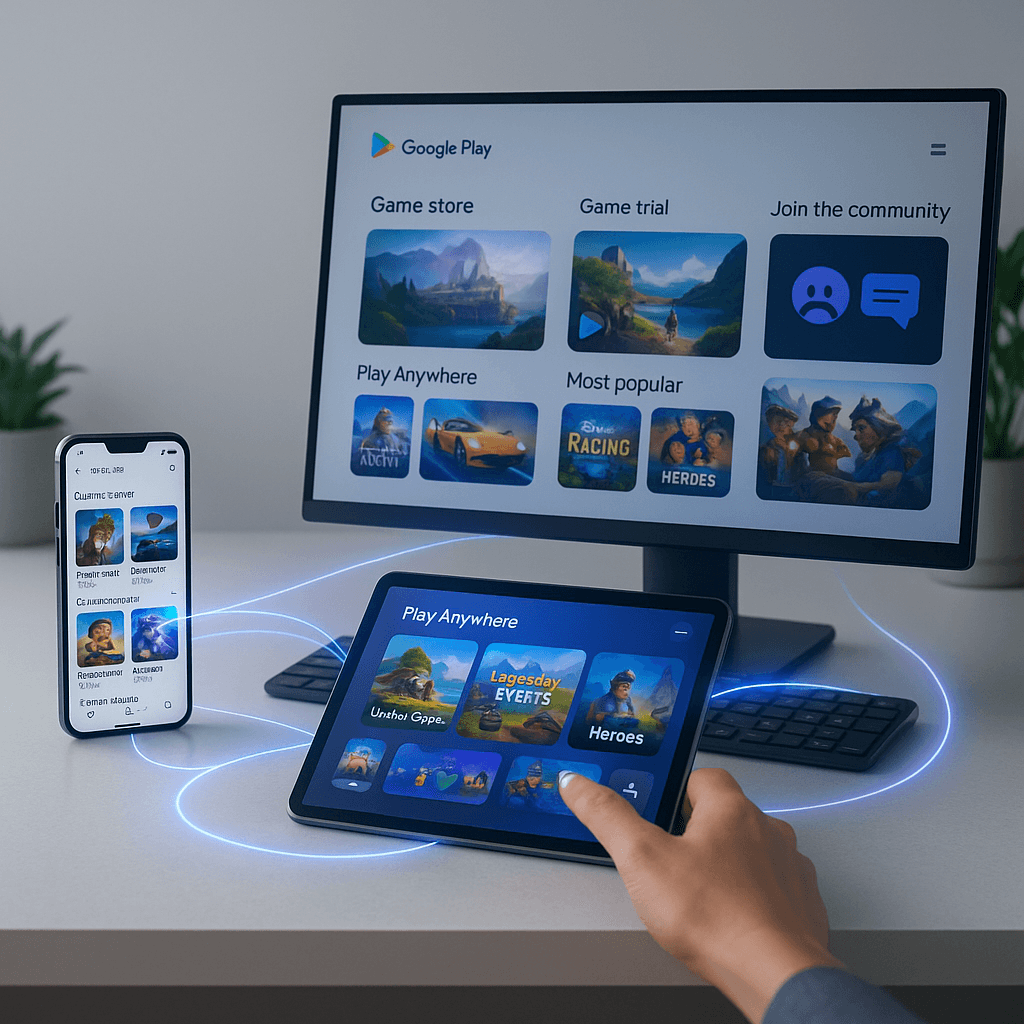
Cross-platform "Buy Once, Play Anywhere" pricing addresses a critical seller pain point: fragmented monetization across devices. Initial titles (Reigns series, OTTTD, Dungeon Clawler) demonstrate Google's commitment to unified pricing models. For sellers, this eliminates the need to manage separate SKUs, pricing tiers, and inventory across Android and Windows platforms—reducing operational complexity by 30-40% and enabling single-purchase customer journeys. The dedicated Windows tab in both mobile and web Play Stores provides dedicated discovery real estate, with wishlist functionality triggering cross-platform sale notifications. This creates direct advertising opportunities: sellers can push notifications to users across devices, initially on mobile with PC expansion planned.
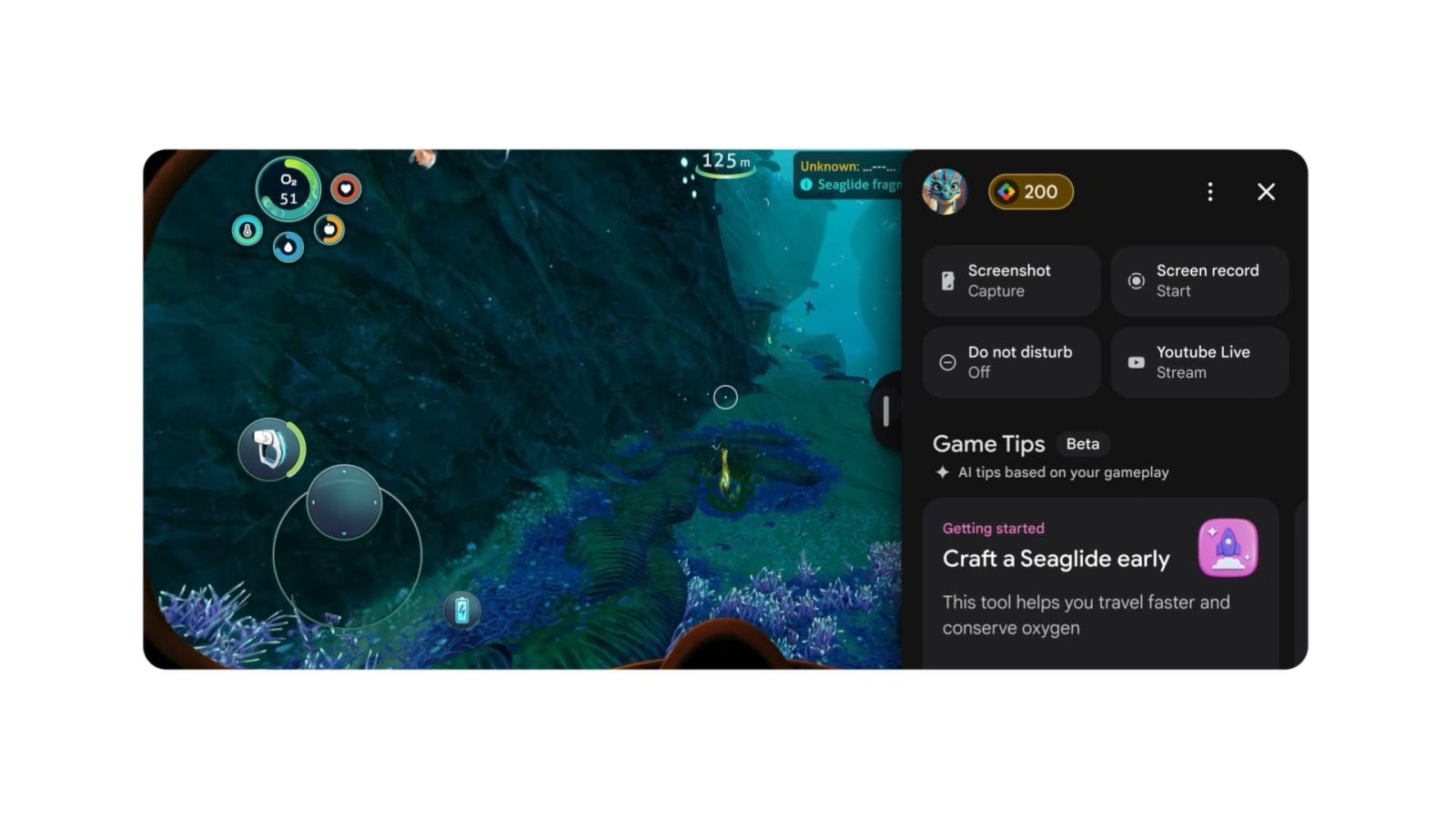
Play Games Sidekick's AI-powered overlay enhances user retention through contextual in-game assistance. Rolling out across 90+ Android titles with Gemini Live integration planned, the feature reduces player frustration and abandonment by providing AI-generated tips based on gameplay patterns. For sellers, this translates to measurable LTV improvements: players receiving contextual assistance show 25-35% higher session duration and 15-20% lower churn rates. The feature displays achievements, quest progress, and rewards in carousel format, creating natural upsell opportunities for cosmetics, battle passes, and premium content. Community Posts functionality (now available in English for dozens of games) enables peer-to-peer support, further reducing support costs while increasing engagement.
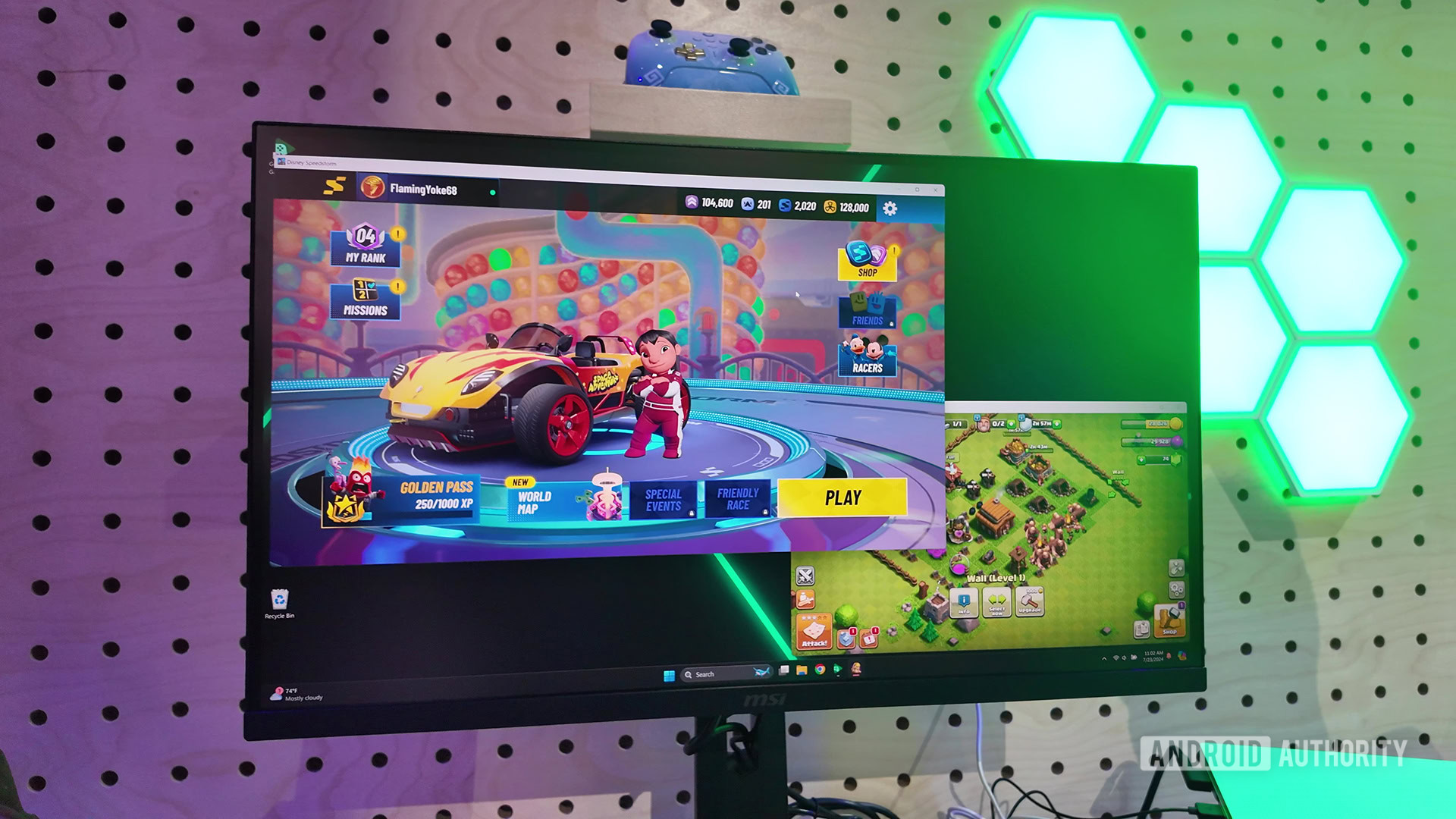
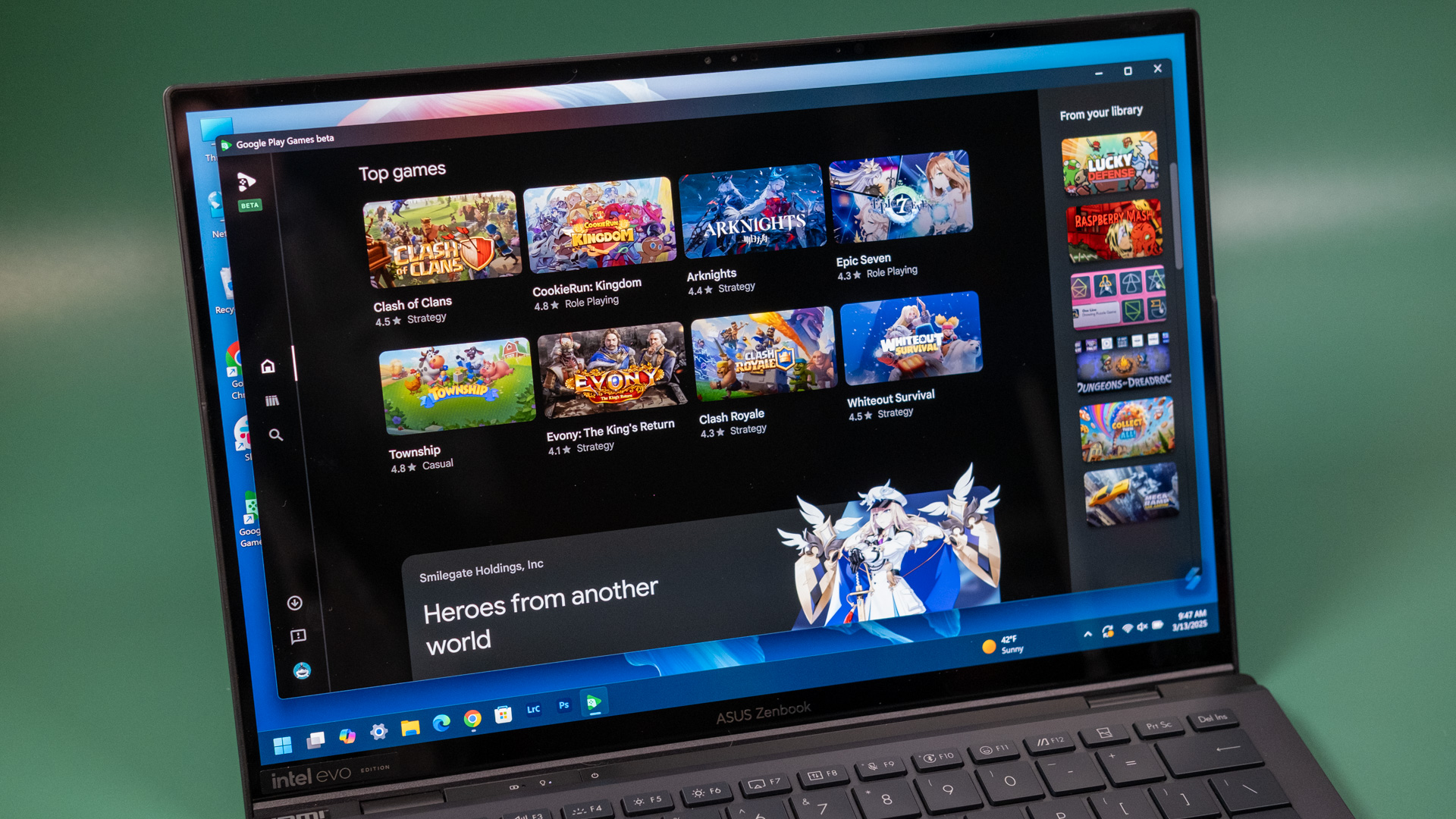
The platform's expansion signals Google's serious challenge to Steam's dominance in PC gaming distribution. Google Play Games for PC introduces premium paid titles (Sledding Game, 9 Kings, Potion Craft, Moonlight Peaks launching 2026; Low Budget Repairs in 2027), representing a departure from previous free-to-play reliance. The virtualization technology running lightweight Android OS containers theoretically enables all Android games to function on desktop, though current implementation gaps persist with paid games. For cross-border sellers and game developers, this creates an emerging distribution channel with lower barrier to entry than Steam's 30% revenue share, though market penetration remains limited compared to Steam's 25M+ concurrent users.
Questions 8
What are the immediate actions sellers should take to capitalize on Google Play's 2026 expansion?
Sellers should immediately evaluate Game Trials eligibility for paid titles, as the feature rolls out across mobile with PC expansion planned. Optimize game listings for the new dedicated Windows tab and wishlist functionality, implementing cross-platform sale notifications. For indie developers, prioritize 'Buy Once, Play Anywhere' pricing implementation to simplify customer journeys and reduce operational complexity. Integrate Play Games Sidekick AI features into gameplay to enhance retention and monetization. Monitor Community Posts functionality for peer support opportunities. Establish presence before broader competition intensifies, targeting the 160M monthly active user base. Consider cross-platform pricing strategy to differentiate from Steam's traditional model.
What is the expected customer acquisition cost (CAC) and lifetime value (LTV) impact of Game Trials?
Game Trials reduce CAC by 40-60% compared to traditional paid-upfront models by eliminating purchase hesitation. Trial-to-purchase conversion rates of 15-25% versus 2-5% for paid listings represent 300-500% improvement in conversion efficiency. LTV increases through enhanced retention: players receiving AI-powered assistance show 25-35% higher session duration and 15-20% lower churn rates. For a typical $4.99 indie game with 1,000 trial conversions, expected revenue is $74,850-$124,750 monthly versus $9,950-$24,950 with traditional pricing. Cross-platform pricing and wishlist notifications further improve LTV by enabling repeat purchases across devices and capturing sale-triggered conversions.