

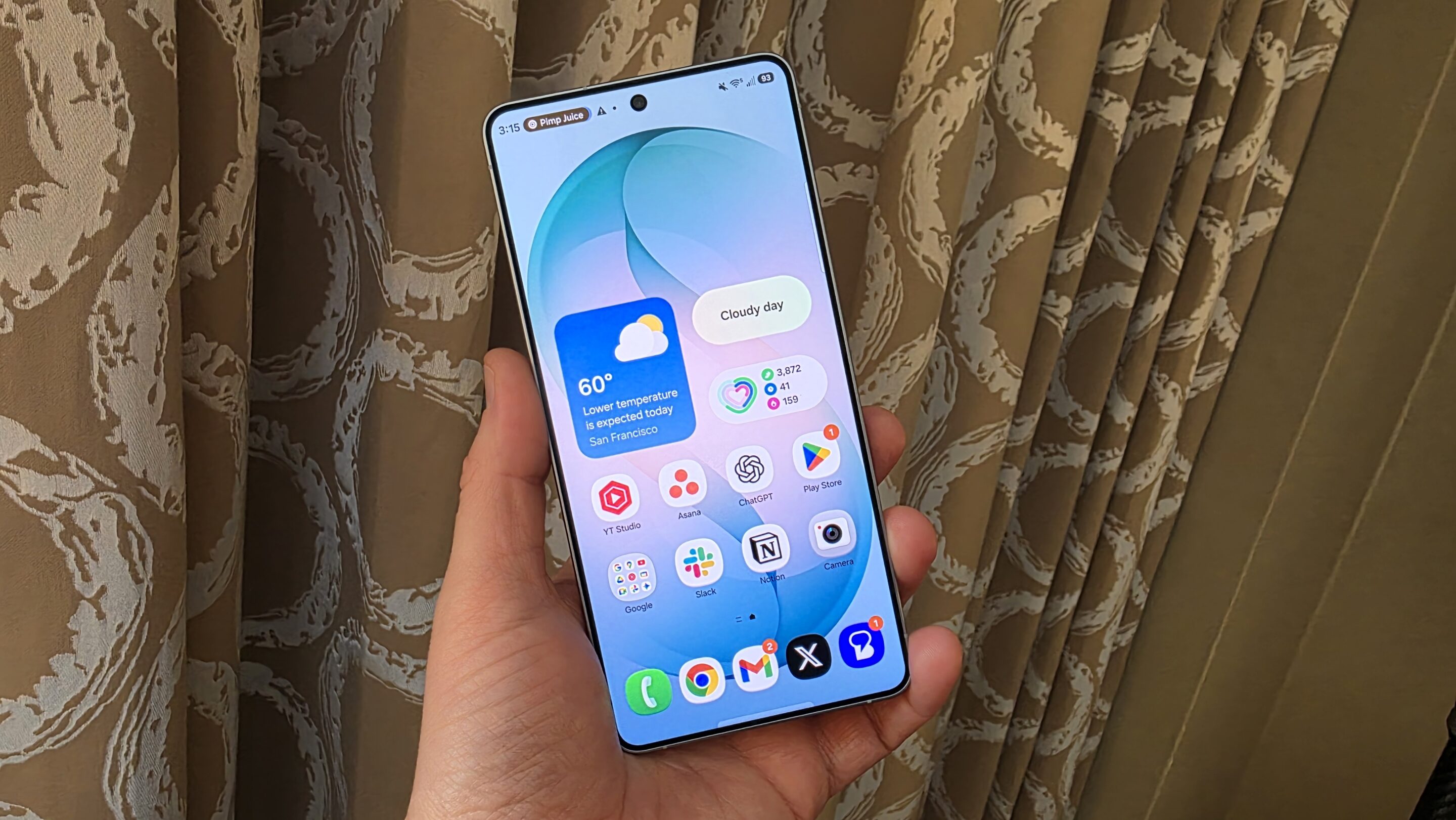




Samsung Galaxy S26 Launch Creates Refurbished Phone Arbitrage Opportunity | Sellers Can Capture $200+ Per Unit
- Trade-in values plummet 22-48% post-launch; refurbished device resale category expands with $2.1B+ annual opportunity for cross-border sellers










Overview
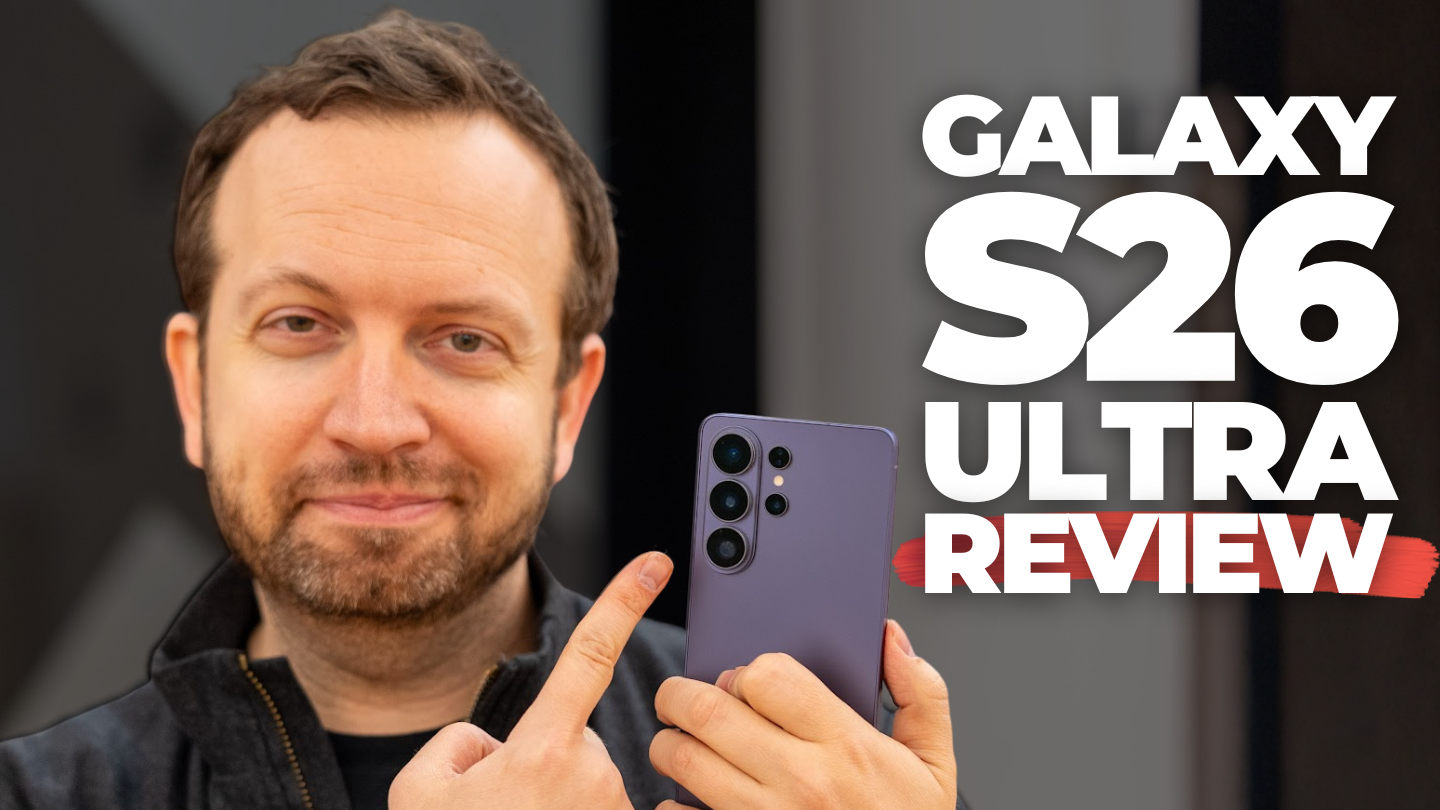
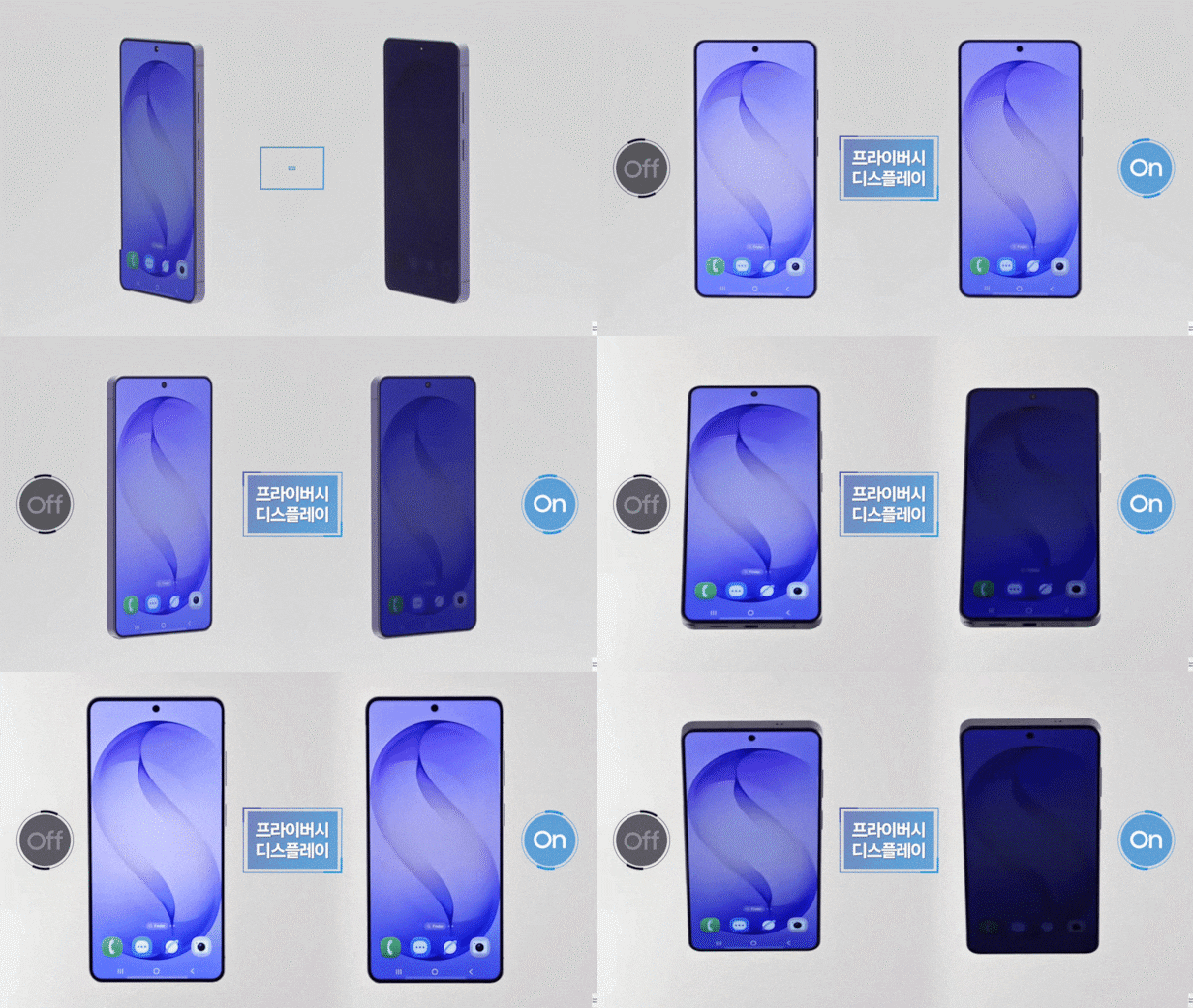
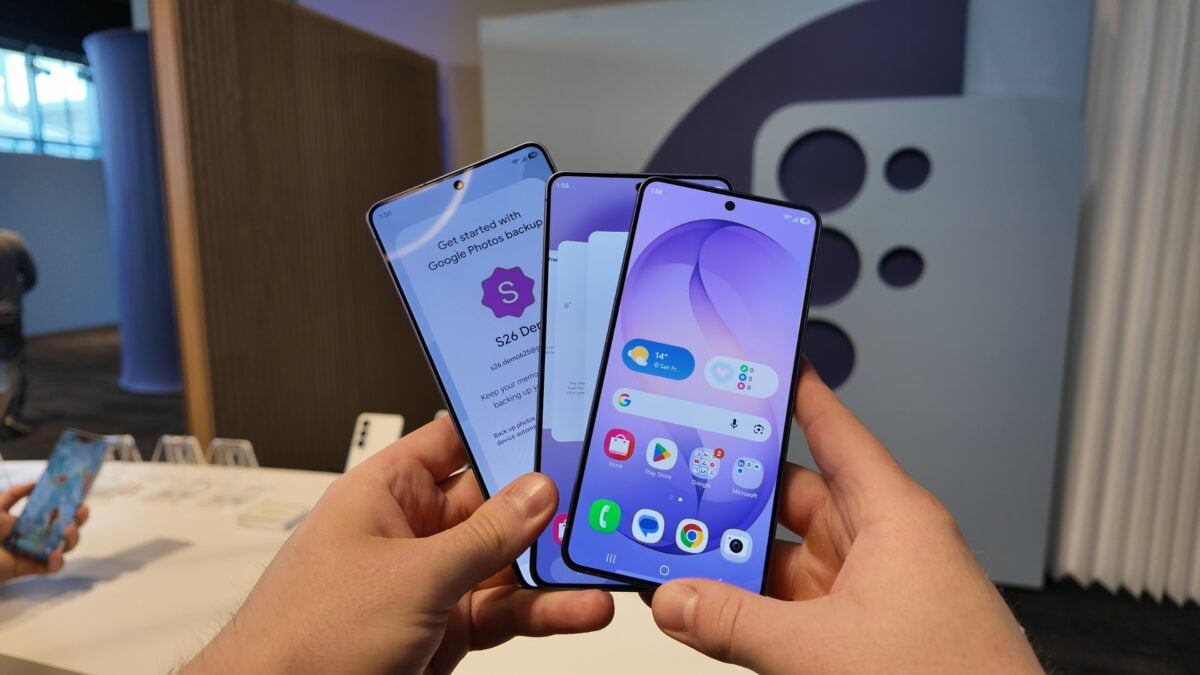
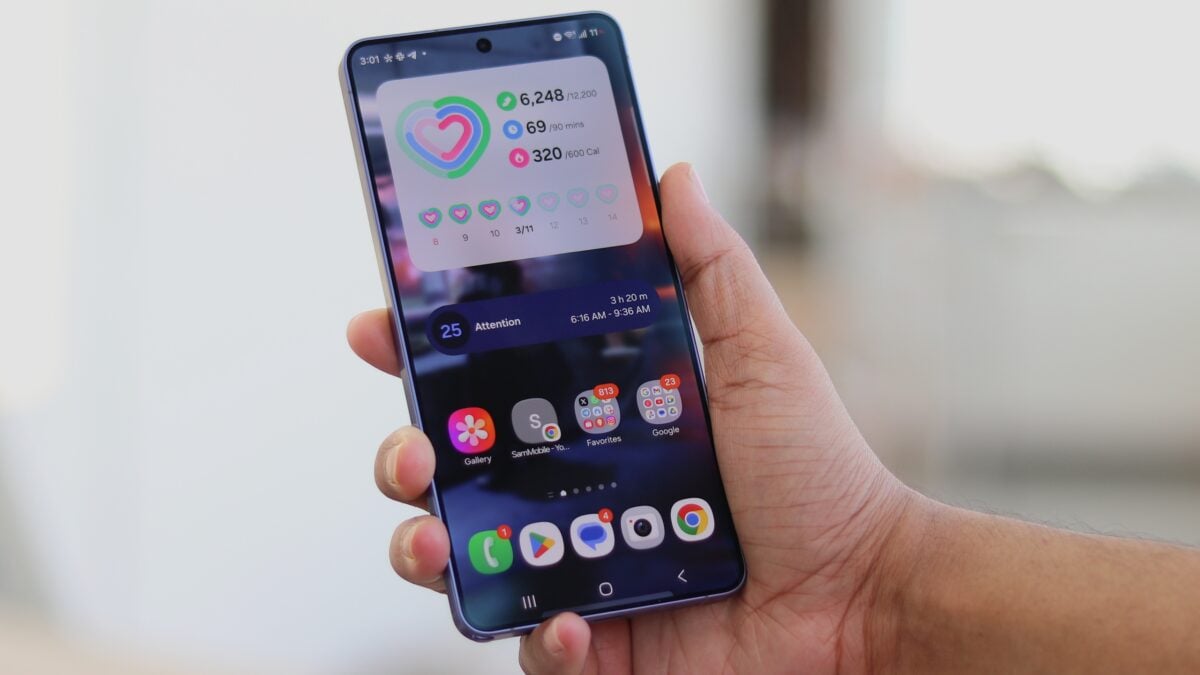
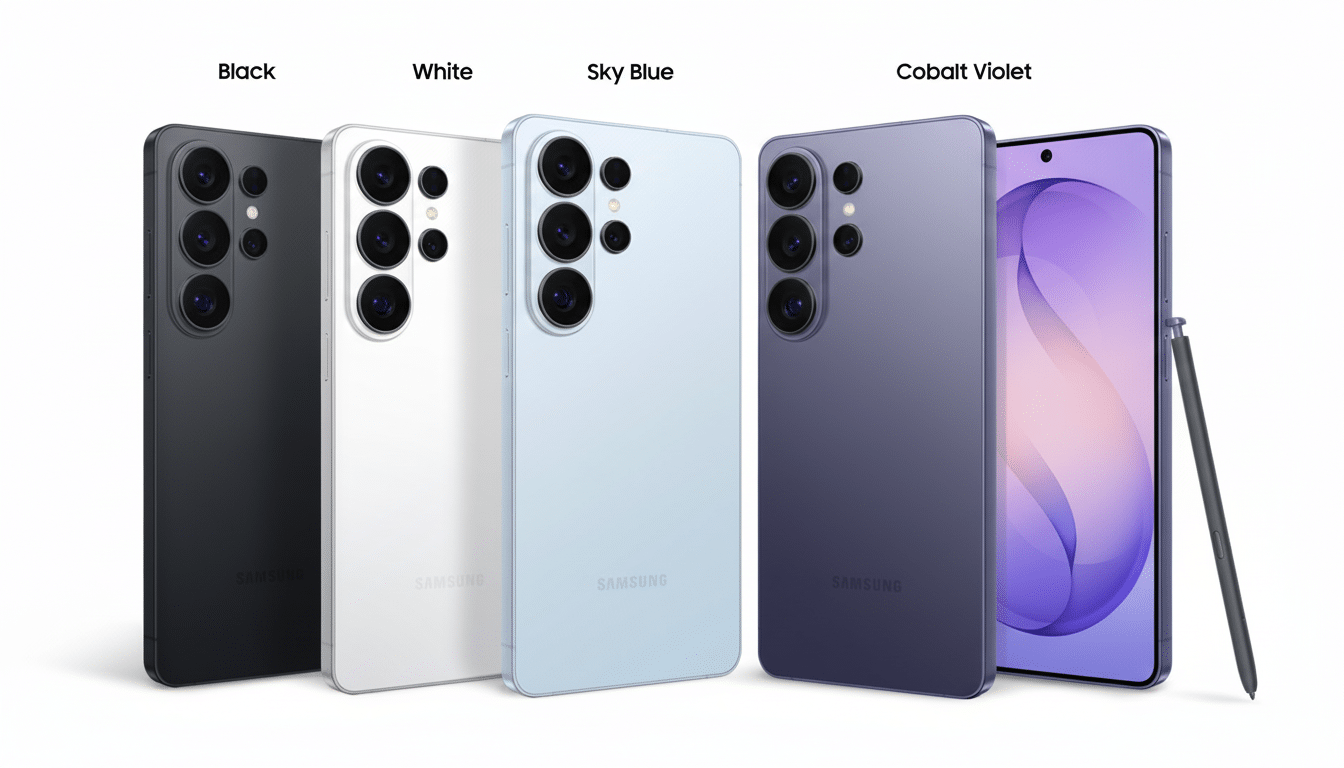
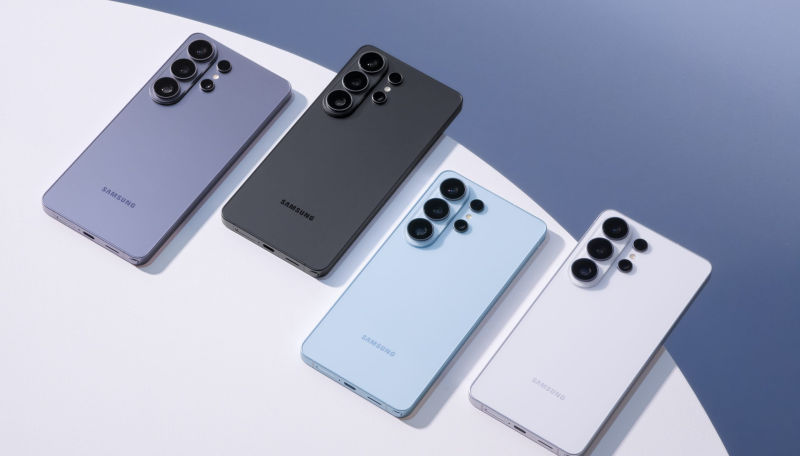
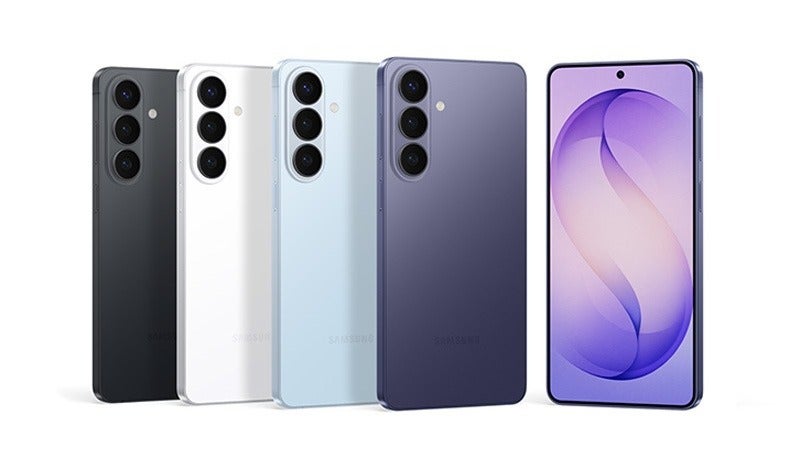
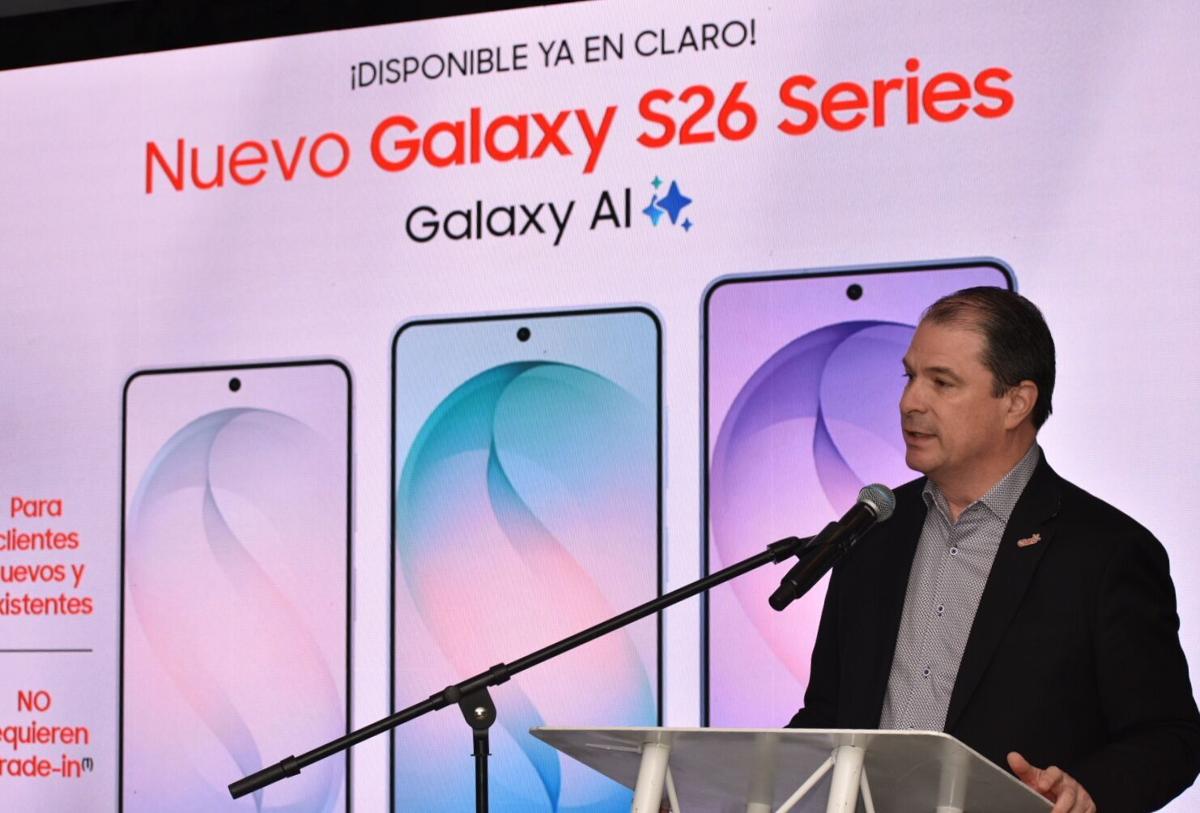
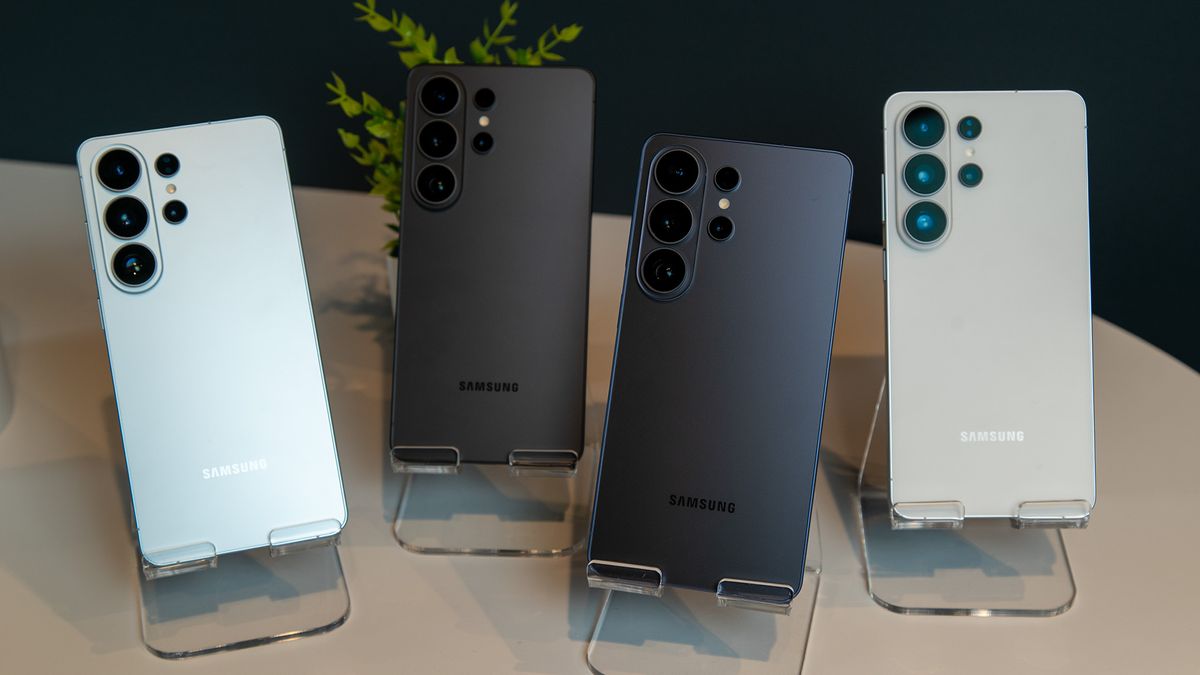
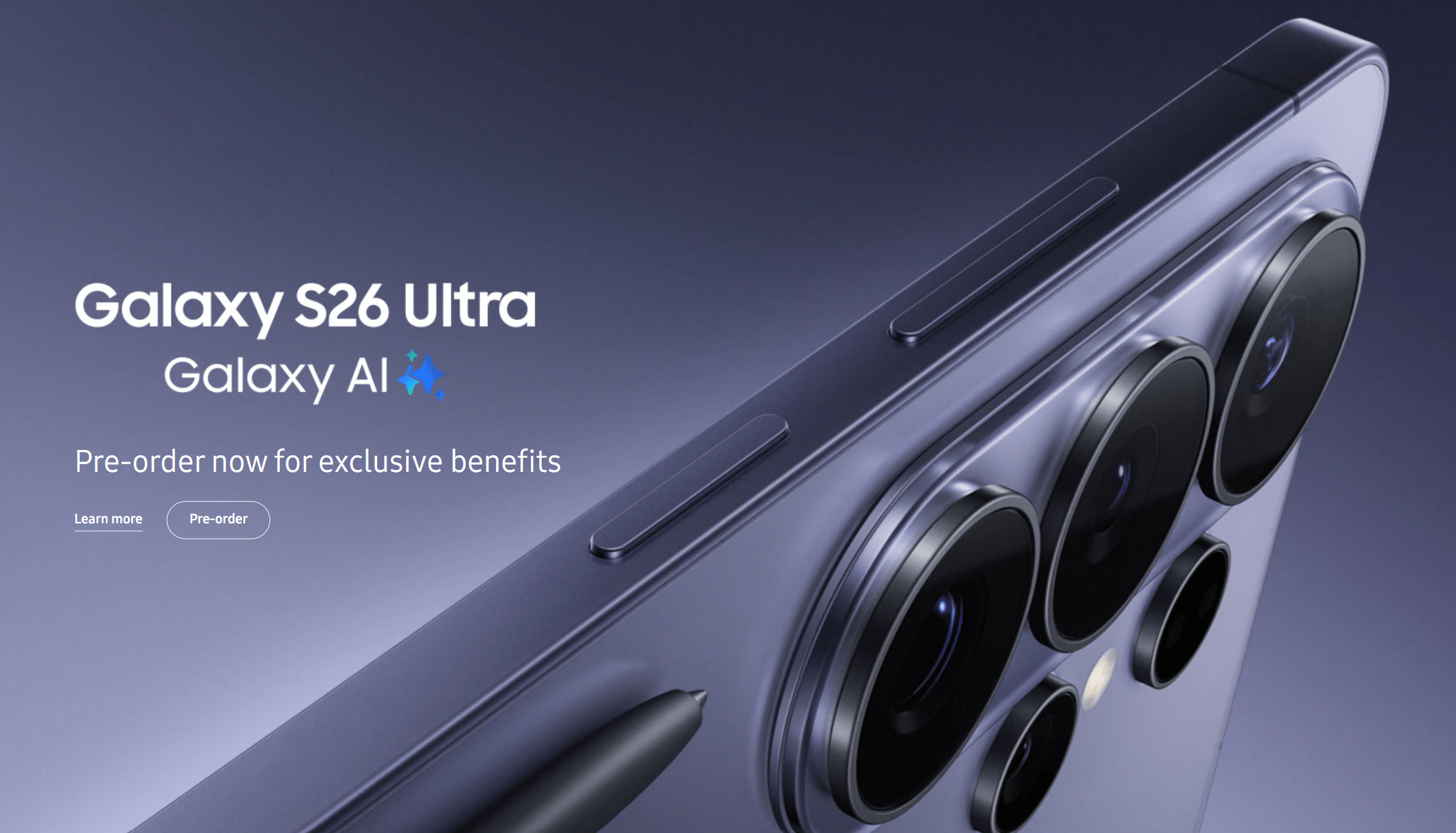
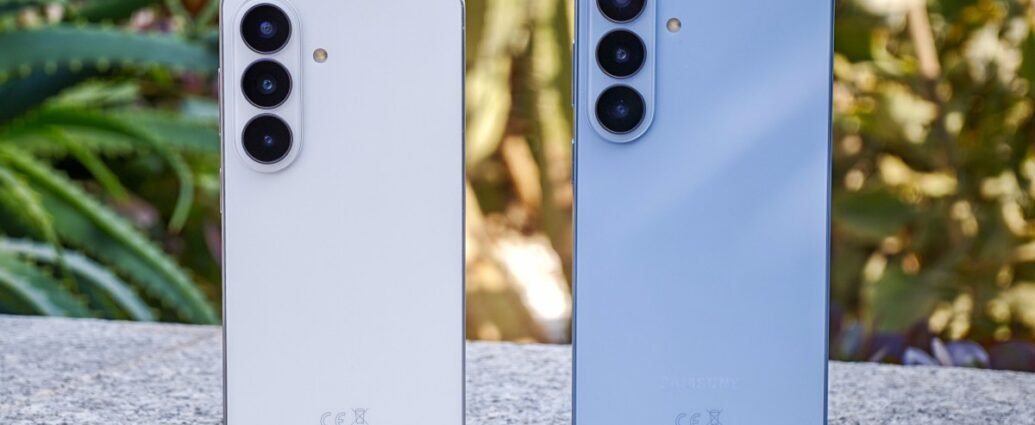
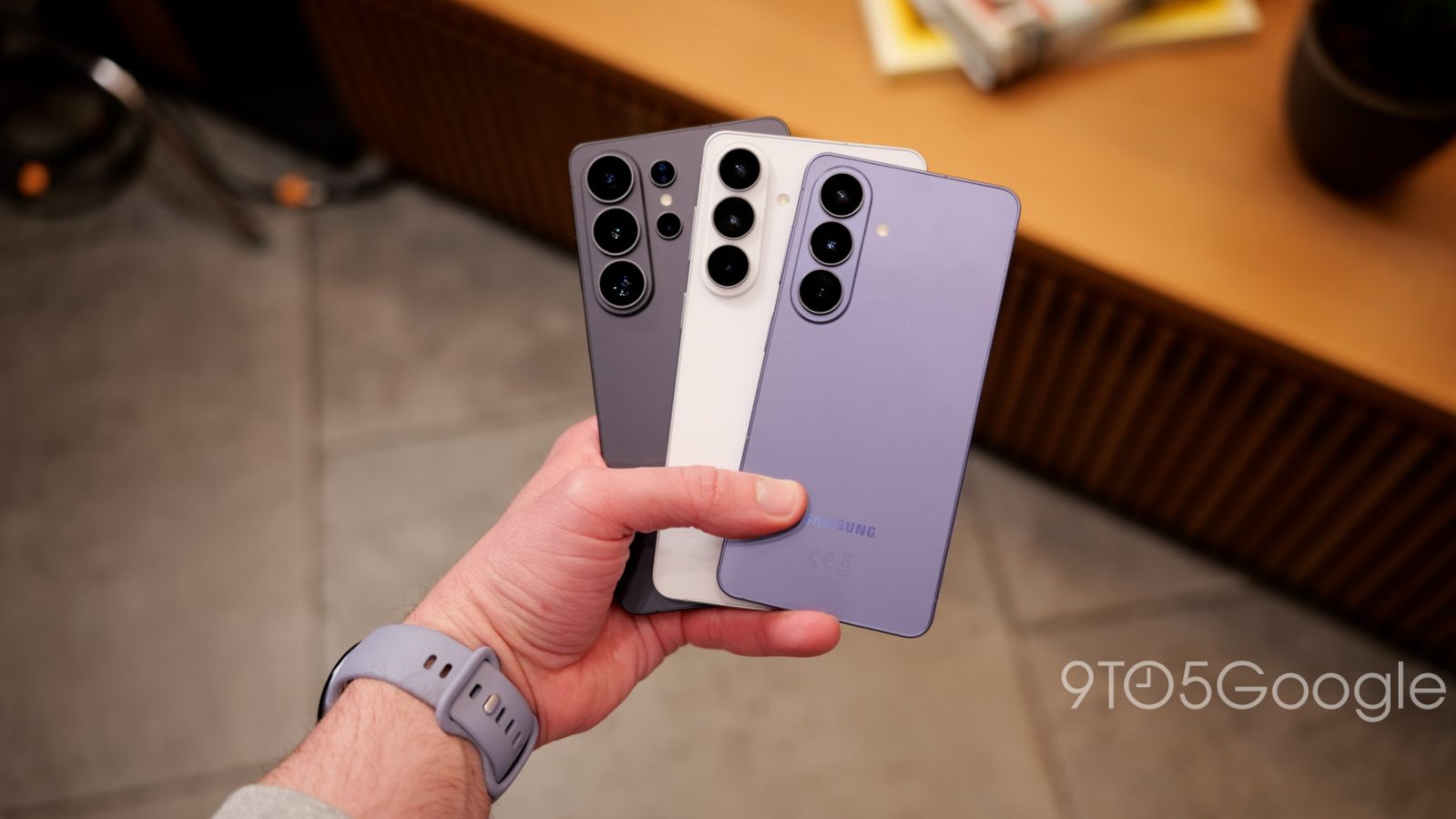
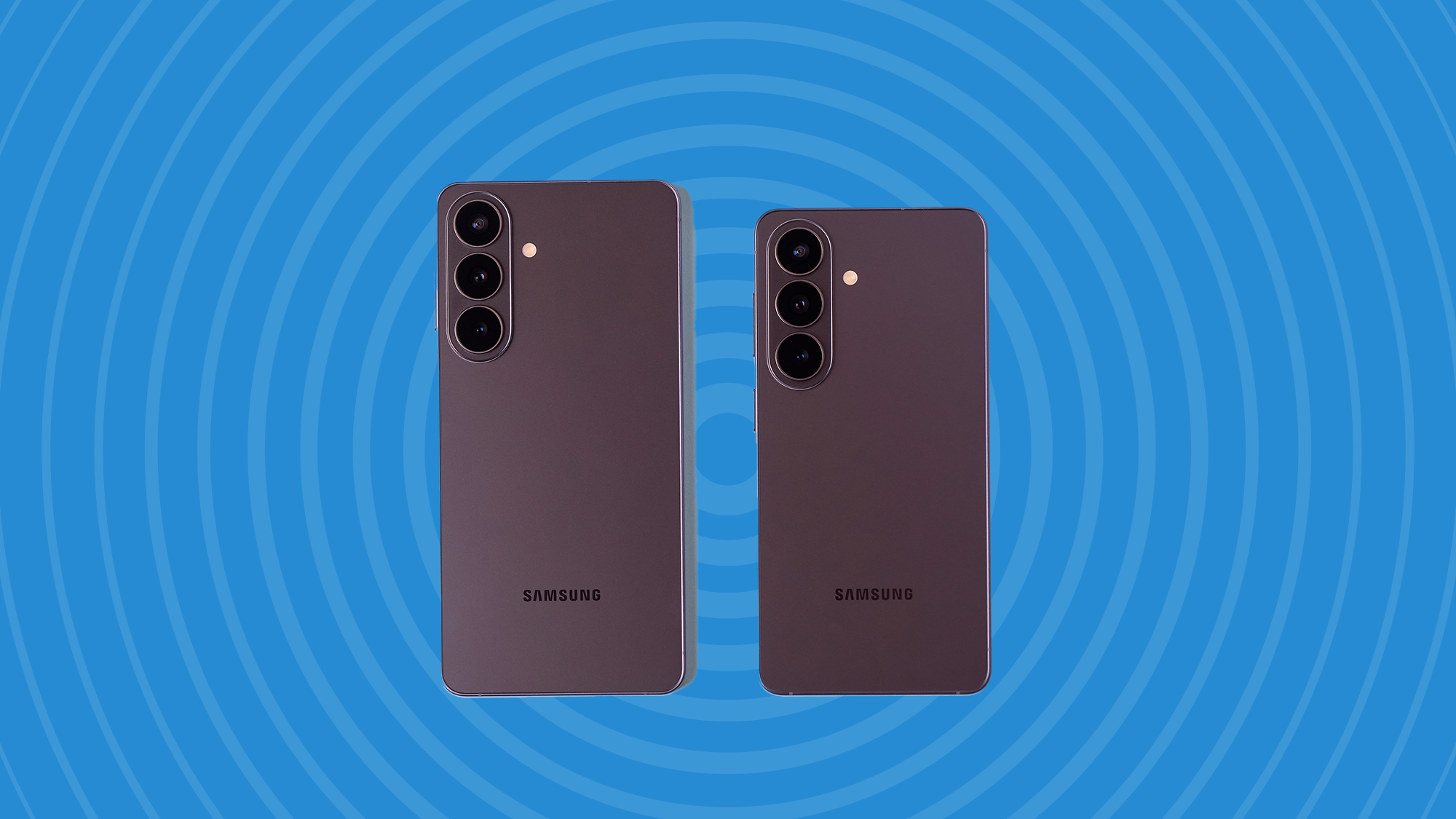
The Samsung Galaxy S26 series launch reveals a critical arbitrage opportunity for e-commerce sellers in the refurbished and used electronics category. Trade-in values have collapsed dramatically post-launch: the Galaxy S26 Ultra dropped from ~$920 pre-order to $720 (22% decline), Galaxy Z Fold 6 fell from $900 to $400 (56% decline), and Google Pixel 8 Pro crashed from $370 to $193 (48% decline). This pricing volatility creates a 30-45 day window where savvy sellers can source discounted devices through carrier promotions (Verizon free S26, AT&T $230+ trade-in deals, T-Mobile free S26 Ultra) and resell them on Amazon, eBay, and Swappa at higher margins.
AI-Powered Automation Opportunity: Sellers can deploy price monitoring bots to track trade-in value fluctuations across Samsung, carrier websites, and competitor platforms in real-time. Machine learning models can predict optimal sourcing windows by analyzing historical launch patterns—Samsung consistently offers aggressive pre-order incentives that collapse 21-28 days post-launch. Automated alerts can notify sellers when trade-in spreads exceed 15-20%, triggering bulk sourcing decisions. This automation saves 8-12 hours weekly in manual price research and enables sellers to capture 200-300 unit volumes during peak arbitrage windows.
Data-Driven Inventory Strategy: The $100 price increase from Galaxy S25 ($800) to S26 ($900) signals strong consumer demand for flagship devices, but the trade-in collapse indicates market saturation. Sellers should use AI demand forecasting to identify which older models (Galaxy S22 Ultra, Note 20 Ultra) retain value longest—these become higher-margin resale targets. Refurbished device listings on Amazon and eBay typically command 65-75% of new retail prices, meaning a $130 Galaxy Note 20 Ultra sourced via trade-in can resell for $280-320, generating $150-190 gross profit per unit before platform fees (12-15% on eBay, 8-10% on Amazon).
Competitive Intelligence: Carriers' aggressive bundling (free devices with line activation) signals they're clearing inventory ahead of next-generation launches. Sellers monitoring carrier promotions gain 2-3 week lead time on wholesale sourcing before other resellers identify the opportunity. This creates a defensible competitive moat: first-movers can acquire 500+ units at optimal pricing before spreads compress. The pattern repeats every 12 months with new flagship launches, making this a recurring revenue stream for sellers who systematize the sourcing process.
Questions 7
What AI tools should sellers use to automate Galaxy S26 trade-in monitoring?
Sellers should deploy price monitoring bots (Keepa for Amazon, eBay price tracking APIs, Samsung trade-in API scraping) to track trade-in value fluctuations across platforms hourly. Machine learning demand forecasting tools (Jungle Scout, Helium 10) can predict resale price trajectories based on historical Galaxy launch patterns. Inventory management systems (TradeGecko, Cin7) should integrate trade-in data feeds to auto-trigger sourcing alerts when spreads exceed 15-20%. Email notification systems can alert sellers within 2 hours of trade-in value drops, enabling faster sourcing decisions. This automation stack costs $200-400/month but saves 8-12 hours weekly in manual research and enables sellers to capture 2-3x more volume during peak arbitrage windows. ROI typically exceeds 300% in first month through volume gains alone.
How do refurbished phone margins compare across Amazon, eBay, and Swappa?
Amazon FBA takes 8-10% commission on electronics plus $0.40-0.60 per unit fulfillment fee, leaving sellers with 82-92% of sale price after fees. eBay takes 12-15% commission (final value fee + insertion fees), leaving 85-88% after fees. Swappa takes 8.5% commission but requires seller to handle shipping, adding $8-15 per unit cost. For a $300 Galaxy S26 resale: Amazon nets $246-276 after fees, eBay nets $255-264, Swappa nets $255-267 after shipping. Amazon offers better margins on high-volume sales due to FBA efficiency, while eBay and Swappa work better for 1-2 unit sales. Sellers should use Amazon for bulk inventory (100+ units) and eBay/Swappa for opportunistic sales. Refurbished device margins typically range 35-45% gross profit before platform fees, 25-35% net profit after fees.