


GLP-1 Addiction Treatment Market Expansion | $2.8B Pharma Opportunity & Wellness Product Demand Surge
- Breakthrough research shows 39-50% reduction in overdose/addiction deaths; 48.4M Americans eligible; creates $2.8B+ pharmaceutical market opportunity and drives demand for complementary wellness, recovery, and health monitoring products

















Overview
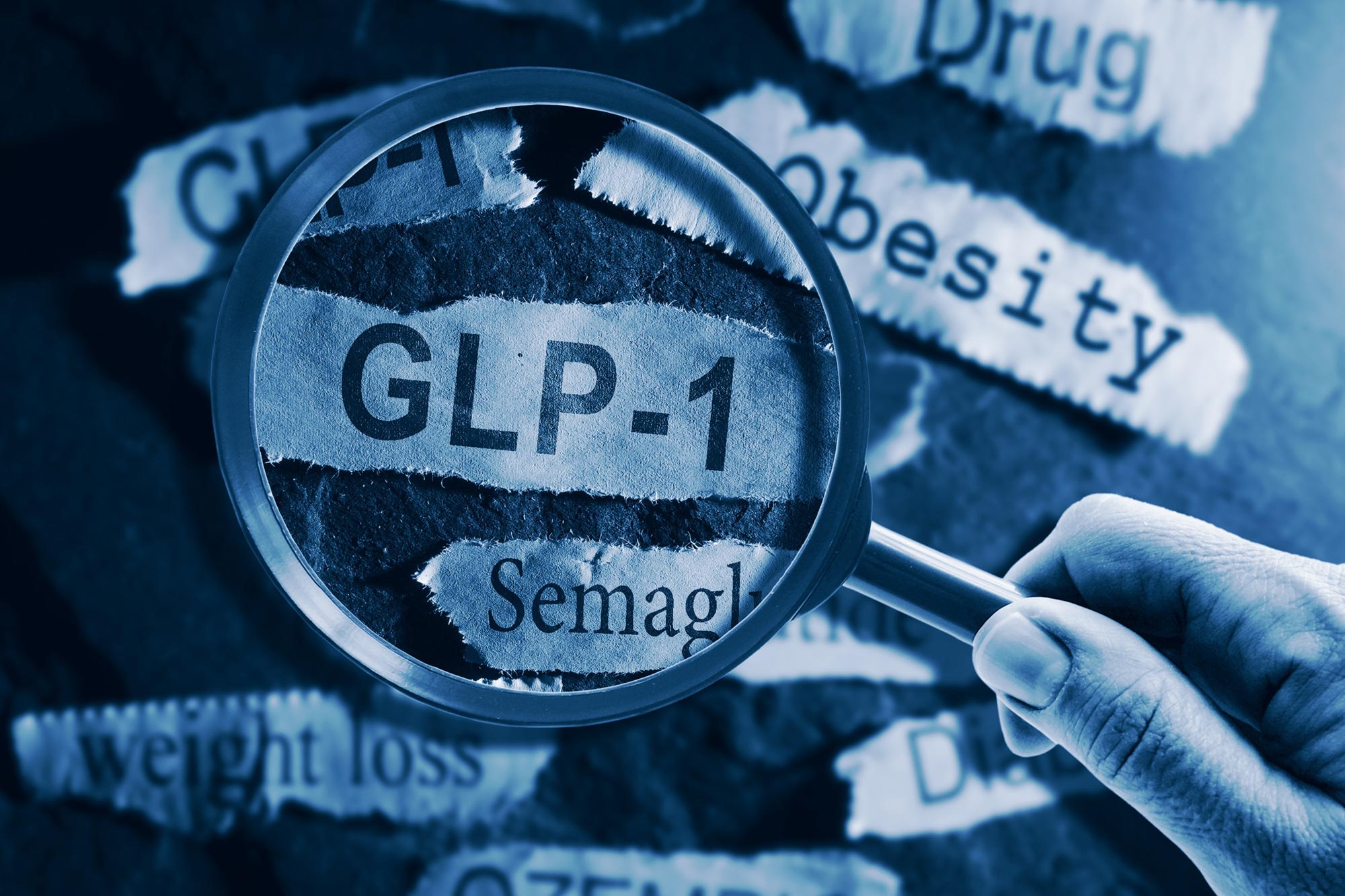
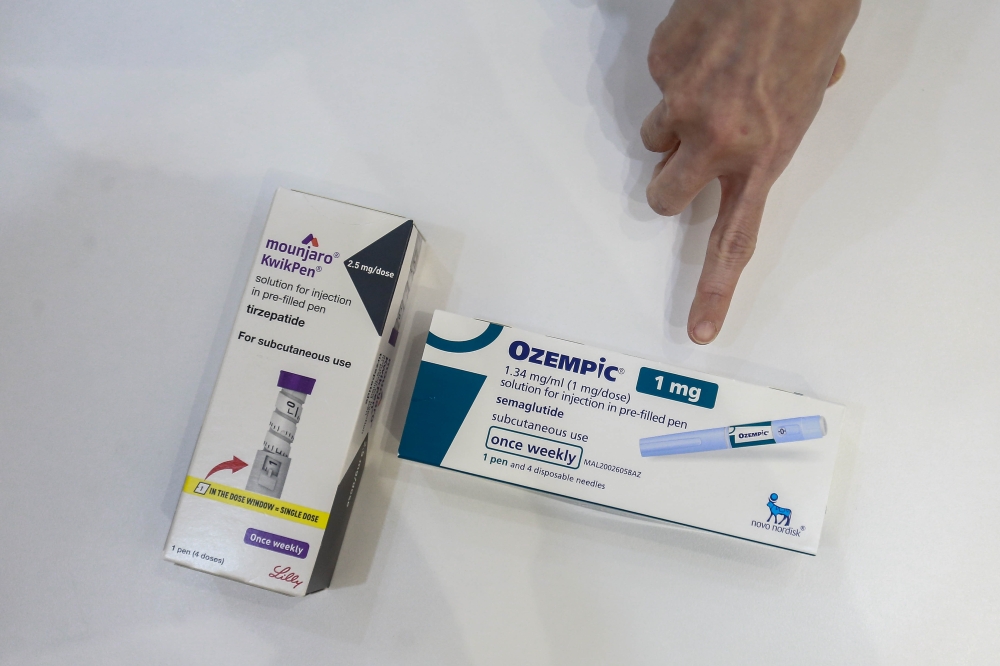
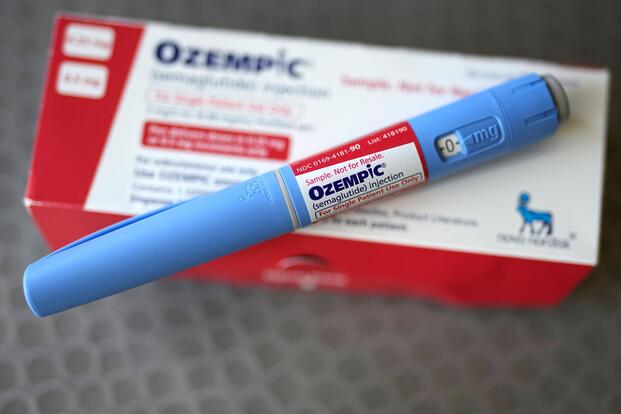
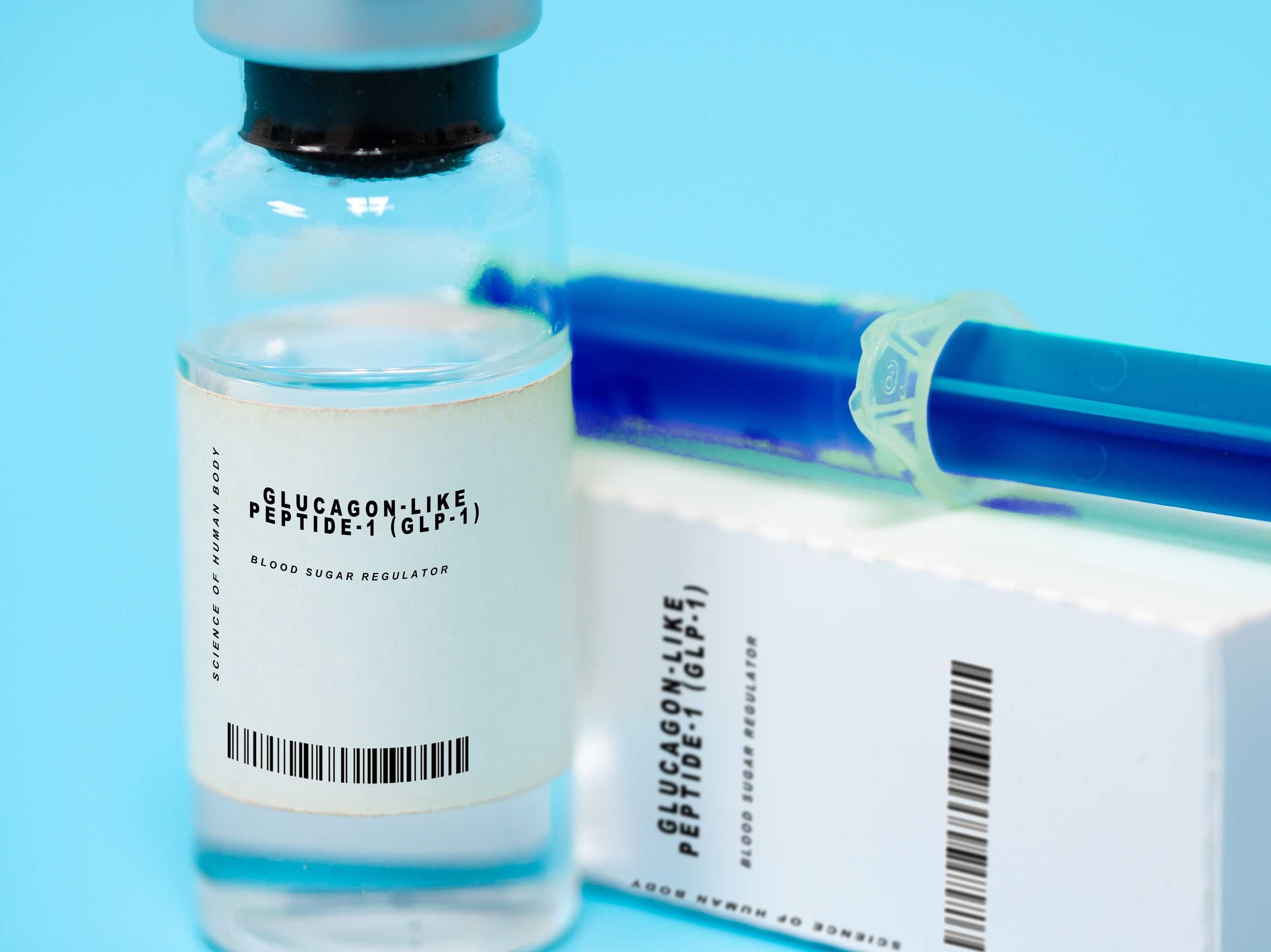
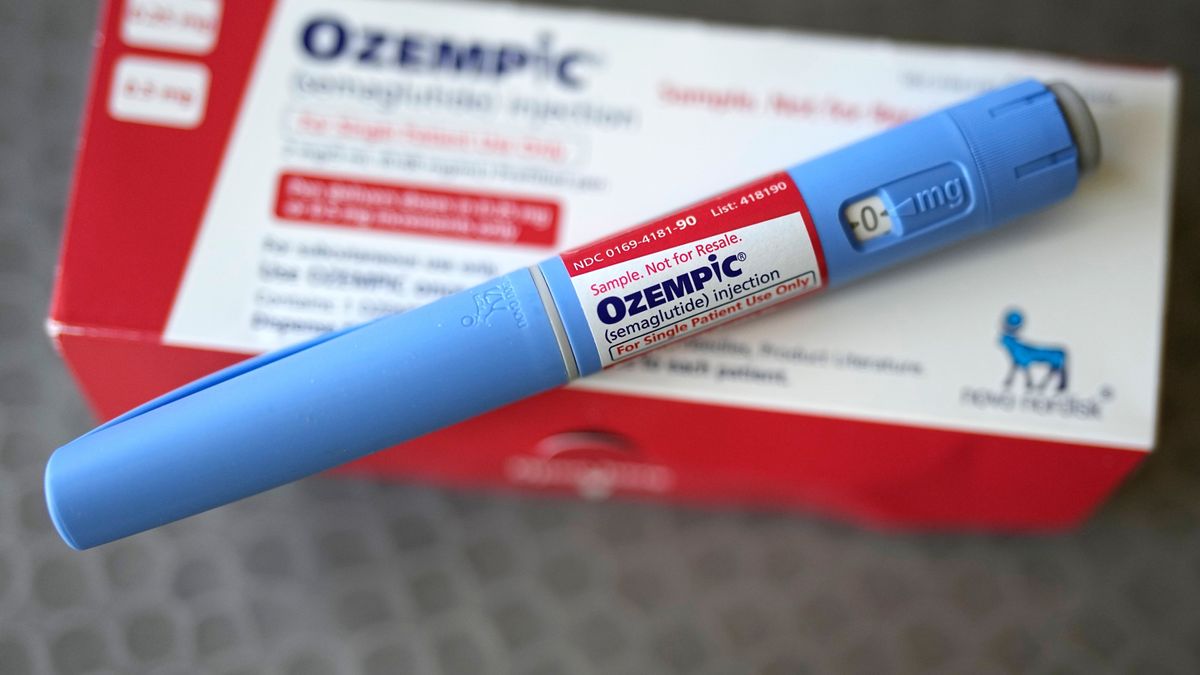
A landmark study published in The BMJ and featured in National Geographic reveals that GLP-1 receptor agonist medications (Ozempic, Wegovy) originally developed for diabetes and weight loss demonstrate unexpected broad-spectrum effectiveness against substance use disorders. Researchers at Washington University analyzed health records of 606,000+ veterans over three years, finding that GLP-1 patients were 14-20% less likely to develop substance use disorders, with dramatically higher benefits for those with addiction histories: 39% reduction in overdose risk, 31% reduction in addiction-related emergency room visits, and 50% reduction in addiction-related deaths. The mechanism involves GLP-1 receptors in brain regions controlling reward-processing, satiety, and impulse control—addressing the neurobiological foundations of addiction rather than treating substance-specific symptoms.
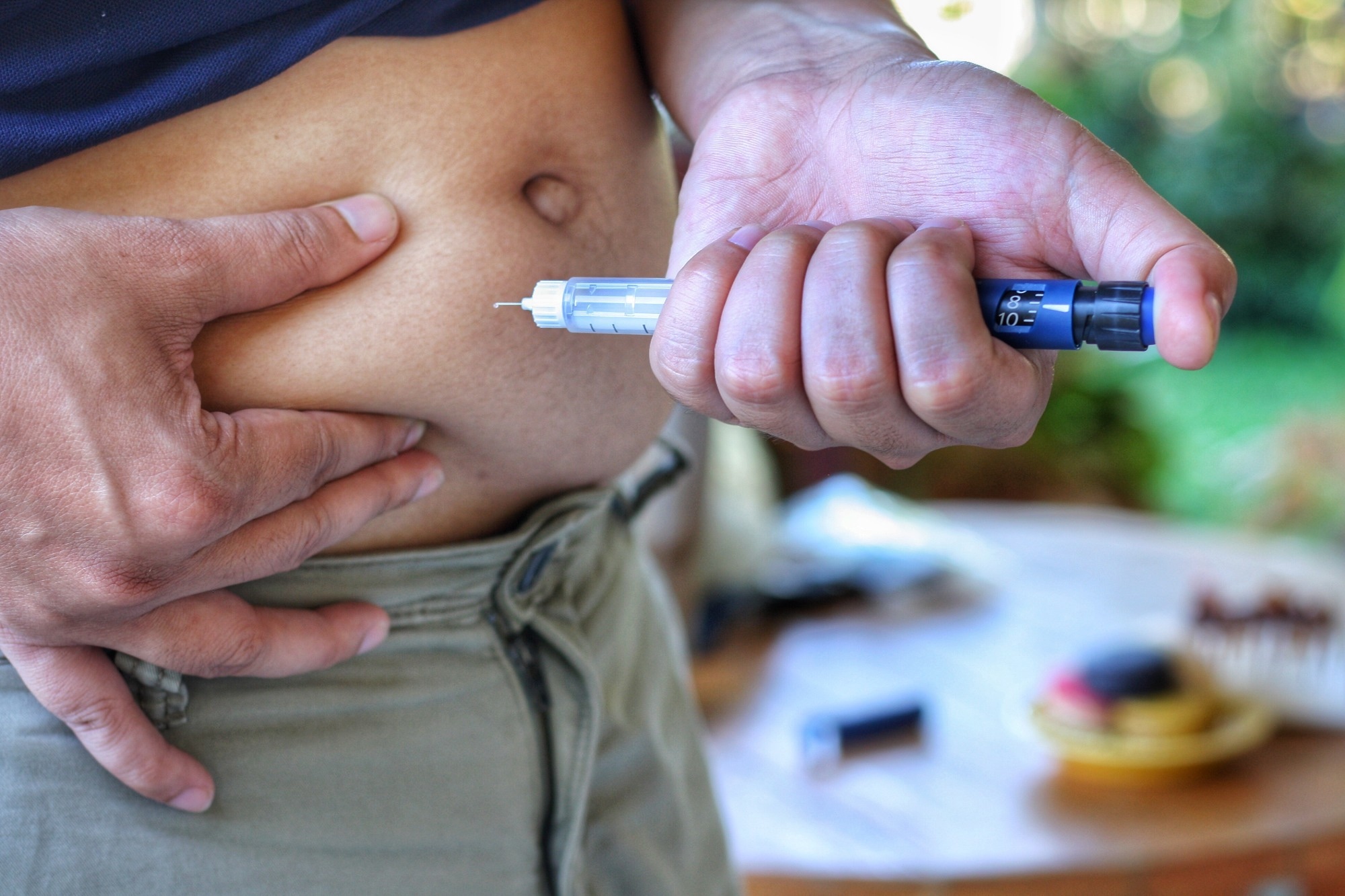
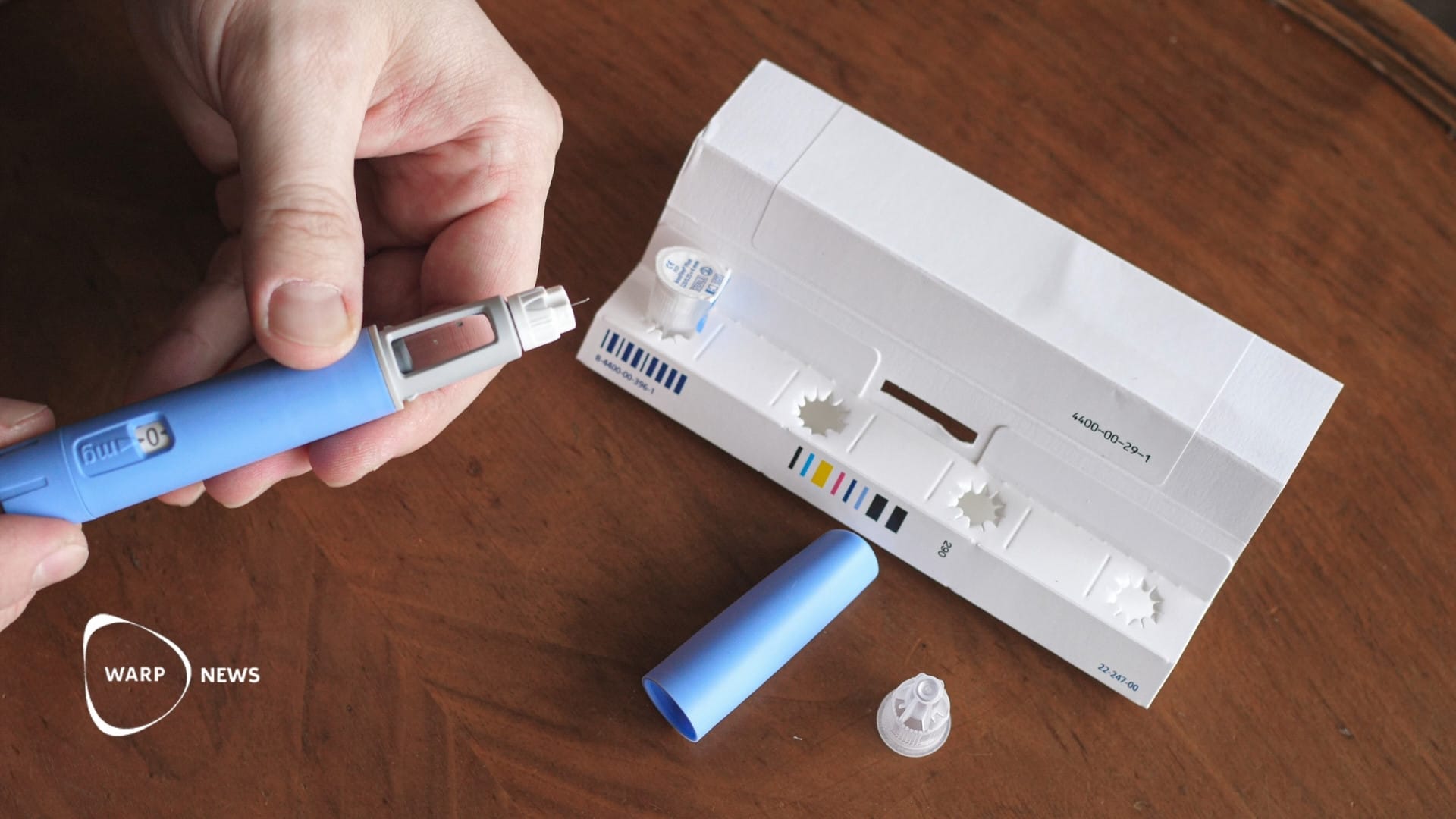
Market Implications for E-Commerce Sellers: This breakthrough creates a multi-layered opportunity ecosystem. The pharmaceutical market alone represents $2.8B+ in potential GLP-1 addiction treatment expansion, with 48.4 million Americans currently struggling with substance use disorder. However, the indirect e-commerce opportunity is equally significant. As GLP-1 adoption accelerates for addiction treatment, complementary product categories will experience substantial demand growth: (1) Health monitoring devices (continuous glucose monitors, wearable health trackers, blood pressure monitors) for patients managing GLP-1 therapy; (2) Nutritional supplements and recovery products (electrolyte replacements, vitamin supplements, protein powders) addressing nutritional gaps from appetite suppression; (3) Wellness and mental health products (meditation apps, fitness equipment, stress-relief supplements) supporting behavioral recovery; (4) Medical accessories (injection pens, sharps containers, cooling cases for medication storage); (5) Recovery-focused merchandise (motivational journals, recovery books, support group materials).
Consumer Behavior Shift: The research indicates a fundamental psychological shift in how patients perceive appetite and reward. Patients report losing "drug noise" similar to "food noise" reduction, suggesting GLP-1 users develop heightened awareness of consumption patterns and reward-seeking behavior. This creates marketing opportunities targeting health-conscious consumers and those in recovery, who demonstrate higher engagement with wellness products, educational content, and community-driven merchandise. Sellers can capitalize on this demographic's documented preference for transparent, science-backed products and their willingness to invest in recovery infrastructure.
Regulatory and Supply Chain Context: Multiple clinical trials are underway to confirm efficacy and safety for addiction treatment specifically. FDA approval for addiction indication could occur within 18-36 months, creating a window for sellers to establish market presence in complementary categories before mainstream adoption. The research caution about long-term treatment duration and optimal dosing protocols suggests ongoing demand for patient education materials, dosing guides, and medical information products. Additionally, the finding that GLP-1 drugs haven't been tested in non-obese populations without diabetes indicates future market expansion beyond current diabetes/weight-loss demographics, broadening the addressable market for recovery-focused products.
Questions 7
What supply chain and inventory planning considerations apply to GLP-1 recovery products?
Sellers should prepare for rapid demand acceleration as clinical trials progress and FDA approval approaches. Key planning considerations: (1) Source health monitoring devices and medical accessories from reliable suppliers with FDA compliance certifications; (2) Build inventory of nutritional supplements 6-12 months before anticipated approval, as supply chains for specialized formulations require 4-6 month lead times; (3) Establish relationships with addiction treatment centers and healthcare providers for B2B distribution channels; (4) Develop educational content and marketing materials aligned with medical accuracy standards; (5) Monitor regulatory changes affecting medical device classification and supplement labeling. Sellers should also prepare for potential supply constraints if GLP-1 adoption accelerates faster than anticipated, considering 3PL partnerships and inventory diversification across multiple product categories within the recovery ecosystem.
When will GLP-1 addiction treatment become FDA-approved and commercially available?
Multiple clinical trials are currently underway to confirm efficacy and safety for addiction treatment specifically. Based on typical FDA approval timelines for novel indications, approval could occur within 18-36 months from current research publication. However, off-label prescribing may accelerate adoption before formal approval. Researchers emphasize that long-term treatment duration, optimal dosing protocols, and safety in non-obese populations without diabetes remain unanswered questions requiring additional clinical data. Sellers should monitor FDA clinical trial databases and pharmaceutical company announcements for approval timelines. The window before mainstream adoption (12-24 months) presents an opportunity to establish market presence in complementary categories before competition intensifies.