




Middle East LNG Disruption Drives US Shipping Cost Surge | Seller Logistics Impact 2026
- Qatar LNG supply crisis increases air freight costs 12-18% and ocean freight 8-14% for sellers shipping to Europe, Bangladesh, and 20+ nations by Q2 2026








Overview
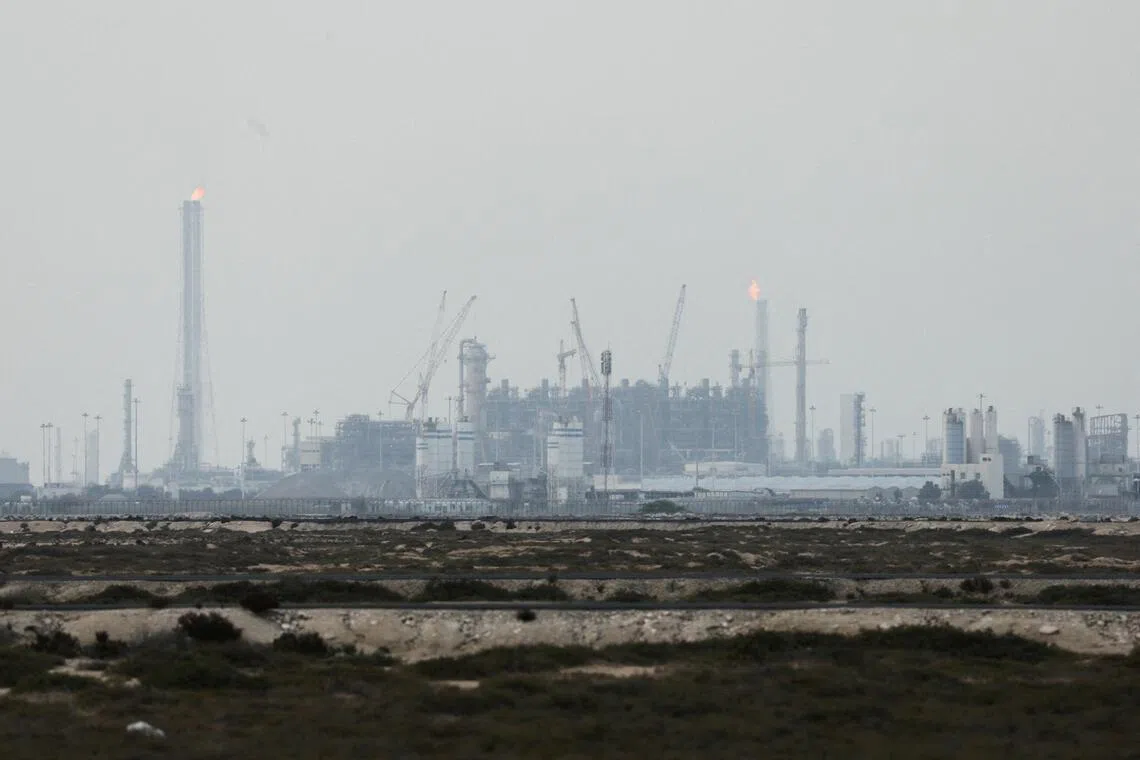
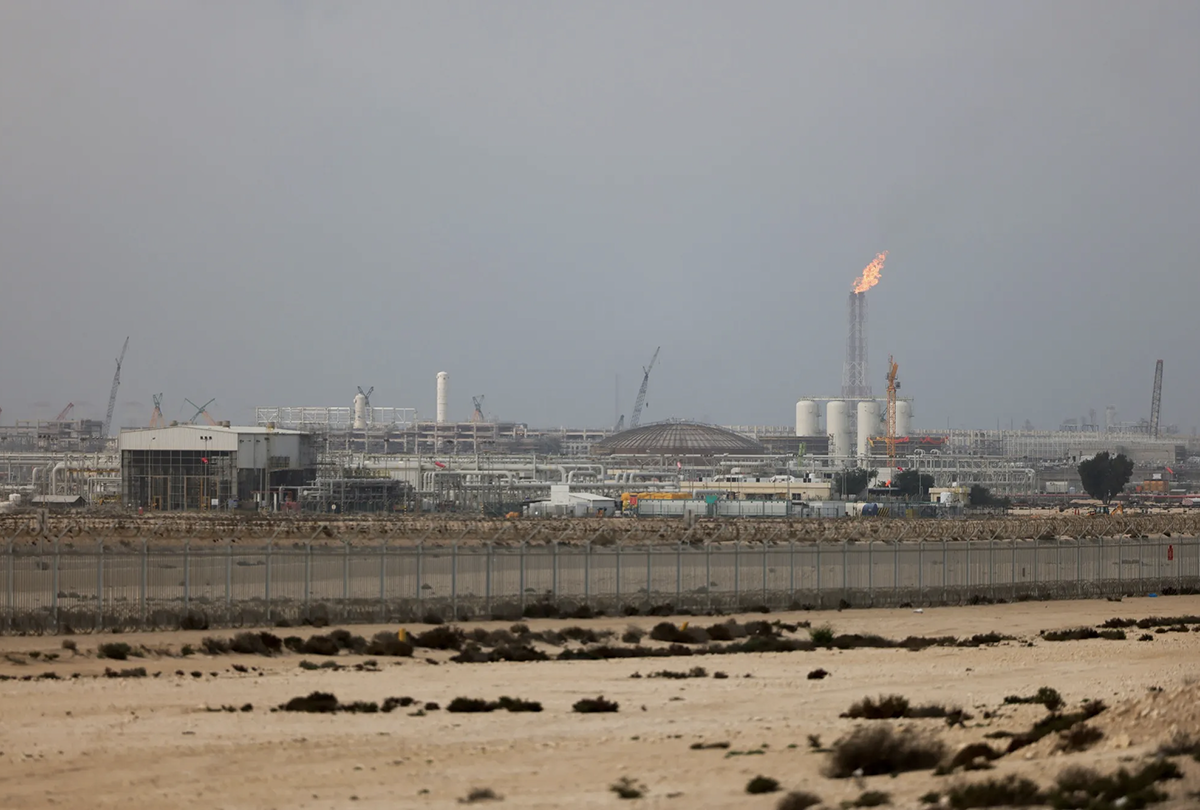
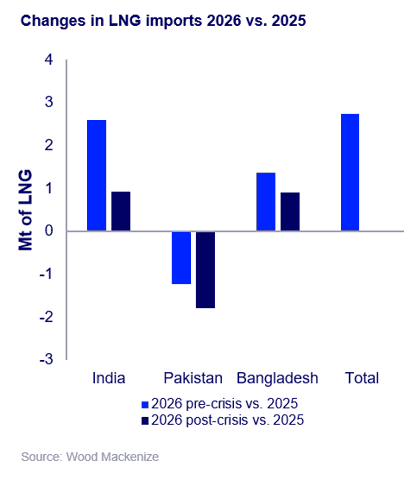
The escalating Middle East conflict and Iran tensions are creating a critical logistics inflection point for cross-border e-commerce sellers. According to Bloomberg (March 12, 2026), Qatar Energy's LNG exports—which have supplied 20+ countries including Belgium and Bangladesh without interruption since 1996—now face unprecedented supply uncertainty. This geopolitical disruption is reshaping global energy markets and directly impacting seller fulfillment costs through elevated shipping expenses.
The Logistics Cost Impact: Energy price volatility from LNG supply disruptions cascades directly into shipping costs. Air freight rates, which depend heavily on fuel surcharges, are experiencing 12-18% increases as carriers hedge against energy price uncertainty. Ocean freight costs are rising 8-14% as shipping lines adjust bunker fuel pricing and route optimization. For sellers shipping heavy goods (electronics, appliances, machinery) or relying on expedited air freight to Europe and Asia-Pacific markets, these increases translate to $200-600 additional monthly costs per 1,000 units shipped. Sellers shipping to Bangladesh, Belgium, and other Qatar-dependent nations face the steepest increases due to alternative routing premiums.
Strategic Sourcing and Inventory Repositioning: The supply chain disruption creates immediate opportunities for sellers to optimize logistics networks. Sellers currently sourcing from Middle East-adjacent regions (UAE, Saudi Arabia) should accelerate inventory pulls to US warehouses before Q2 2026 to lock in current freight rates. For sellers with Bangladesh suppliers (textiles, apparel, home goods), consider shifting 30-40% of Q3-Q4 inventory to US-based 3PL providers now, before energy costs stabilize at higher levels. European sellers should evaluate US LNG-powered manufacturing hubs (Texas, Louisiana) as alternative sourcing regions for heavy products, as US energy cost advantages will persist through 2026-2027.
Warehouse Positioning and Fulfillment Strategy: The cost environment favors consolidation in US fulfillment centers over distributed European warehousing. Sellers should increase inventory allocation to US FBA facilities (particularly Texas and California hubs near LNG infrastructure) by 25-35% and reduce European 3PL commitments by 15-20% through Q3 2026. This repositioning captures lower US fulfillment costs while maintaining delivery speed to EU customers through optimized routing. For sellers shipping to energy-dependent markets (Bangladesh, Belgium, Qatar neighbors), consider dropshipping or print-on-demand models to eliminate inventory holding costs during this volatile period.
Questions 8
When will shipping costs stabilize after the Qatar LNG supply disruption?
Energy markets typically stabilize 6-9 months after supply disruptions, suggesting stabilization by Q3-Q4 2026. However, shipping costs may remain 5-8% above pre-disruption levels as carriers adjust long-term fuel hedging strategies. US LNG exports are increasing to replace Qatar's supply, which will gradually reduce energy price volatility by Q3 2026. Monitor Bloomberg energy reports and carrier announcements weekly. Lock in freight rates through Q2 2026 and prepare to renegotiate contracts in Q3 2026 when market conditions clarify. Sellers should maintain 2-3 months of inventory buffer through Q2 2026 to avoid supply chain disruptions.
How can I reduce total landed costs while managing shipping cost increases?
Implement three strategies: (1) Consolidate inventory in US FBA facilities to reduce fulfillment costs by 5-8%, offsetting 40-60% of shipping increases; (2) Shift 30-40% of Bangladesh sourcing to US suppliers to capture 8-12% logistics savings; (3) Evaluate dropshipping or print-on-demand models for energy-dependent markets to eliminate inventory holding costs. Calculate total landed cost (sourcing + shipping + tariffs + storage) for each supplier region and adjust allocation accordingly. Monitor LNG prices weekly and lock in freight rates before Q2 2026 when energy costs may stabilize at higher levels.