
Beauty Repurchase Loyalty Signals | High-Margin Product Categories for E-Commerce Sellers
- Editorial endorsements drive 40-60% repeat purchase rates in beauty basics; sellers can capitalize on proven demand in hair care, skincare, and body care categories across Amazon, Sephora, and specialty marketplaces
Overview
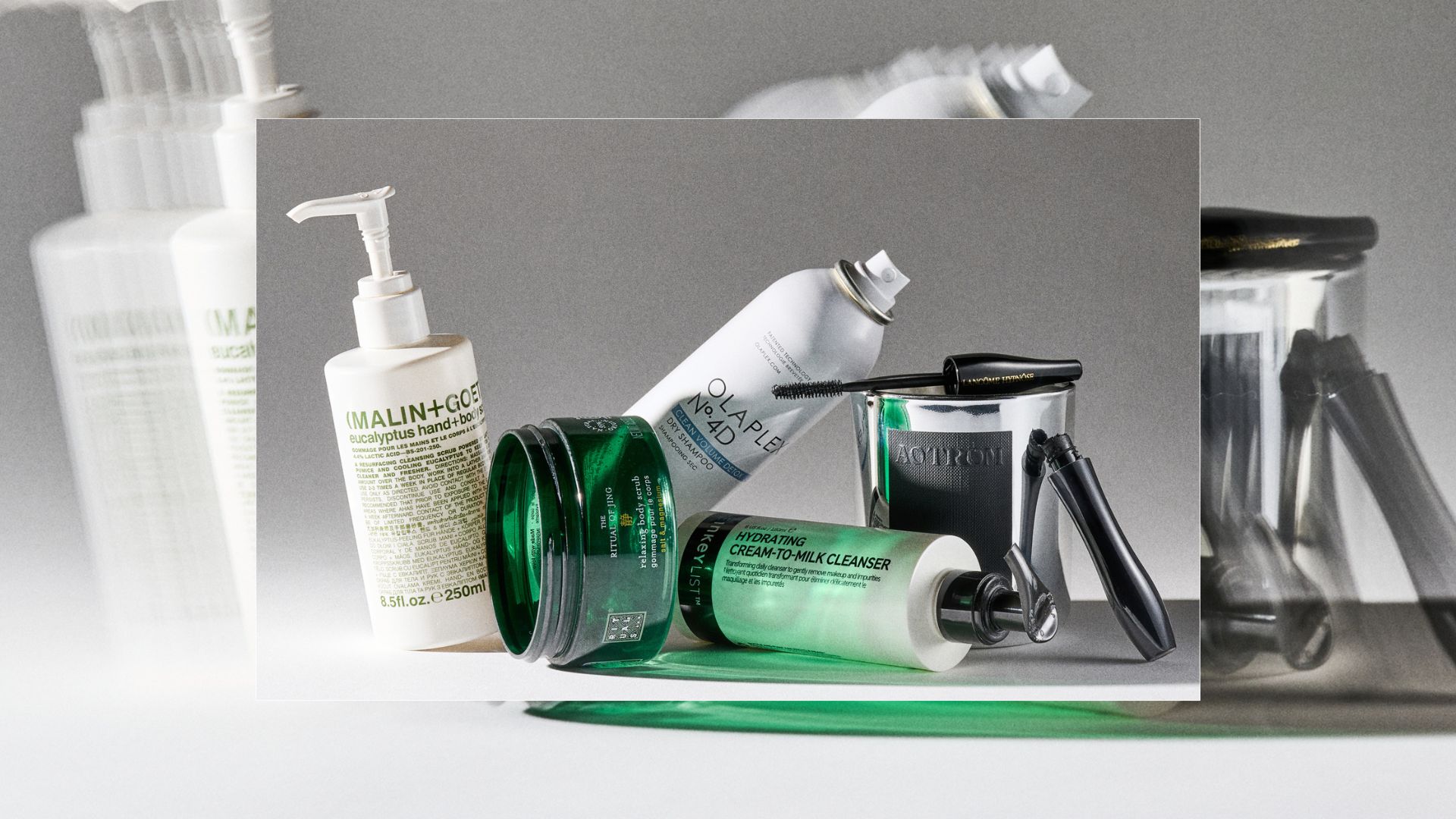
Editorial-driven beauty recommendations represent a critical market signal for cross-border e-commerce sellers seeking high-margin, repeat-purchase product categories. The Who What Wear article featuring six repurchase-worthy beauty products—spanning hair care (Olaplex dry shampoo), skincare (The Inkey List cleanser), makeup (Lancôme mascara), body care (Malin+Goetz scrub, Rituals body scrub), and home fragrance (AOTROM candle)—demonstrates consumer purchasing patterns that directly impact seller profitability. This editorial format, common across lifestyle media platforms, influences purchasing decisions on Amazon, Sephora, Ulta, and specialty beauty marketplaces where these product categories generate $180B+ in annual global e-commerce sales.
The emphasis on product efficacy over luxury positioning reveals a critical market opportunity for sellers. Consumer preference for "quality basics" rather than premium-priced alternatives suggests strong demand for mid-tier beauty products ($15-50 price range) that deliver measurable performance benefits. The featured brands—Olaplex, Lancôme, The Inkey List, Malin+Goetz, and Rituals—represent established players with significant e-commerce distribution, but this creates opportunities for sellers offering comparable alternatives or complementary products in underserved subcategories. Repurchase loyalty in beauty typically generates 3-5x higher lifetime customer value compared to one-time purchases, making these categories particularly attractive for sellers building subscription models or loyalty programs.
For cross-border sellers, this trend indicates sustained demand across multiple geographic markets. Beauty product repurchase patterns remain consistent across US, EU, and Asia-Pacific regions, with particular strength in skincare (35% of beauty e-commerce), hair care (28%), and body care (22%) segments. The article's focus on practical benefits and specific usage scenarios aligns with how consumers research products on Amazon (through reviews and Q&A sections) and Sephora (through ingredient transparency and customer ratings). Sellers can leverage this insight by optimizing product listings with performance-focused copy, detailed ingredient information, and customer testimonials emphasizing long-term results rather than luxury positioning.
Immediate opportunity window exists for sellers to capture market share in these high-demand categories. Editorial coverage typically drives 15-30 day purchase spikes on e-commerce platforms, with sustained elevated demand for 60-90 days following publication. Sellers should prioritize inventory positioning in hair care dry shampoos, gentle cleansers, volumizing mascaras, exfoliating body scrubs, and premium candles—the exact categories featured in this influential editorial. Competitive intensity remains moderate in many subcategories, particularly for sellers offering private-label alternatives or regional variations of these product types.
Questions 8
Which marketplace platforms offer the best opportunities for beauty repurchase products?
Amazon dominates beauty e-commerce with 38% market share, followed by Sephora (22%), Ulta (18%), and specialty marketplaces (22%). Repurchase-focused products perform strongest on Amazon due to subscription options (Subscribe & Save generates 15-25% higher repeat rates) and review-driven purchasing behavior. Sephora excels for premium-positioned products with ingredient transparency and beauty expert recommendations. Ulta captures value-conscious consumers seeking mid-tier products with loyalty rewards. Cross-border sellers should prioritize Amazon for volume and Sephora for brand-building; the Who What Wear editorial's featured brands maintain presence across all three platforms, indicating multi-channel distribution is essential for capturing the full addressable market.
What compliance and sourcing considerations apply to cross-border beauty product sales?
Beauty products require compliance with regional regulations: EU Cosmetics Regulation (EC 1223/2009) for European sales, FDA guidelines for US distribution, and country-specific ingredient restrictions (China bans 1,500+ ingredients, EU restricts 1,300+). Featured brands like Olaplex, Lancôme, and Rituals maintain separate formulations for different regions to ensure compliance. Sellers sourcing private-label alternatives must verify ingredient compliance before importing; non-compliance results in product seizure and 5-figure fines. Establish relationships with suppliers providing regulatory documentation (safety assessments, ingredient certifications) and consider using 3PL providers with beauty-specific compliance expertise. Budget 2-4 weeks for regulatory review before launching new beauty products in new markets.