



Cincinnati Reds' Strategic Crossroads: Schwarber Signing and Franchise Transformation
- Emerging MLB franchise repositions through calculated player acquisitions and young talent development






Overview
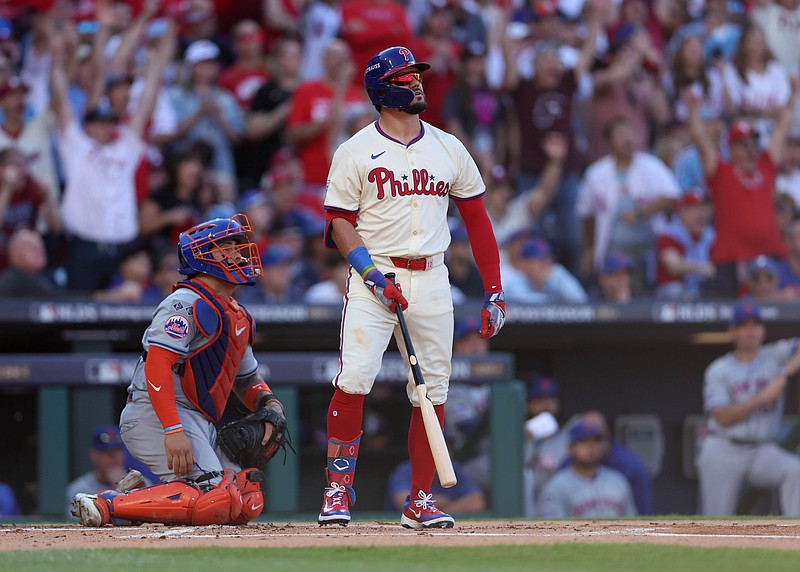
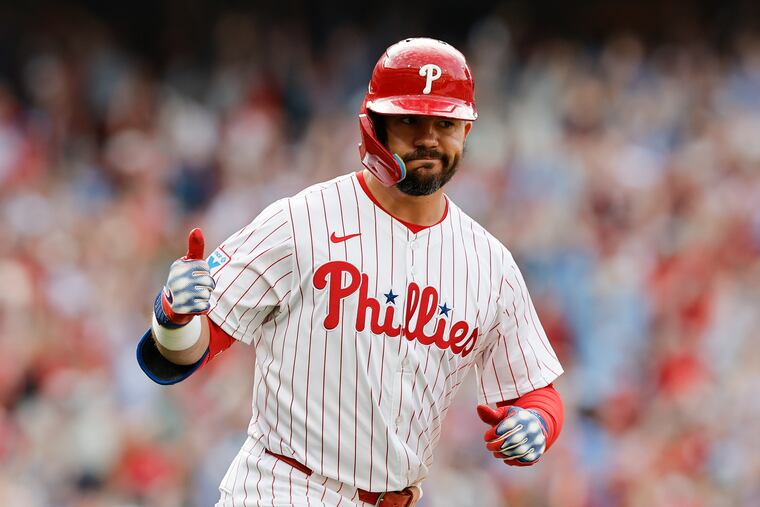
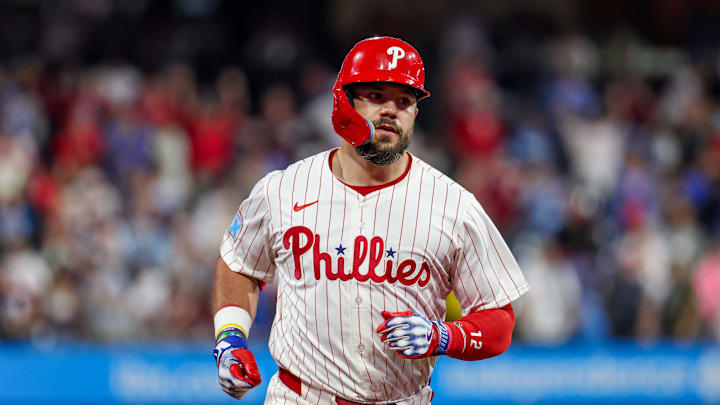
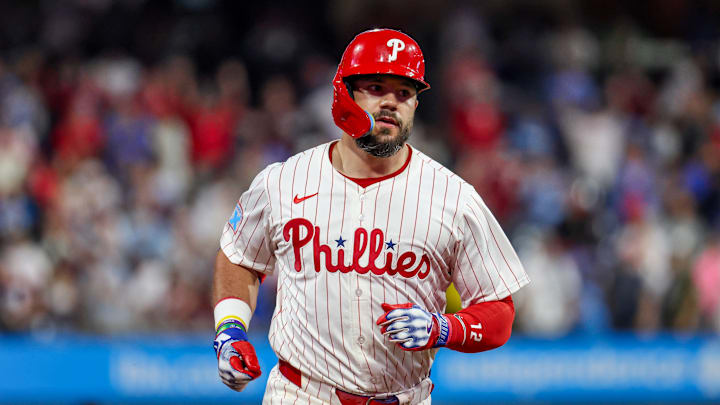
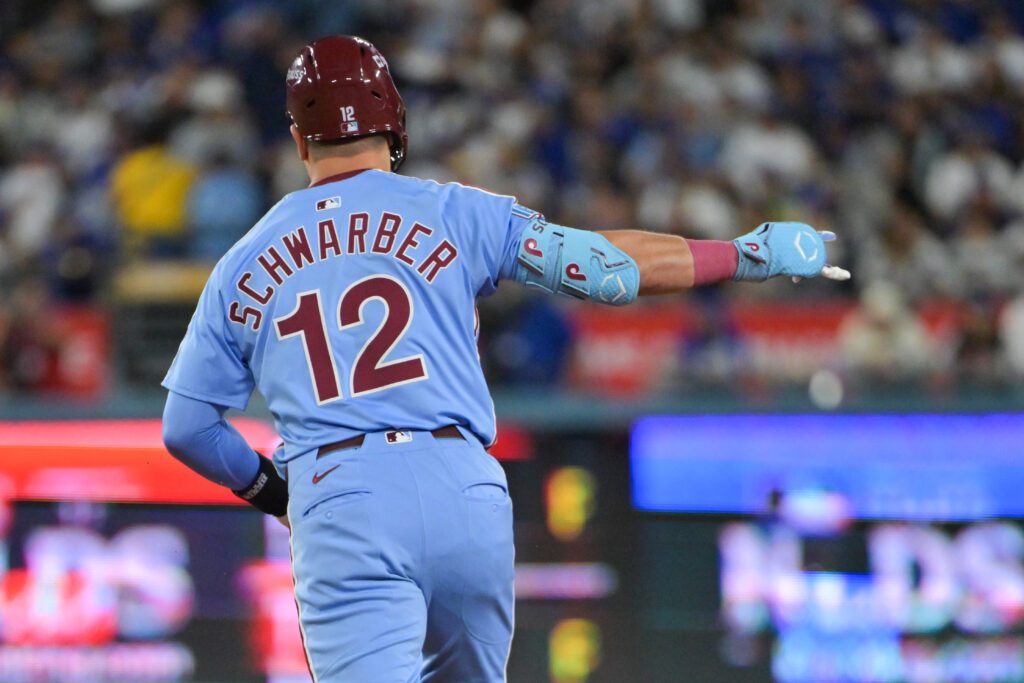
The Cincinnati Reds stand at a pivotal moment of organizational reinvention, with Kyle Schwarber's potential signing representing more than just a player acquisition—it symbolizes a strategic inflection point for the franchise. Terry Francona's leadership is driving a calculated transformation that goes beyond traditional roster management, positioning the team for sustained competitive relevance.
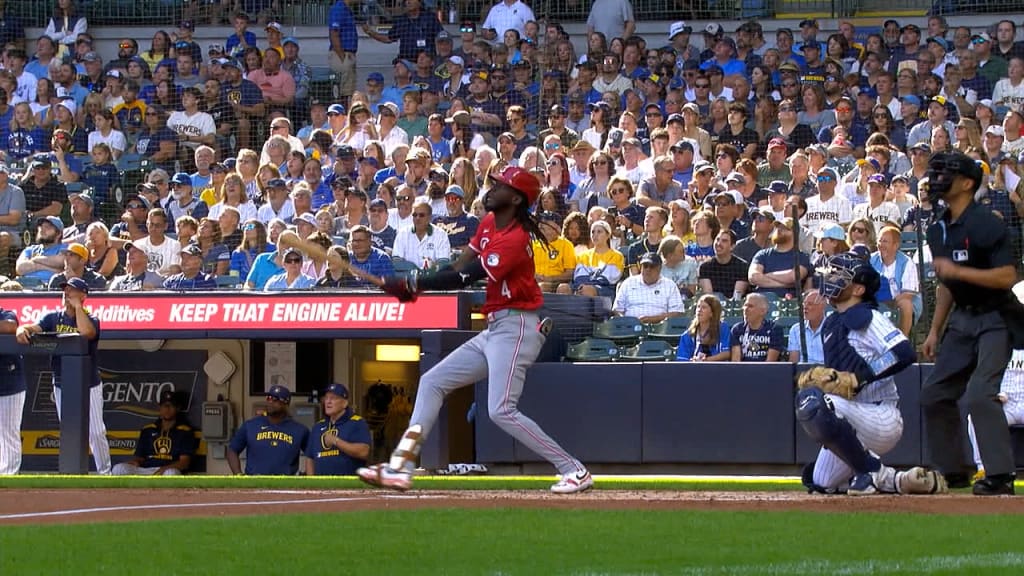
Roster Reconstruction Strategy emerges as the core narrative. The Reds are not merely assembling players but deliberately crafting a flexible, high-potential lineup. Francona's approach reveals a nuanced understanding of talent development, focusing on players like Spencer Steer, Matt McLain, and Elly De La Cruz who demonstrate adaptability and growth potential. The potential Schwarber signing would be unprecedented—representing the largest free agent contract in team history—which signals the organization's commitment to making bold, strategic investments.
The team's strategic vision extends beyond individual player acquisitions. Positional flexibility has become a key organizational philosophy, with Francona exploring multiple lineup configurations and leveraging young talents like Sal Stewart. By setting key positions with McLain at second, De La Cruz at shortstop, and Noelvi Marte in right field, the Reds are building a structured yet dynamic foundation. This approach suggests a sophisticated talent management strategy that prioritizes long-term potential over short-term gains.
Critically, Francona's primary objective transcends the 2025 season's feel-good narrative. He aims to establish a sustained competitive era for the Reds, transforming what could be a momentary playoff appearance into a systematic, repeatable success model. The organization is strategically balancing veteran potential (like Schwarber) with emerging young talent, creating a robust developmental ecosystem that can withstand competitive pressures.
Questions 3
How is Terry Francona reshaping the Reds' organizational approach?
Francona is implementing a multi-dimensional strategy focusing on positional flexibility, targeted player development, and balancing young talent with strategic veteran acquisitions. He's aiming to create a sustainable competitive model rather than a one-season wonder.
What are the key young talents driving the Reds' future?
Players like Spencer Steer, Matt McLain, Elly De La Cruz, and Sal Stewart represent the core of the Reds' developmental strategy. Each brings unique skills and potential for growth, with Francona carefully managing their development and workload.