
Container Fleet Expansion Creates 13% Freight Rate Decline | Seller Logistics Strategy 2025-2026
- 11.8M TEU capacity surge enables 13% shipping cost savings; sellers must lock rates NOW before capacity constraints return by 2027
Overview
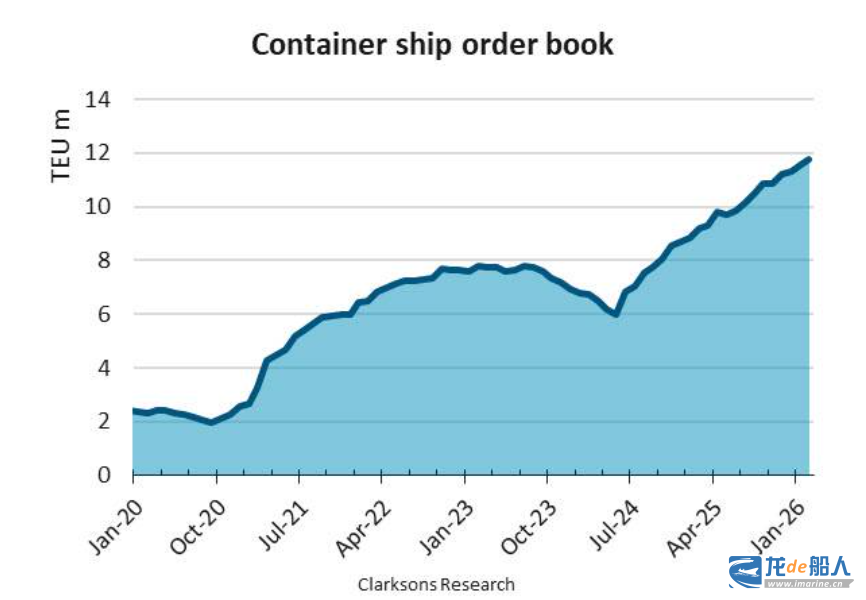
The global container shipping industry is undergoing a transformative capacity expansion that directly impacts cross-border e-commerce logistics costs and fulfillment strategies. According to the Baltic International Maritime Council (BIMCO), the global container ship order book has surpassed 1,350 vessels totaling 11.8 million TEU as of February 2026, with 102 additional container ships ordered in just the first two months of 2026 alone. This massive fleet expansion is driving global average container freight rates down approximately 13% year-on-year in 2025, creating a critical cost-saving window for sellers shipping from Asia to North America and Europe.
The strategic opportunity lies in the fleet composition shift and timing window. Ultra-large container ships (12,000+ TEU) account for 65% of new orders with 436 vessels under construction, while smaller vessel segments (3,000-8,000 TEU) have experienced explosive growth with orders more than doubling year-over-year. This dual-track expansion means sellers have two distinct cost-saving routes: mega-ship services on major Asia-US/Europe lanes (Shanghai-Los Angeles, Shanghai-Rotterdam) offering 13-18% rate reductions, and emerging smaller-vessel services on secondary routes (Southeast Asia to secondary US ports, India to EU) with 8-12% savings. Global container throughput is projected to grow 4.7% year-on-year, supporting this expansion through 2029 when scheduled deliveries will total 11.8 million TEU.
However, this cost advantage window is time-limited and requires immediate action. The fleet ownership structure is consolidating—non-operating shipowners (chartering companies) are declining from 43% to projected 24% of capacity among new vessels—meaning fewer independent carriers and more direct relationships with mega-carriers like Maersk, MSC, and CMA CGM. Even with aggressive scrapping of vessels 22+ years old by 2030, the fleet will maintain 6.1% average annual growth, but capacity constraints will likely return by 2027-2028 as demand catches up. Simultaneously, increased US import tariffs heighten trade protectionism concerns, potentially reducing import volumes and further pressuring rates downward in the near term.
For sellers, the immediate actions are clear: Lock in long-term contracts (12-24 months) with carriers at current 13% discounted rates before capacity tightens; shift inventory sourcing from high-tariff regions to tariff-advantaged suppliers (Vietnam, India, Mexico for US-bound goods); and reposition warehouse inventory from coastal ports to inland distribution centers to capture savings on drayage costs. Sellers shipping 500+ containers annually should negotiate dedicated space on mega-ships; smaller sellers (50-200 containers/year) should consolidate shipments through freight forwarders to access volume discounts. The 2025-2026 window represents a 18-24 month opportunity to reduce landed costs by 8-15% before the market rebalances.
Questions 8
How much can sellers save on ocean freight costs in 2025-2026?
Sellers can expect 13% year-on-year freight rate reductions in 2025 according to BIMCO data, with potential savings of 15-18% on major Asia-US routes (Shanghai-Los Angeles) and 8-12% on secondary routes due to the 11.8 million TEU capacity surge. For a seller shipping 100 containers monthly from China to the US at current rates of $2,500/container, this translates to $32,500 monthly savings ($390,000 annually). However, this advantage is time-limited—rates will likely stabilize or increase by 2027-2028 as capacity constraints return. Sellers should lock in 12-24 month contracts immediately to capture these savings before the market rebalances.
Which shipping routes offer the best cost advantages right now?
The mega-ship routes (12,000+ TEU vessels) on major Asia-US and Asia-Europe lanes offer the deepest discounts of 13-18% due to 65% of new container orders being ultra-large ships. Shanghai-Los Angeles, Shanghai-Rotterdam, and Shenzhen-Hamburg routes are experiencing the most competitive pricing. Secondary routes using smaller vessels (3,000-8,000 TEU) like Southeast Asia to secondary US ports (Houston, Savannah) and India to EU ports offer 8-12% savings. Sellers should evaluate their sourcing regions: Vietnam and India suppliers now offer cost advantages on both tariff and freight fronts, while Mexico suppliers benefit from USMCA tariff advantages plus reduced drayage costs to inland US distribution centers.