



)
Strait of Hormuz Shipping Crisis Drives 15-25% Logistics Cost Surge for Cross-Border Sellers
- Oil exceeds $100/barrel amid Persian Gulf attacks; maritime route closures force 3-5 week shipping delays and rerouting costs for Asia-to-US/EU commerce












.jpeg?crop=3264,2176,x0,y32&trim=31,0,33,0&width=1200)






Overview
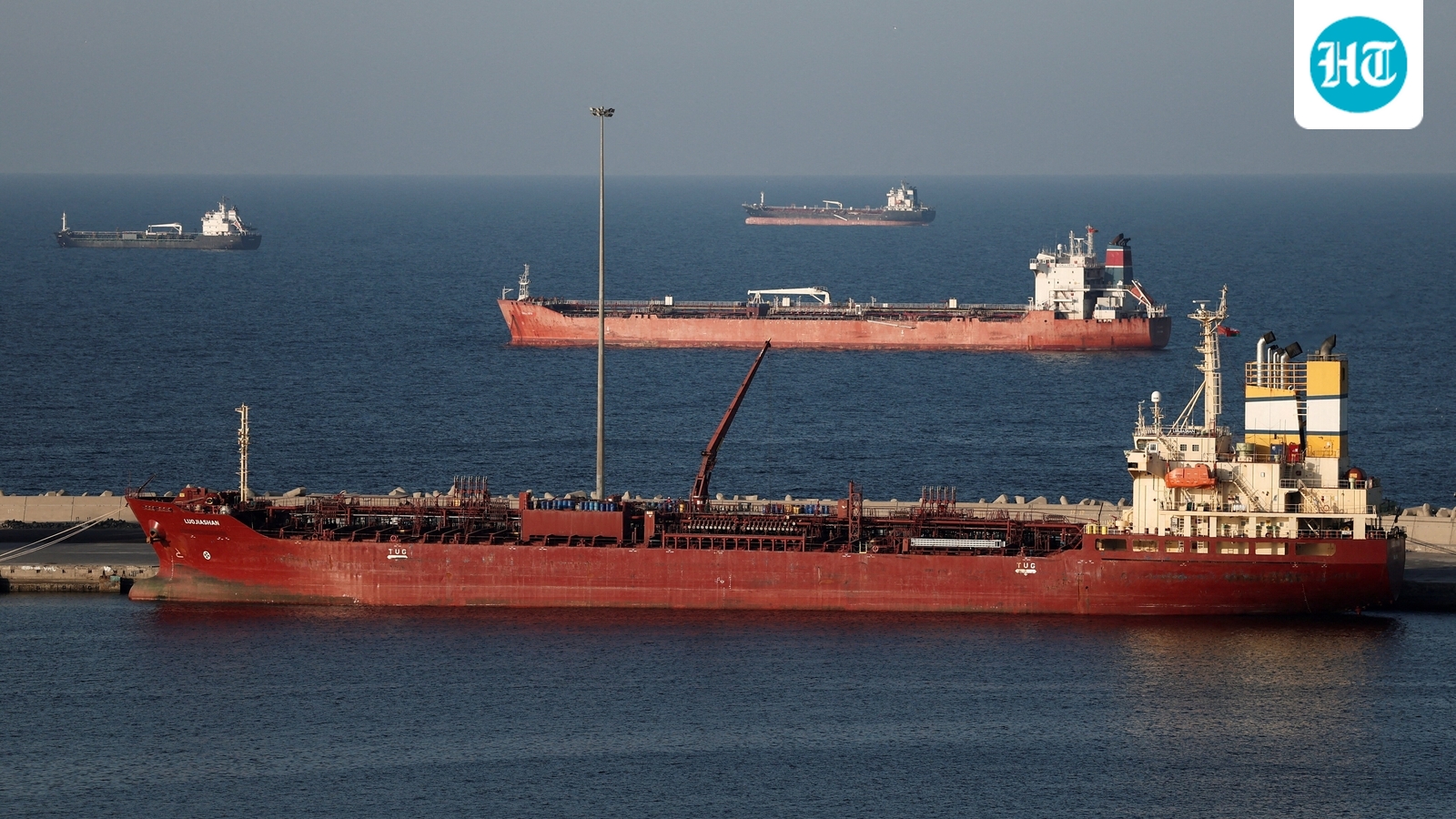
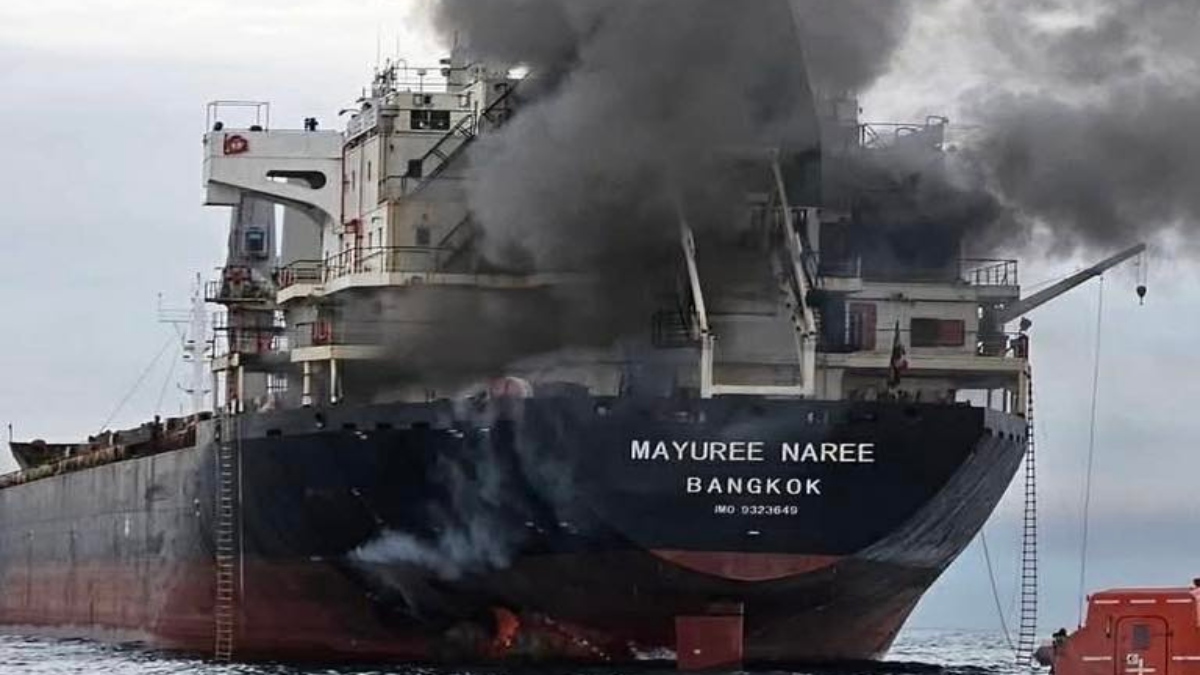
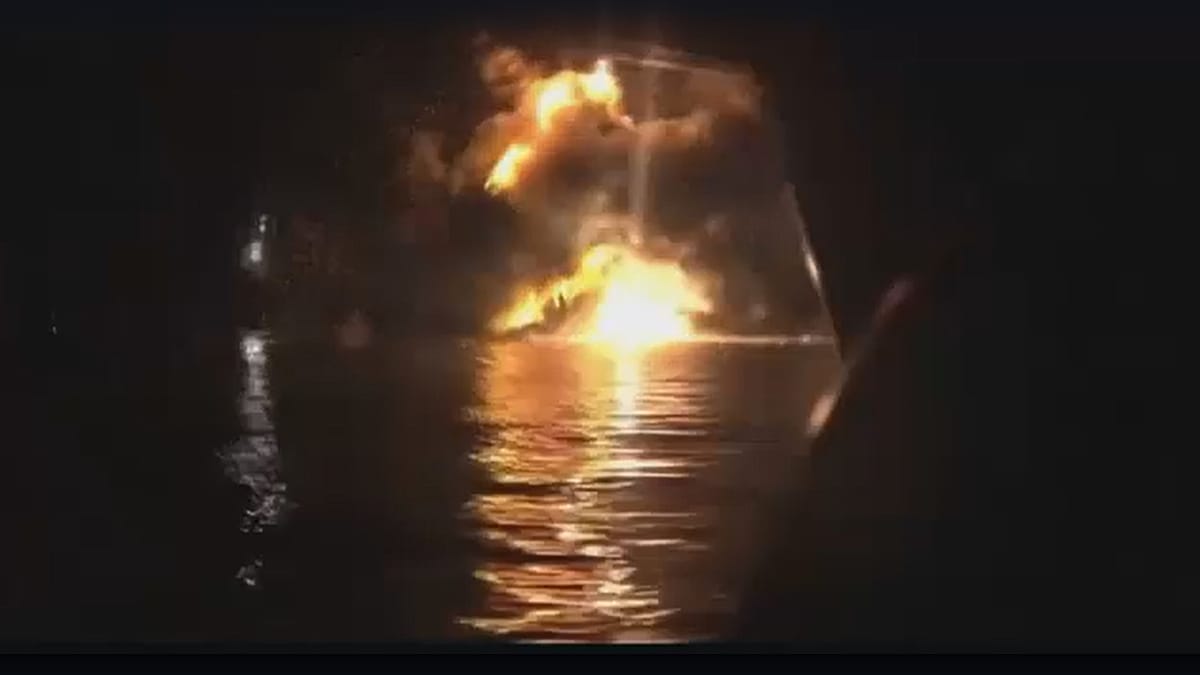
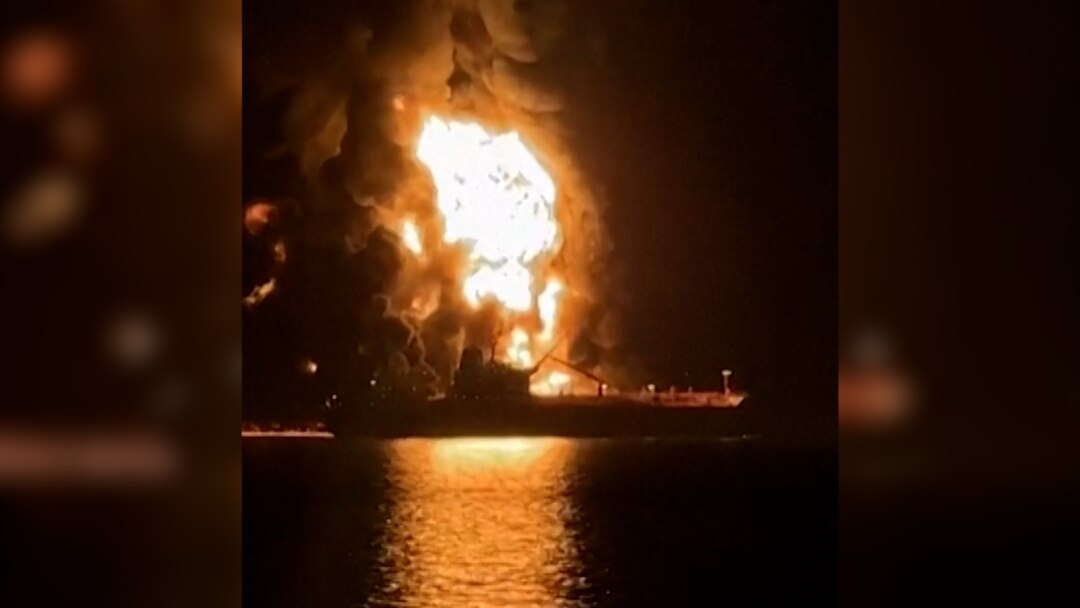
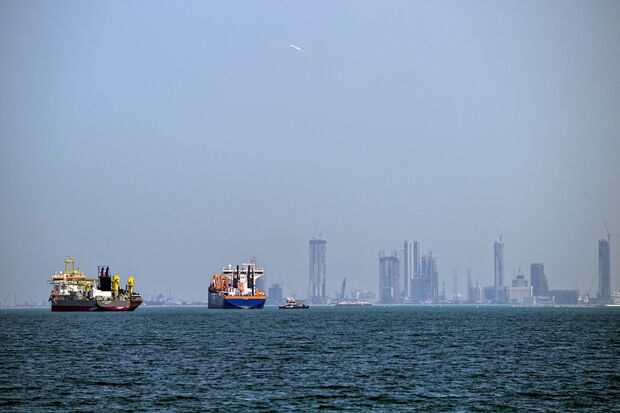
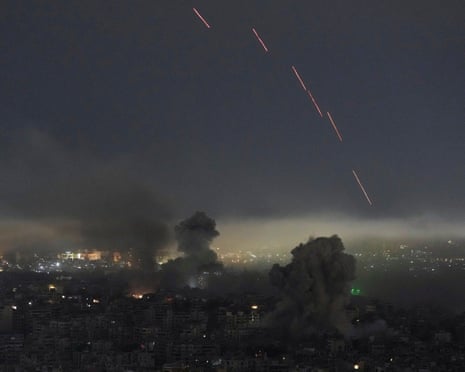
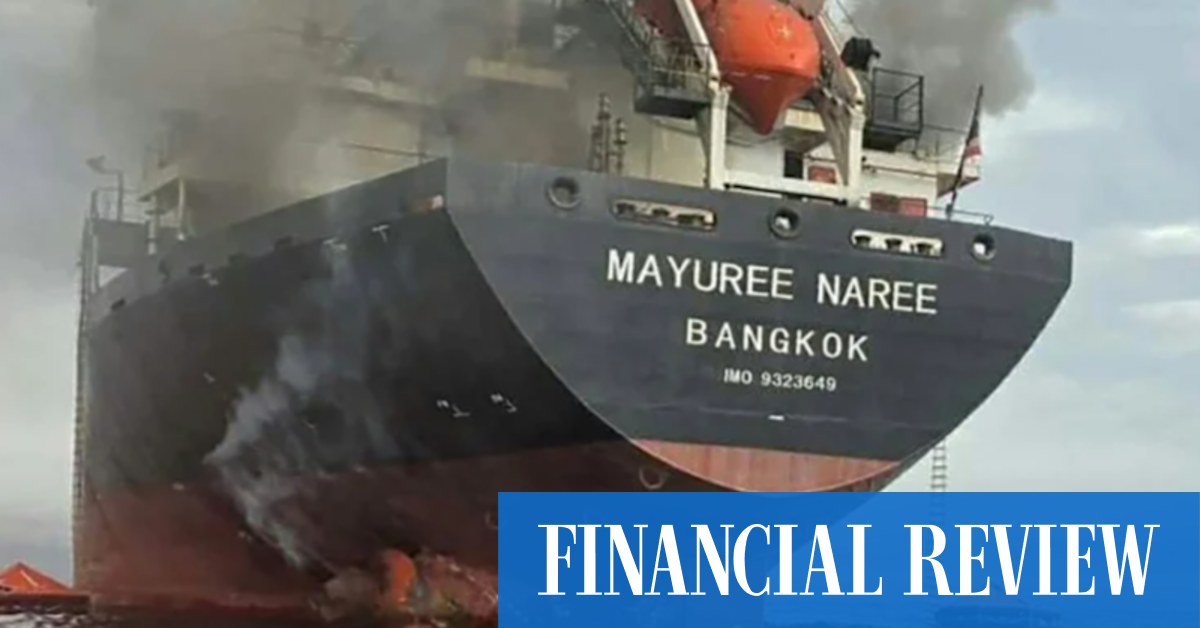
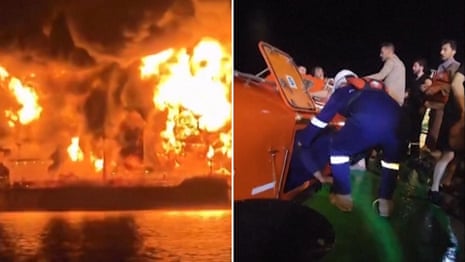
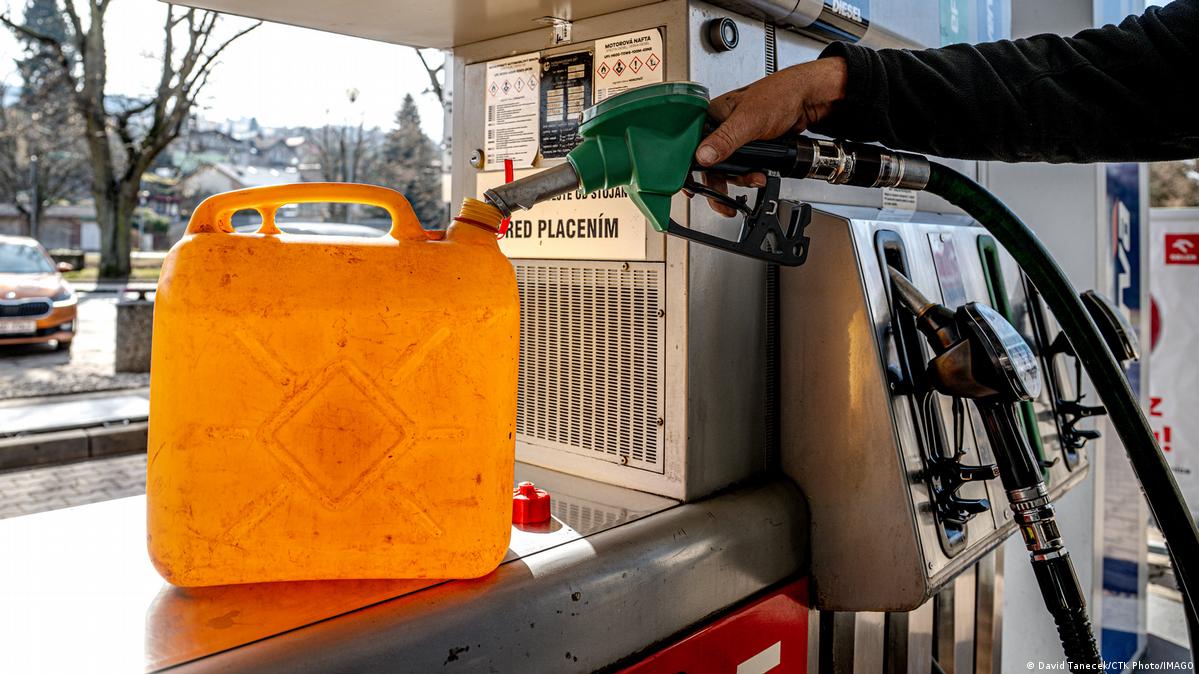
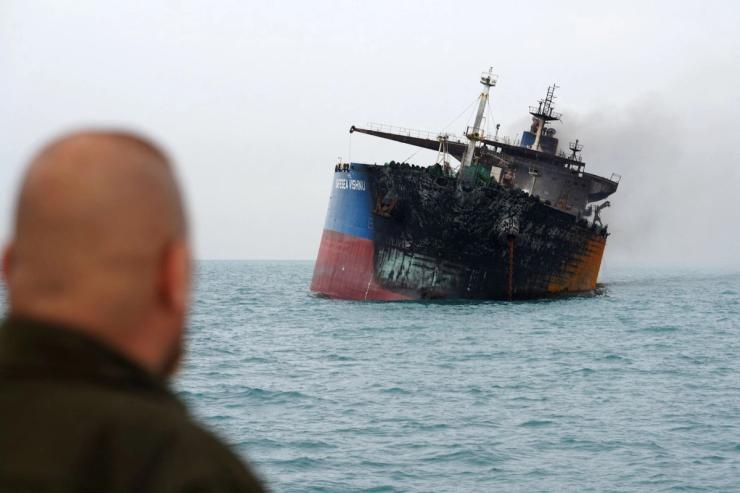
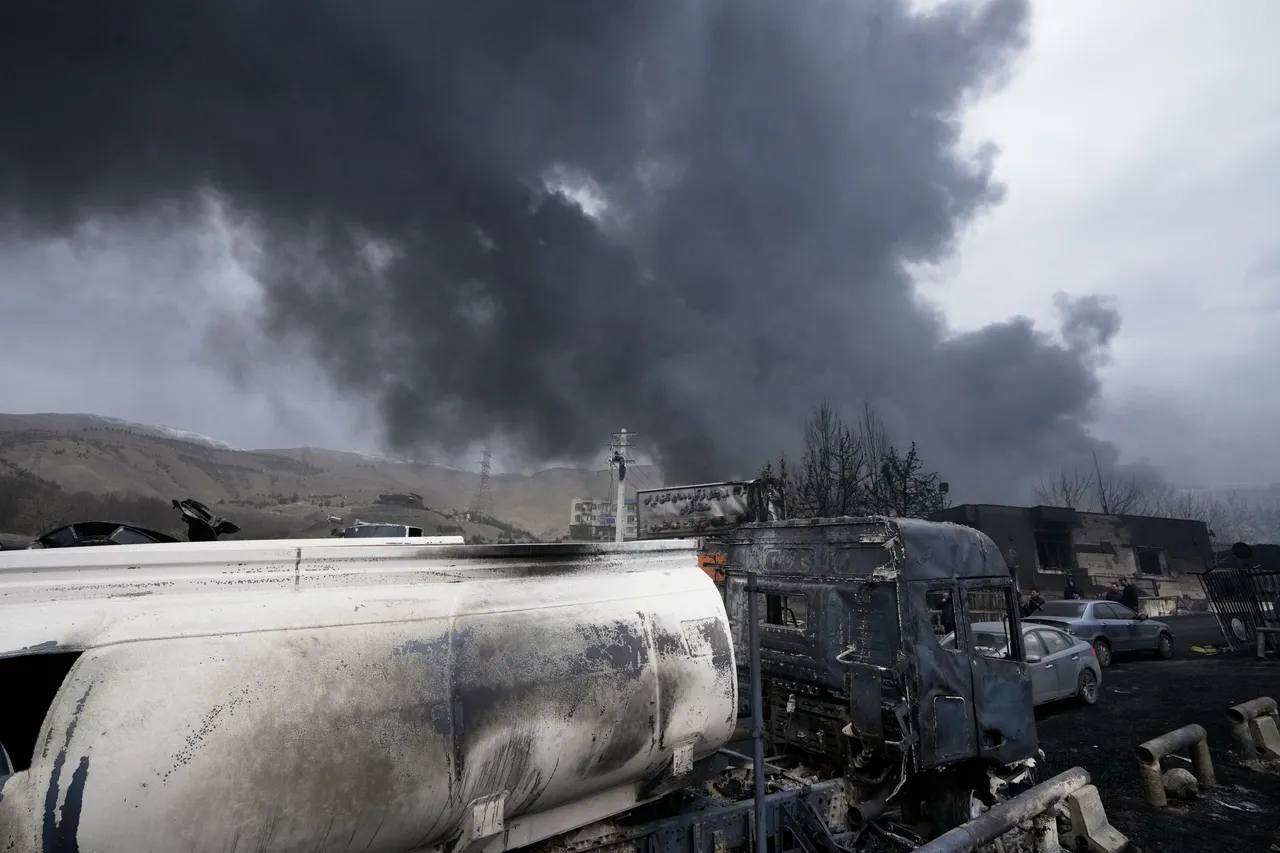
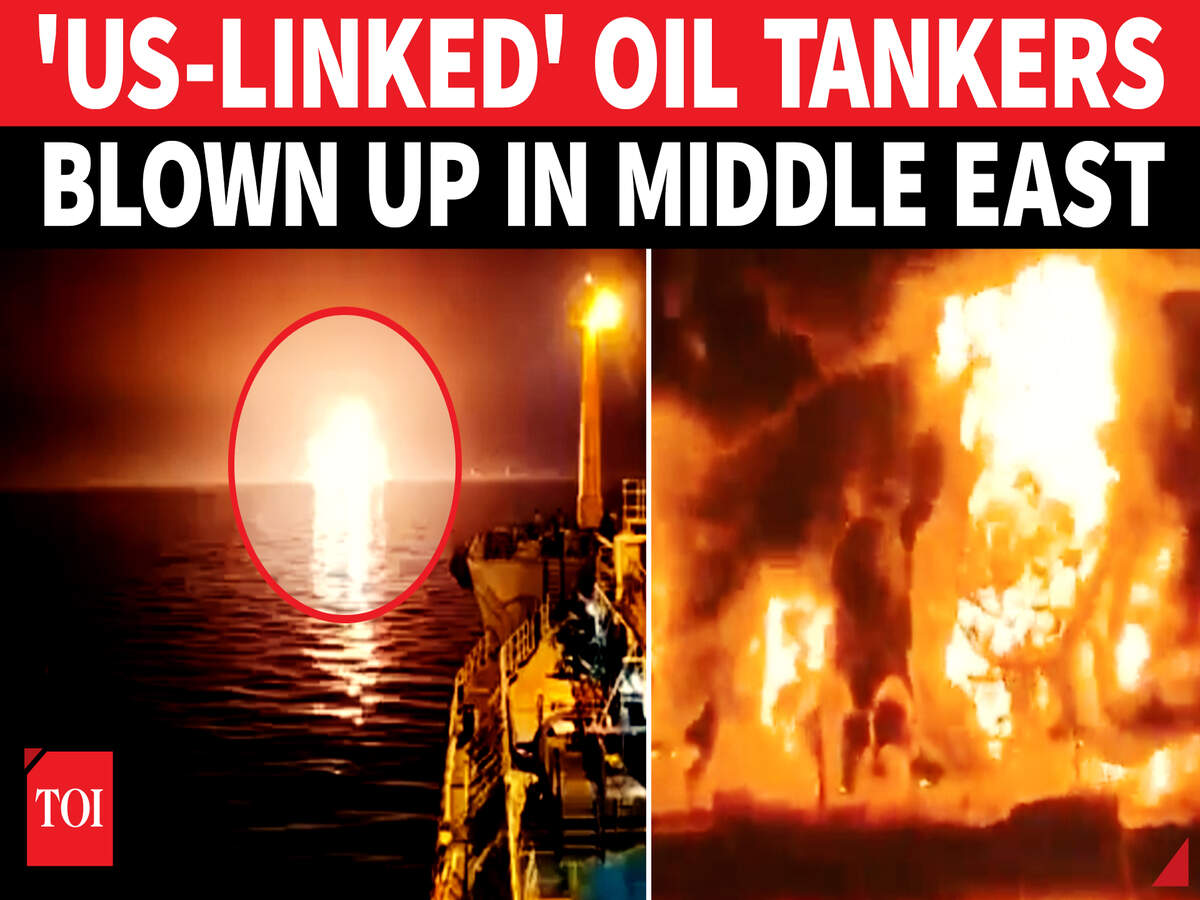
The escalating military conflict in the Persian Gulf, marked by six ship attacks in two days and Iran's declaration to keep the Strait of Hormuz closed as a pressure tool, has triggered the largest oil supply disruption in global market history according to the International Energy Agency. Oil prices have surged above $100 per barrel, directly impacting cross-border e-commerce logistics costs. This geopolitical crisis creates immediate operational challenges for sellers relying on maritime shipping routes, particularly those importing inventory from Asia-Pacific manufacturing hubs to North American and European markets.
Shipping Cost Impact Analysis: The Strait of Hormuz handles approximately 21% of global petroleum trade and serves as a critical maritime corridor for containerized goods. With two fuel tankers attacked on March 12, 2026, and ongoing drone boat assaults, shipping companies are implementing mandatory rerouting around the Cape of Good Hope—adding 10-14 days to transit times and increasing fuel surcharges by 15-25%. For sellers shipping 500+ units monthly via ocean freight, this translates to $800-2,400 additional monthly costs per 40-foot container. Amazon FBA sellers and Shopify merchants importing electronics, apparel, and home goods from Vietnam, China, and India face compressed margins as freight costs rise from $2,500-3,500 to $3,200-4,500 per container.
Category-Specific Vulnerabilities: High-volume, low-margin categories suffer disproportionately. Electronics sellers (HS codes 8471-8517) importing from Shenzhen and Taipei see 18-22% margin compression. Apparel importers (HS codes 6204-6209) from Vietnam experience 12-16% cost increases. Home goods and furniture sellers (HS codes 9401-9406) face the steepest impact at 20-25% due to volume-to-value ratios. Conversely, luxury goods and high-margin specialty items (jewelry, premium electronics) absorb costs more easily. The US Navy's reported unpreparedness to escort vessels through the Strait creates extended uncertainty—shipping insurance premiums have increased 8-12%, adding another $200-600 per container to total landed costs.
Strategic Sourcing Opportunities: This crisis accelerates sourcing diversification away from Asia-Pacific concentration. Sellers should evaluate nearshoring to Mexico (HS codes 6204-6209 apparel), India (HS codes 6501-6505 textiles), and Vietnam alternatives (HS codes 8517 electronics components) that bypass Hormuz entirely via different maritime corridors. Companies with existing supply chains through the Suez Canal or direct US/EU manufacturing relationships gain competitive advantage. The 3-5 week shipping delay window creates inventory management challenges—sellers must increase safety stock by 15-20% or risk stockouts, requiring additional working capital of $5,000-15,000 per SKU depending on category and sales velocity.
Compliance and Risk Mitigation: Sellers should immediately audit shipping contracts for force majeure clauses and renegotiate with 3PL providers for alternative routing options. Amazon FBA sellers must monitor inventory performance index (IPI) scores closely, as extended transit times risk stranded inventory and storage fee penalties ($0.87/unit/month for standard-size items). Shopify merchants should implement dynamic pricing strategies to offset freight cost increases—a 5-8% price increase on affected categories can recover margin compression while remaining competitive. Sellers should also diversify payment terms with suppliers to extend cash flow cycles by 30-45 days, offsetting the working capital impact of higher inventory levels and increased freight costs.
Questions 8
What force majeure protections should I include in shipping contracts?
Review existing shipping contracts immediately for force majeure clauses covering geopolitical disruptions and maritime route closures. Renegotiate with 3PL providers (Flexport, Shippo, Freightos) for alternative routing options and rate locks. Ensure contracts specify liability caps for delays exceeding 10 days and include provisions for automatic rerouting without additional surcharges. Document all force majeure events with carriers for potential insurance claims. The US Navy's reported unpreparedness to escort Hormuz vessels creates extended uncertainty—contracts should include 60-90 day rate guarantees.
How can I recover margins without losing competitive positioning?
Implement dynamic pricing strategies with 5-8% increases on affected categories while monitoring competitor pricing and Buy Box metrics. Use Amazon Seller Central repricing tools to adjust prices algorithmically based on cost changes. For Shopify merchants, implement tiered pricing by shipping method—offer expedited (air freight) and standard (ocean freight) options with corresponding price premiums. Consider bundling strategies to increase average order value and absorb freight costs across multiple units. Monitor conversion rates closely—price elasticity varies by category, with electronics showing 2-3% conversion decline per 5% price increase.