





)
Middle East Oil Crisis Escalation | Shipping Cost Surge Threatens Cross-Border Seller Margins
- Iran threatens $200/barrel oil targeting maritime commerce; sellers face 8-15% logistics cost increases and 2-3 week shipping delays across all regions




)












Overview
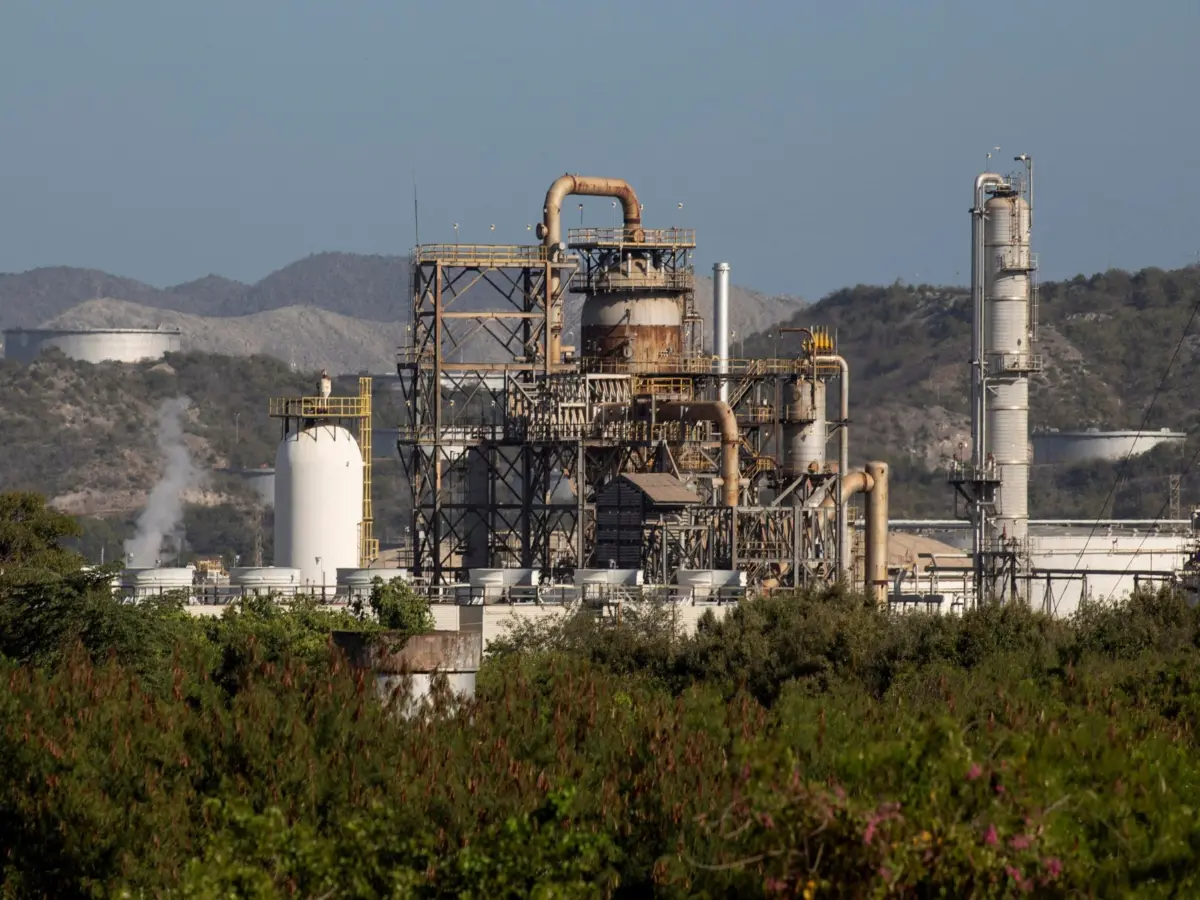
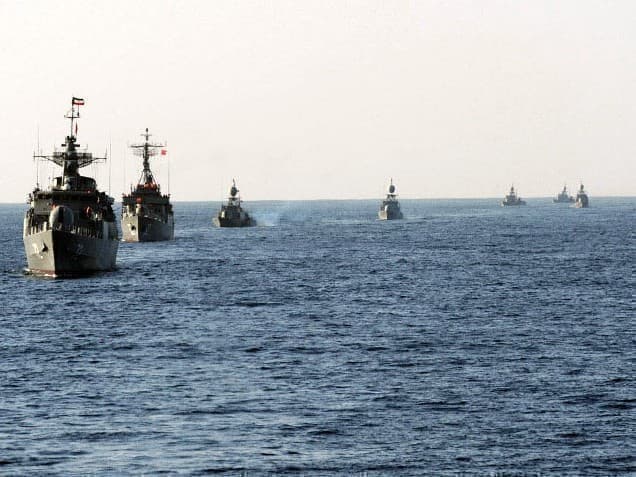
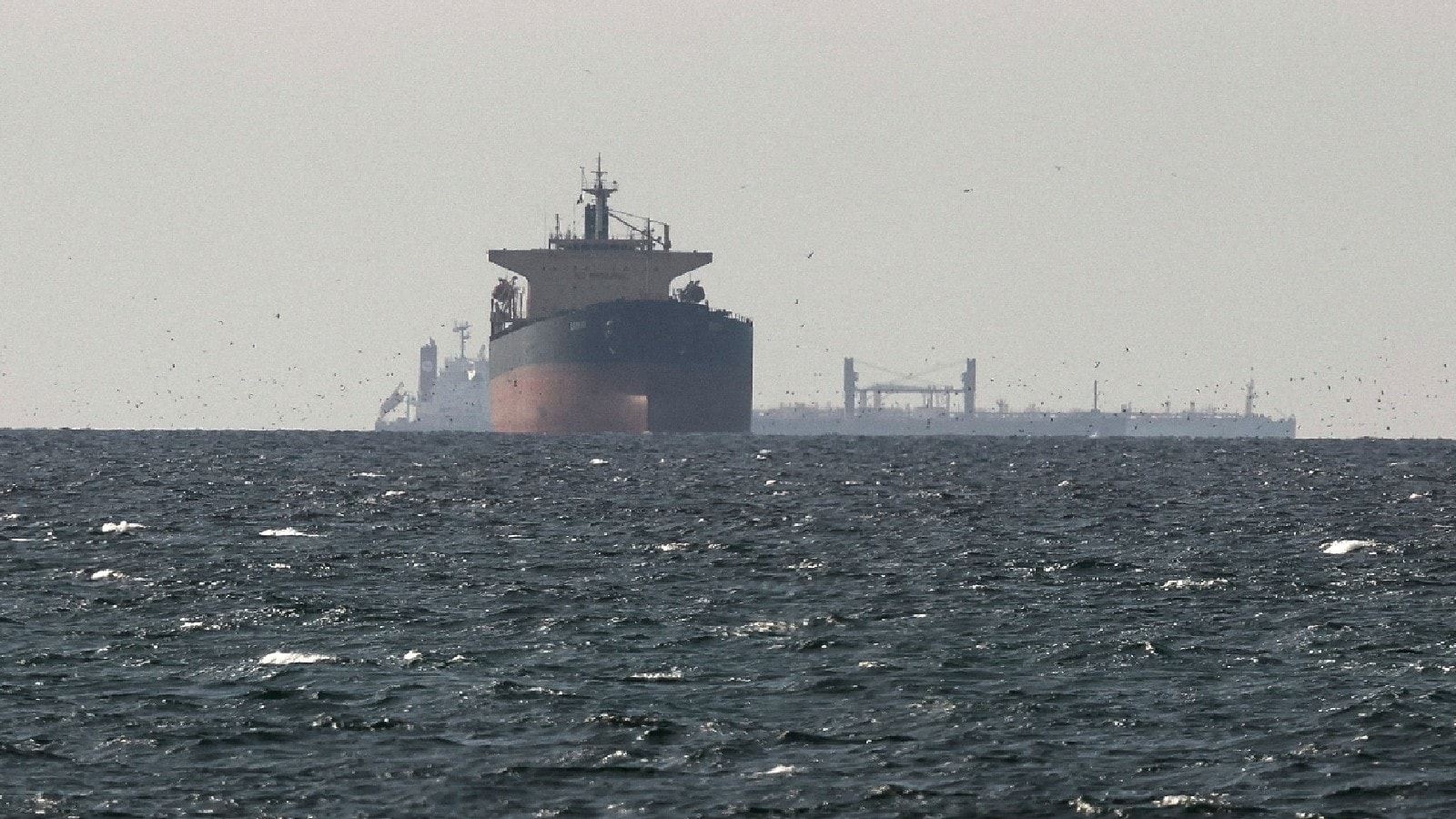
On March 11, 2026, Iran's military command escalated regional tensions with threats of continuous strikes targeting maritime commerce, warning that oil prices could reach $200 per barrel. This geopolitical development creates immediate operational and financial pressures for cross-border e-commerce sellers globally. While not a direct platform policy change, the threatened disruption to Middle East shipping lanes and potential oil price spike represents a critical supply chain risk that directly impacts fulfillment economics for Amazon FBA sellers, eBay merchants, and Shopify-based retailers.
Immediate Logistics Cost Impact: The threat of $200/barrel oil (compared to current ~$85-95/barrel baseline) would increase fuel surcharges by 110-135% across shipping corridors. For sellers relying on air freight from Asia to North America/Europe, this translates to $0.40-0.65 per pound additional cost—a 12-18% margin compression on lightweight electronics, apparel, and accessories categories. Ocean freight fuel surcharges would increase 8-12%, adding $400-800 per 40-foot container. Sellers shipping 50+ containers monthly face $20,000-40,000 in additional monthly logistics costs. Amazon FBA sellers using Fulfillment by Amazon International (FBIA) will see automatic cost increases passed through within 30-45 days as 3PL providers adjust fuel surcharge matrices.
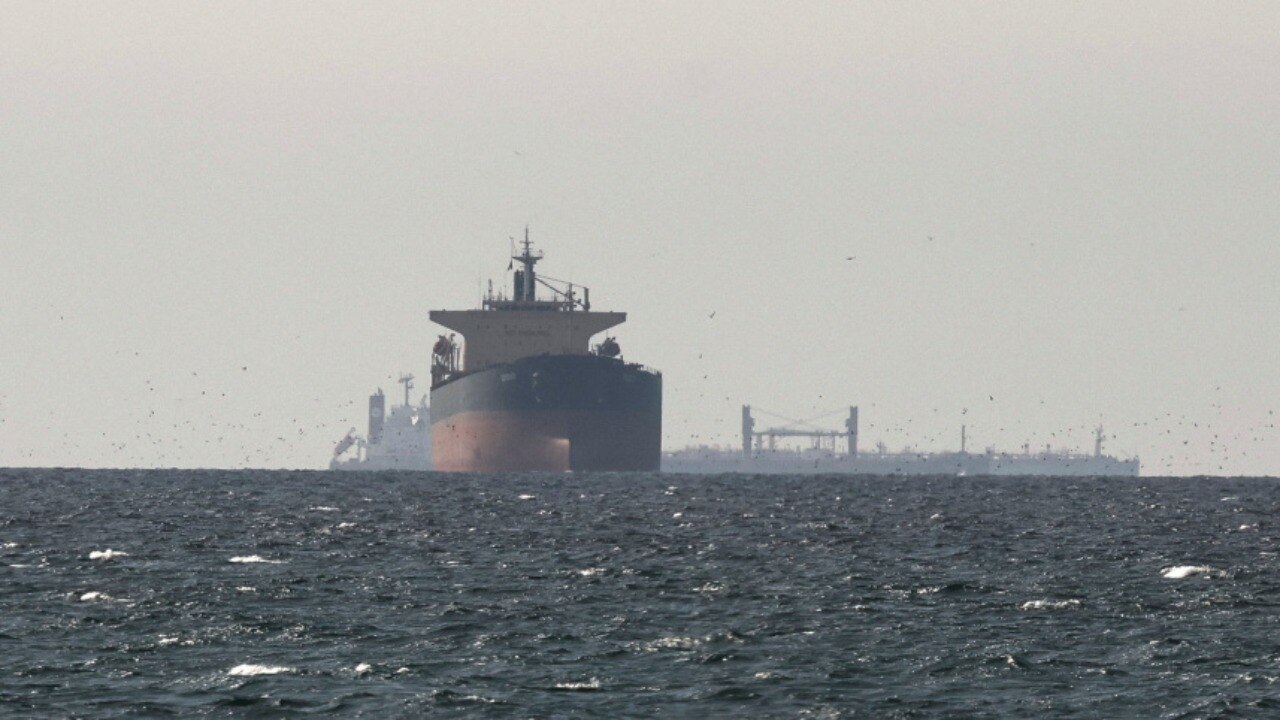
Shipping Timeline Disruptions: Threatened targeting of vessels in critical Strait of Hormuz and Suez Canal corridors creates 2-3 week delays for shipments from China/Vietnam to US/EU markets. This directly impacts inventory velocity metrics that Amazon uses for IPI (Inventory Performance Index) scoring. Sellers with tight inventory turnover models face potential storage fee penalties if goods arrive late and exceed warehouse capacity thresholds. High-velocity categories (electronics, seasonal apparel, home goods) are most vulnerable. Insurance costs for maritime cargo will increase 15-25% as underwriters price in geopolitical risk premiums.
Seller Segment Vulnerability Analysis: Small sellers (under $500K annual revenue) with limited cash reserves face the highest risk—they cannot absorb 10-15% cost increases without raising prices, which reduces competitiveness on Amazon Buy Box and eBay Best Match algorithms. Mid-market sellers ($500K-$5M) can partially offset costs through price increases but risk losing market share to larger competitors with diversified sourcing. Large sellers ($5M+) with established 3PL networks and direct manufacturer relationships can negotiate fixed-rate shipping contracts, creating competitive advantages. Sellers sourcing from Vietnam, India, and Indonesia (non-Middle East dependent) gain relative advantage over China-dependent competitors.
Strategic Sourcing Opportunity: This crisis accelerates the Vietnam/India substitution trend. Sellers currently sourcing 70%+ from China should evaluate nearshoring 20-30% of inventory to Vietnam, India, or Mexico to reduce Middle East shipping dependency. Vietnam-to-US ocean freight avoids Suez Canal routing entirely, while Mexico-to-US land freight eliminates fuel surcharge exposure. This represents a 6-12 month window before competitors execute similar strategies and capacity constraints emerge.
Questions 8
How will maritime insurance costs change due to geopolitical tensions?
Maritime cargo insurance premiums will increase 15-25% as underwriters price in geopolitical risk premiums for Middle East shipping corridors. For sellers shipping $500K monthly in goods, this represents $1,500-3,000 in additional monthly insurance costs. Sellers using Incoterms CIF (Cost, Insurance, Freight) will see these increases reflected in supplier quotes. Sellers using FOB (Free on Board) terms can shop alternative insurers, but premium increases are industry-wide. This cost increase is largely unavoidable but should be factored into landed cost calculations and pricing strategies immediately.
When will Amazon FBA sellers see shipping cost increases reflected in fees?
Amazon FBA sellers will see increased fulfillment fees within 30-45 days as 3PL providers adjust fuel surcharge matrices in response to oil price movements. Amazon typically passes through fuel surcharge increases with a 4-6 week lag. Sellers should monitor Amazon Seller Central announcements and 3PL provider communications for specific effective dates. Proactive sellers should model 10-15% cost increases into Q2 2026 financial projections immediately. Sellers with variable pricing strategies should consider locking in prices for 30-60 days before increases take effect to maintain margin stability.