


EV Aftermarket Boom: Gas Price Surge Drives 1.7% Search Spike | Seller Opportunity in Accessories & Parts
- EV-related searches jump from 20.7% to 22.4% as gas hits $3.58/gallon; California premium reaches $5.20/gallon (49% above national average); sellers positioned in charging accessories, battery management, and EV maintenance products face surging demand despite supply constraints

















Overview
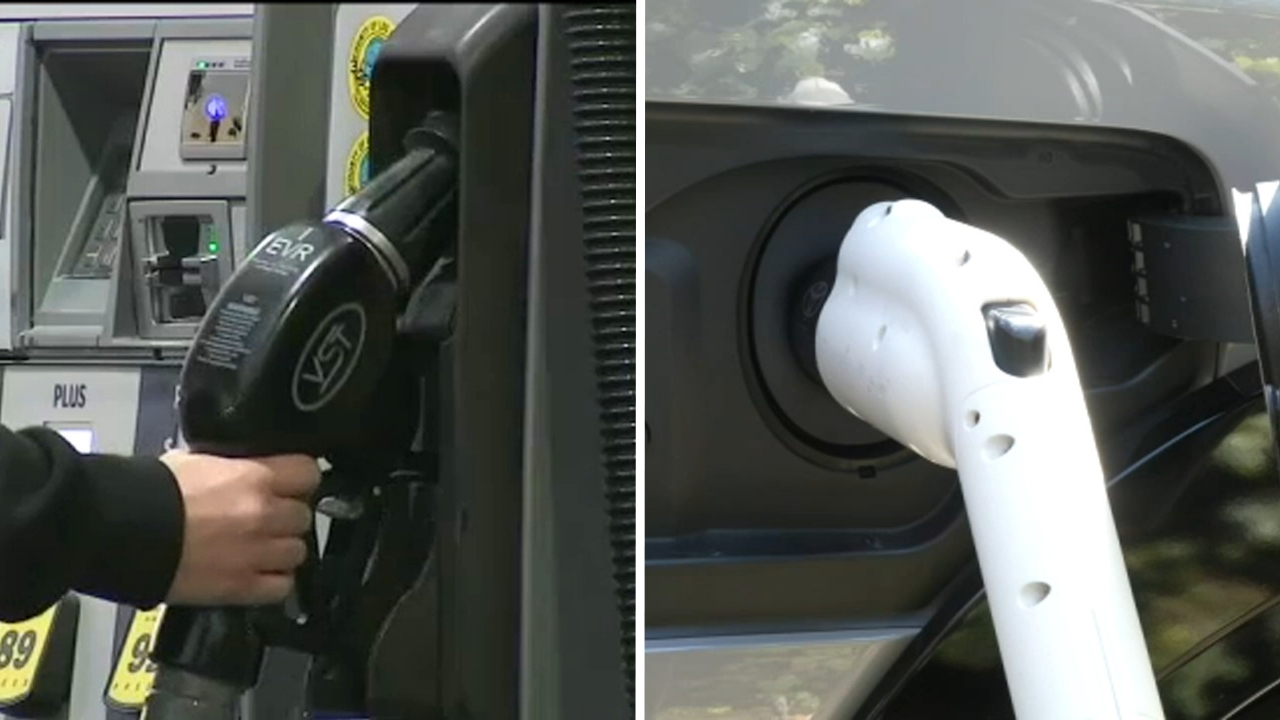
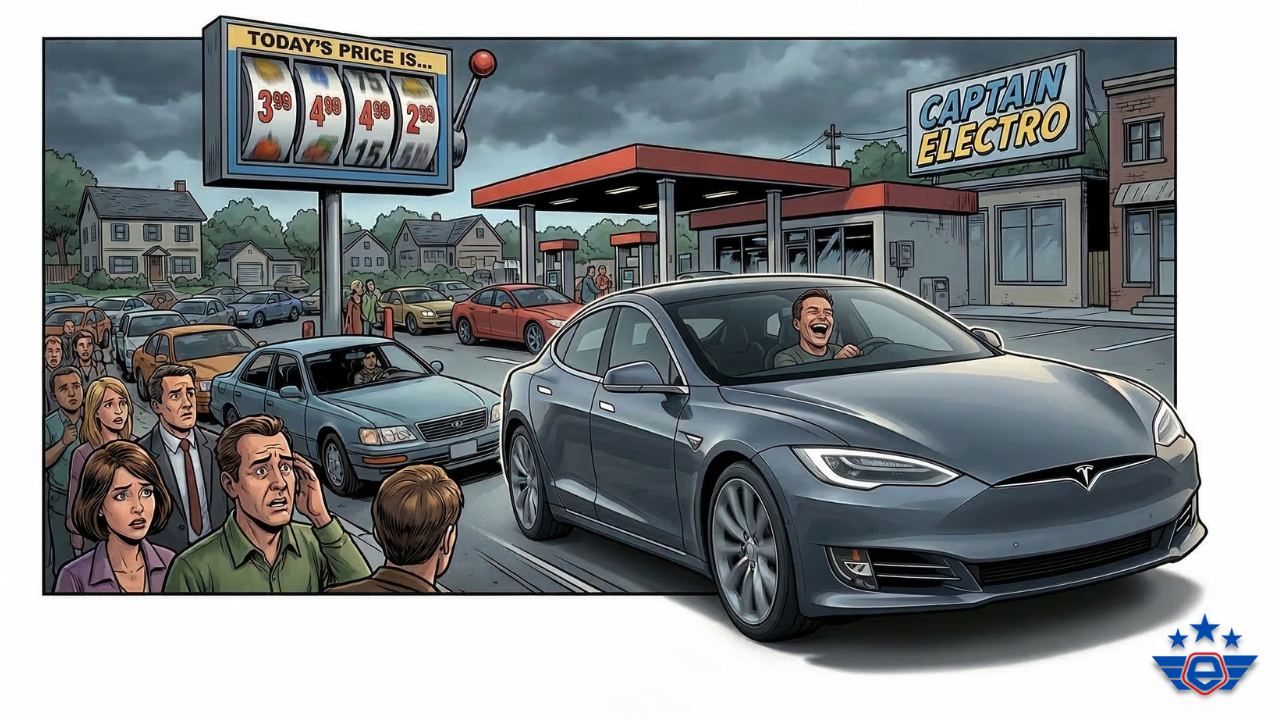
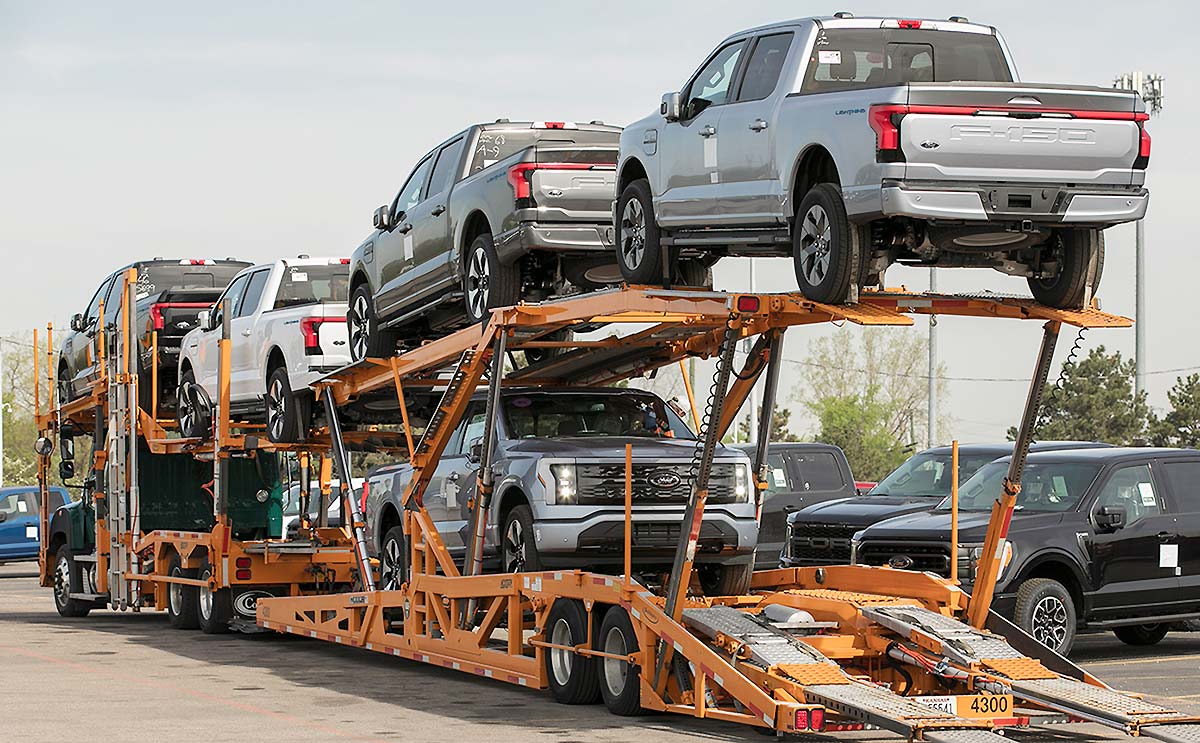
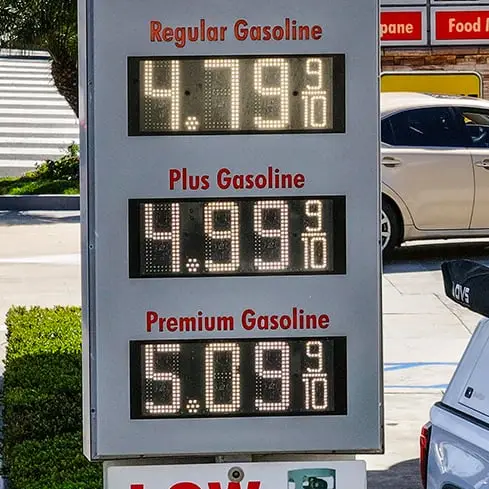
Geopolitical tensions in Iran have triggered a measurable surge in electric vehicle consumer interest, creating immediate e-commerce opportunities for cross-border sellers in the EV aftermarket and accessories sector. According to Edmunds data, searches for electrified vehicles (hybrids and full EVs) increased from 20.7% of all vehicle searches at the end of February 2024 to 22.4% during the week of March 2, 2024—a 1.7 percentage point jump driven primarily by full EV searches. The national average gas price reached $3.58 per gallon (a 50-cent monthly increase), while California experienced even more dramatic pricing at $5.20 per gallon, representing a 49% premium over the national average. This consumer behavior mirrors historical patterns: during the 2022 Russian invasion of Ukraine, EV research queries jumped from 17.5% to 25.1% within a single month, demonstrating that external economic shocks rapidly shift buyer preferences toward fuel efficiency.
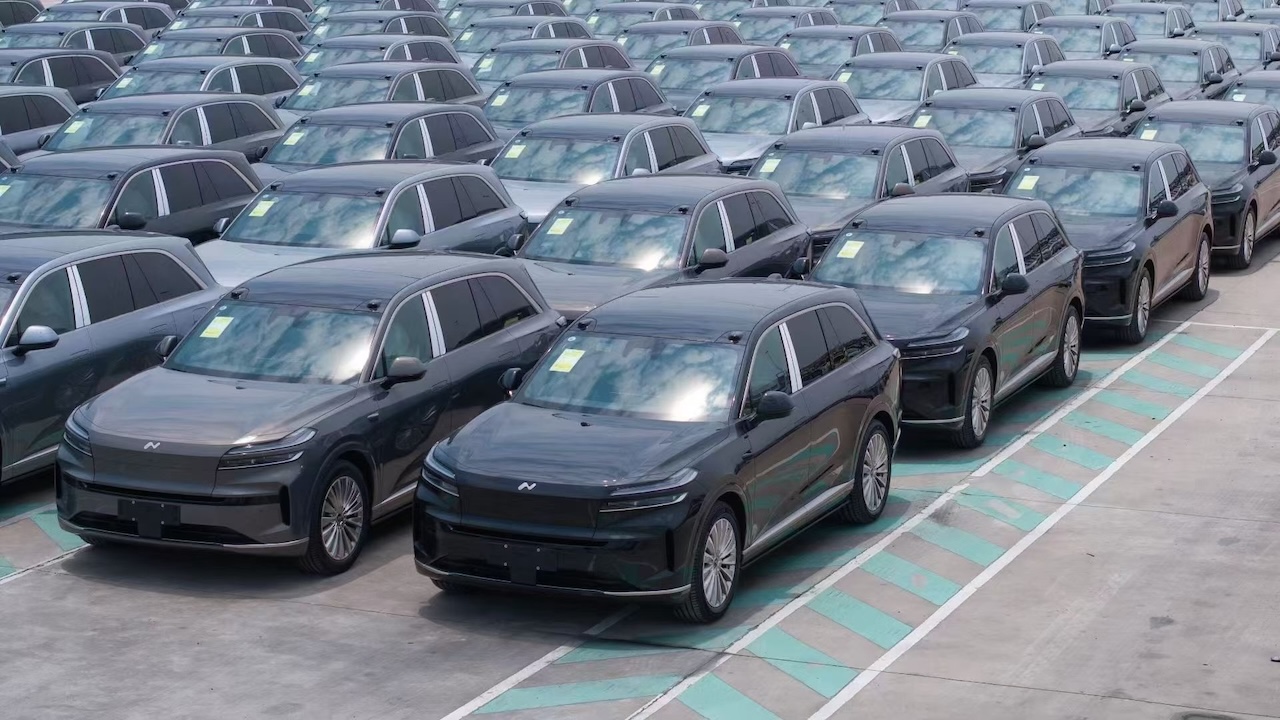
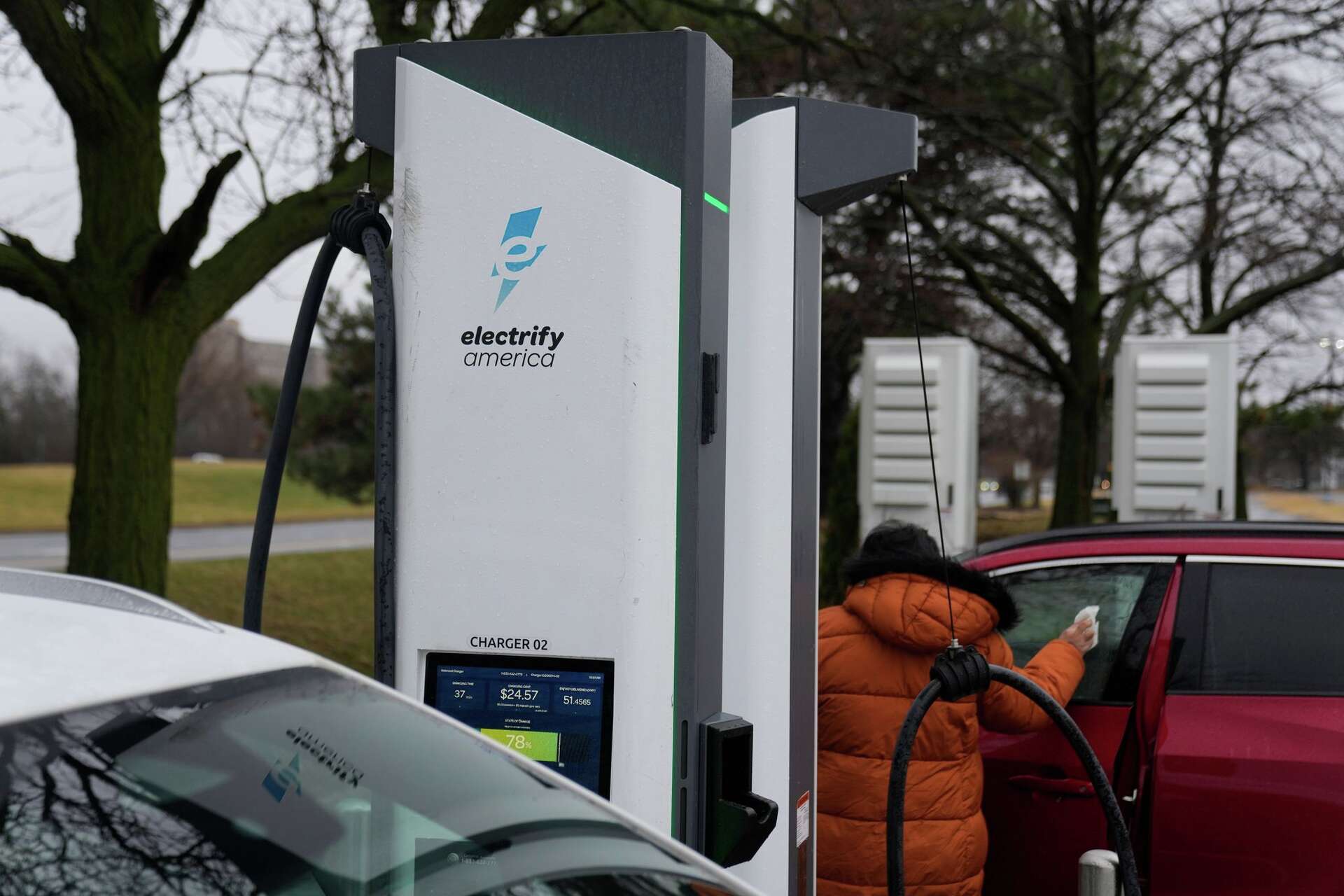
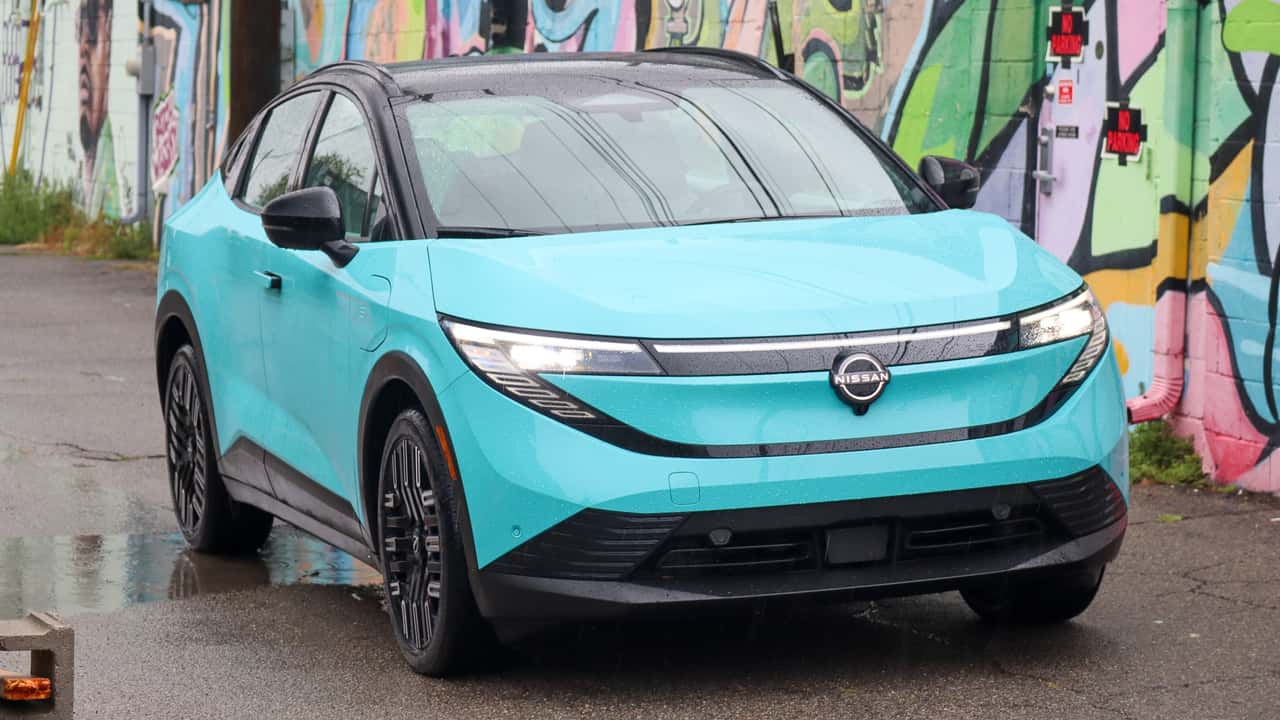
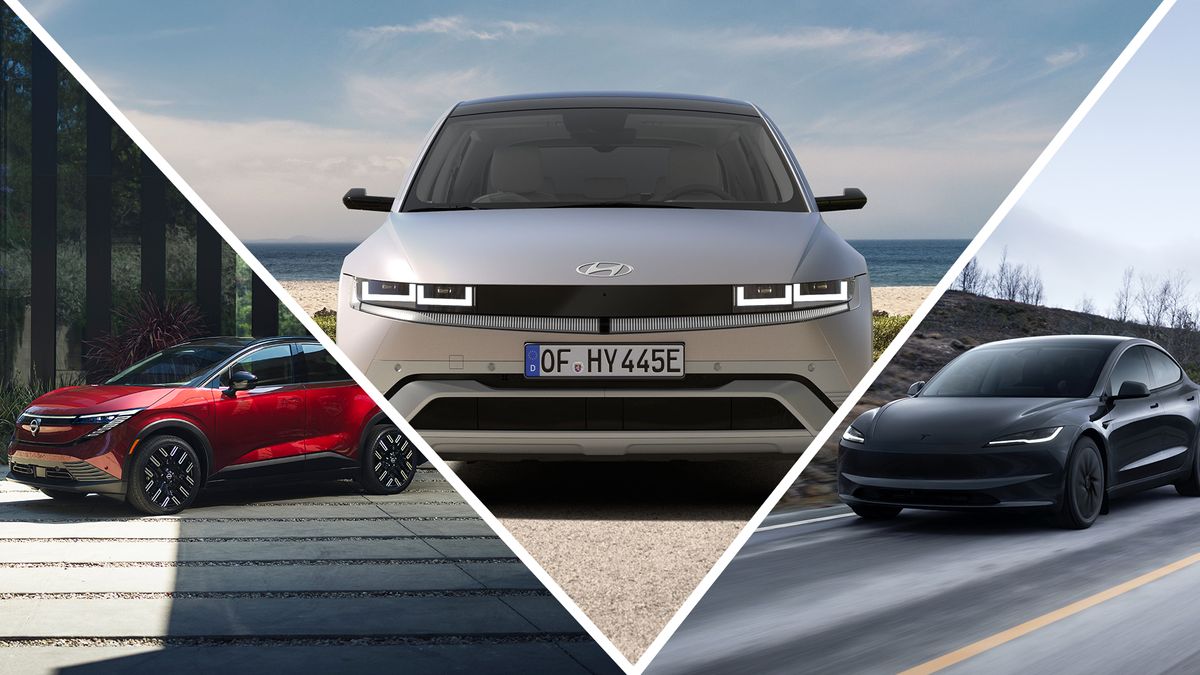
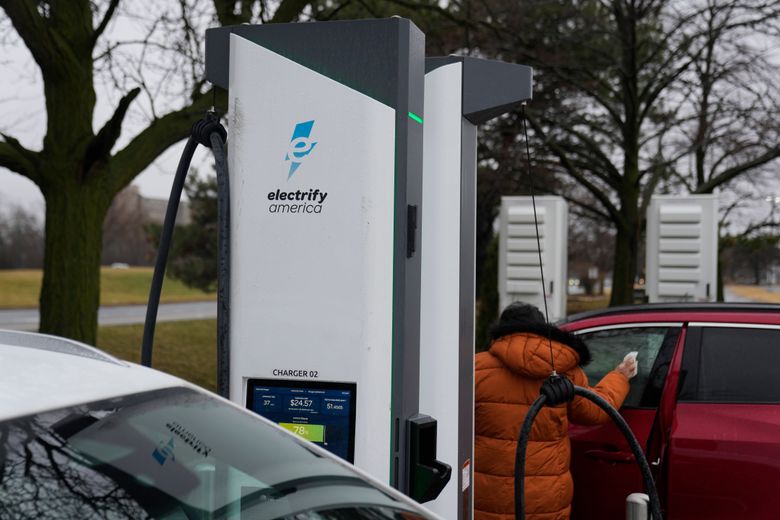
The immediate e-commerce opportunity centers on EV aftermarket products and accessories rather than vehicle sales themselves. While new affordable EV options remain severely constrained—the Chevrolet Bolt's availability is restricted, the Nissan Leaf's budget variant is indefinitely on hold, and anticipated affordable models like the Kia EV3 and EV4 face postponed U.S. launches—used EV inventory is expanding as leases end and vehicles enter the secondary market. This creates a two-tier demand pattern: price-sensitive buyers entering the used EV market require charging solutions, battery management systems, thermal management accessories, and maintenance products. Sellers positioned in these categories can capitalize on the 43% sales jump California experienced in 2022 when oil prices exceeded $100 per barrel, with zero-emission vehicle market share rising from 12% to 19% of all light-duty vehicles sold. A 2022 AAA survey found 77% of EV purchase decision-makers cited fuel cost savings as their primary motivation, indicating price-conscious consumers highly receptive to cost-optimization accessories.
However, structural market headwinds create both urgency and complexity for sellers. The Trump administration eliminated the $7,500 federal EV tax credit in September 2025 and the $4,000 used EV incentive, removing significant purchase incentives that previously drove demand. Major automakers are simultaneously scaling back EV production as federal support declines, creating a paradox: while high gas prices generate consumer demand, supply constraints may prevent market expansion. EV purchase intent dropped from 25% in 2022 to just 16% in 2025 as oil prices cooled, suggesting the current price spike may be temporary. Sellers must act quickly to capture demand while gas prices remain elevated, focusing on high-margin accessories (charging cables, adapters, thermal management systems, battery monitoring devices) that serve both new EV buyers and the expanding used EV market. If elevated gas prices persist—with some analysts projecting potential levels comparable to 2008 recession levels ($140 per barrel)—demand for EV-related products will likely sustain through 2024-2025, creating a 6-12 month window for sellers to establish market position and build customer loyalty in this emerging category.
Questions 8
How long might this EV demand surge last based on historical patterns?
The current demand surge may be temporary, as EV purchase intent dropped from 25% in 2022 to just 16% in 2025 as oil prices cooled. However, if elevated gas prices persist—with some analysts projecting potential levels comparable to 2008 recession levels ($140 per barrel)—demand for EV-related products could sustain through 2024-2025, creating a 6-12 month window for sellers to establish market position. The 2022 Ukraine crisis demonstrated that geopolitical shocks can drive sustained demand spikes lasting several months. Sellers should act quickly to capture demand while gas prices remain elevated, focusing on building customer loyalty and establishing market position in EV accessories before potential price normalization.
What percentage of EV buyers prioritize fuel cost savings when making purchase decisions?
A 2022 AAA survey found that 77% of EV purchase decision-makers cited fuel cost savings as their primary motivation for buying electric vehicles. This indicates that price-conscious consumers represent the dominant buyer segment and are highly receptive to messaging emphasizing long-term cost reduction and operational efficiency. For sellers, this insight suggests that marketing EV accessories and aftermarket products should emphasize cost-saving benefits: improved charging efficiency, battery longevity, thermal management for extended range, and maintenance cost reduction. The 77% figure demonstrates that fuel economics, not environmental concerns, drive the majority of EV adoption decisions, making cost-optimization accessories particularly valuable to this buyer segment.