




Nvidia's $26B AI Investment & NemoClaw Platform | E-Commerce Automation Acceleration for Sellers
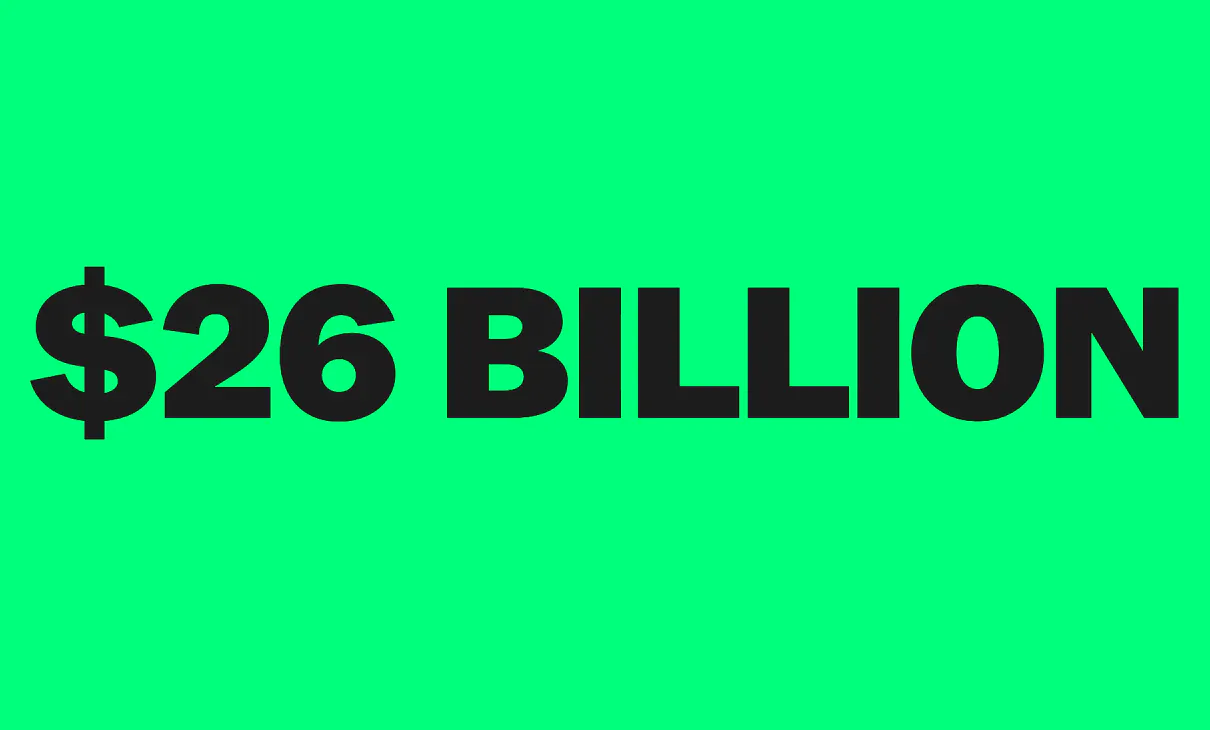
- Nvidia invests $26B over 5 years in open-weight AI models; launches NemoClaw agent platform for enterprises. AI service costs expected to drop 30-40%, enabling mid-market sellers to automate inventory, pricing, and customer service at 50-60% lower implementation costs by 2027.

















Overview
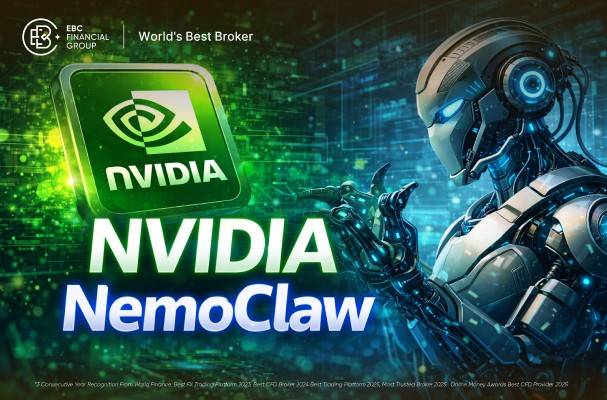
Nvidia's $26 billion five-year commitment to open-weight AI models and the March 2026 announcement of NemoClaw—an enterprise AI agent platform—represents a fundamental shift in AI accessibility for e-commerce sellers. This vertical integration strategy, where Nvidia moves from GPU infrastructure provider to AI model developer, directly impacts seller competitiveness through three critical mechanisms: cost reduction, automation acceleration, and competitive intelligence capabilities.
The immediate automation opportunity is substantial. Nvidia's open-weight model approach (making architecture and weights publicly available while maintaining proprietary elements) creates a competitive pressure on AI service pricing. Current AI-powered inventory management tools cost $500-2,000/month for mid-market sellers; increased competition from Nvidia's models could reduce these costs to $300-1,200/month within 18-24 months. NemoClaw's enterprise focus on multi-step task automation directly addresses seller pain points: product research automation, dynamic pricing optimization, customer service ticket routing, and demand forecasting. Sellers using Salesforce, Adobe, or Shopify integrations will gain access to AI agents capable of autonomous reasoning and action—enabling one person to manage operations previously requiring 2-3 team members.
For cross-border e-commerce specifically, the implications are transformative. Sellers utilizing Nvidia-powered cloud infrastructure (AWS, Google Cloud, Azure all use Nvidia GPUs) will benefit from improved AI feature performance integrated directly into their platforms. Amazon Seller Central, Shopify, and eBay are likely to incorporate these advanced AI capabilities into their native tools, reducing seller dependency on third-party SaaS solutions. The five-year timeline suggests phased rollout: foundational models (Nemotron, Cosmos) available now for early adopters; specialized e-commerce agents (inventory optimization, pricing, customer service) likely by Q4 2026; full autonomous agent ecosystems by 2028.
The competitive advantage window is 12-18 months. Early adopters who integrate NemoClaw or Nvidia-powered AI agents into their operations will gain 20-30% operational efficiency gains before the technology becomes commoditized. Mid-market sellers (annual revenue $1-10M) can automate 40-60% of repetitive tasks currently handled manually: product listing optimization, competitor price monitoring, customer inquiry categorization, and inventory rebalancing across channels. This translates to 15-25 hours/week of labor savings per seller, equivalent to $30,000-60,000 annual cost reduction for a typical 5-person operation.
Security concerns present both risk and opportunity. Experts have flagged vulnerabilities in nascent AI agent tools, particularly for sensitive business operations. Sellers deploying NemoClaw or similar agents must implement data governance frameworks, audit trails, and human-in-the-loop approval systems for high-value decisions (pricing changes >10%, inventory transfers >$5,000). This creates demand for AI governance SaaS tools—a market gap where specialized solutions for e-commerce AI compliance don't yet exist. First-mover sellers who establish best practices will gain competitive moats through superior customer trust and operational transparency.
Questions 8
What is the ROI timeline for sellers adopting Nvidia-powered AI automation?
Early adopters (Q2-Q4 2026) can expect 20-30% operational efficiency gains within 6 months of implementation, translating to $30,000-60,000 annual cost savings for a typical 5-person operation. Implementation costs for mid-market sellers range from $5,000-15,000 for integration and training, with payback periods of 2-4 months. Pricing optimization alone can improve margins by 2-5% through dynamic pricing and competitor monitoring automation. Inventory automation reduces carrying costs by 10-15% through improved demand forecasting. Customer service automation reduces response time by 60-80% and ticket handling costs by 40-50%. Full ROI realization typically occurs within 12-18 months of deployment.
How does Nvidia's vertical integration strategy affect seller competition?
Nvidia's shift from GPU supplier to AI model developer creates a competitive moat by controlling both hardware and software layers. This vertical integration mirrors patterns at major tech platforms where companies leverage technical advantages to expand into adjacent markets. For sellers, this means improved AI feature performance in cloud platforms they already use, but also increased dependency on Nvidia-powered infrastructure. Sellers should diversify their AI tool stack to avoid vendor lock-in. The competitive advantage window for early adopters is 12-18 months before AI capabilities become commoditized across platforms.