



Strait of Hormuz Blockade Triggers 5.7% Oil Spike | Shipping Costs Surge for Cross-Border Sellers
- Brent crude jumps to $97.16/barrel; maritime traffic halted since late February; 20% of global oil/gas supply disrupted; sellers face 8-15% freight cost increases and 2-4 week delivery delays








)
















Overview
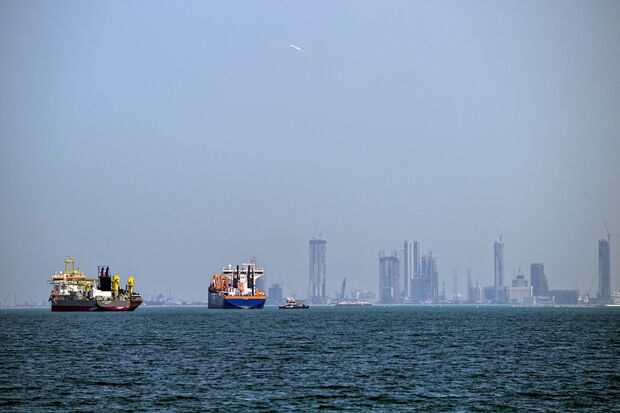
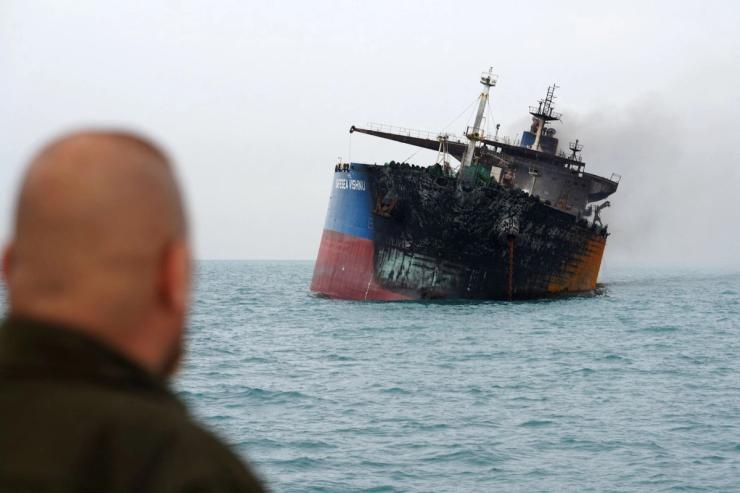
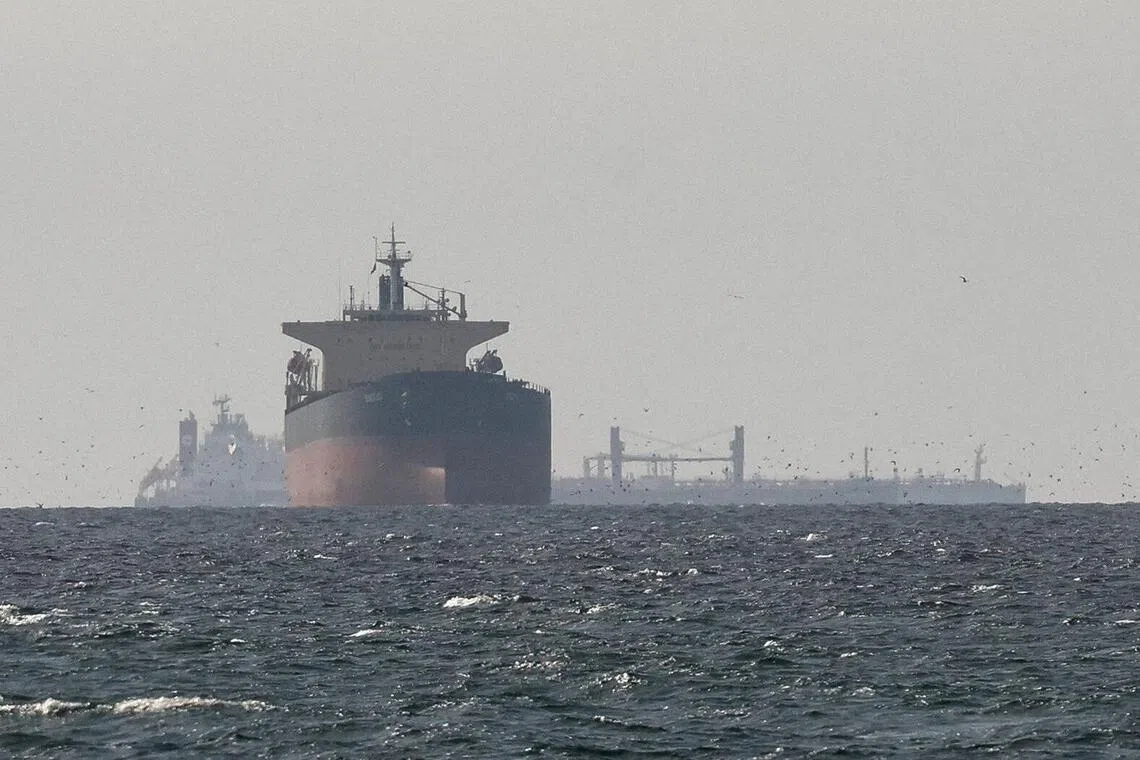
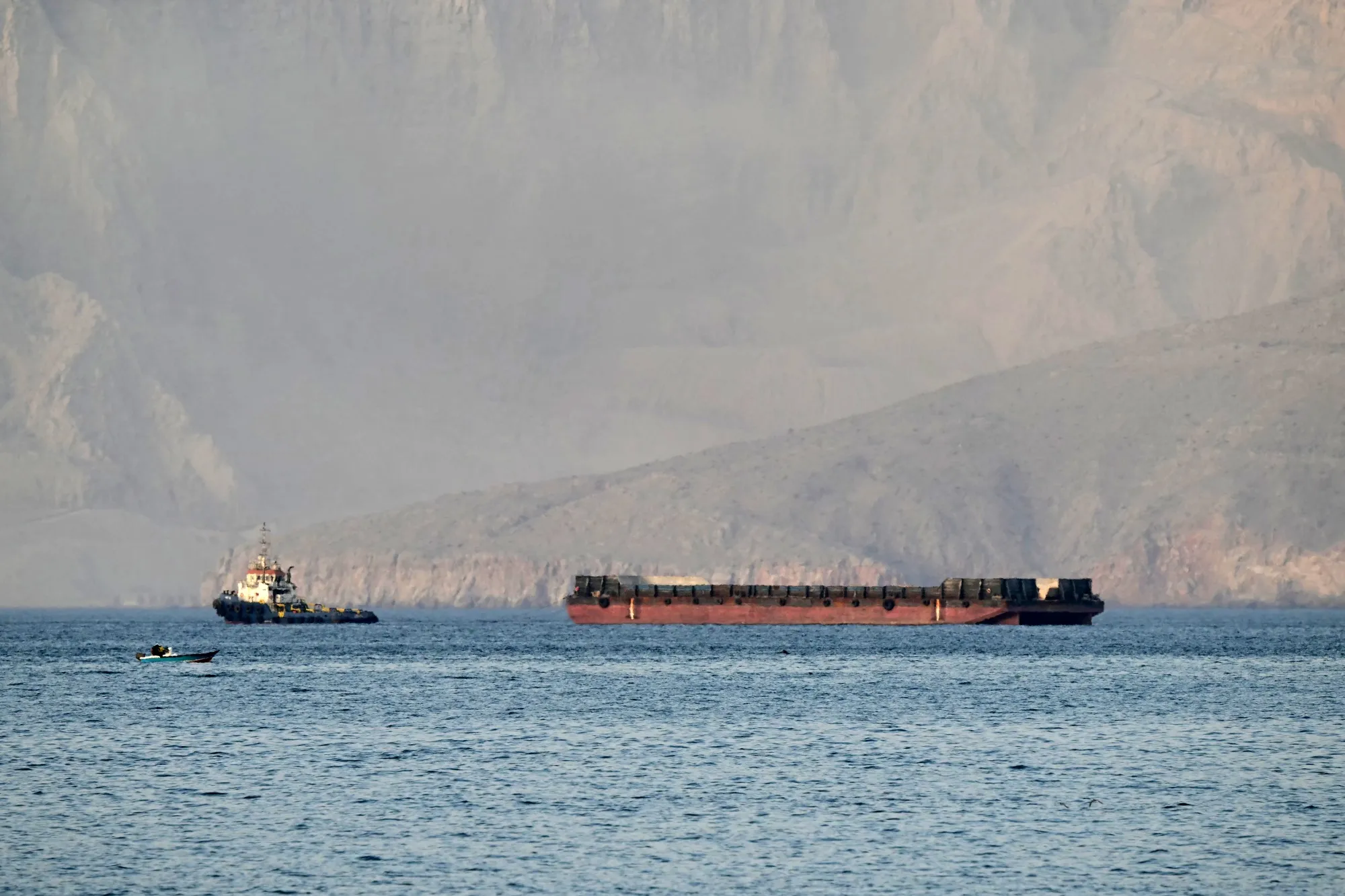
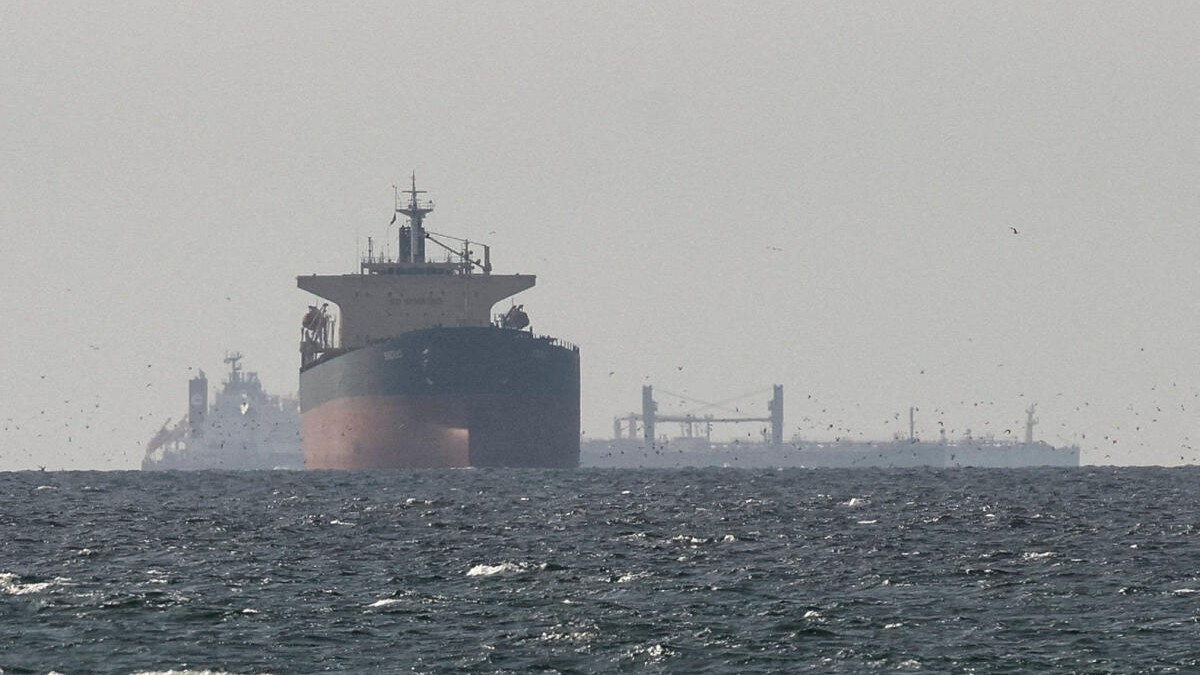
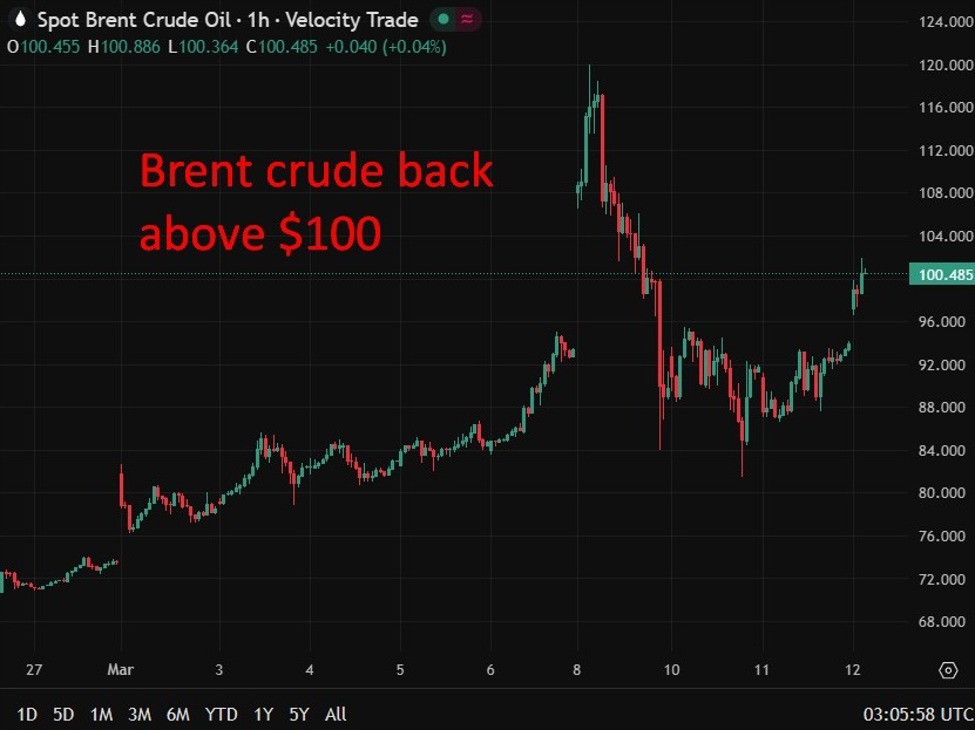
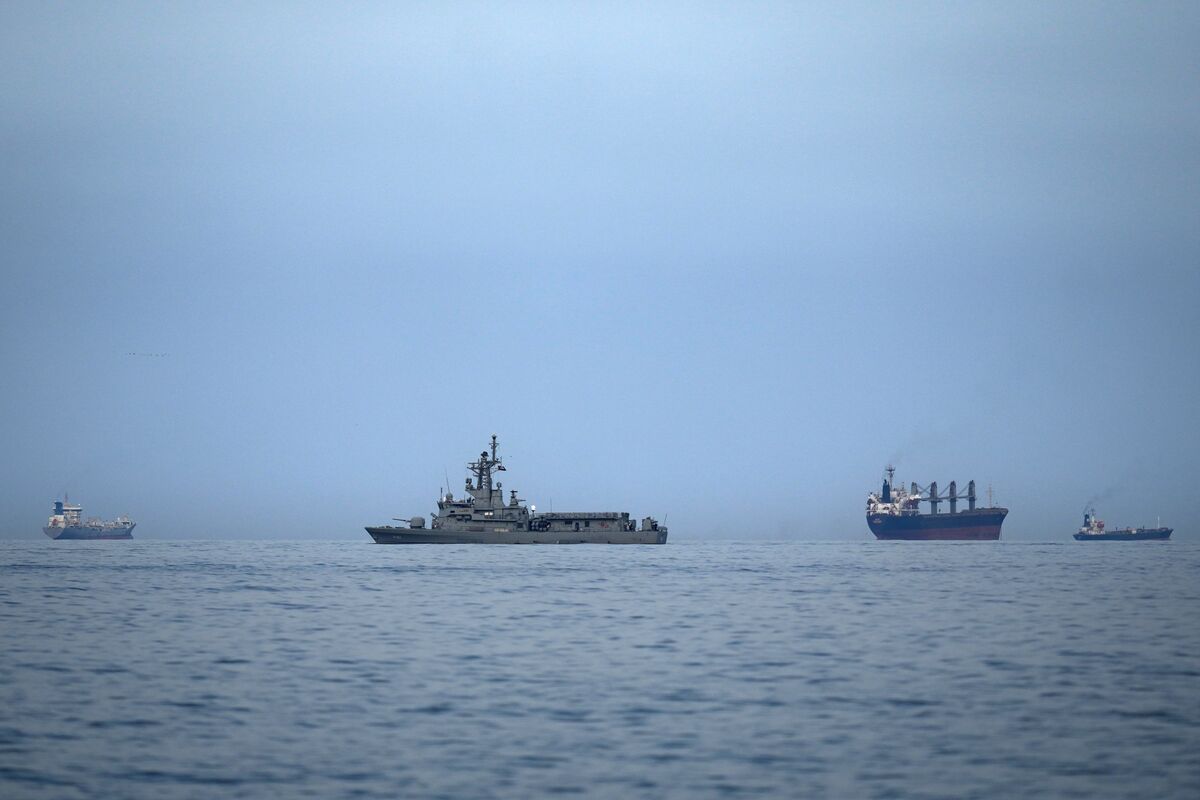
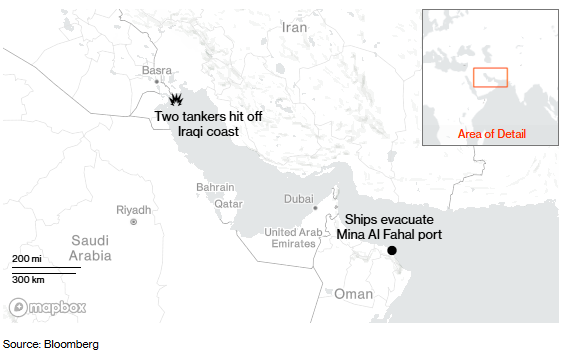
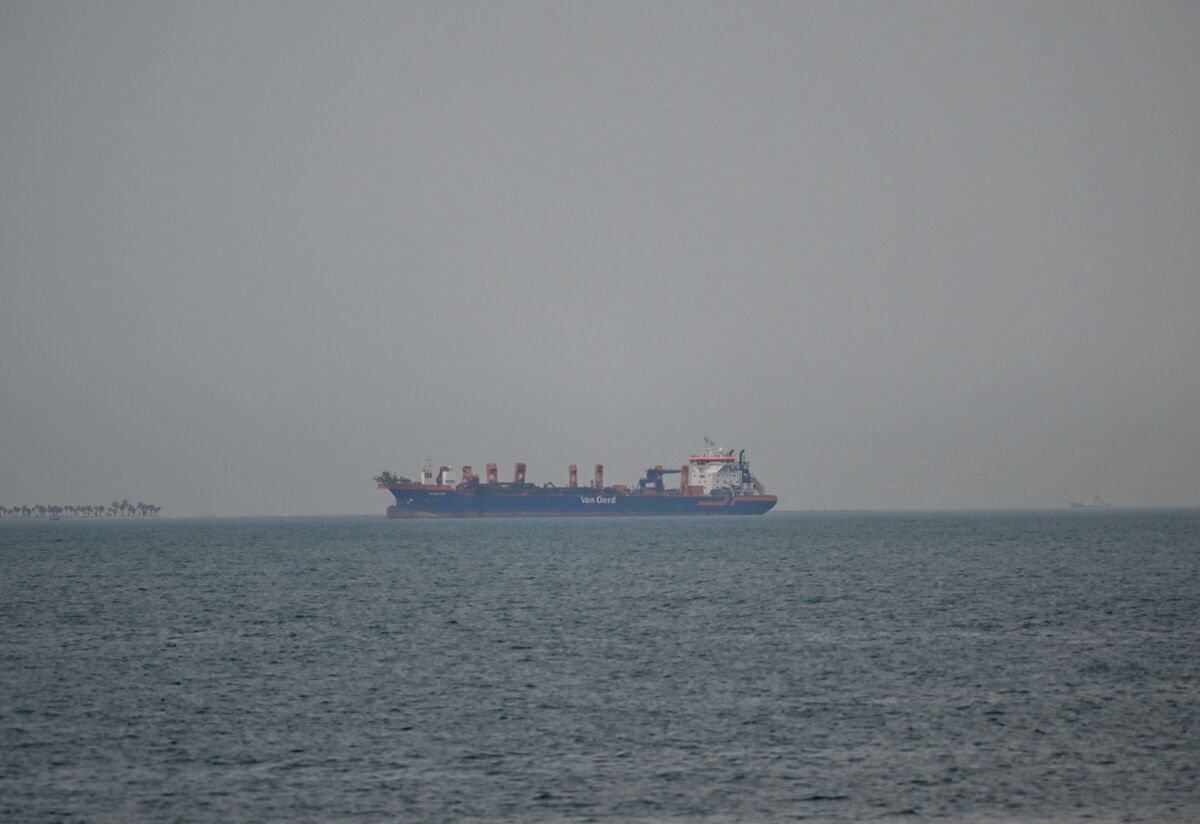
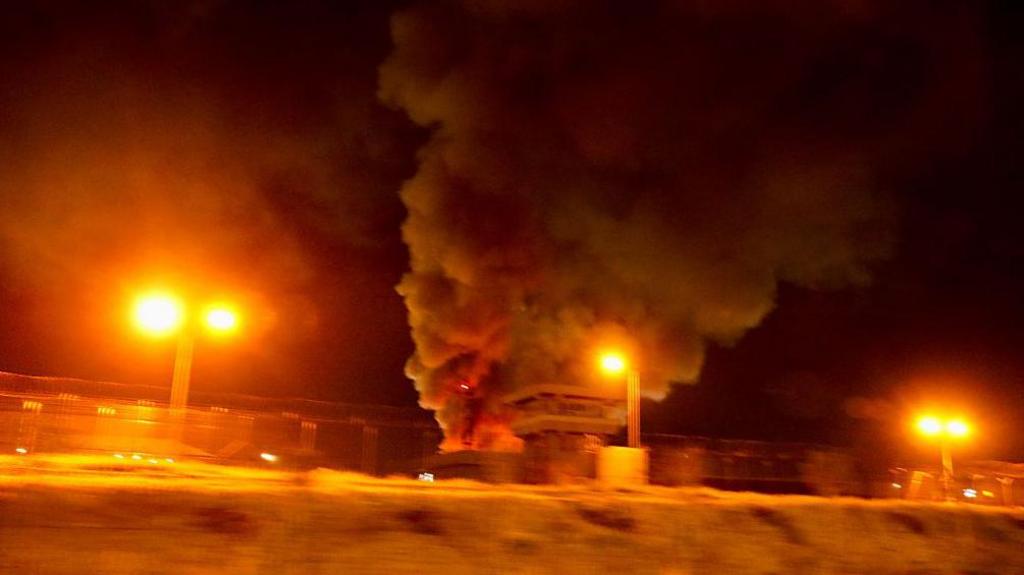
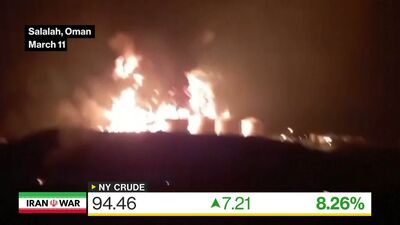
The Strait of Hormuz blockade represents a critical supply chain crisis for cross-border e-commerce sellers, with immediate and cascading cost impacts across all shipping modalities. On March 12, 2026, three additional foreign vessels were struck in the Persian Gulf near the strategically vital Strait of Hormuz, following six prior attacks on March 11. Shipping traffic through this critical maritime corridor—which handles approximately 20% of global oil and gas supply—has virtually halted since late February military operations. Brent crude futures (May delivery) surged 5.7% to $97.16 per barrel, while U.S. West Texas Intermediate futures (April delivery) rose 5.3% to $91.88. Iranian military officials warned oil prices could reach $200 per barrel, signaling potential for sustained volatility. The International Energy Agency announced plans to release a record 400 million barrels from strategic reserves, though implementation timelines remain unspecified across 32 member countries.
For cross-border e-commerce sellers, this disruption creates immediate operational and financial pressure across three critical dimensions. First, maritime freight costs are escalating rapidly: sellers importing goods from Asia or exporting to Middle Eastern markets face 8-15% increases in per-unit shipping costs as carriers reroute vessels around Africa (adding 10-14 days transit time) or demand premium rates for remaining Persian Gulf passages. A standard 40-foot container from Shanghai to Dubai typically costs $1,200-1,800; rerouting via Cape of Good Hope increases costs to $2,100-2,600, compressing margins by $900-800 per container. Second, air freight alternatives are economically prohibitive: air cargo rates from Asia to Europe have doubled from $3-4/kg to $6-8/kg, making air freight viable only for high-margin products (electronics, luxury goods, pharmaceuticals). Third, inventory management becomes critical—sellers with stock in transit face 2-4 week delays, threatening fulfillment reliability and Amazon FBA/eBay seller ratings. The supply chain uncertainty directly impacts customer satisfaction metrics and platform performance scores essential for Buy Box eligibility and search visibility.
Competitive dynamics shift dramatically across seller segments and product categories. Large sellers with diversified sourcing (Vietnam, India, Indonesia alternatives to China) and established 3PL networks can absorb cost increases through volume negotiations and route flexibility. Small-to-medium sellers (SMBs) relying on single-source China suppliers face margin compression of 5-12% on standard products, forcing price increases that reduce competitiveness. High-velocity categories (apparel, home goods, consumer electronics) see the greatest impact—a seller moving 500 units/month of $15 apparel items faces $4,500-6,750 monthly freight cost increases. Conversely, sellers in high-margin categories (jewelry, collectibles, specialty items with 40%+ margins) can absorb costs more easily. Middle Eastern market access becomes strategically valuable: sellers currently serving UAE, Saudi Arabia, and Gulf Cooperation Council markets gain competitive advantage as alternative suppliers face routing delays. The 400 million barrel IEA reserve release may stabilize prices within 4-6 weeks, creating a timing window for sellers to lock in current rates before potential further increases.
Questions 7
What insurance and risk mitigation strategies should sellers implement for Persian Gulf shipping?
Sellers should immediately increase cargo insurance coverage from standard 2-3% to 5-7% of shipment value given heightened maritime risk. War risk insurance (typically 0.5-1% of cargo value) is now essential for Persian Gulf routes; costs have increased 300-400% since March 2026 attacks. Diversify shipping across multiple carriers and consolidators to reduce single-point-of-failure risk. Negotiate force majeure clauses with suppliers allowing 30-60 day payment extensions if shipments are delayed beyond 45 days. Consider supply chain finance solutions (invoice factoring, supply chain lending) to improve cash flow during extended transit periods. Monitor Lloyd's List and UKMTO for daily incident reports to make real-time routing decisions.
How will Amazon FBA seller ratings be affected by shipping delays from the Persian Gulf crisis?
Delivery delays of 2-4 weeks directly impact Amazon's A9 algorithm and Buy Box eligibility. Late delivery metrics (on-time percentage) and customer satisfaction scores (negative feedback, A-to-Z claims) will deteriorate if sellers don't proactively communicate delays. Sellers with FBA inventory in transit face potential IPI (Inventory Performance Index) penalties if stock arrives late and sits in fulfillment centers. Amazon's 2024 data shows sellers with 95%+ on-time delivery maintain 60%+ Buy Box share; delays below 90% reduce Buy Box eligibility by 40-50%. Sellers should update product listings with extended handling times immediately and monitor Seller Central metrics daily.