


Air Freight Costs Surge 60% | Critical Impact on Cross-Border E-Commerce Sellers
- Jet fuel prices jumped from $2.44 to $3.78/gallon since late February 2026; air cargo rates correlating directly; 46,000+ flights canceled; sellers face 15-25% logistics cost increases for time-sensitive shipments





)

Overview
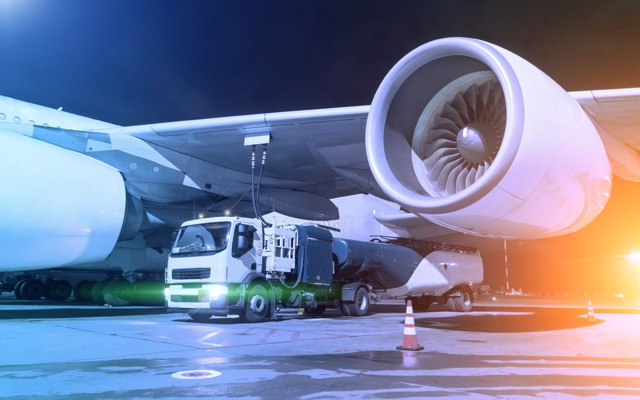
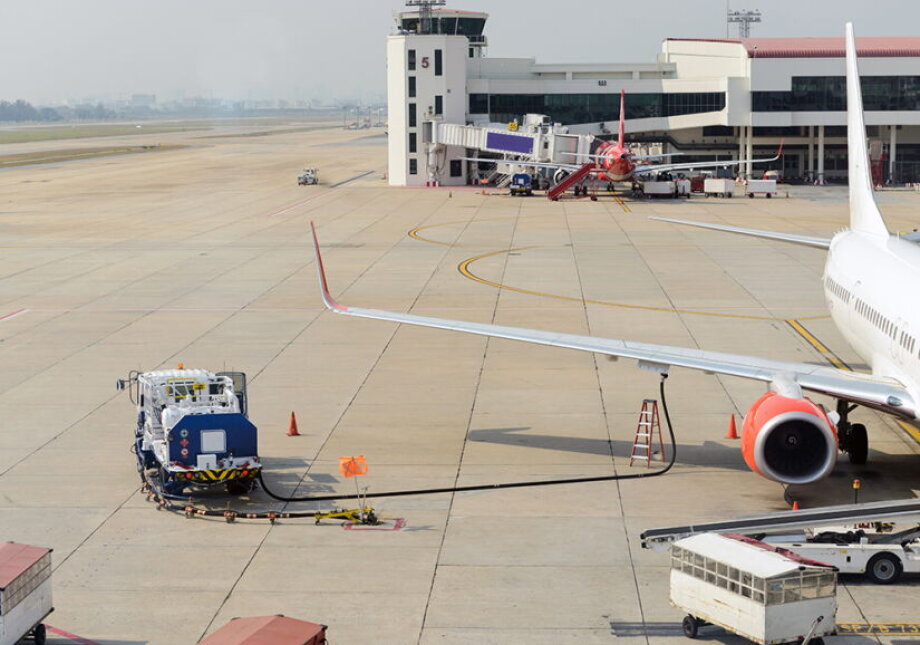
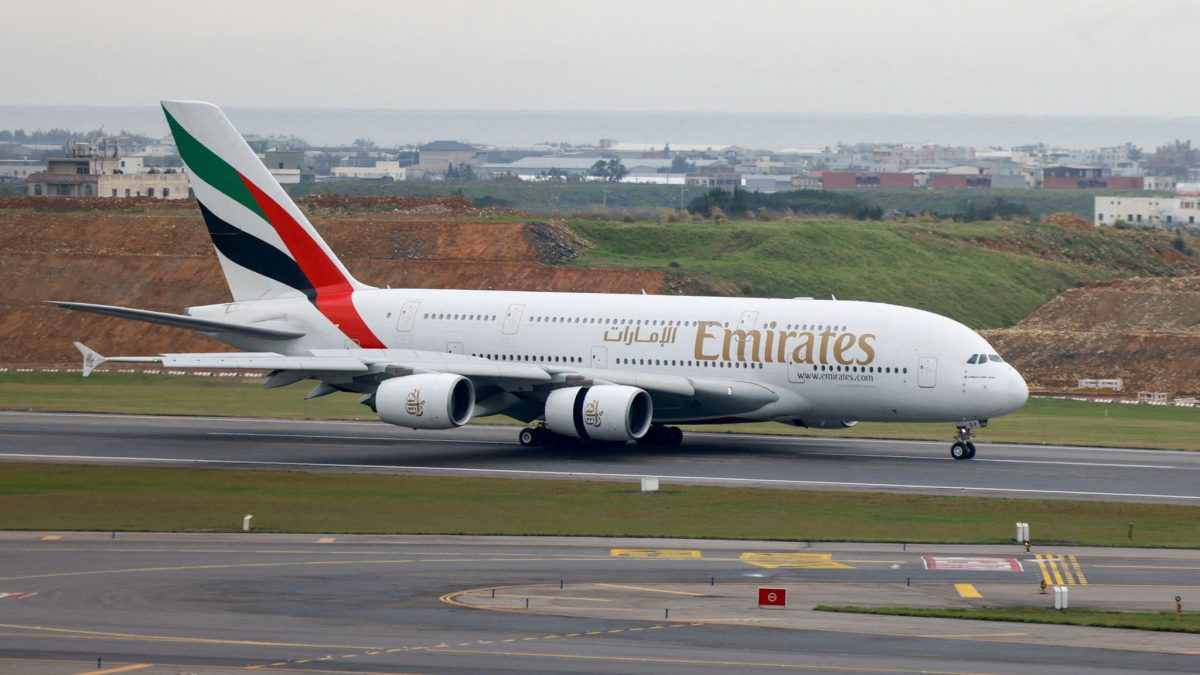
The geopolitical crisis in the Middle East has triggered a 60% surge in jet fuel prices, directly impacting cross-border e-commerce sellers relying on air freight logistics. Since late February 2026, U.S. jet fuel prices have skyrocketed from $2.44 to $3.78 per gallon, with refining margins in Asia widening from $21 to $144 per barrel—a 585% increase. This represents a substantial operational cost shock: filling a Boeing 737-800's fuel tanks jumped from approximately $17,000 to $27,000 within one week. For e-commerce sellers, this translates directly into higher air cargo rates, as air freight pricing correlates tightly with jet fuel costs. The news reports that over 46,000 flights have been canceled to and from the Middle East region, forcing airlines to implement longer, more fuel-intensive routing through alternative hubs in Europe and Asia. This creates a compounding cost effect—not only are fuel surcharges increasing, but rerouting adds 8-15 additional flight hours and fuel consumption per shipment.
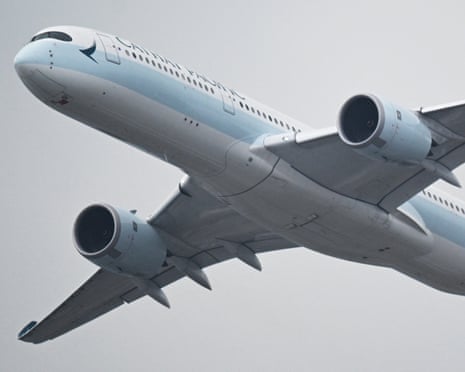
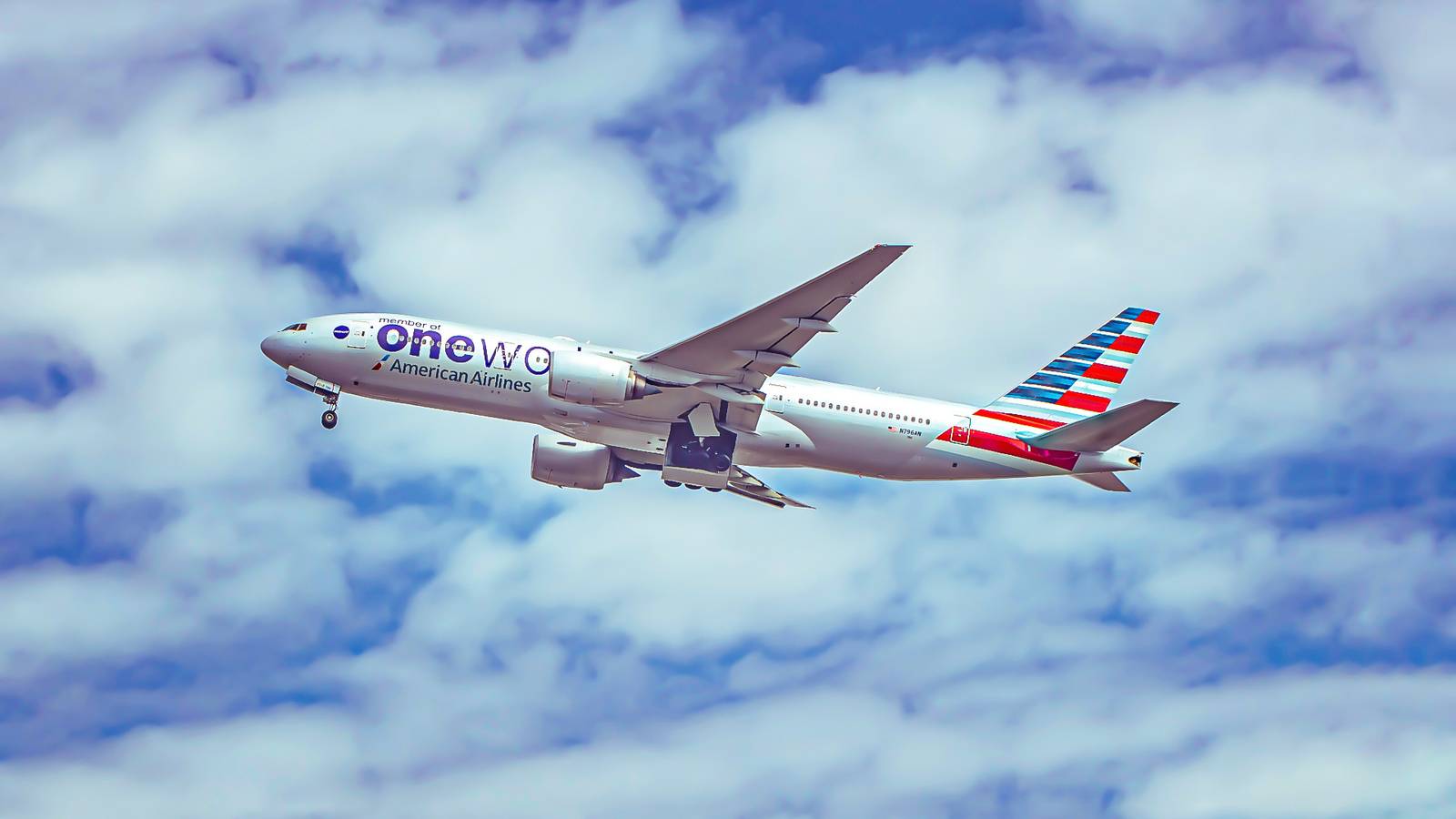
Airlines are implementing immediate cost-recovery measures that directly affect seller logistics expenses. Major carriers including Cathay Pacific, Qantas, Scandinavian Airlines, and Air New Zealand have announced fare increases and fuel surcharges effective immediately, with Cathay Pacific roughly doubling fuel surcharges starting March 18, 2026. Industry analyst estimates indicate fuel surcharges can reach 5-10% of base airfare costs. For air cargo specifically, sellers shipping via express air freight (typically used for time-sensitive products like electronics, fashion, and perishables) should expect 15-25% cost increases on per-unit logistics expenses. The impact varies by seller segment: large multinational sellers with established carrier contracts may negotiate volume discounts, while small-to-medium sellers using spot market air freight face full exposure to rate increases. Asian airlines are particularly vulnerable, with Bank of America estimating average 2026 net profit drops of 6% for each $10 per barrel increase in refining margins over 90 days. This margin compression forces carriers to pass costs directly to shippers.
Strategic sourcing and logistics optimization becomes critical for margin protection. The news indicates that major U.S. and Chinese carriers have no hedging contracts in place, leaving them fully exposed to fuel volatility. This creates an opportunity window for sellers to negotiate multi-month air freight contracts before rates stabilize at higher levels. Sellers should immediately assess their air freight dependency: products with high time-sensitivity (fashion, electronics, perishables) face the greatest cost pressure, while slower-moving categories can shift to ocean freight alternatives. The Middle East airspace closures force rerouting through European hubs, increasing demand for limited European connection capacity and potentially raising rates on Europe-Asia-Americas routes by an additional 8-12%. Industry experts predict elevated fuel prices will persist for months, consistent with historical patterns during Middle East unrest. Sellers with inventory in Asia-Pacific markets should consider accelerating shipments to U.S. and European fulfillment centers before rates stabilize at higher levels, or shift to slower ocean freight for non-urgent inventory to preserve margins.
Questions 8
How can sellers mitigate air freight cost increases?
Sellers can implement multiple mitigation strategies: (1) Negotiate multi-month air freight contracts immediately before rates stabilize at higher levels; (2) Shift non-urgent inventory to ocean freight (8-12 week transit) to preserve margins; (3) Accelerate shipments of high-margin, fast-moving inventory to fulfillment centers before rates stabilize; (4) Evaluate alternative routing through less-congested hubs to reduce fuel surcharges; (5) Implement weight reduction initiatives (lighter packaging, consolidated shipments) to lower per-unit costs; (6) Consider regional fulfillment strategies to reduce long-haul air freight dependency. Large sellers with established carrier relationships should leverage volume to negotiate rate caps. Small-to-medium sellers should prioritize ocean freight for non-time-sensitive categories and consolidate air shipments to achieve volume discounts.
Are there opportunities to gain competitive advantage during this air freight crisis?
Yes, sellers with strong logistics planning can gain competitive advantages: (1) Sellers who shift to ocean freight early can maintain lower costs while competitors pay premium air rates, allowing for price competitiveness or margin expansion; (2) Sellers with established carrier contracts and volume leverage can negotiate rate certainty while spot market rates spike; (3) Sellers who accelerate inventory to regional fulfillment centers can reduce future air freight dependency and improve delivery speed; (4) Sellers who optimize product weight and packaging can reduce per-unit costs more effectively than competitors. The news indicates that Singapore Airlines and Virgin Australia have more comprehensive jet fuel protection, suggesting carriers with better hedging strategies may offer more stable rates. Sellers should prioritize carriers with hedging programs for rate certainty.