




Digital Distraction: How Social Media Is Rewiring Children's Attention Spans
- Emerging Research Reveals Critical Cognitive Challenges for Digital-Native Generations
















Overview
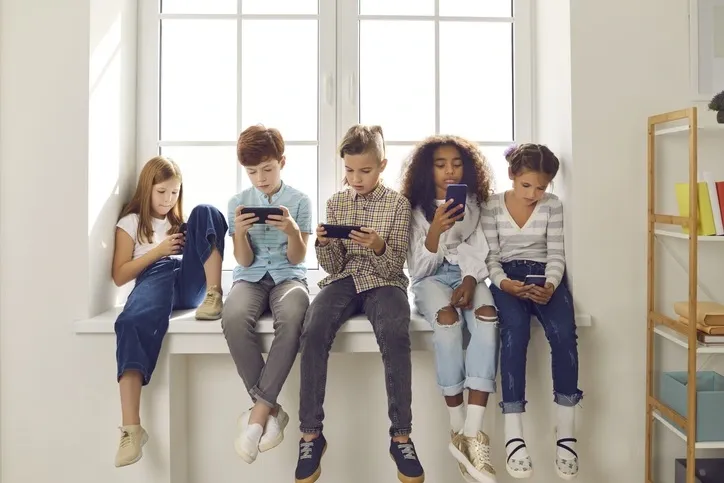
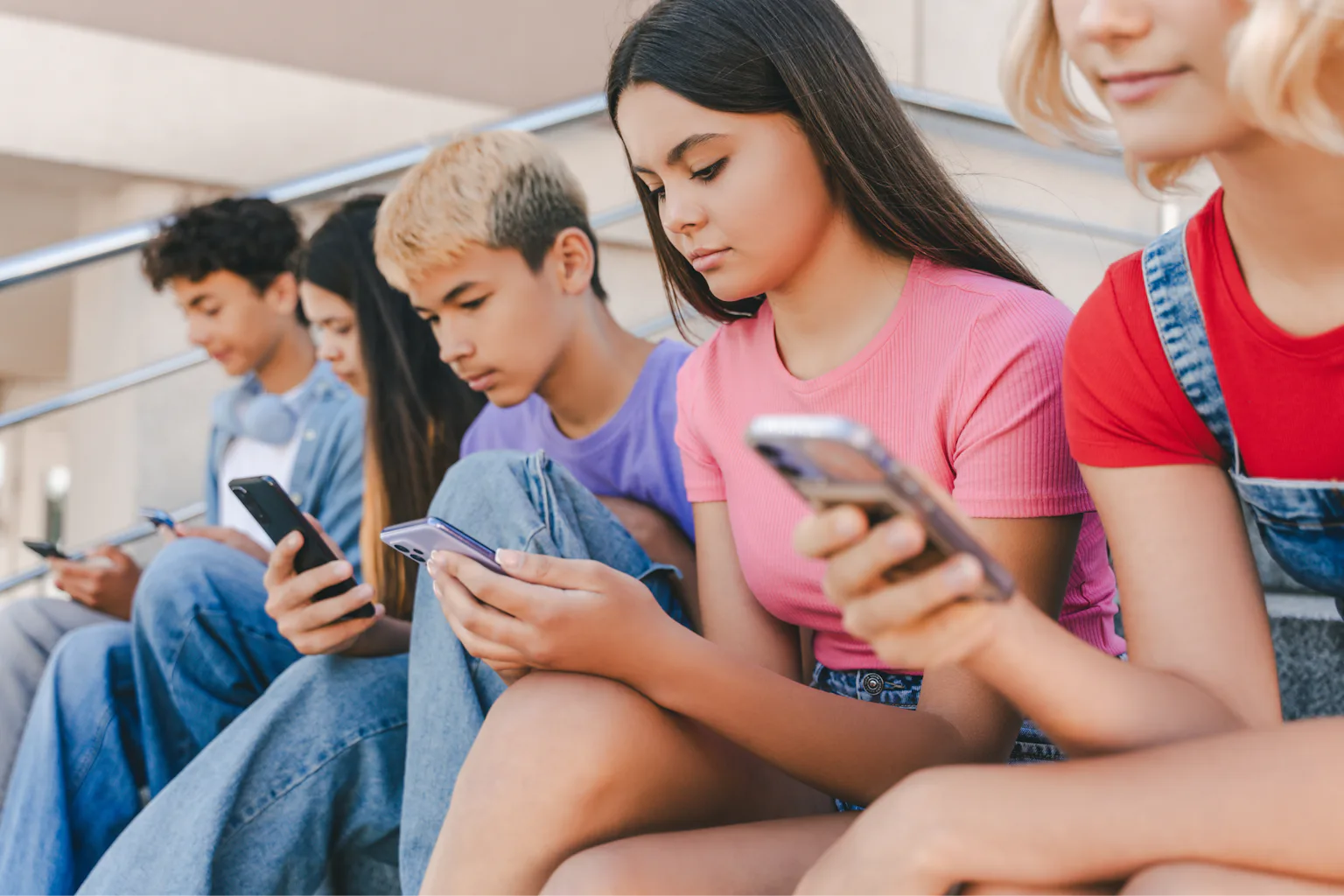
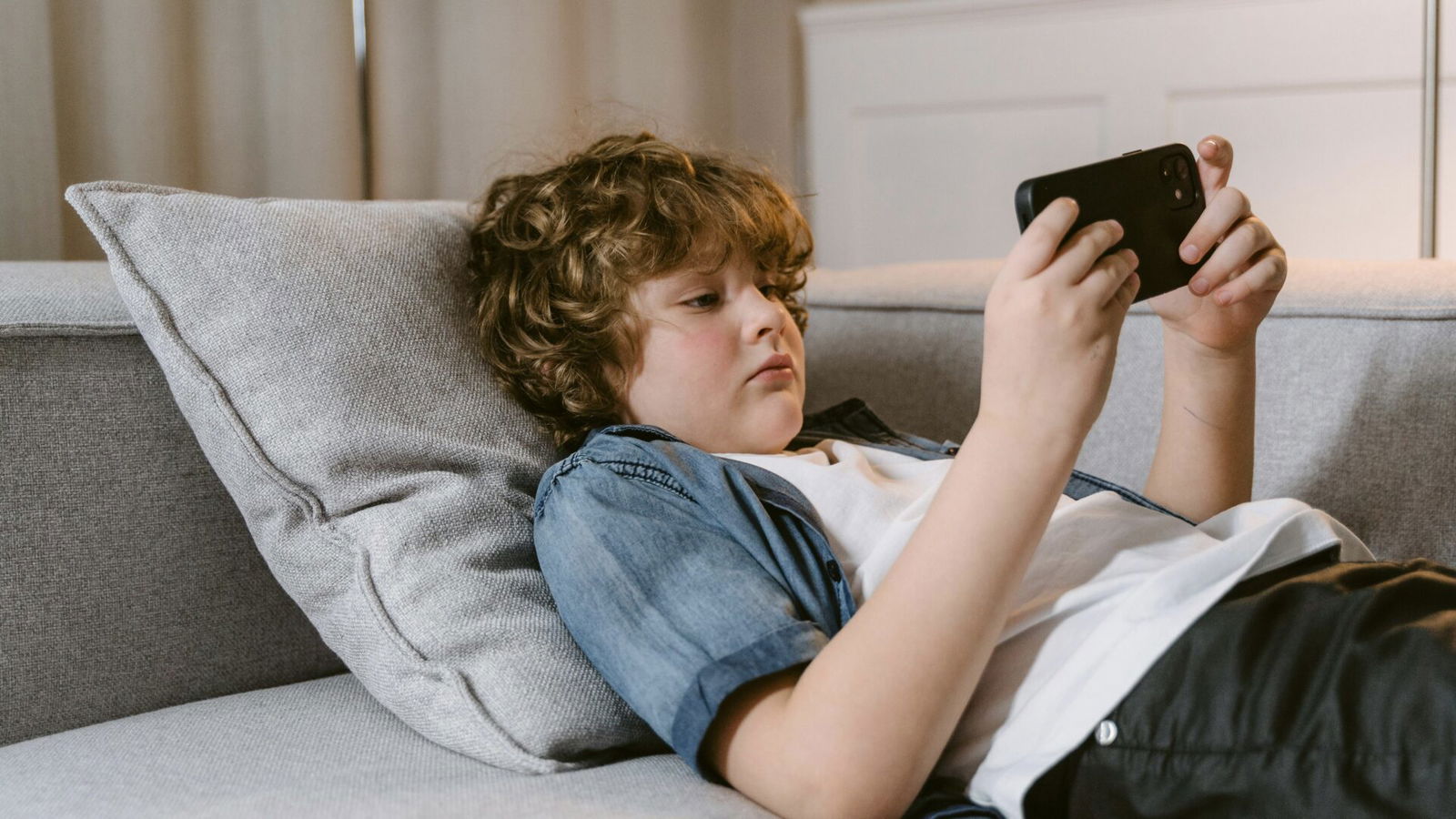
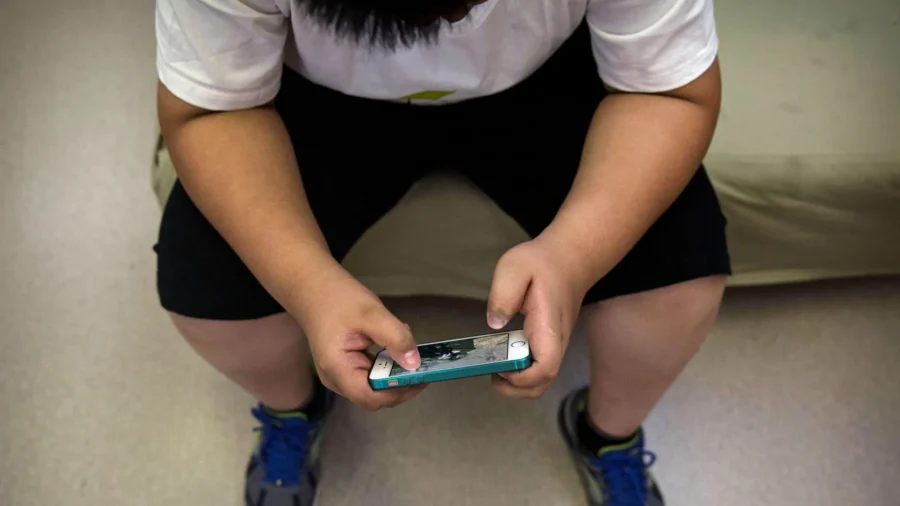
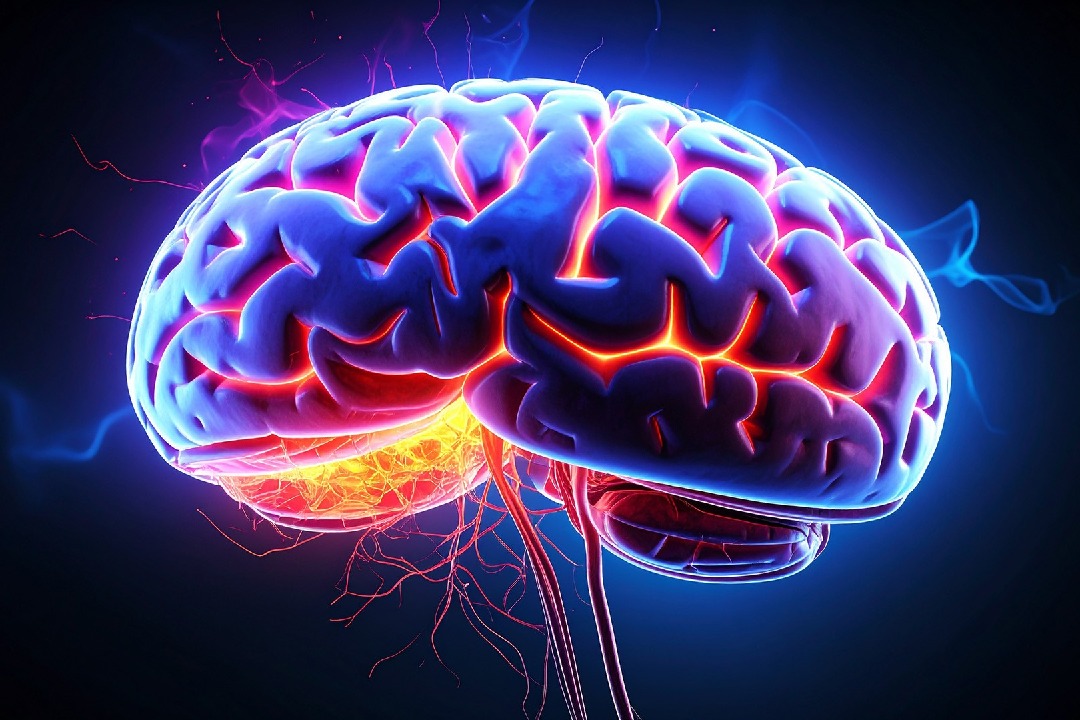
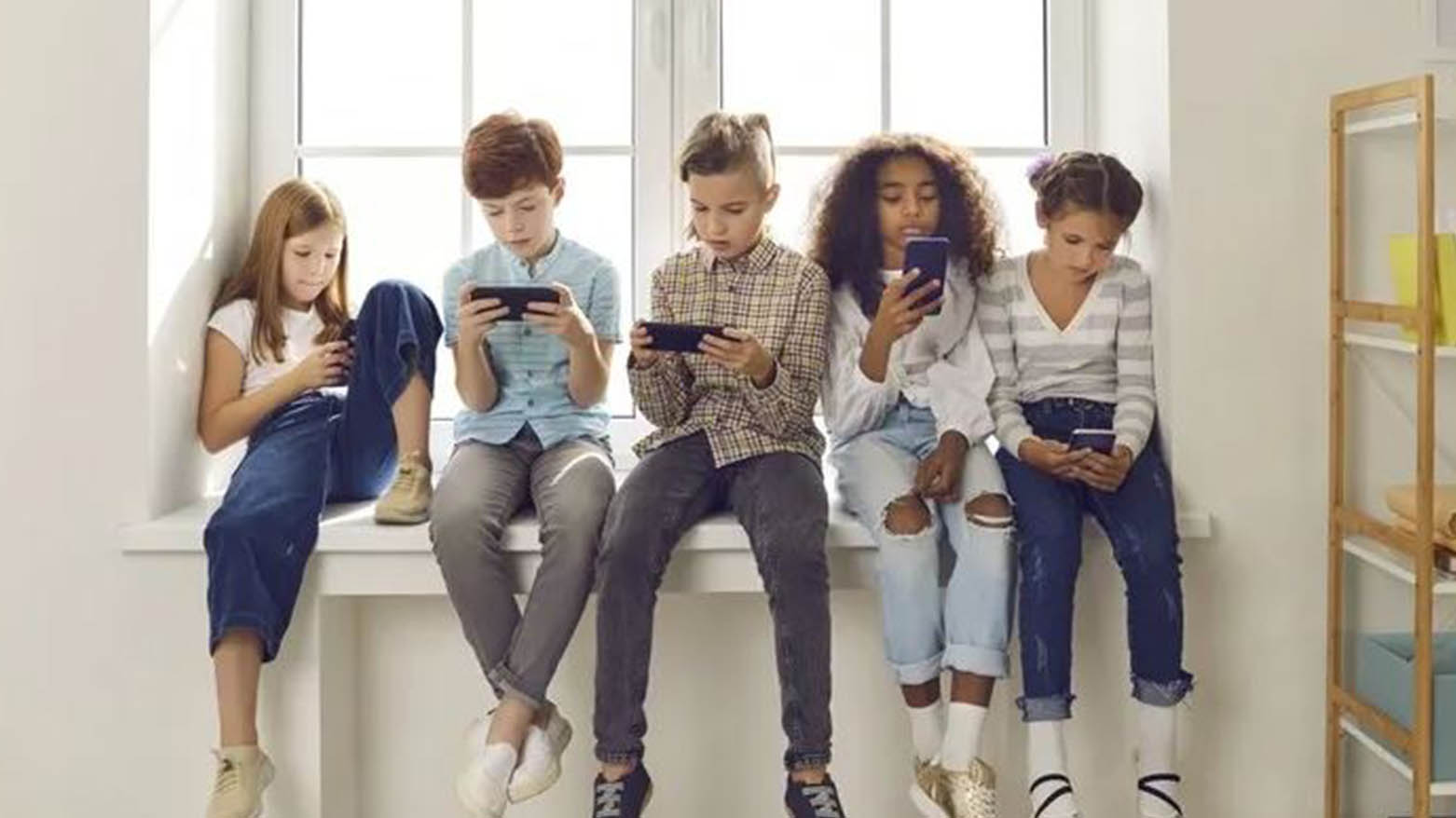
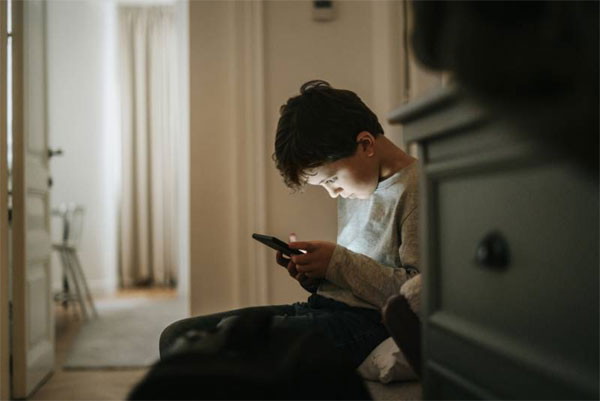
The digital landscape is fundamentally transforming childhood cognitive development, with social media emerging as a critical disruptor of attention mechanisms. Groundbreaking research from the Karolinska Institute reveals a stark trajectory: children's daily social media consumption has dramatically escalated from 30 minutes to 2.5 hours between ages 9 and 13, coinciding with measurable concentration decline.
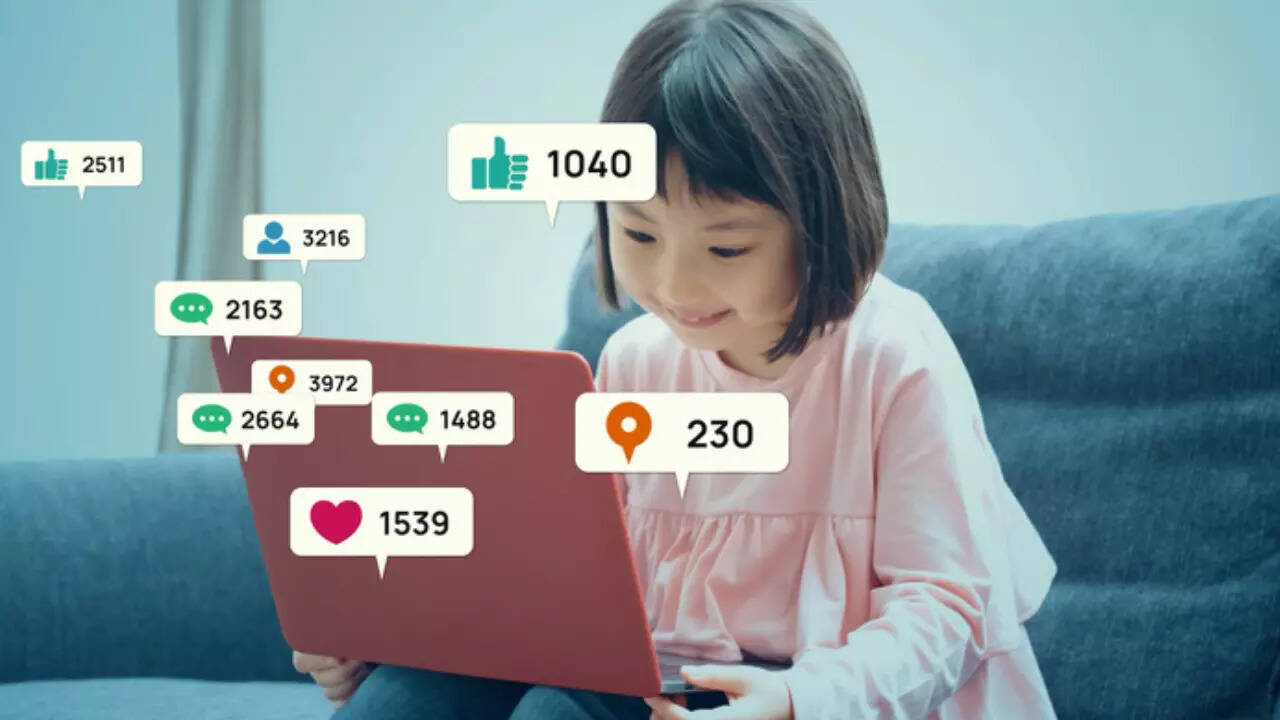
Cognitive Disruption Dynamics are particularly alarming. Unlike traditional media or gaming, social media introduces persistent mental interruptions through constant notifications, message anticipations, and algorithmic engagement designs. The research suggests these digital environments aren't just passive consumption spaces but active cognitive interference mechanisms. Statistically, each additional hour of social media use could potentially increase ADHD diagnoses by approximately 30%, signaling a profound population-level neurological impact.
The most compelling insight is the potential causality: children who already struggled with attention were not increasing their social media usage, suggesting the platforms themselves might be generating inattentiveness. This reverses traditional assumptions about technology and attention, positioning social media as an active cognitive agent rather than a neutral communication tool.
Regulatory landscapes are rapidly evolving in response. Australia's proactive stance—requiring social media platforms to verify users are 16 or older by December 2025—demonstrates growing governmental recognition of these psychological risks. The research underscores an urgent need for informed digital consumption strategies that protect developing minds.
The implications extend far beyond individual experiences. With one in nine children now diagnosed with attention disorders—over seven million kids and adolescents as of 2022—we're witnessing a potential generational cognitive transformation. Social media isn't just changing how children communicate; it's potentially restructuring fundamental neurological engagement patterns.
Questions 4
How are governments responding to these findings?
Countries like Australia are taking proactive steps, planning to require social media platforms to verify users are 16 or older by December 2025. This demonstrates growing governmental recognition of the psychological risks associated with early and unregulated social media exposure.
How much social media time are children actually consuming?
Research shows children's daily social media consumption has dramatically increased from 30 minutes at age 9 to 2.5 hours by age 13. Teenagers now spend approximately five hours daily on social media platforms, with online presence rising from 24% in 2015 to 46% in 2023.