




Strait of Hormuz Shipping Crisis Drives 15-25% Freight Cost Surge for Cross-Border Sellers
- Oil prices exceed $100/barrel as 20% of global petroleum supply disrupted; container shipping rates spike 12-18% monthly through 2025











Overview
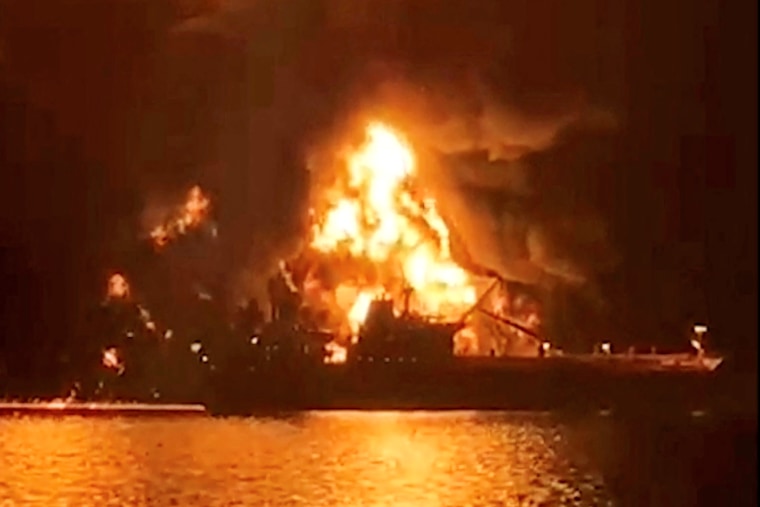
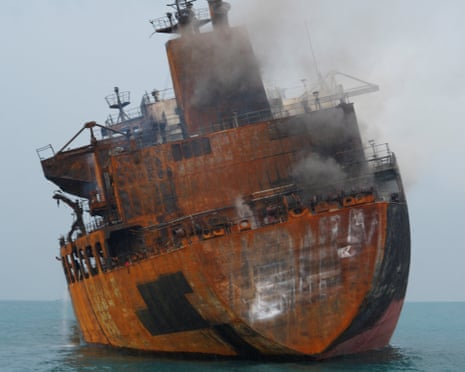
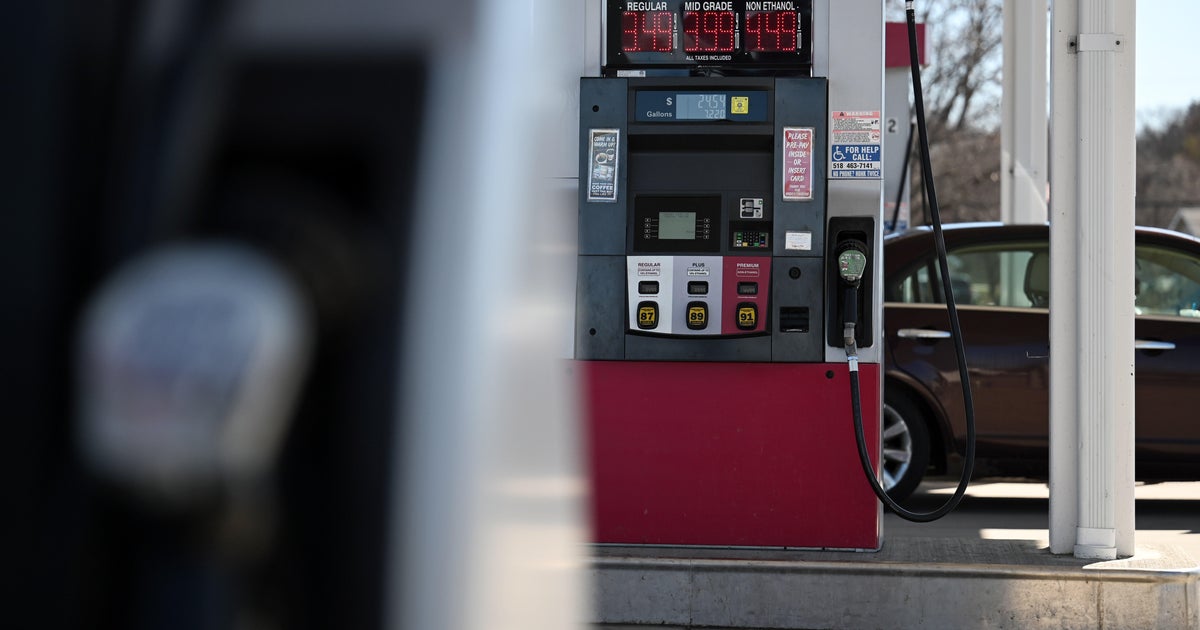
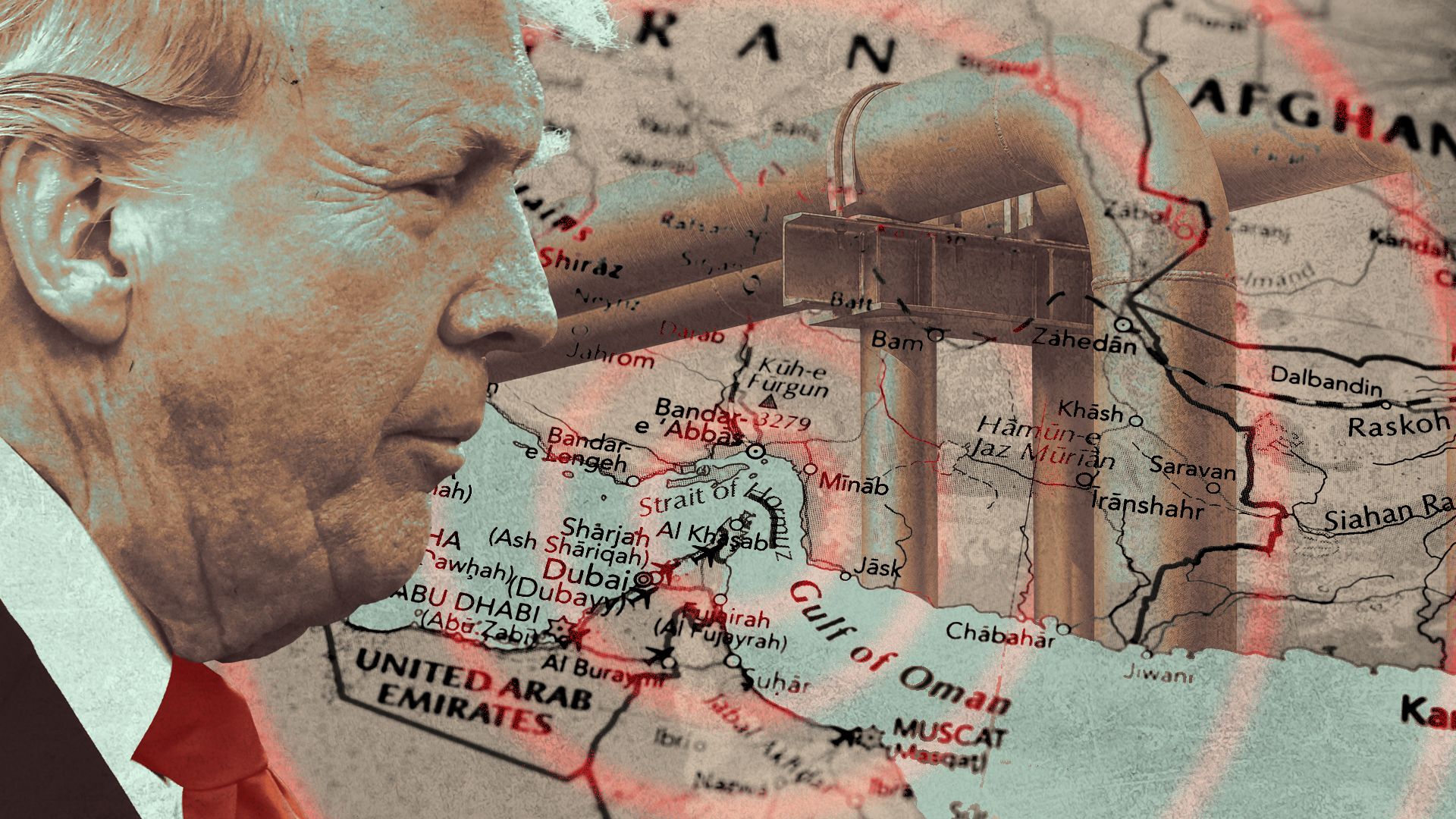
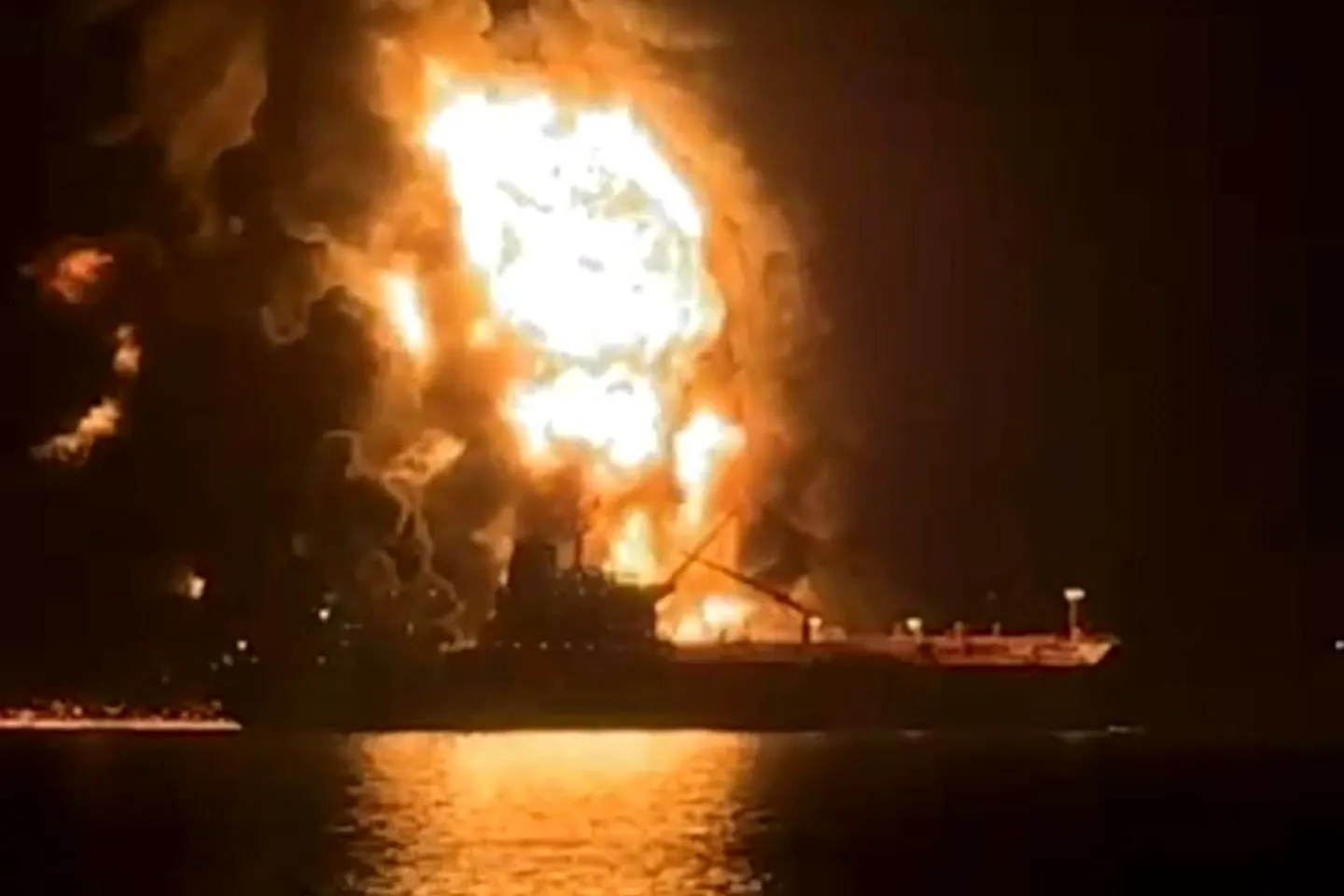
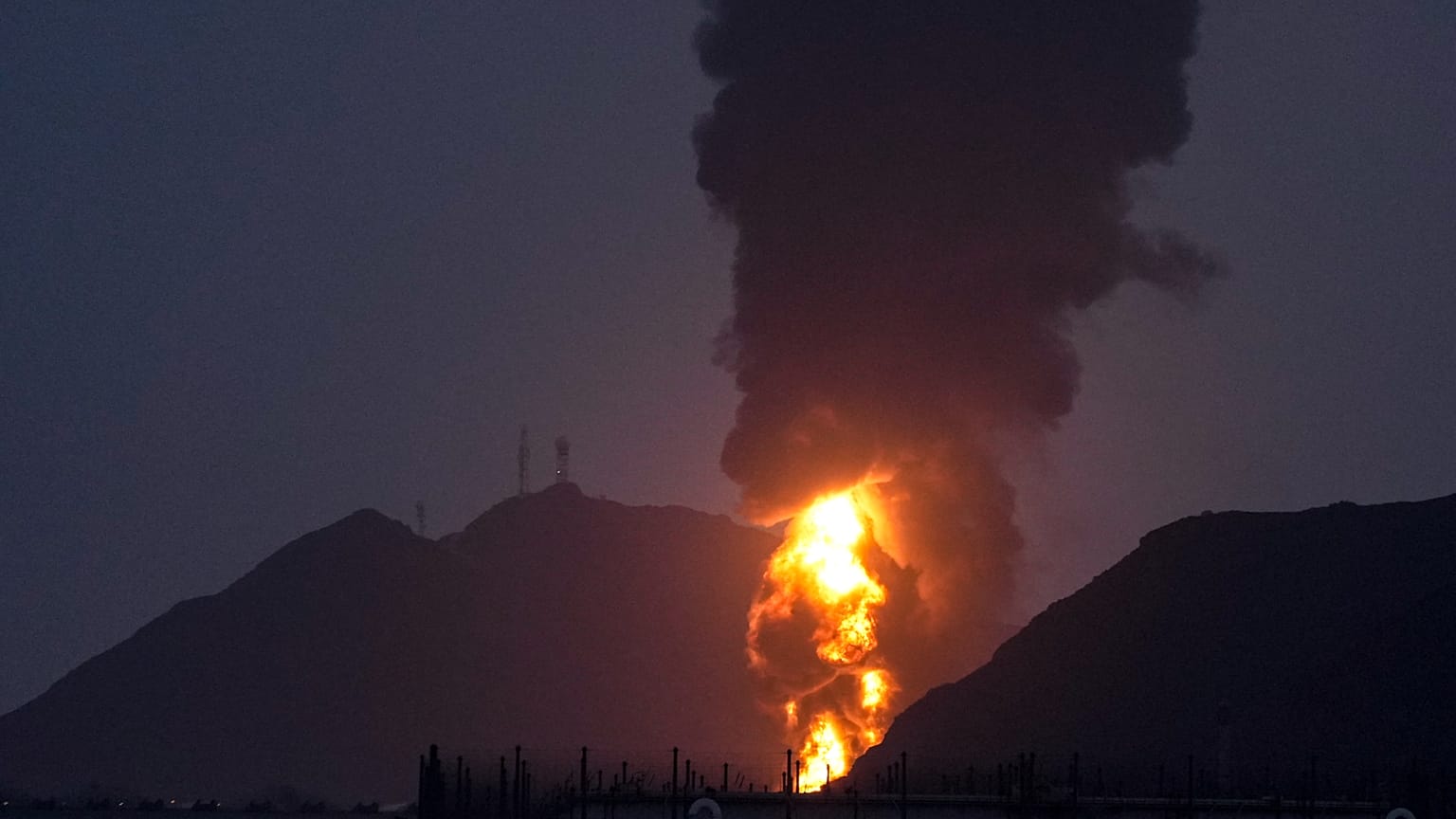
The Middle East geopolitical crisis is creating the largest global oil supply disruption in history, with direct cost implications for cross-border e-commerce sellers. Crude oil prices have surged above $100 per barrel following escalating military tensions and attacks on shipping infrastructure in the Strait of Hormuz, through which approximately 20-21% of global petroleum passes. The International Energy Agency released 400 million barrels from strategic reserves as a temporary measure, but experts warn that even immediate conflict resolution would require months for supply chain normalization. This supply disruption directly translates to elevated logistics costs for e-commerce sellers, as container shipping rates correlate directly with fuel costs.
For cross-border sellers, the operational impact is immediate and substantial. Container shipping rates typically increase 12-18% monthly during sustained oil price elevation above $90/barrel, directly compressing profit margins on international shipments. Sellers shipping 1,000+ units monthly from Asia to North America or Europe face additional freight charges of $200-400 per container, reducing margins by 8-12% on standard product categories. The disruption extends beyond immediate shipping costs—supply chain delays force sellers to maintain 15-25% higher inventory levels to prevent stockouts, increasing working capital requirements by $5,000-15,000 for mid-sized sellers. Amazon FBA sellers face compounded pressure as fulfillment network restocking becomes more expensive, while 3PL providers are already implementing fuel surcharges of 3-5% on base shipping rates.
The timeline creates urgent strategic decisions for sellers through 2025. According to oil analyst Rory Johnston, even if conflict ended immediately, tanker traffic would require months to resume full capacity. Greg Priddy, former U.S. Energy Information Administration expert, warns that seven additional weeks of supply disruptions could trigger a severe global recession comparable to the 1930s collapse. Regional splinter groups with access to affordable drone technology capable of inflicting multimillion-dollar damage on oil tankers add unpredictability—the Trump administration lacks a concrete plan to safely reopen the waterway. This creates sustained uncertainty for international logistics planning throughout 2025, forcing sellers to either absorb cost increases, raise prices (risking competitiveness), or shift sourcing strategies to reduce shipping distances.
Immediate Actions (0-30 days): Review current inventory levels and shipping contracts by January 15, 2025. Lock in freight rates with 3PL providers before further escalation; negotiate multi-month contracts at current rates. Audit product margins by shipping zone—prioritize high-margin categories for international fulfillment while reducing low-margin exports. Strategic Adjustments (1-6 months): Evaluate nearshoring opportunities—shift 20-30% of inventory to regional fulfillment centers in Mexico, Canada, or Eastern Europe to reduce shipping distances and fuel exposure. Consider temporary price increases of 5-8% on international listings to offset fuel surcharges. Monitor alternative shipping routes via Suez Canal (longer but potentially more stable) versus Strait of Hormuz exposure. Risk Mitigation: Track weekly oil prices and shipping rate indices; establish trigger points for pricing adjustments. Maintain 30-45 days of inventory buffer to absorb supply chain delays. Avoid long-term fixed-price contracts with customers until geopolitical situation stabilizes.
Questions 7
How do I protect my margins if oil prices stay elevated through 2025?
Implement a three-part margin protection strategy: (1) Lock in freight rates with 3PL providers for 6-12 months at current levels before further escalation—negotiate multi-month contracts immediately; (2) Shift product mix toward higher-margin categories that can absorb 5-8% price increases without losing competitiveness; (3) Reduce exposure to low-margin international shipping by focusing on domestic fulfillment or nearshore options. Monitor your cost structure monthly—track fuel surcharges separately from base shipping rates to identify when rates stabilize. For Amazon FBA sellers, evaluate whether Fulfillment by Merchant (FBM) becomes more cost-effective for certain categories if FBA restocking costs exceed 15-20% of product value. Avoid long-term fixed-price customer contracts until geopolitical situation stabilizes, typically 6-9 months minimum.
Is nearshoring to Mexico or Canada a viable alternative to Asian sourcing?
Nearshoring 20-30% of inventory to regional fulfillment centers in Mexico, Canada, or Eastern Europe reduces shipping distance and fuel exposure, potentially offsetting 40-50% of current freight cost increases. Nearshoring typically adds 5-8% to product costs (higher labor, smaller scale) but saves 8-12% on shipping, creating net savings during high-oil-price periods. This strategy works best for bulky, low-value products (home goods, sporting equipment) where shipping represents 15-25% of landed cost. Evaluate nearshoring for your top 20-30 SKUs by sales volume first, using 3PL providers in Mexico (Monterrey, Guadalajara) or Canada (Toronto, Vancouver) to test viability. Lock in 6-12 month contracts with nearshore providers before rates increase further.