




Strait of Hormuz Crisis Drives 25-40% Shipping Cost Surge for Asia-Based E-Commerce Sellers
- Oil prices spike to $90-100/barrel, supertanker costs exceed $400K weekly, manufacturing expenses rise 8-15% for China-sourced products












Overview
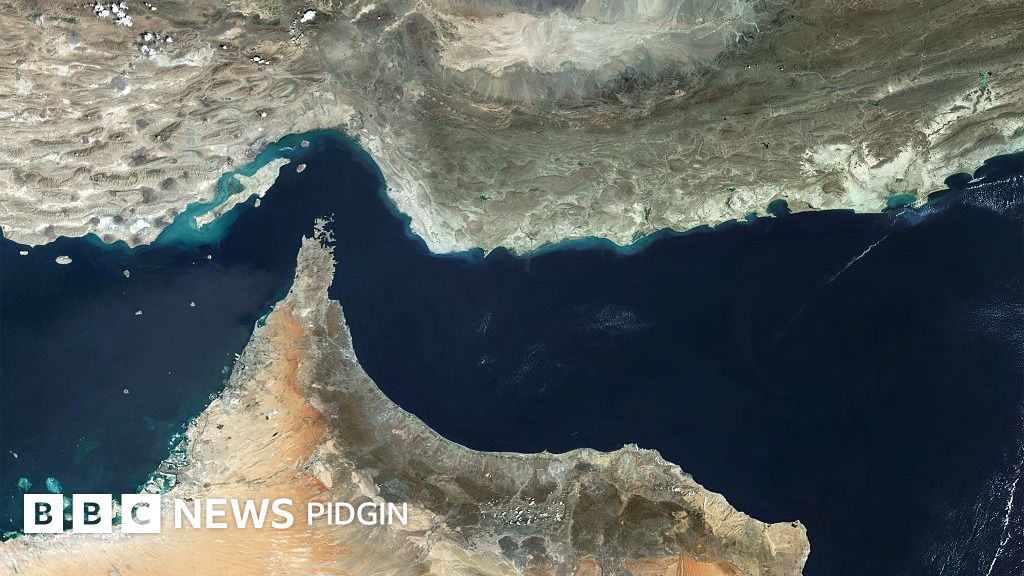
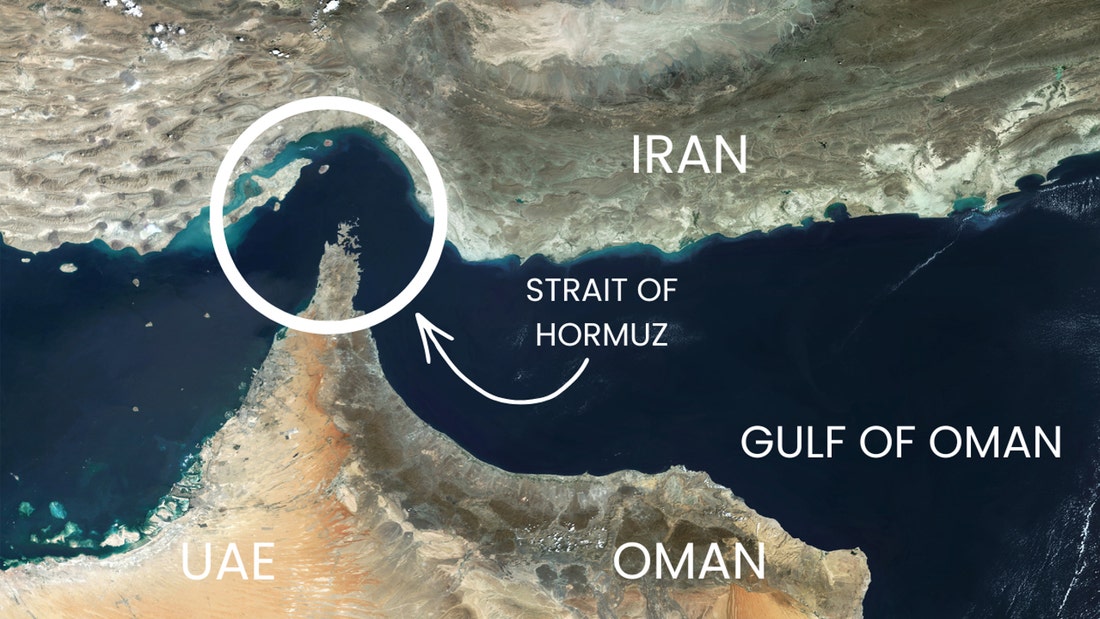
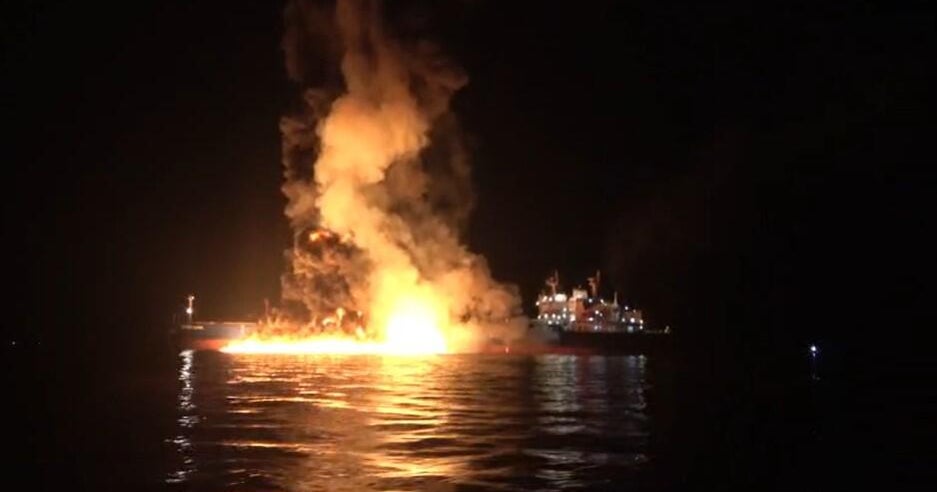
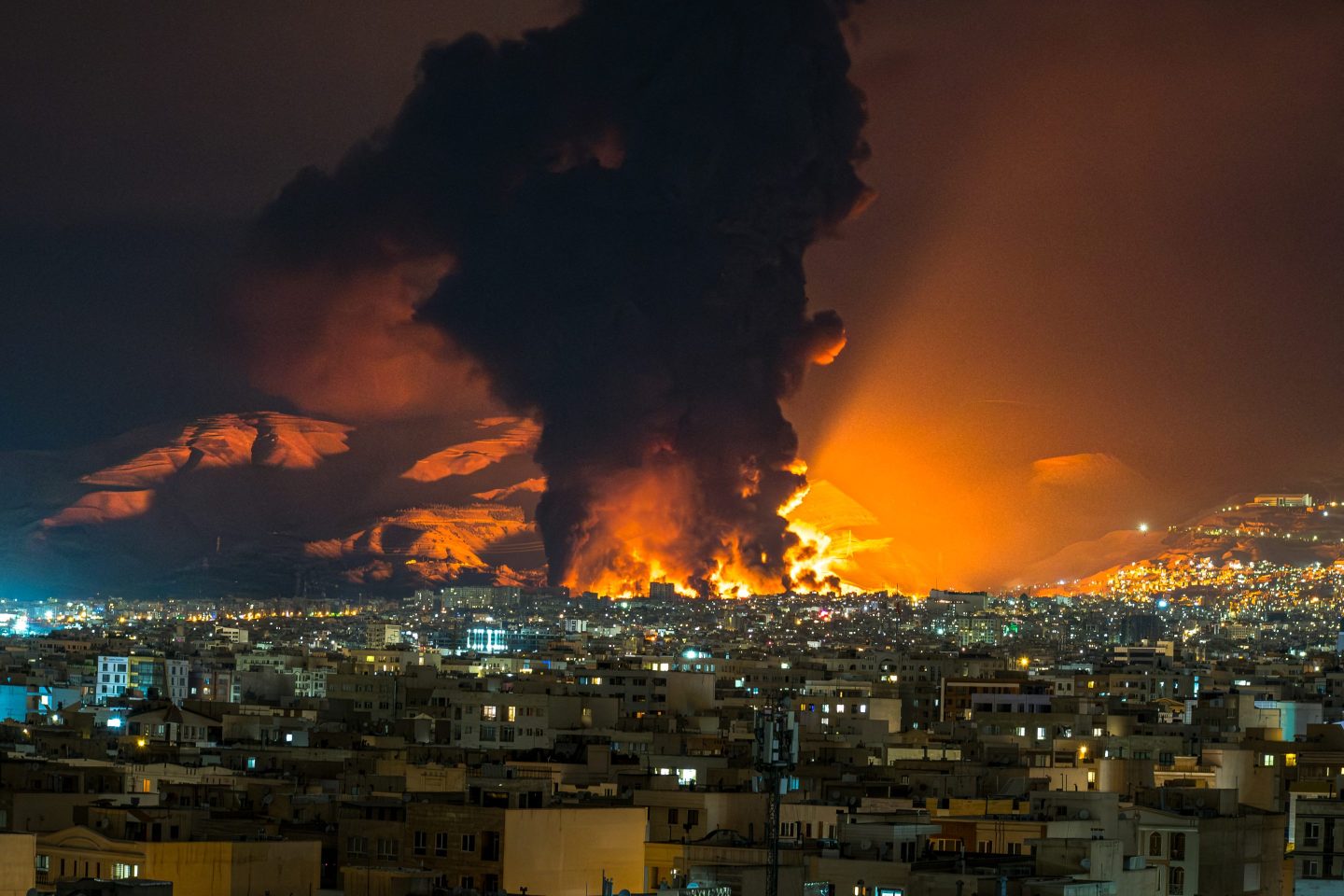
The escalating geopolitical crisis in the Strait of Hormuz represents a critical supply chain inflection point for cross-border e-commerce sellers, particularly those sourcing from Asia or exporting internationally. As of March 2025, the waterway—through which 20 million barrels of oil ($600 billion in annual energy trade) transit daily—faces unprecedented security threats from Iranian military actions, including mine-laying operations and threats to commercial shipping. The US military has responded by eliminating 16 Iranian mine-laying ships, yet the security environment remains volatile.
Direct Cost Impact on E-Commerce Operations: Oil prices have surged to $90-100 per barrel (well above pre-crisis levels), while supertanker hiring costs from the Middle East to China have nearly doubled to record highs exceeding $400,000 weekly. This translates directly to elevated manufacturing and shipping costs for sellers sourcing products from Asia—the destination for 82% of crude oil leaving the strait. China alone imports 90% of Iran's global oil exports, making Chinese manufacturers particularly vulnerable to energy cost inflation. For sellers operating Amazon FBA, eBay, or Shopify storefronts with Asia-sourced inventory, this represents an 8-15% increase in landed costs for electronics, textiles, machinery, and consumer goods categories.
Strategic Sourcing Implications: Alternative export routes exist but are insufficient. Saudi Arabia's 1,200km pipeline handles 5 million barrels daily, while the UAE's Fujairah pipeline manages 1.5 million barrels daily—together reducing overall supply by only 8-10 million barrels if the strait closes completely. This supply gap means energy costs will remain elevated for 6-18 months minimum, directly impacting manufacturing costs in Saudi Arabia, Iraq, Kuwait, Qatar, and the UAE. Sellers relying on just-in-time inventory from these regions face margin compression of 5-12% unless they adjust pricing or shift sourcing to alternative countries (Vietnam, India, Mexico) with lower energy dependencies.
Competitive Advantage Window: Sellers who proactively diversify sourcing away from China and Middle East-dependent suppliers before Q2 2025 can lock in current pricing with alternative manufacturers. Those maintaining China-centric supply chains face 15-25% cost increases by Q3 2025. Large sellers (10,000+ monthly units) have negotiating power to absorb costs; small sellers (100-500 units) must choose between margin compression or price increases that risk Buy Box loss on Amazon or conversion rate drops on Shopify.
Questions 8
Which e-commerce seller segments are most vulnerable to Strait of Hormuz disruptions?
Sellers with 80%+ of inventory sourced from China, India, or Middle Eastern suppliers face the highest risk, as these regions depend heavily on oil imports through the Strait. Small sellers (100-500 monthly units) are most vulnerable because they lack negotiating power to absorb cost increases and cannot easily shift sourcing. Large sellers (10,000+ units) can negotiate volume discounts with alternative suppliers or absorb 5-8% margin compression. Sellers in electronics, textiles, machinery, and consumer goods categories are most exposed due to energy-intensive manufacturing. Sellers on Amazon FBA face additional pressure from storage fees and fulfillment costs that cannot be easily adjusted.
How much will shipping costs increase for sellers sourcing from Asia due to the Strait of Hormuz crisis?
Supertanker hiring costs from the Middle East to China have nearly doubled to record highs exceeding $400,000 weekly, representing a 25-40% increase in ocean freight rates. For sellers using Amazon FBA or 3PL providers, this translates to $2-5 additional cost per unit for Asia-sourced products, depending on weight and category. Electronics and machinery categories face the highest impact due to energy-intensive manufacturing. Sellers should expect landed costs to increase 8-15% for Q2-Q3 2025 unless they shift sourcing to countries with lower energy dependencies like Vietnam, India, or Mexico.