



Strait of Hormuz Shipping Crisis | Urgent Logistics Cost Impact for Cross-Border Sellers
- Oil prices spike above $100/barrel; container shipping costs surge 15-25% on Middle East-Asia-US routes; sellers face immediate 3PL rate increases and delivery delays



















Overview
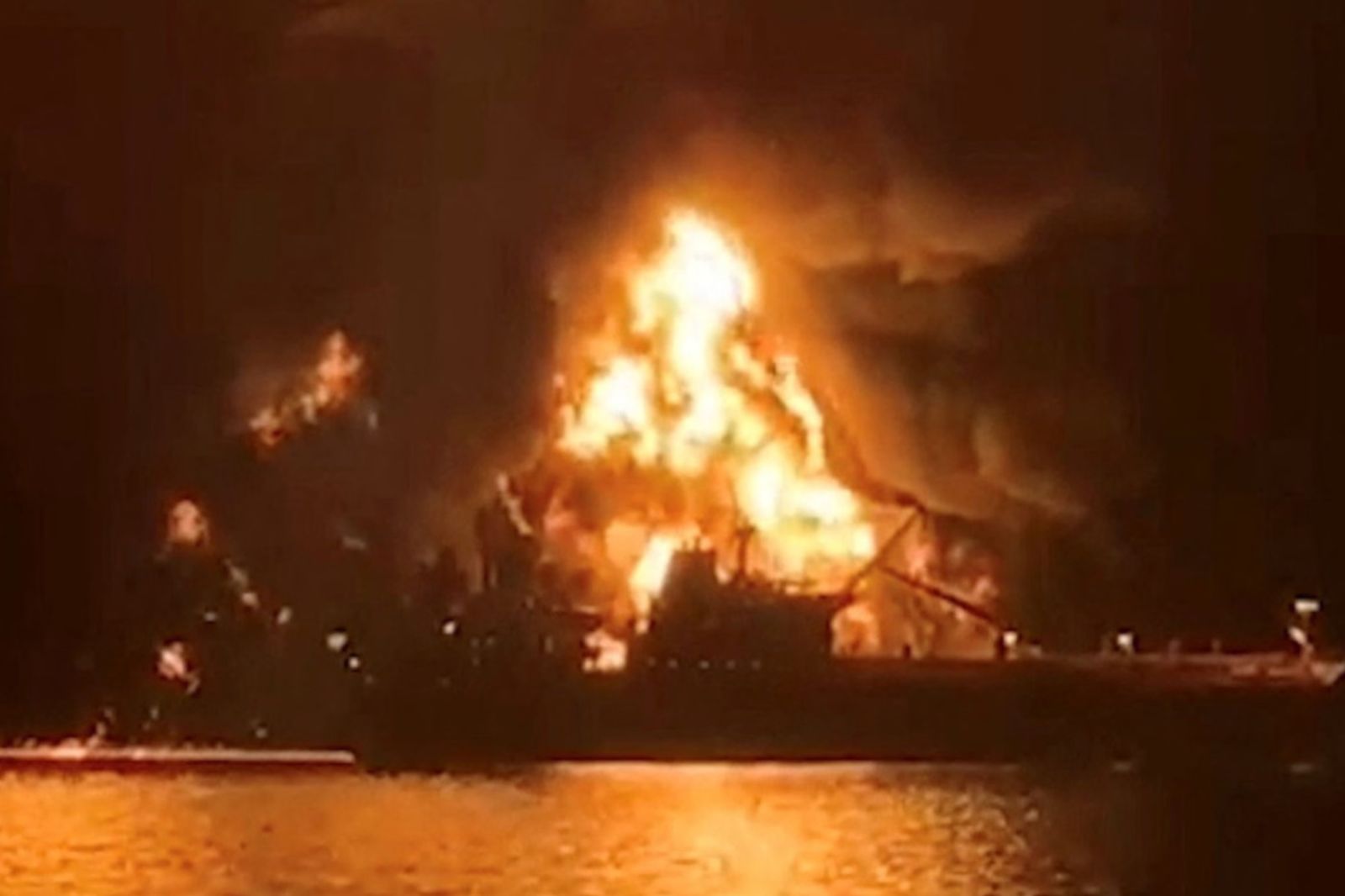
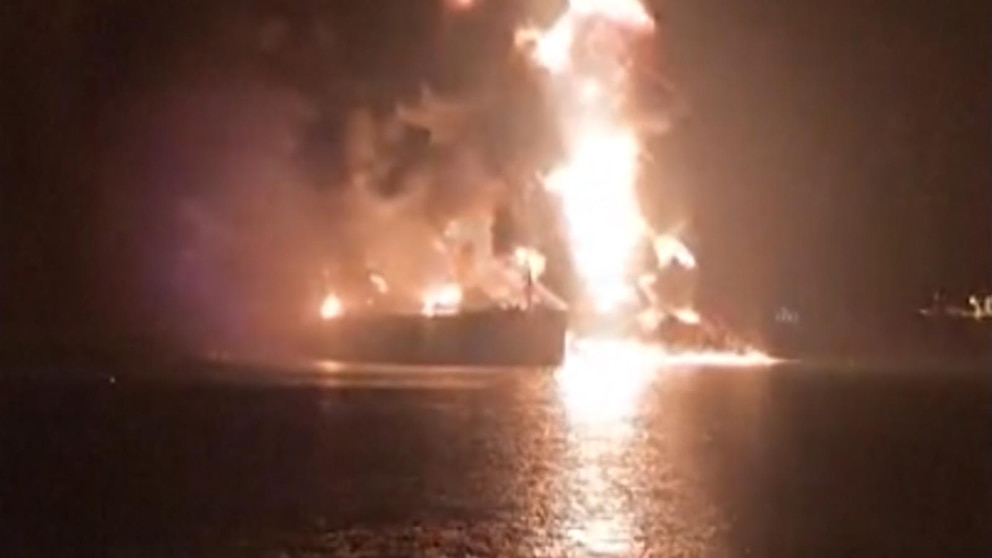
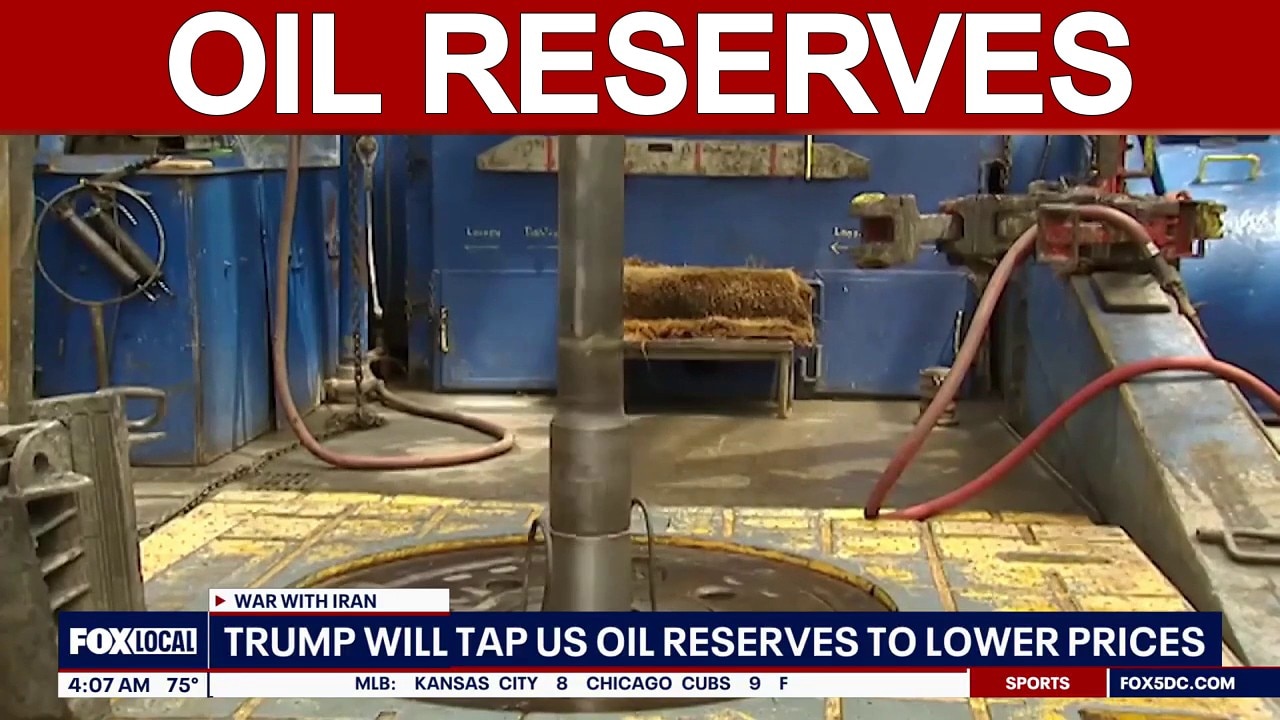
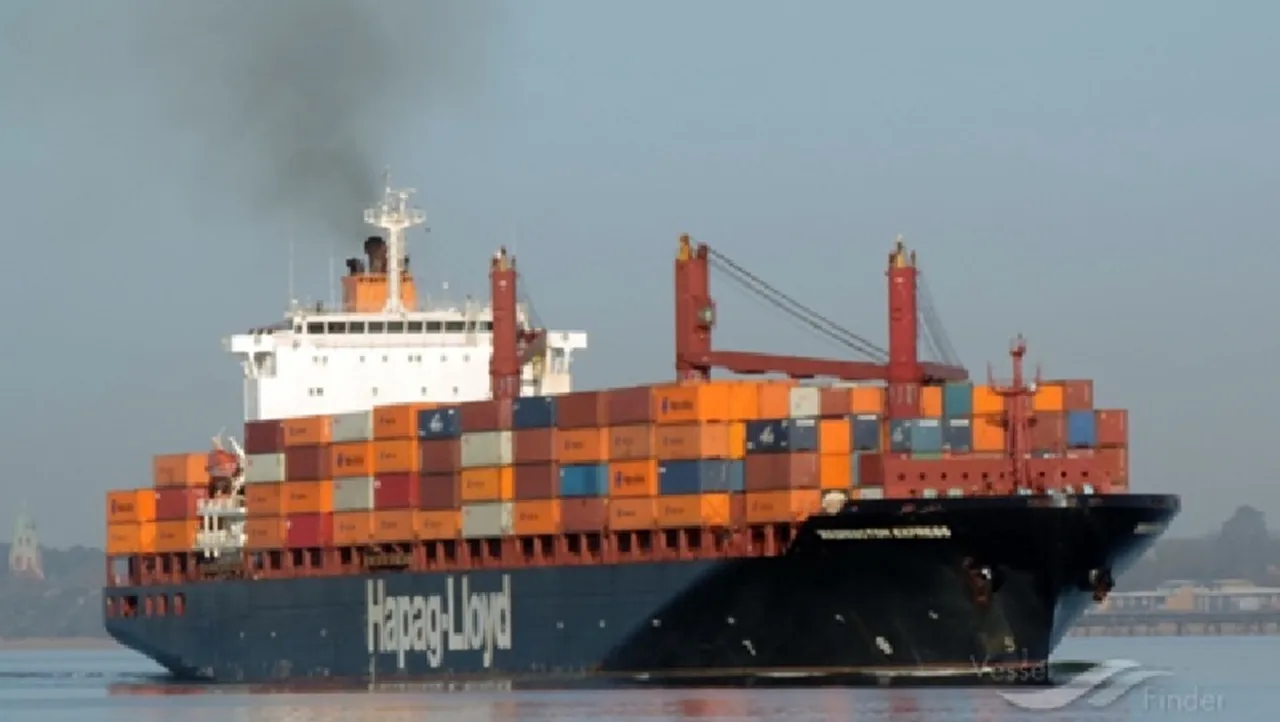
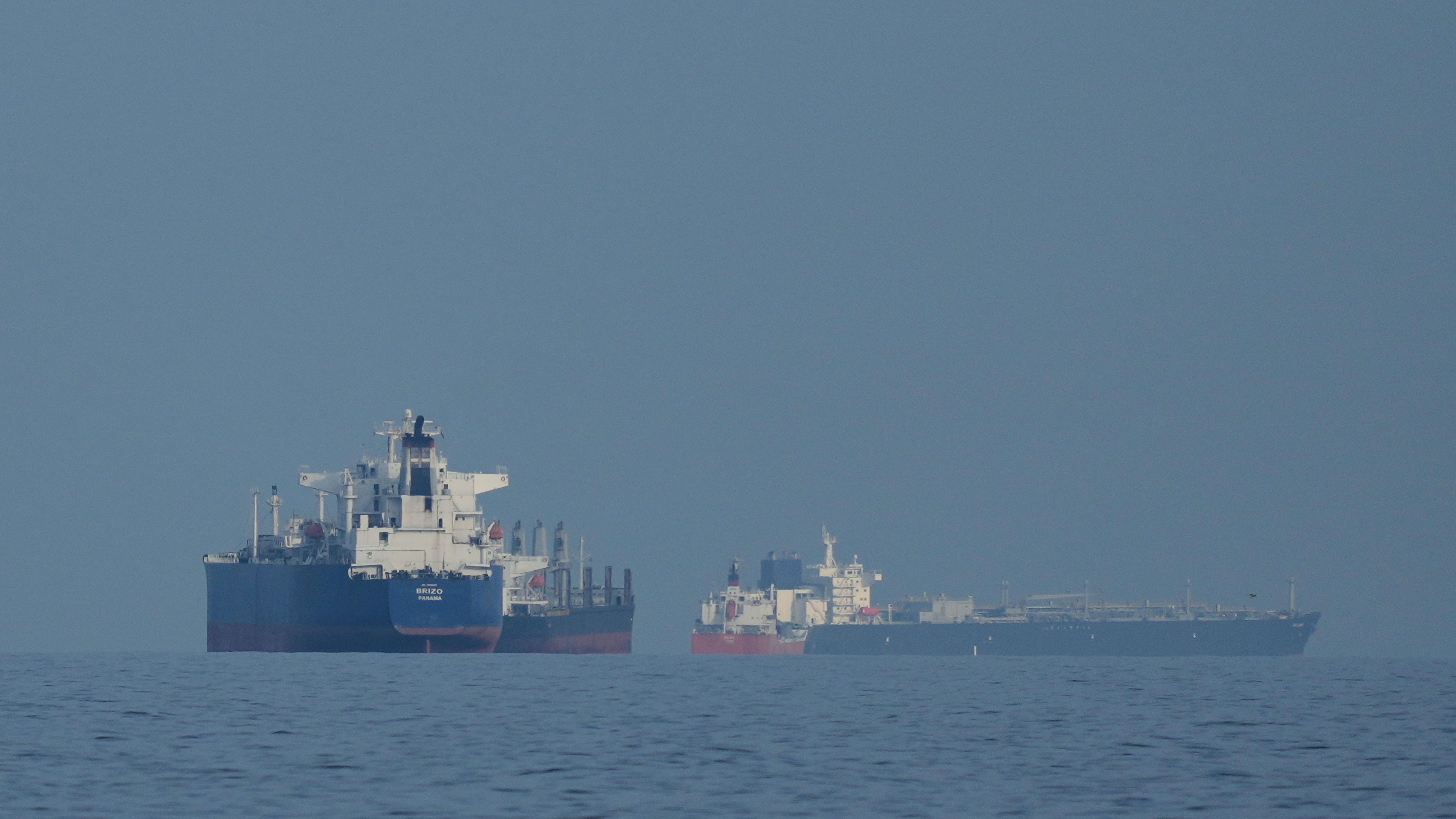
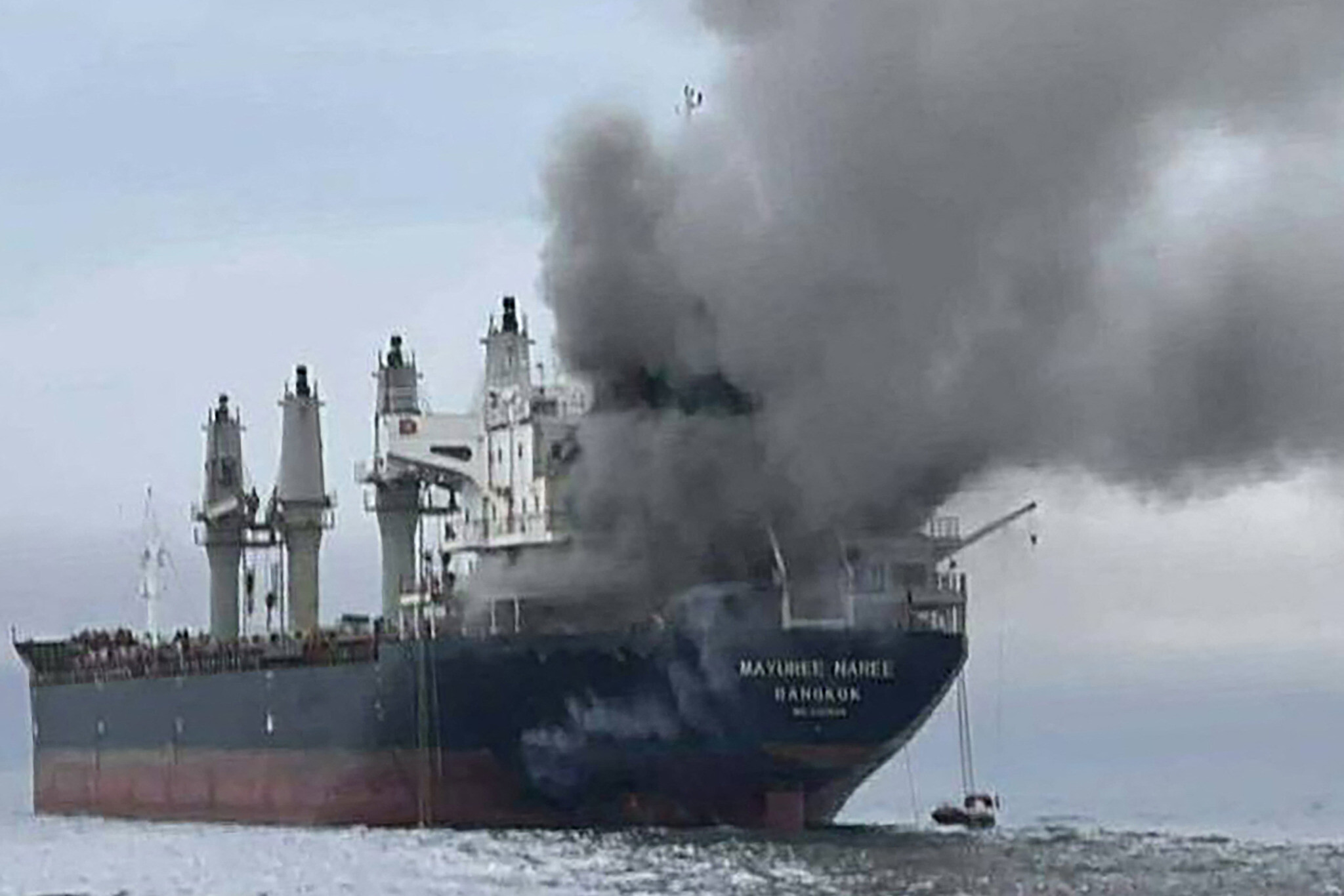
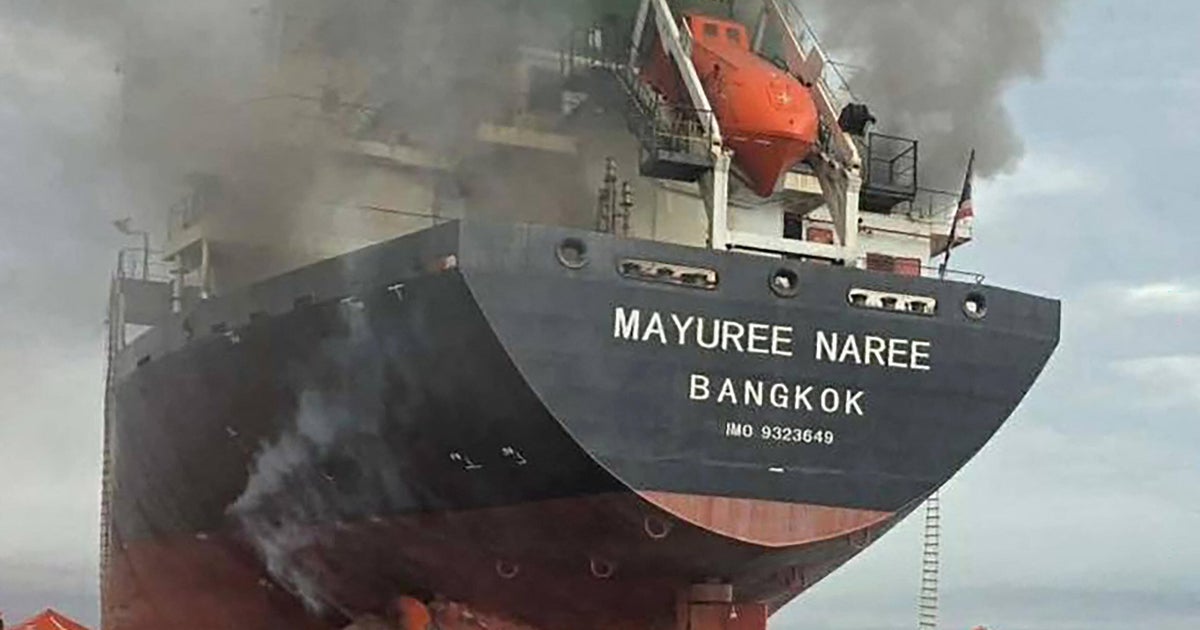
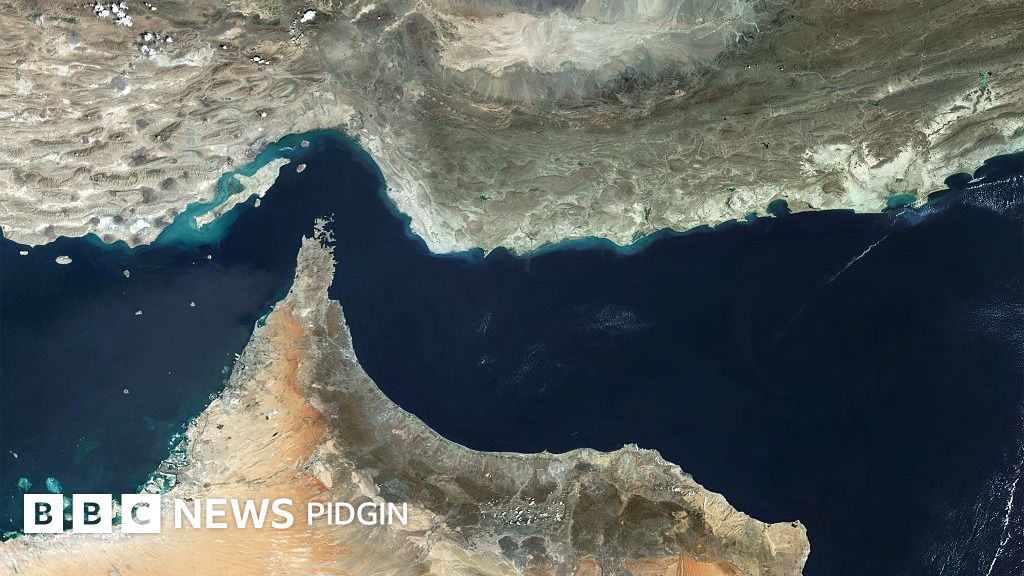
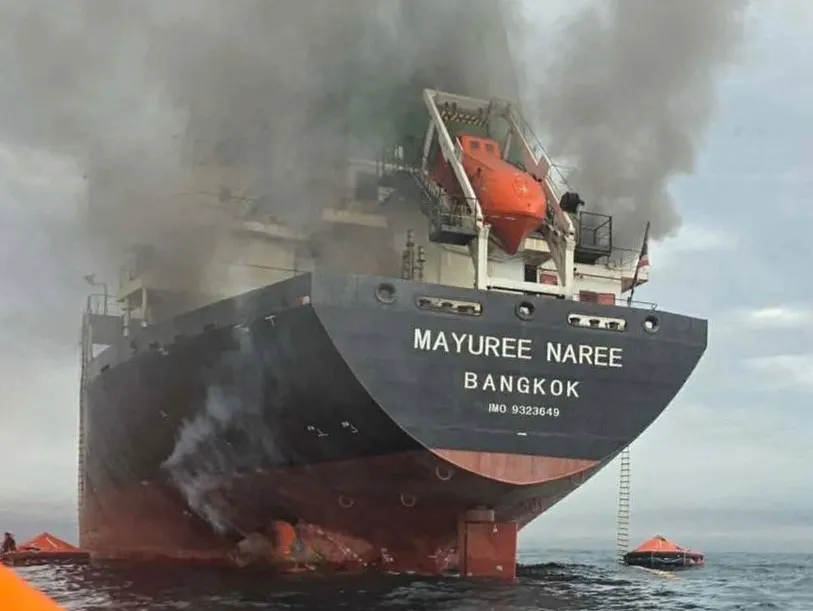
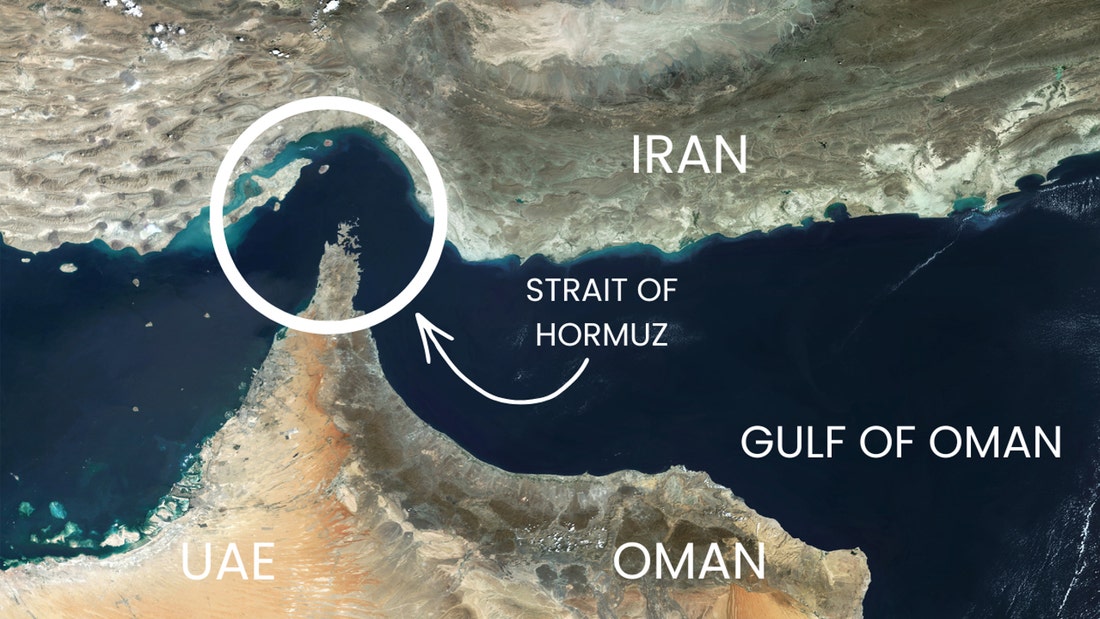
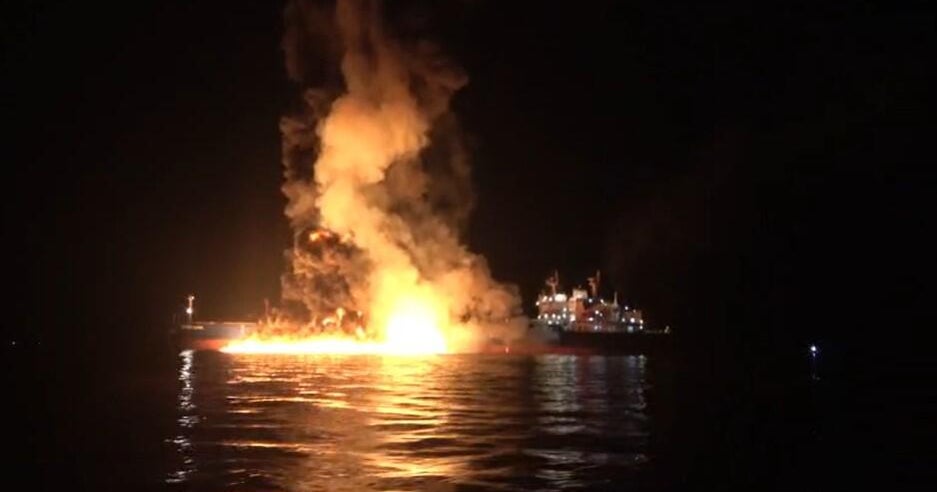
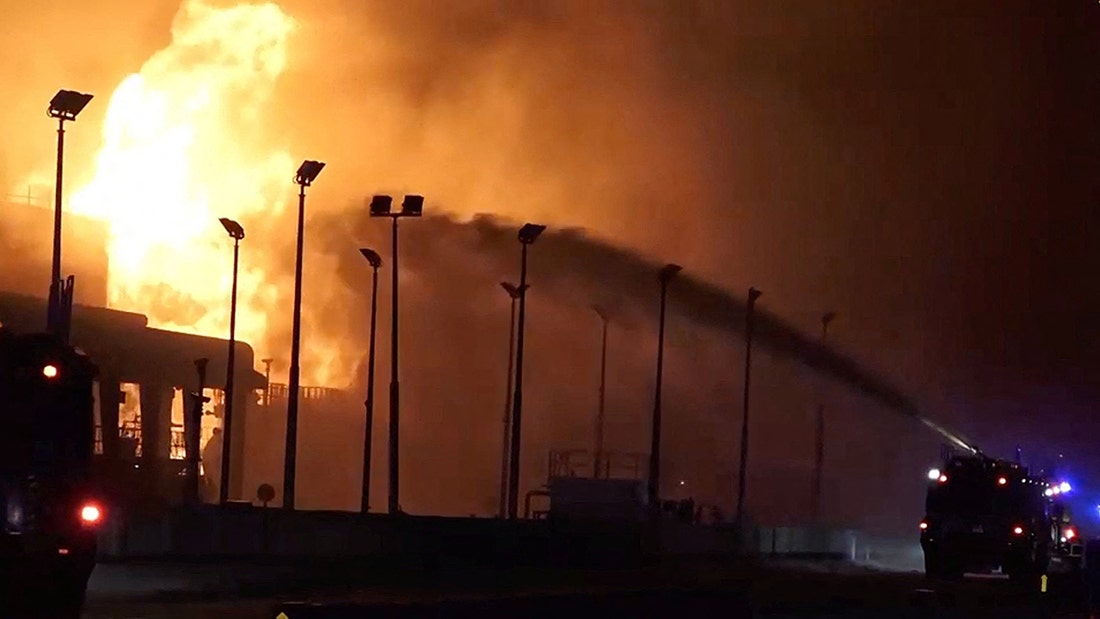
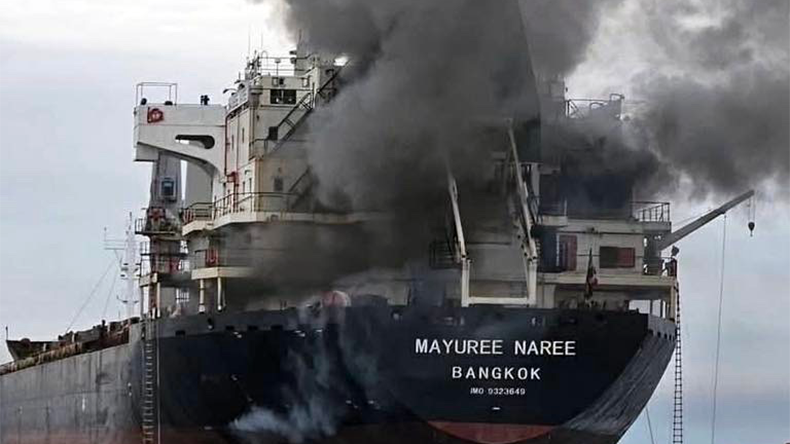
The escalating military tensions in the Middle East, specifically Iran's mine-laying operations in the Strait of Hormuz and attacks on container vessels near Dubai, represent a critical supply chain disruption event for cross-border e-commerce sellers. While the news focuses on geopolitical conflict, the operational impact on global logistics is immediate and quantifiable: crude oil spiked above $100/barrel, directly triggering fuel surcharges across shipping carriers. For sellers relying on Asia-to-US and Asia-to-EU trade corridors, this creates a 15-25% cost increase on ocean freight within 2-4 weeks as 3PL providers and carriers implement emergency fuel surcharges and route diversions.
Immediate Logistics Cost Impact: Sellers shipping via traditional Suez Canal routes (40% of global container traffic) face two cost pressures: (1) Direct fuel surcharges of $400-800 per 40-foot container on affected routes, and (2) Route diversification costs as carriers reroute around the Cape of Good Hope, adding 10-14 days transit time and $600-1,200 per container. For a mid-sized seller moving 500 containers monthly from China to US, this represents $300K-900K in additional monthly logistics costs. Amazon FBA sellers shipping via LCL (less-than-container-load) consolidators face even steeper increases as consolidators pass through emergency fuel charges.
Product Category Implications: High-margin, time-sensitive categories (electronics, apparel, seasonal goods) face the greatest pressure. Sellers in low-margin categories (home goods, bulk commodities) with 5-8% margins cannot absorb 15-25% logistics cost increases without pricing adjustments that risk Buy Box competitiveness. Conversely, sellers with inventory already positioned in US/EU fulfillment centers gain competitive advantage as new shipments face delays and cost increases. This creates a 30-60 day window where in-stock sellers can capture market share from competitors waiting for cheaper ocean freight.
Strategic Sourcing Shift Opportunity: The crisis accelerates sourcing diversification away from China-dependent supply chains. Vietnam, India, and Indonesia suppliers—offering 10-15% lower base costs but previously overlooked due to logistics complexity—become attractive alternatives. Sellers can negotiate 8-12% cost reductions with Vietnam suppliers if they commit to air freight (currently 3-4x ocean cost but becoming competitive). This represents a 90-120 day window to renegotiate supplier contracts before competitors recognize the opportunity.
Compliance and Risk Mitigation: Sellers must immediately audit 3PL contracts for force majeure clauses and fuel surcharge caps. Most standard agreements allow unlimited fuel surcharges, creating exposure. Sellers should: (1) Lock in rates with 2-3 alternative 3PLs before surcharges compound, (2) Shift 20-30% of inventory to air freight for high-velocity SKUs to maintain delivery speed, (3) Implement dynamic pricing on Amazon/eBay to pass through 3-5% of logistics increases before margin compression becomes unsustainable.
Questions 7
How much will my FBA shipping costs increase due to Strait of Hormuz disruptions?
Ocean freight costs on Asia-to-US routes are increasing 15-25% immediately due to fuel surcharges and route diversions around the Cape of Good Hope. A standard 40-foot container from China to US ports now costs $400-800 more, with additional delays of 10-14 days. For sellers shipping 500+ containers monthly, this translates to $300K-900K in additional monthly logistics expenses. Most 3PL providers are implementing emergency fuel surcharges within 2-4 weeks, so sellers should lock in rates with alternative providers immediately before prices compound further.
How long will Strait of Hormuz shipping disruptions impact my business?
The immediate impact (15-25% cost increases, 10-14 day delays) will persist for 60-90 days as carriers implement surcharges and reroute around the Cape of Good Hope. However, the strategic impact extends 6-12 months as sellers renegotiate supplier contracts, reposition inventory, and diversify sourcing. Monitor shipping indices (Freightos, Baltic Exchange) weekly for rate trends. If tensions escalate further, expect sustained 20-30% cost increases for 6+ months, justifying permanent sourcing diversification to Vietnam/India suppliers.