

Dick's-Foot Locker Merger Creates $6.2B Athletic Retail Giant | Wholesale Opportunities for Sellers
- $2.5B acquisition consolidates North America's largest athletic footwear distributor with 57 store closures and $500-750M integration costs creating wholesale partnership gaps for cross-border sellers


Overview
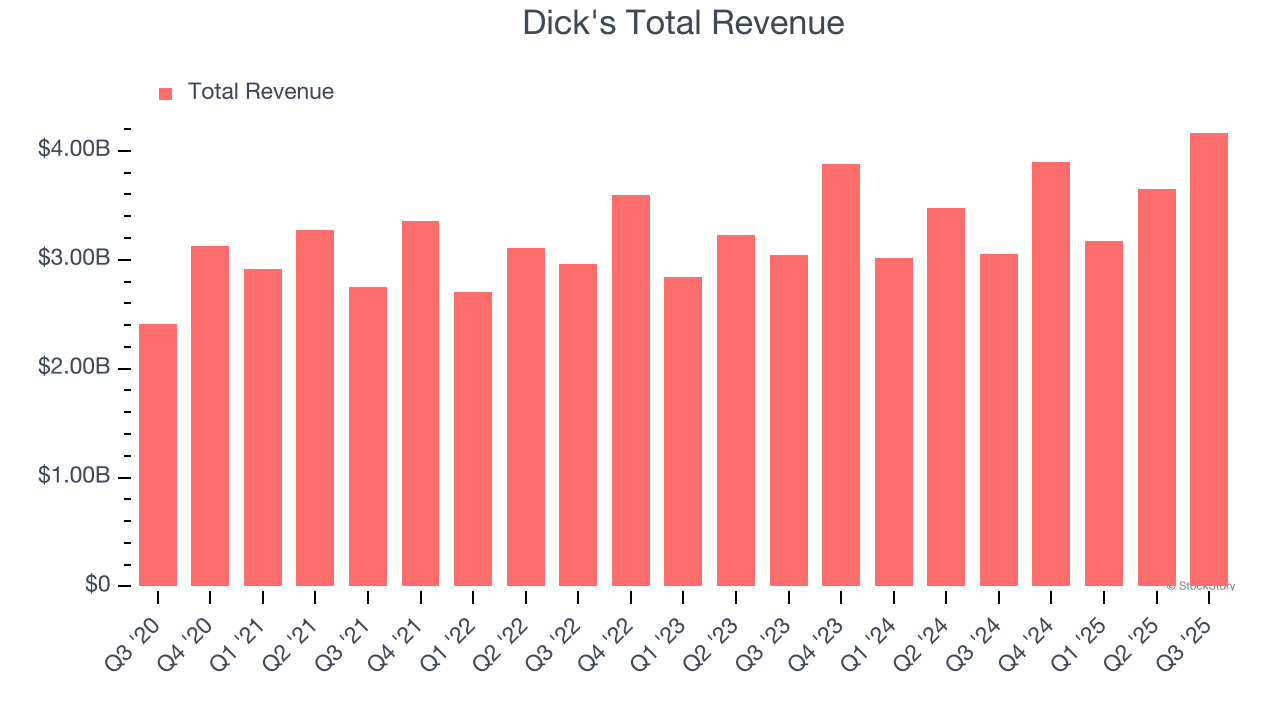
Dick's Sporting Goods' $2.5 billion acquisition of Foot Locker (closed mid-2025) represents the most significant consolidation in North American athletic retail, creating a powerhouse distributor with $6.23 billion in Q4 fiscal 2025 revenue. The merger combines Dick's 850+ stores with Foot Locker's extensive mall-based network and direct relationships with Nike, Adidas, and New Balance—fundamentally reshaping wholesale dynamics for cross-border athletic sellers.
For e-commerce sellers, this consolidation signals both risk and opportunity. The integration costs of $500-750 million (with $390 million already recorded in fiscal 2025) are driving aggressive inventory clearance and store closures (57 stores shuttered globally, including Foot Locker, Champs, Kids Foot Locker, and WSS banners). This creates a critical 6-12 month window where Dick's is aggressively clearing stale inventory and optimizing product assortment—meaning wholesale buyers are highly selective and margin-conscious. Sellers offering complementary athletic products (performance apparel, footwear accessories, sports nutrition, recovery equipment) should expect tighter wholesale terms but higher volume potential once integration stabilizes.
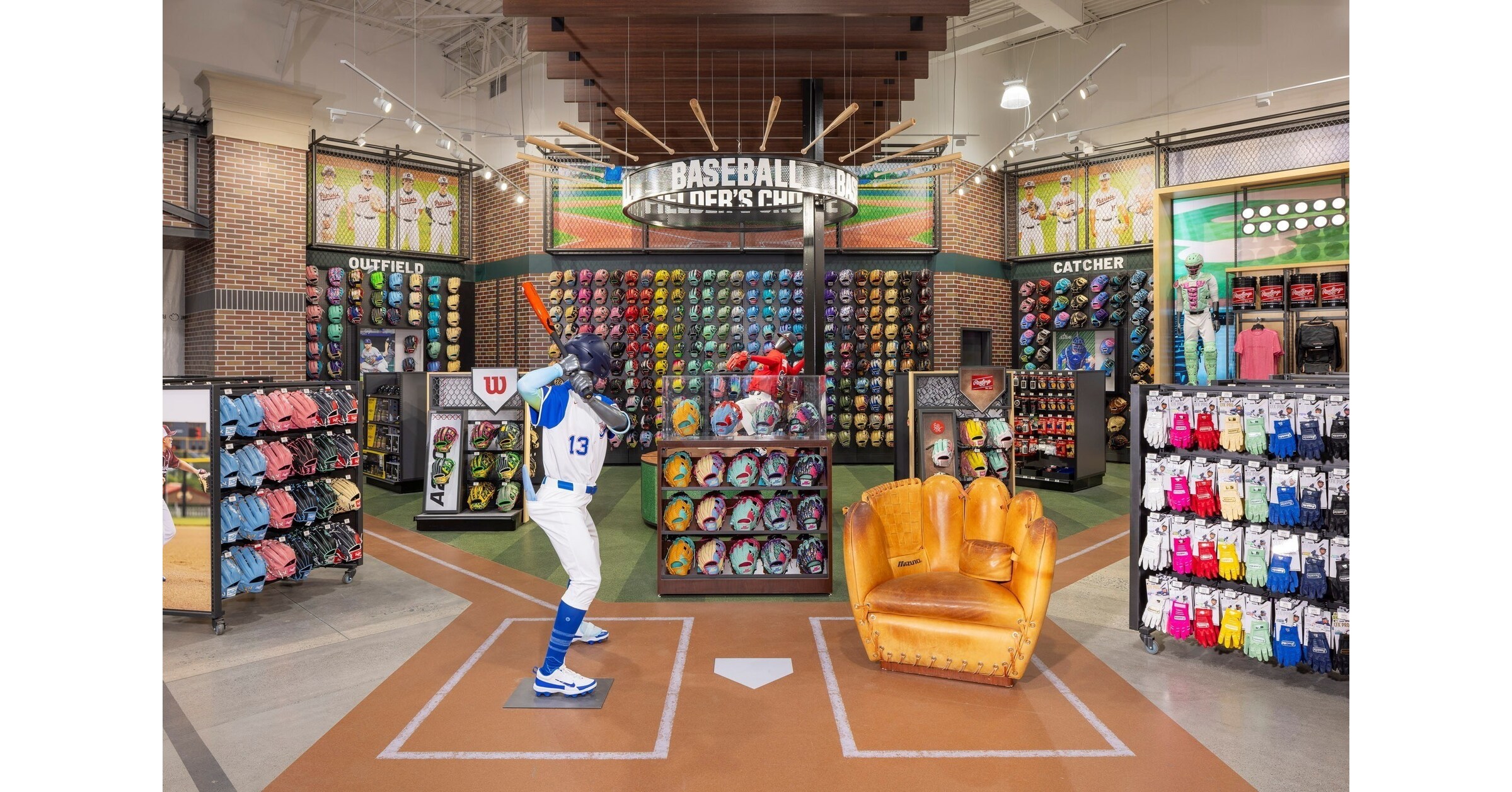
The "Fast Break" pilot program at 11 Foot Locker locations reveals Dick's strategic direction: experiential retail with improved product storytelling and in-store presentation. Early results showed "standout performance," signaling Dick's will invest in premium in-store experiences and curated product assortments rather than broad inventory. This creates opportunities for sellers with strong brand narratives, limited-edition products, or exclusive collaborations that can command premium shelf space. The company projects 1-3% comparable sales growth for Foot Locker in fiscal 2026, with profitability inflection expected during back-to-school season (July-August)—indicating peak wholesale buying windows for athletic apparel and footwear.
Profitability challenges present tactical opportunities. Despite higher comparable sales, Dick's net income fell 57% year-over-year to $128.3 million due to integration charges. This margin pressure means Dick's will prioritize high-margin wholesale partnerships and reduce SKU complexity. Sellers with established brand equity, proven sell-through rates, and ability to support omnichannel fulfillment (in-store pickup, ship-from-store) will have competitive advantages. The merger also expanded Dick's international footprint, creating opportunities for cross-border sellers to access Canadian and international markets through a single consolidated buyer.
Risk factor: Reduced wholesale dependence by major athletic brands. The news explicitly states the merger "enhanced negotiating leverage with athletic brands during a period when major manufacturers reduce wholesale dependence." This means Nike, Adidas, and New Balance are increasingly selling direct-to-consumer and through owned channels, reducing wholesale allocation to Dick's. Sellers relying on these brands' wholesale channels should diversify into direct-to-consumer Amazon/Shopify channels and explore partnerships with emerging athletic brands seeking retail distribution.
Questions 8
What is the timeline for Dick's Foot Locker integration and when should sellers approach for wholesale partnerships?
Dick's indicated 'major rightsizing efforts are substantially complete' as of March 2026, with remaining costs representing normal business operations. The company projects Foot Locker comparable sales growth of 1-3% for fiscal 2026, with profitability inflection expected during back-to-school season (July-August 2026). Sellers should approach Dick's wholesale team starting Q2 2026 (April-June) with products targeting back-to-school demand, as this is when Dick's will be actively restocking optimized assortments. The 'Fast Break' pilot program at 11 locations showed 'standout performance,' suggesting Dick's will expand this model in H2 2026—sellers with premium, story-driven products should prioritize these pilot locations for initial wholesale placements.
How can sellers leverage Dick's omnichannel strategy for wholesale partnerships?
Dick's is consolidating mall-based Foot Locker stores with its own retail network to create an omnichannel athletic retailer. The company's focus on 'improved product assortment, in-store presentation, and storytelling' indicates Dick's will prioritize sellers who can support omnichannel fulfillment (in-store pickup, ship-from-store, buy-online-pickup-in-store). Sellers should highlight their ability to provide real-time inventory visibility, support rapid fulfillment from multiple locations, and create compelling in-store experiences. This is particularly valuable for sellers of premium athletic apparel, footwear, and accessories where in-store presentation and brand storytelling drive conversion. Sellers with strong Shopify or Amazon integration capabilities will have competitive advantages in wholesale negotiations.