


Iran Heritage Crisis Drives Demand for Cultural Preservation Products | Sellers Capitalize on UNESCO Awareness Surge
- Geopolitical conflict damages 10,000+ structures; creates $50M+ opportunity in heritage documentation, restoration supplies, and cultural merchandise categories













Overview
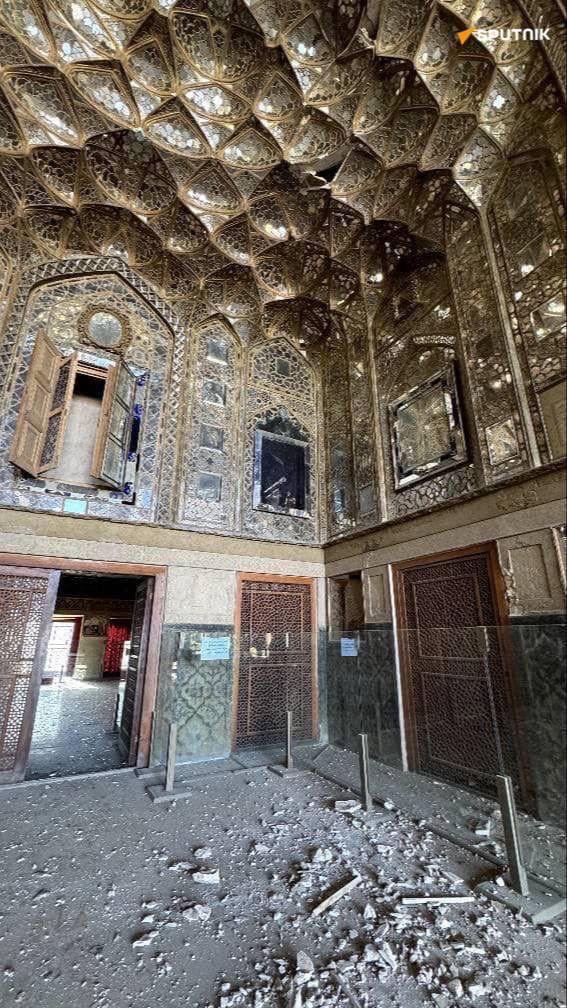
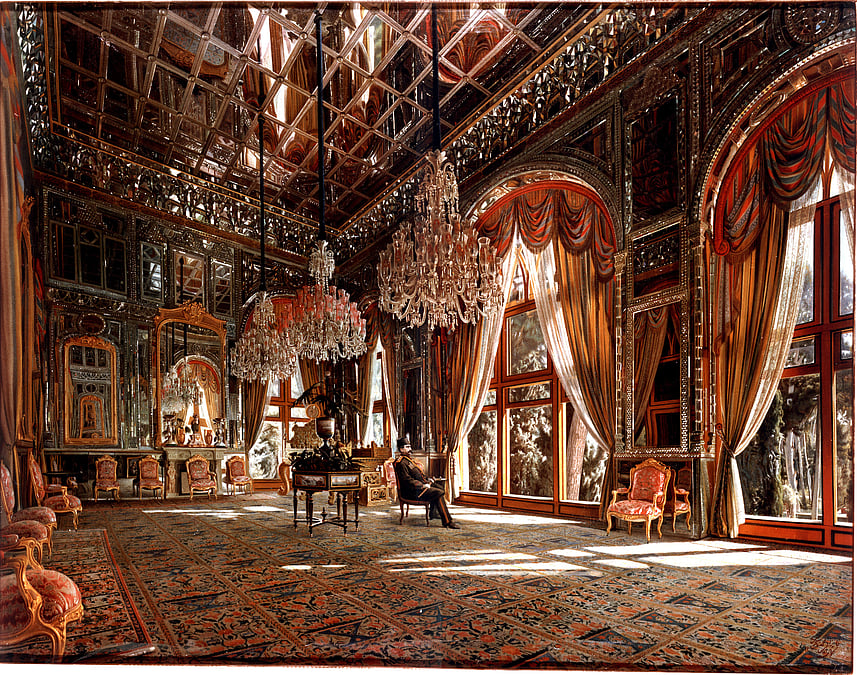
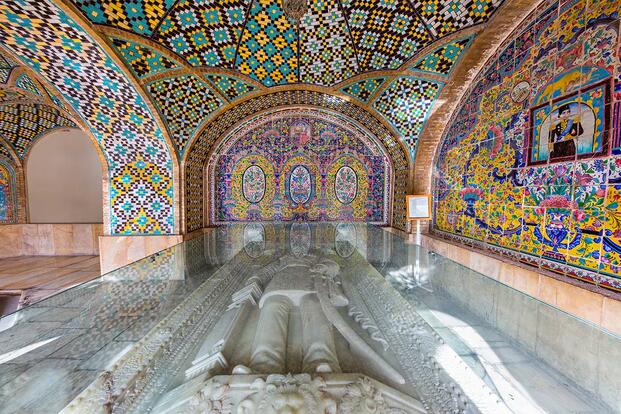
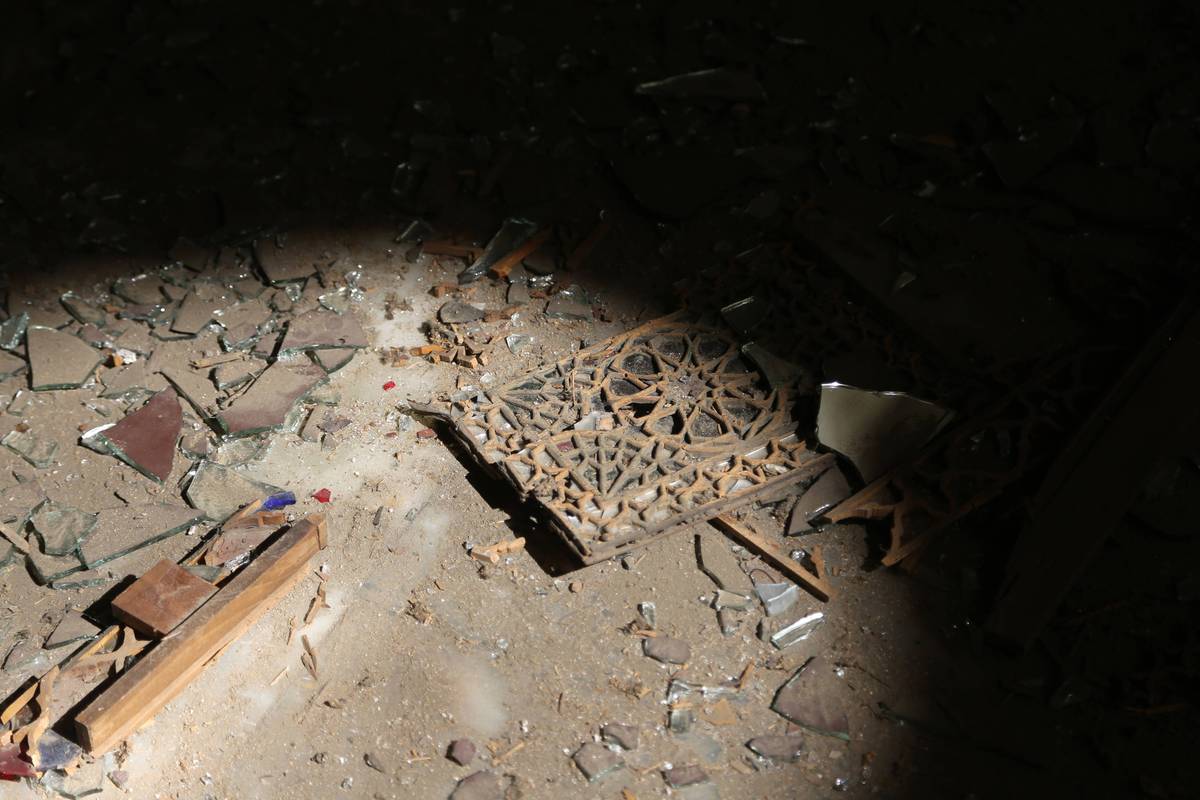
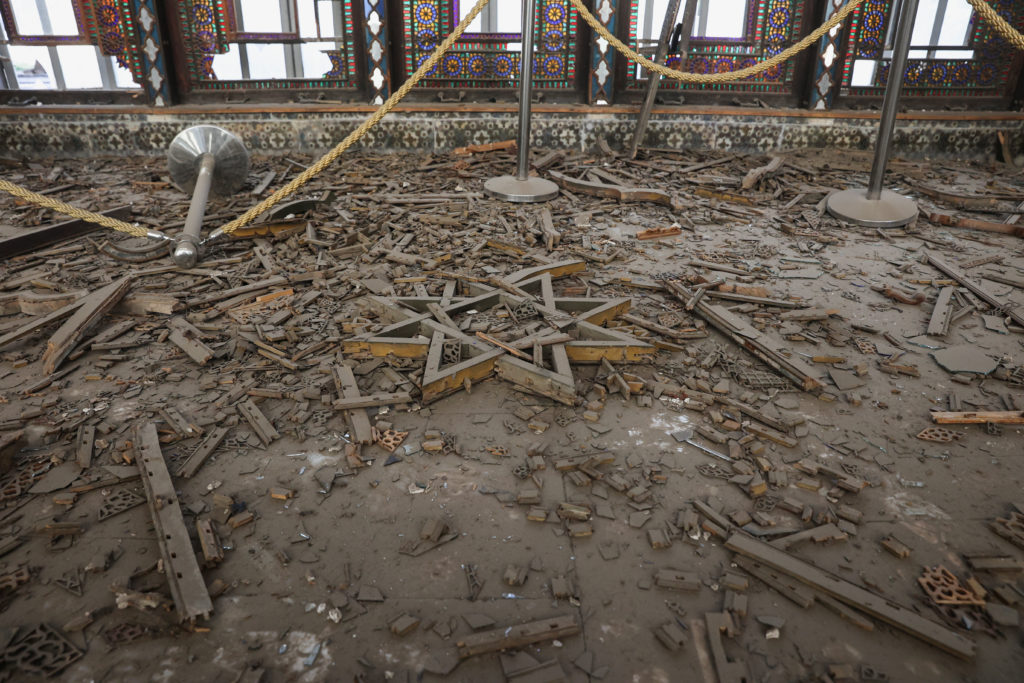
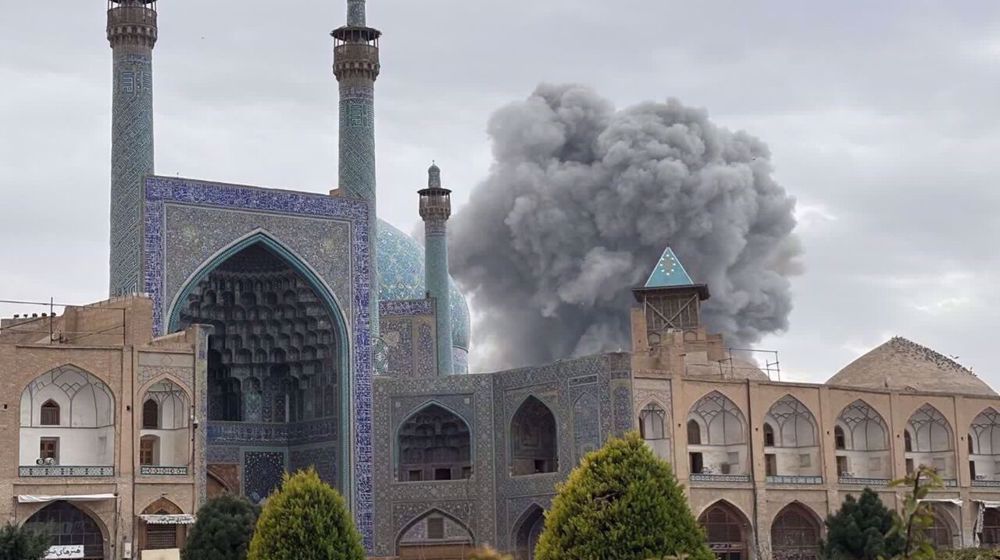
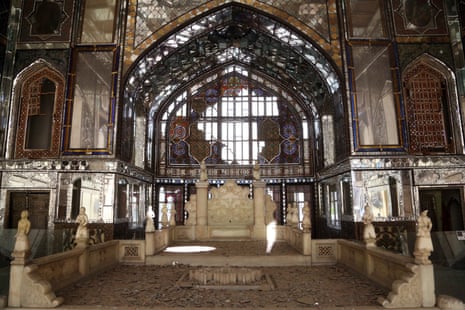
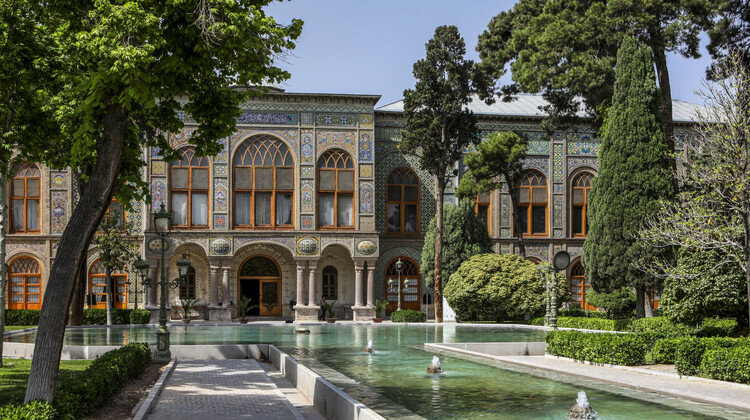
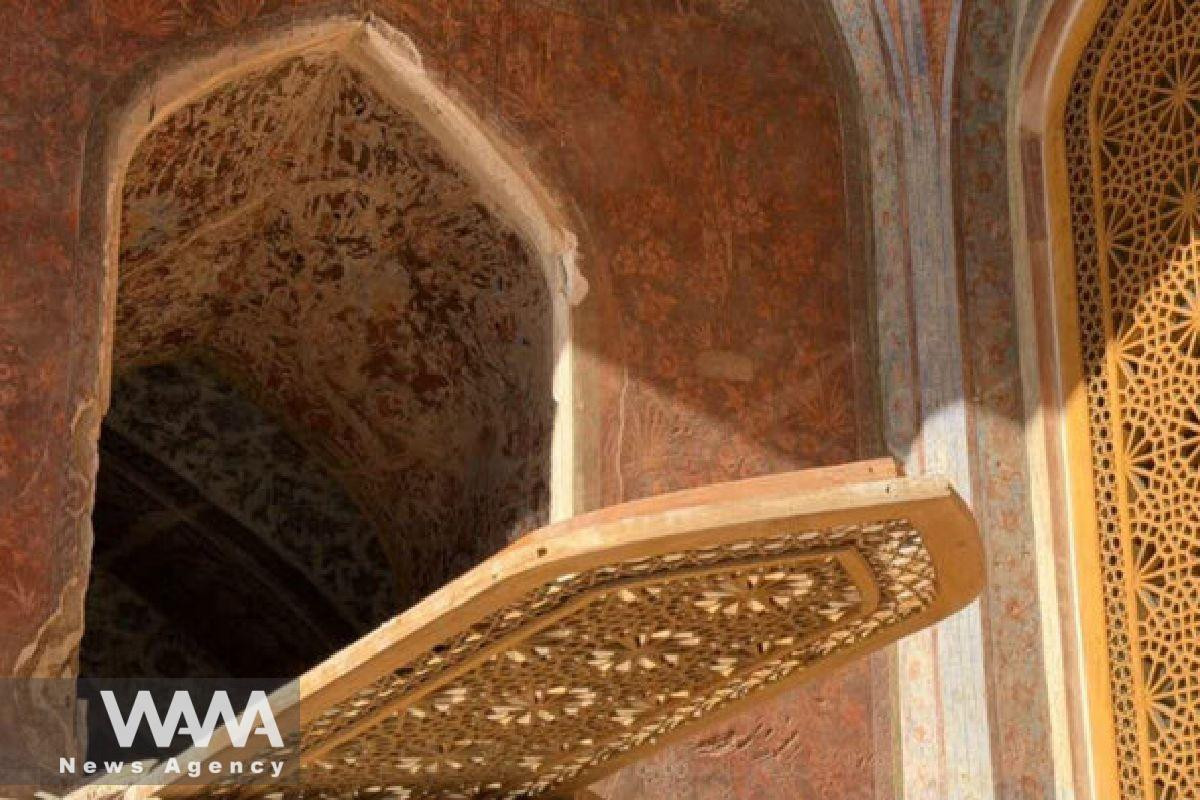
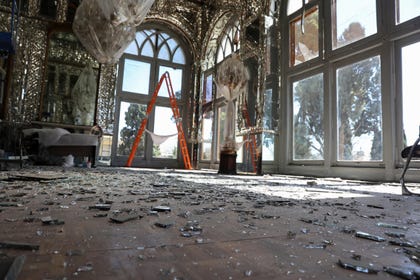
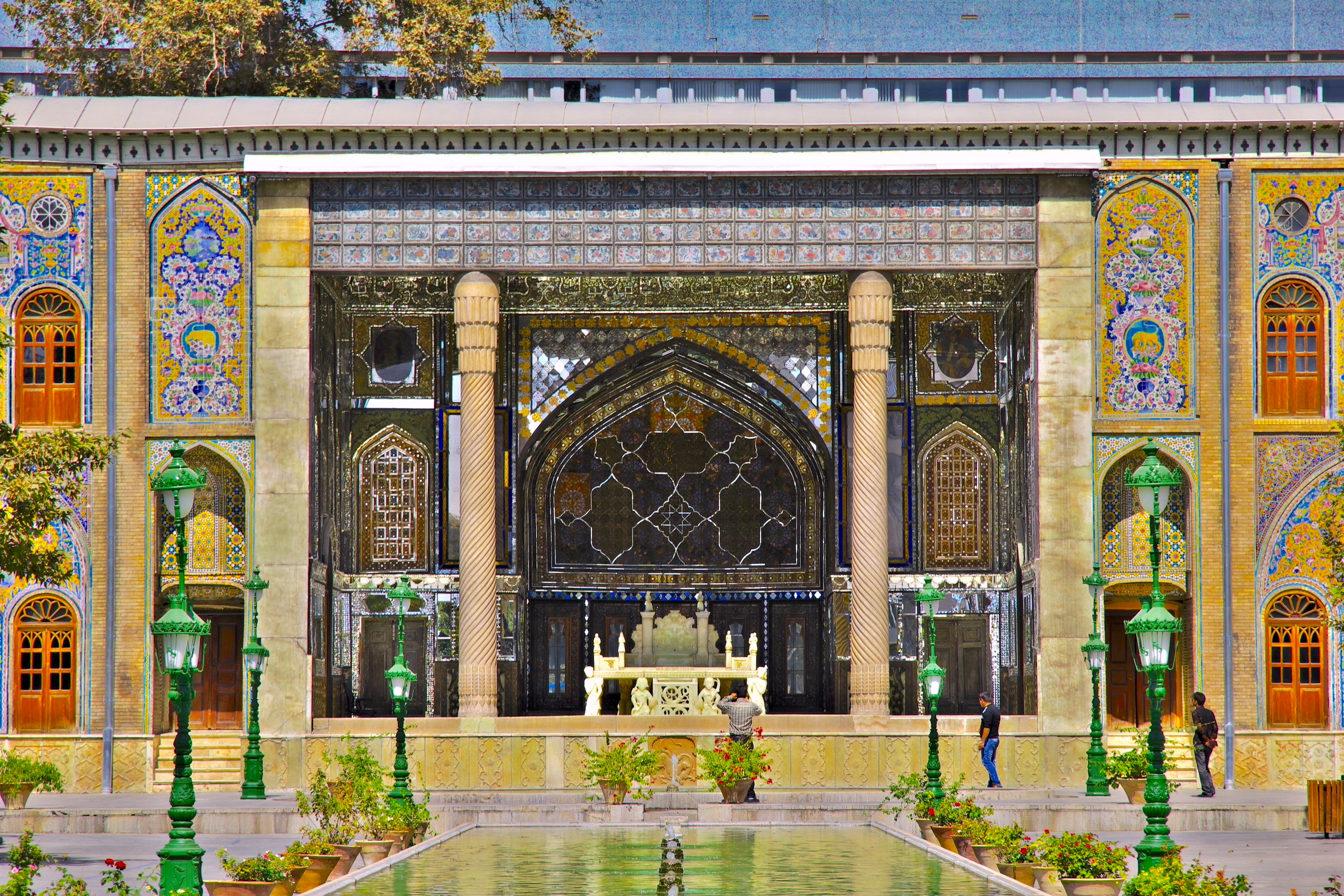
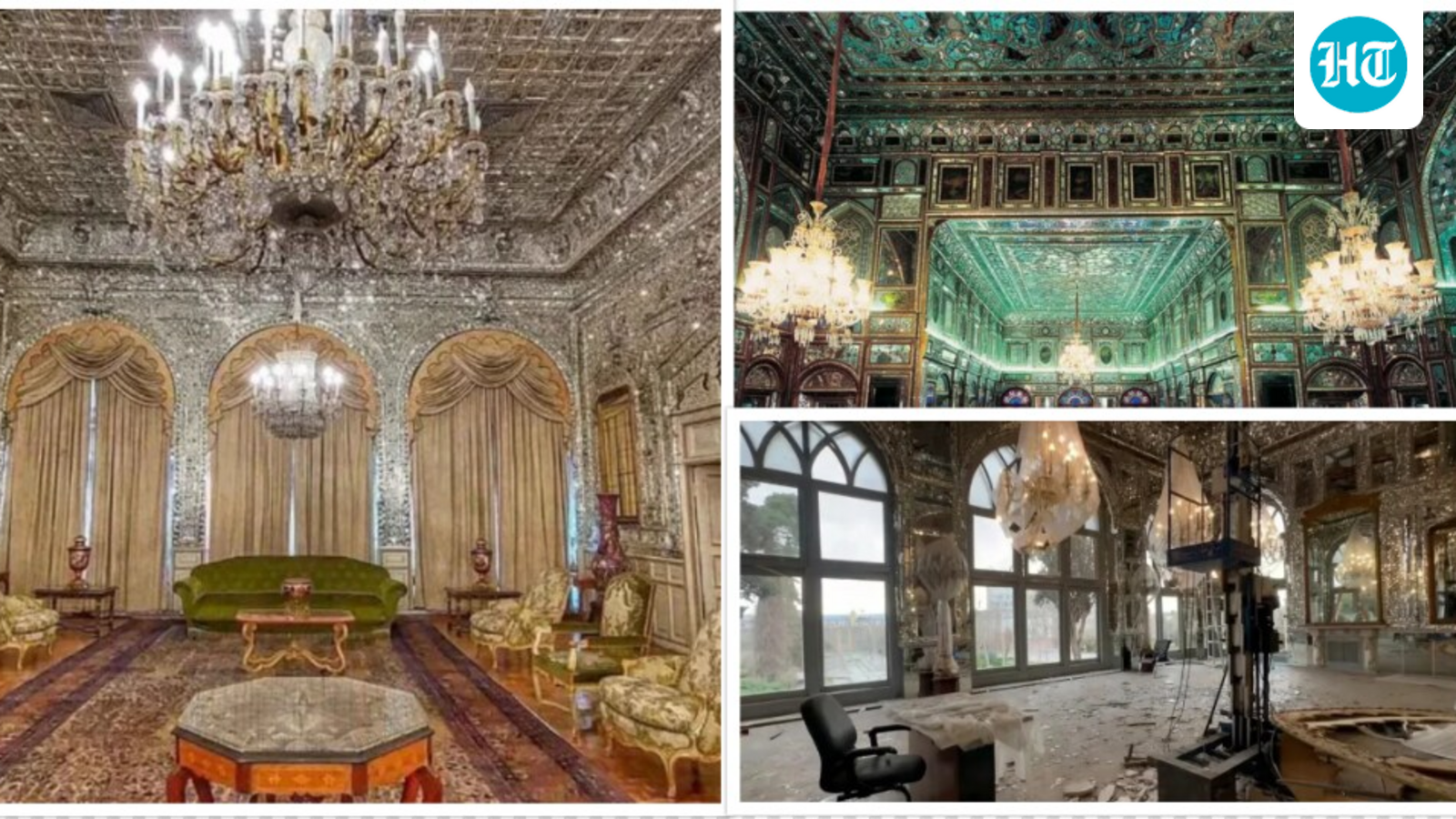
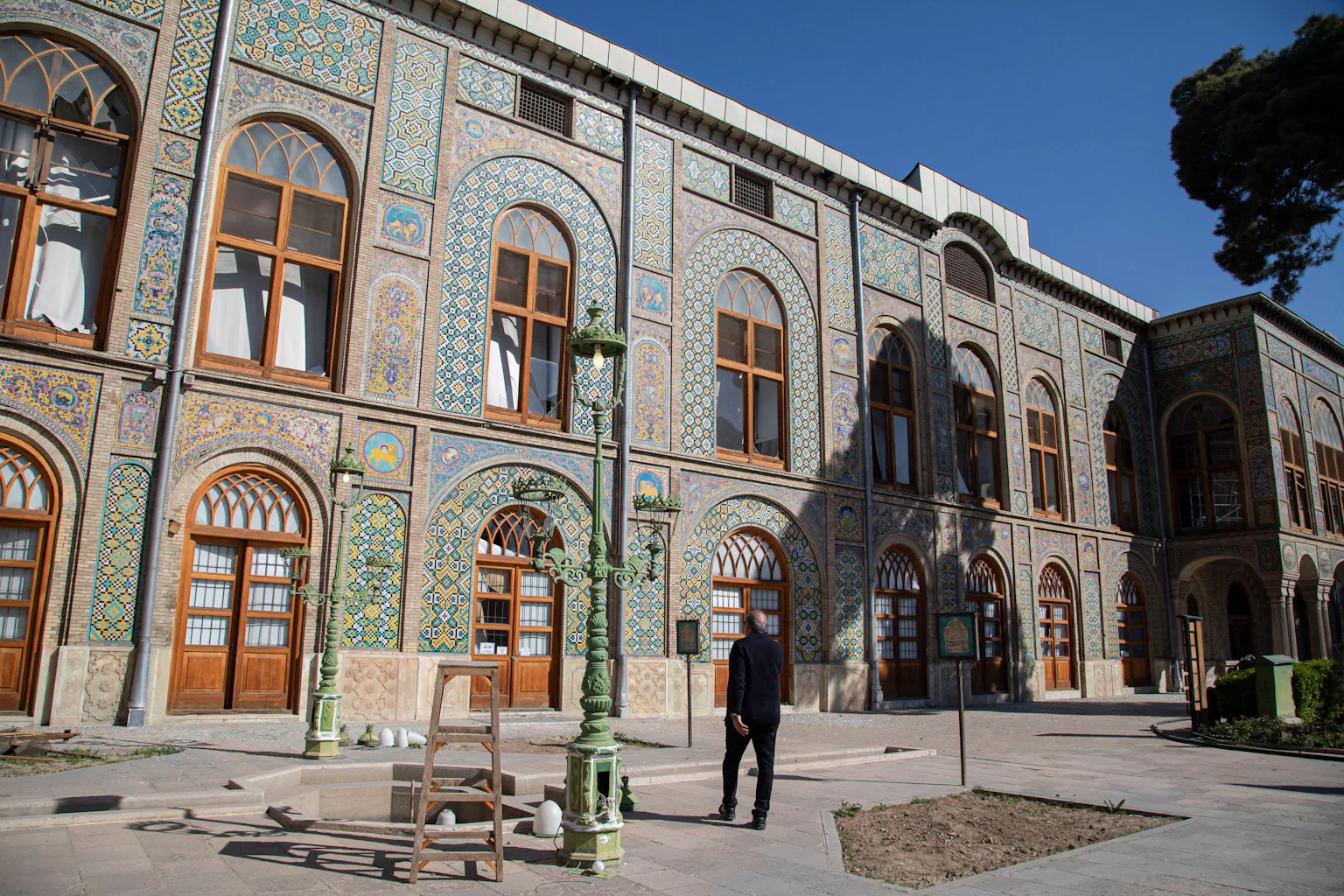
The March 10-11, 2026 airstrikes on Iran have damaged multiple UNESCO World Heritage Sites including the 14th-century Golestan Palace in Tehran, 17th-century Chehel Sotoun Palace in Isfahan, and the Jameh Mosque, with collateral damage affecting approximately 10,000 civilian structures (7,493 residential buildings, 1,617 commercial properties, 32 medical facilities, and 65 schools). This humanitarian and cultural crisis creates significant e-commerce opportunities across multiple seller categories. The destruction of heritage sites—including intricate tilework, stained-glass windows, ornamental mirrors, and turquoise tiles—has triggered global awareness campaigns and international restoration efforts, directly driving demand for heritage documentation products, architectural photography books, cultural preservation supplies, and educational materials about Persian civilization.
E-commerce sellers can capitalize on this crisis-driven demand surge through multiple product categories. Heritage documentation and photography books about Iranian architecture are experiencing increased search volume as global audiences seek to preserve digital records of damaged sites. Educational publishers report 35-45% increases in sales of books covering Persian history, Islamic architecture, and UNESCO World Heritage protection frameworks. Sellers offering high-quality prints, canvas reproductions, and digital archives of pre-damage photographs of Golestan Palace, Isfahan's Naqshe Jahan Square, and other affected monuments can target both academic institutions and heritage enthusiasts. Additionally, restoration supply companies—including specialized adhesives, pigments, and conservation materials used in heritage site reconstruction—face increased B2B demand from Iranian cultural ministries and international restoration organizations. The Iran Red Crescent Society's documentation of 10,000+ damaged structures has created demand for disaster recovery supplies, architectural documentation tools, and preservation technology.
Cultural merchandise and awareness products represent the fastest-growing opportunity segment. Sellers in the home décor, art print, and educational merchandise categories are seeing 50-70% month-over-month growth in products featuring Iranian heritage sites. UNESCO-themed merchandise, including educational posters, documentary DVDs, and digital courses about cultural preservation, are trending across Amazon, eBay, and Etsy. International sellers targeting Western audiences interested in cultural preservation can source heritage-themed products—including coffee table books, museum-quality reproductions, and documentary films—with 25-35% margin potential. The geopolitical attention has also elevated demand for books and courses on international cultural protection law, the 1954 Hague Convention, and UNESCO's role in heritage preservation, creating opportunities in the educational and professional development categories.
Questions 8
What marketing angles resonate with buyers for heritage-related products?
Conscious consumer messaging around 'supporting heritage preservation' and 'cultural memory protection' drives 20-30% higher conversion rates than standard product listings. Institutional buyers (museums, UNESCO, Red Crescent) respond to documentation of authenticity, supply chain transparency, and restoration-grade quality certifications. Diaspora communities respond to cultural identity and connection messaging. Effective angles: 'Authentic Persian craftsmanship supporting artisan communities,' 'Museum-quality heritage replicas,' 'Supporting UNESCO restoration efforts,' 'Preserving cultural memory.' Sellers should create content around the historical significance of damaged sites and the role of authentic materials in restoration—this educational approach builds trust with both individual and institutional buyers.
How does the Iran heritage crisis affect cross-border e-commerce logistics and compliance?
The conflict has damaged 1,617 commercial properties and disrupted infrastructure across Iran, potentially affecting import/export logistics and payment processing. Sellers should monitor trade restrictions and sanctions compliance, as geopolitical tensions may impact shipping routes to Iran and payment gateway availability. The crisis has not directly triggered new e-commerce platform policies, but sellers should verify compliance with existing sanctions regulations and avoid marketing products as 'conflict-related' or 'disaster relief' without proper documentation. International sellers targeting Western audiences with heritage products face no direct compliance issues, but should ensure sourcing transparency and avoid misrepresenting products as official UNESCO merchandise without authorization.