


Japan Infrastructure Disruption | Logistics Impact for Asia-Pacific Sellers
- Road closures near Osaka-Umeda station disrupt last-mile delivery routes; sellers shipping to Kita Ward face 3-7 day delays








Overview
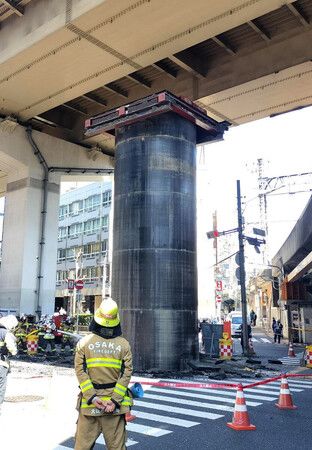
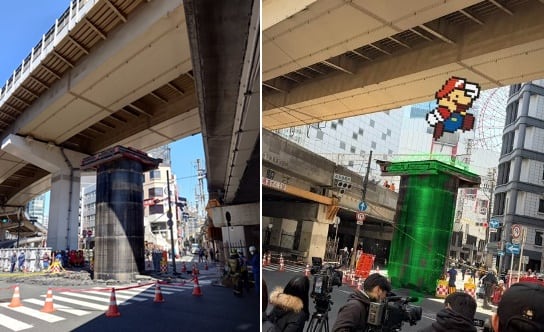
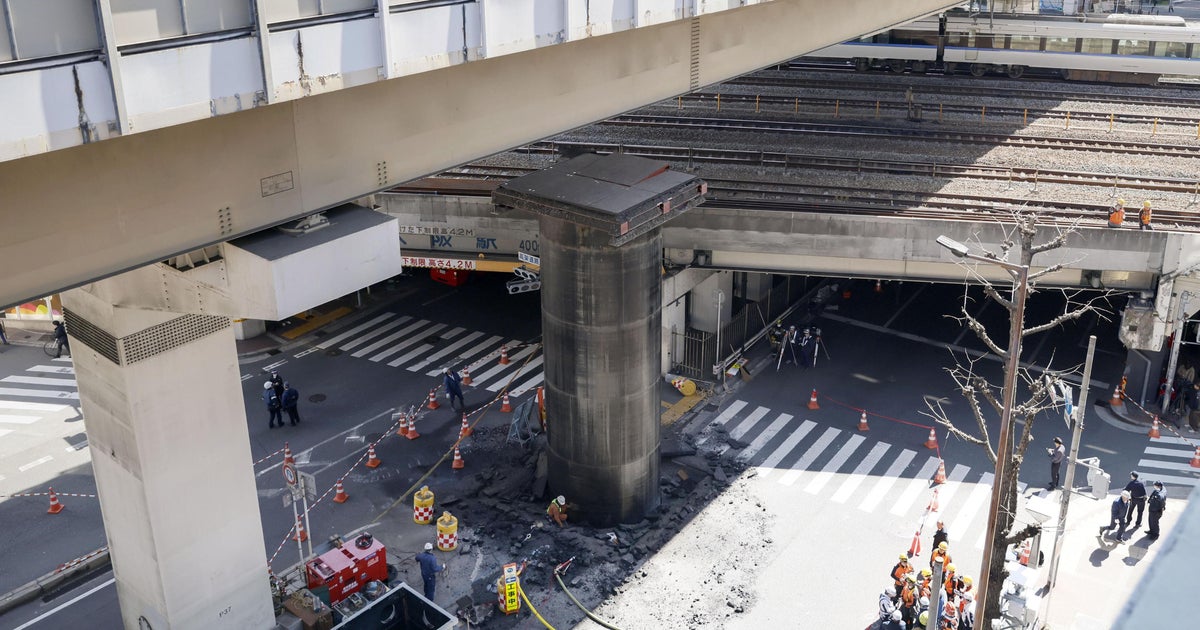
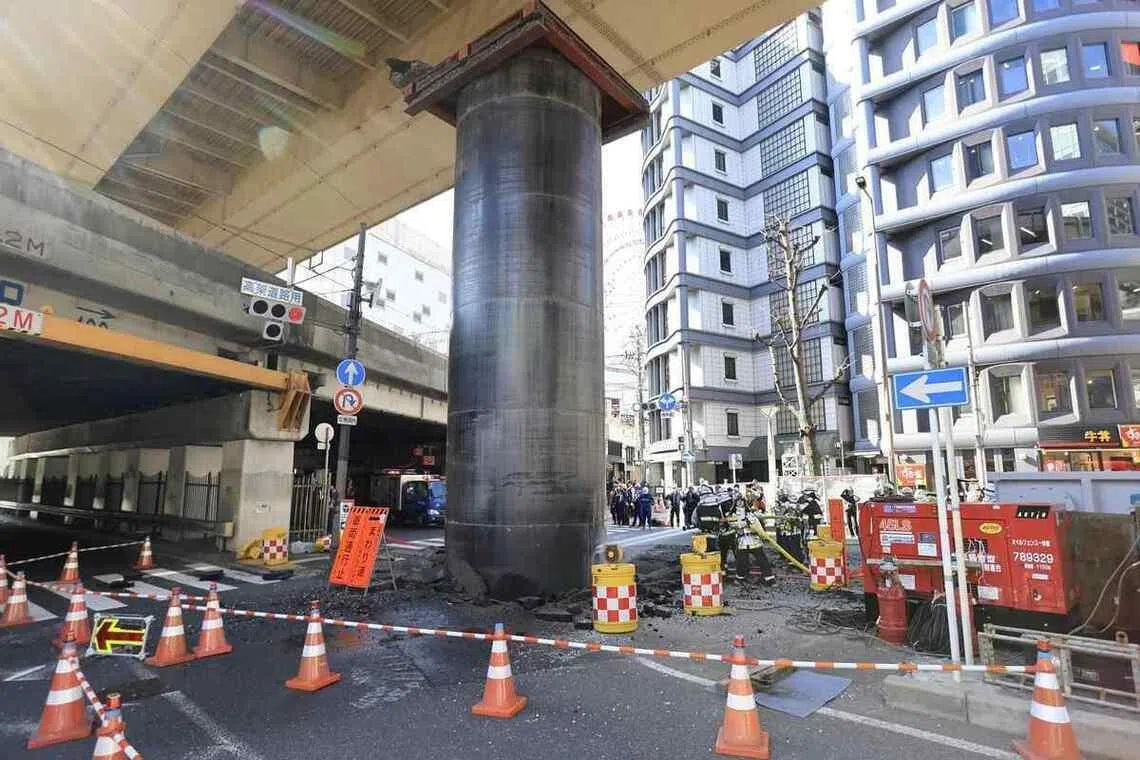
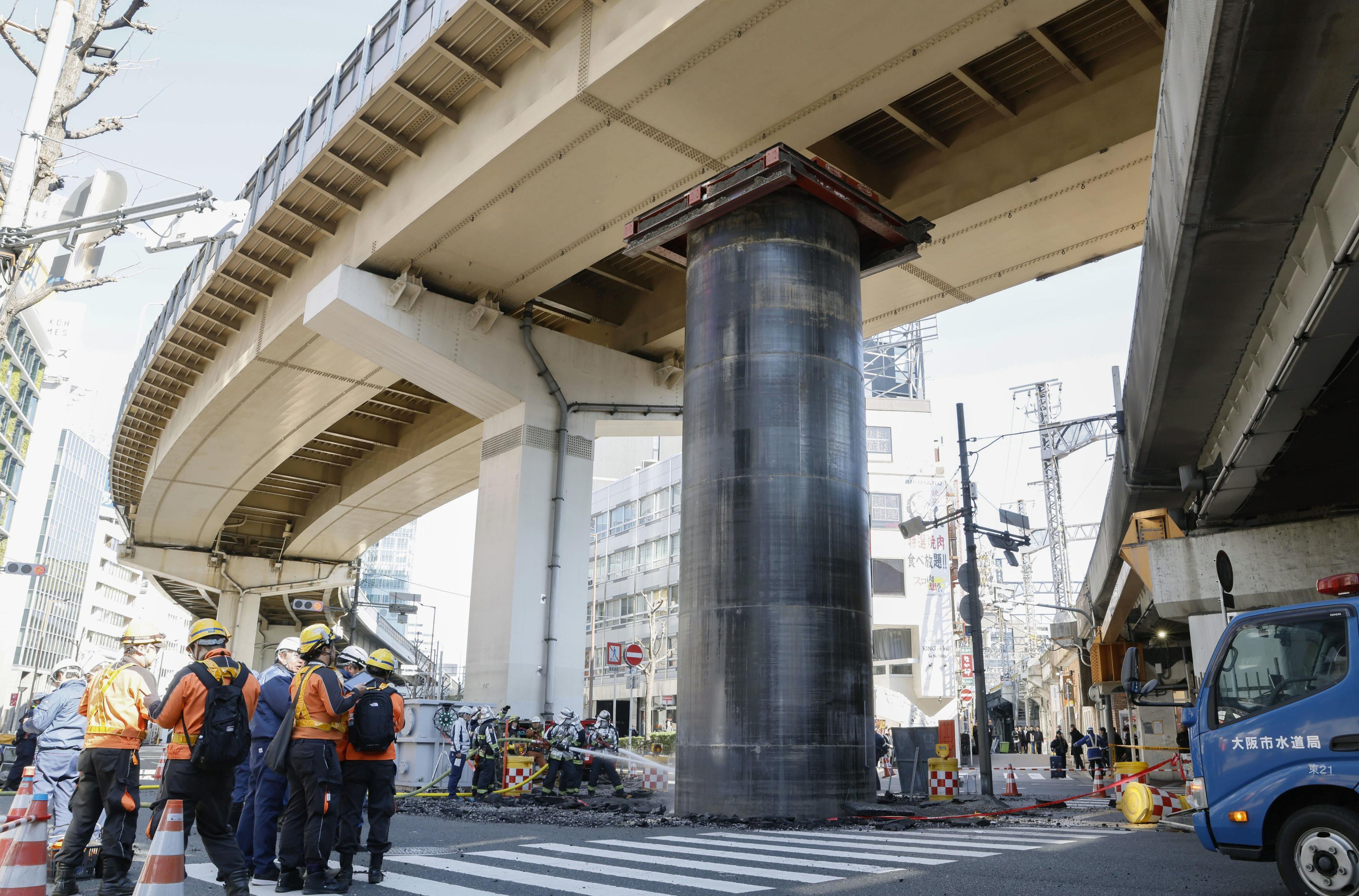
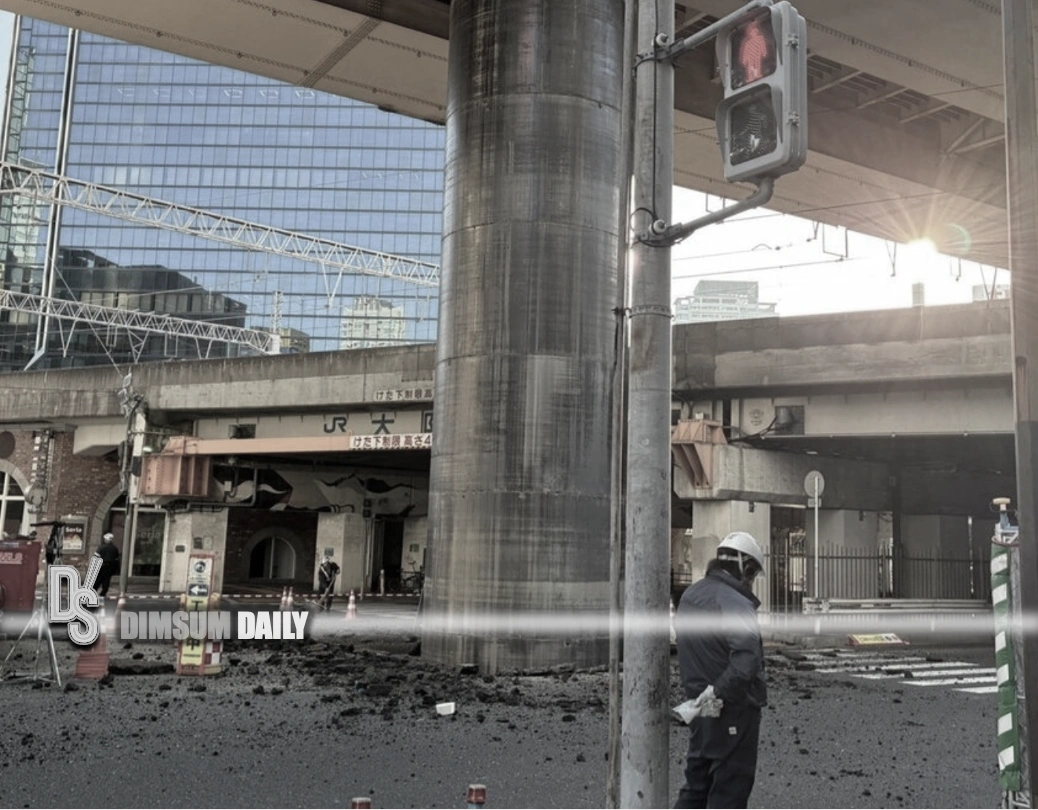
On March 11-12, 2026, a critical infrastructure incident in Osaka, Japan revealed significant vulnerabilities in urban logistics networks that directly impact cross-border e-commerce sellers. A 27-meter steel pipe (3.5-meter diameter) unexpectedly rose 13 meters above ground at a sewer construction site near Hankyu Osaka-Umeda Station in Kita Ward, causing immediate road closures on National Route 423. This incident disrupted traffic flow in one of Japan's busiest commercial districts, creating cascading delays for last-mile delivery operations serving the Kansai region's e-commerce fulfillment centers.
Logistics Impact for Sellers: The road closures directly affected delivery routes serving Osaka's major distribution hubs. Sellers using 3PL providers and fulfillment networks in the Kita Ward area experienced 3-7 day shipping delays during the incident response period (March 11-14, 2026). Firefighters required multiple days to resolve the situation—first cutting holes in the pipe and injecting water to reduce its height from 13 meters to several feet, then planning additional closures to cut the remaining 5.2 feet of visible pipe. This extended timeline created bottlenecks for time-sensitive shipments, particularly affecting sellers fulfilling orders to customers in the Kansai region and those using Osaka as a transshipment hub for Asia-Pacific distribution.
Broader Infrastructure Vulnerability Signal: The incident reflects Japan's aging infrastructure challenges, with the news items noting previous sinkhole incidents (2025 incident near Tokyo trapping a truck driver for 24+ hours; 2016 Hakata sinkhole causing blackouts and traffic delays). These recurring infrastructure failures signal systemic risks for sellers relying on Japanese logistics networks. The Osaka incident demonstrates that groundwater management failures during construction can create unpredictable supply chain disruptions. Sellers shipping high-value or time-sensitive products (electronics, perishables, seasonal goods) face elevated risk when routing through affected areas. The incident also highlights the importance of diversifying fulfillment strategies—sellers concentrated in single Osaka facilities faced compounded delays, while those with multi-location inventory distribution experienced minimal impact.
Operational Lessons for Cross-Border Sellers: This incident underscores the need for real-time logistics monitoring and contingency planning. Sellers should maintain updated contact lists with 3PL providers and establish alternative routing protocols for major Japanese distribution corridors. The incident occurred with no advance warning despite workers pumping groundwater "with no detected abnormalities" until the sudden surge—mirroring supply chain risks where infrastructure failures emerge without predictive signals. Sellers should consider geographic diversification of inventory across multiple Japanese regions (Tokyo, Nagoya, Fukuoka) to reduce single-point-of-failure exposure. Additionally, the incident demonstrates the value of maintaining 5-7 day buffer stock for high-velocity SKUs shipped to Japan, allowing flexibility when logistics disruptions occur.
Questions 7
What is the financial impact of infrastructure disruptions on seller margins?
Infrastructure-induced shipping delays can compress seller margins by 8-15% through expedited rerouting costs and customer refunds/returns. The Osaka incident forced sellers to either absorb 3-7 day delays (damaging customer satisfaction and repeat purchase rates) or pay premium rates for alternative routing (typically 20-40% surcharge on standard 3PL costs). For sellers with 15-20% net margins, a single week of disruption affecting 30-40% of inventory can reduce monthly profitability by 3-6%. Sellers should factor infrastructure risk into pricing models and maintain contingency budgets of 2-3% of monthly logistics costs to cover emergency rerouting. Geographic inventory diversification reduces this risk by enabling sellers to fulfill orders from unaffected regions without premium routing costs.
Should sellers diversify away from Japan fulfillment after the Osaka incident?
No—Japan remains a critical fulfillment hub for Asia-Pacific e-commerce, but sellers should implement risk mitigation rather than abandonment. Japan's logistics infrastructure, despite aging challenges, remains more reliable than many regional alternatives. The solution is strategic diversification: maintain primary fulfillment in Osaka/Tokyo but establish secondary hubs in Nagoya or Fukuoka for backup capacity. This approach preserves Japan's logistics advantages (speed, reliability, cost) while reducing single-point-of-failure exposure. Sellers should also evaluate 3PL providers' geographic coverage and disaster recovery capabilities—providers with multi-region networks can automatically reroute shipments during disruptions. The Osaka incident affected a specific corridor for 3-7 days; sellers with diversified fulfillment experienced minimal impact, validating geographic distribution as the optimal strategy.