



Trump's 16-Country Tariff Investigation | Critical Supply Chain Shifts for E-Commerce Sellers
- Targets China, EU, Vietnam, India, Mexico; threatens 8-15% cost increases for electronics, textiles, consumer goods sellers by Q2 2026









)




Overview
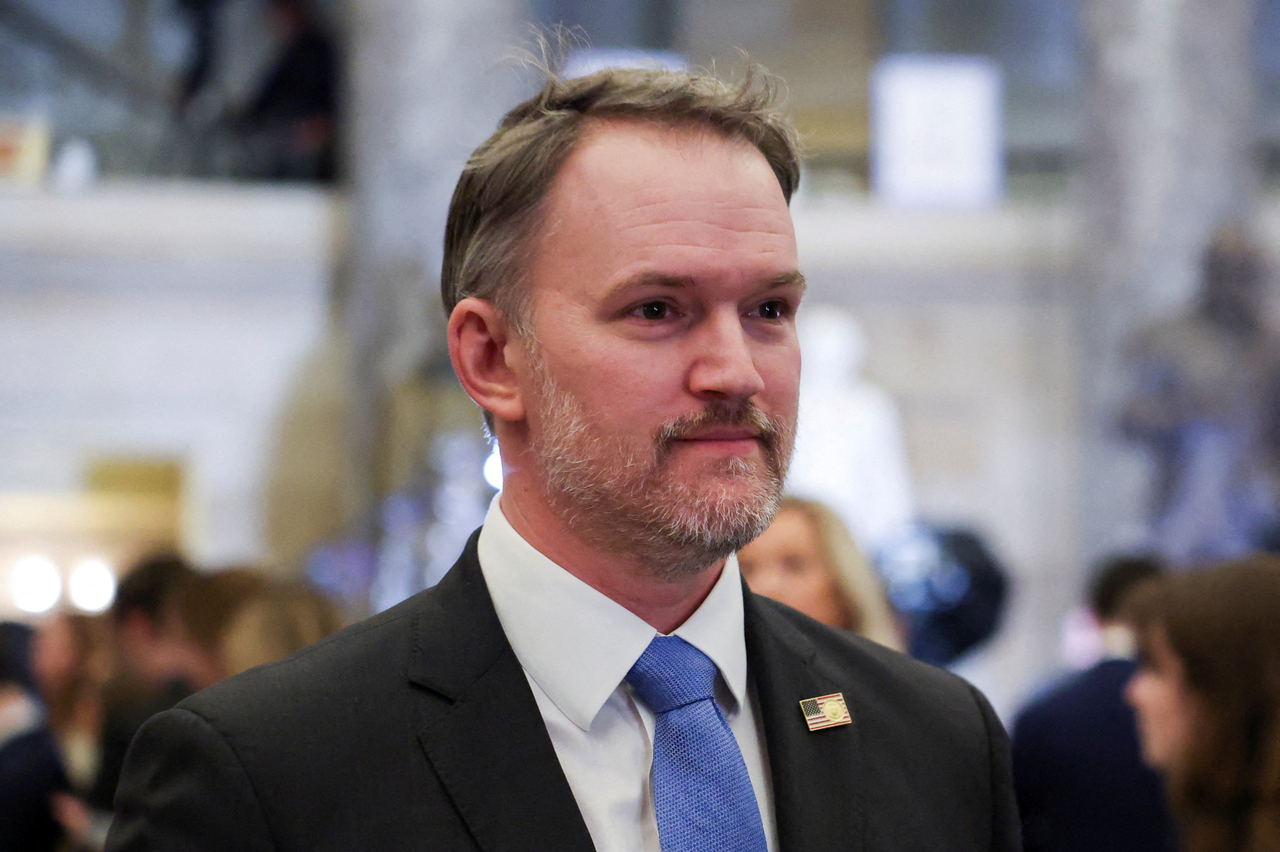
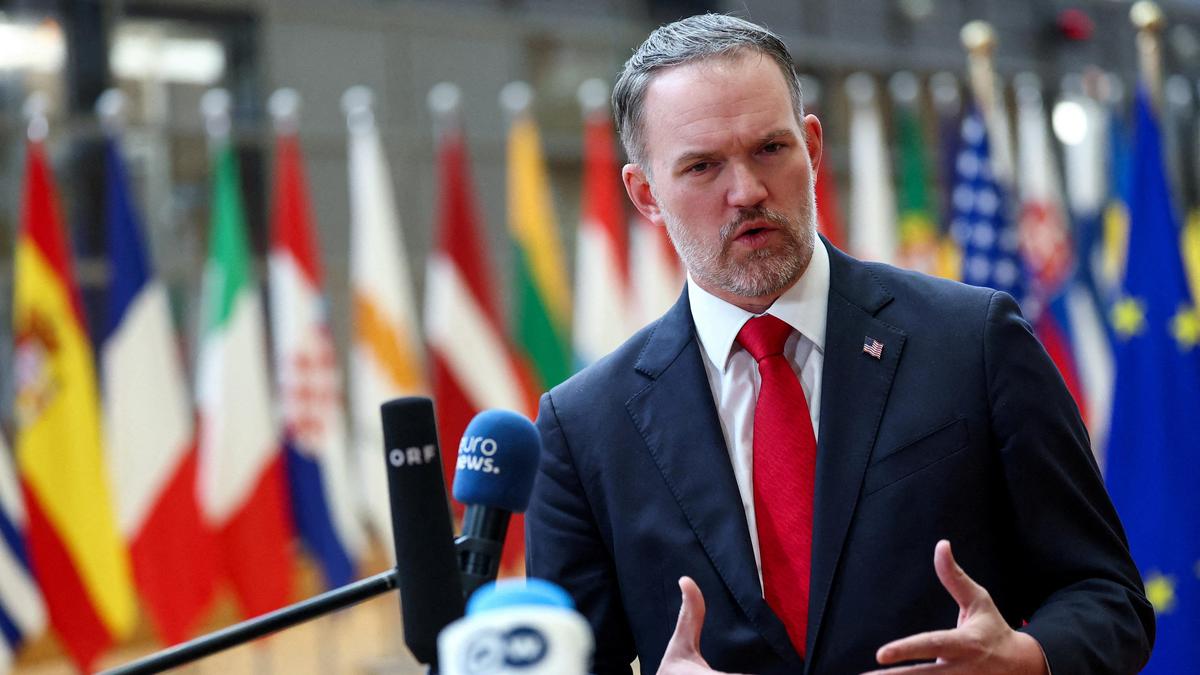
The Trump administration's March 11, 2026 investigation targeting 16 major trading partners represents a seismic shift in tariff policy with immediate implications for cross-border e-commerce sellers. U.S. Trade Representative Jamieson Greer announced probes examining excess factory capacity, overproduction, and persistent trade deficits—directly impacting sellers sourcing from China, the European Union, Vietnam, India, Mexico, Taiwan, South Korea, Indonesia, Malaysia, Thailand, Cambodia, Bangladesh, Singapore, Switzerland, Norway, and Japan. This investigation resurrects tariff mechanisms recently struck down by the Supreme Court, signaling aggressive implementation likely within 6-12 months.
The tariff threat is immediate and multi-layered. Sellers face three concurrent investigations: the primary 16-country probe examining manufacturing capacity, a secondary 60-country forced labor assessment launching within days, and future investigations targeting digital services, pharmaceuticals, rice, and seafood. For electronics sellers sourcing from China and Vietnam, tariff increases could compress margins by 8-15% depending on product category and current duty rates. Textile and apparel sellers face similar pressures, particularly those importing from Bangladesh, Vietnam, and Cambodia. Consumer goods sellers with diversified supply chains across multiple targeted nations face compounded cost pressures—a seller importing from both China and Vietnam simultaneously could see cumulative tariff impacts of 12-20% on landed costs.
The timing creates a critical window for strategic repositioning. Sellers who negotiated tariff concessions under previous Trump administration policies only to see them overturned by the Supreme Court now face renewed uncertainty. This cyclical pattern demands immediate action: sellers must audit supply chains by country of origin, model tariff scenarios at 10%, 15%, and 20% rates, and identify alternative sourcing options in non-targeted nations. Vietnam and India, while targeted, may offer better tariff outcomes than China depending on final rate structures. Mexico presents opportunities for nearshoring, particularly for sellers serving North American markets. The investigation's broad scope suggests widespread implementation is probable, making proactive supply chain diversification essential before tariff rates are finalized and inventory costs spike.
Operational urgency is critical. Sellers should immediately: (1) Inventory all SKUs by source country and HS code; (2) Model pricing scenarios assuming 10-20% tariff increases; (3) Evaluate 3PL providers in non-targeted countries; (4) Accelerate imports from targeted nations before tariffs take effect (typical implementation lag: 60-90 days after announcement); (5) Review product mix to identify high-margin items that can absorb tariff costs. Companies with 30-60 day inventory cycles must act within 2-4 weeks to secure pre-tariff pricing. The investigation's focus on "excess capacity" suggests tariffs may be highest on commodity categories (basic electronics, textiles, consumer goods) rather than specialized products, creating opportunities for sellers to shift toward differentiated, higher-margin merchandise.
Questions 8
Should I shift sourcing to Mexico or other non-targeted countries to avoid tariffs?
Mexico is targeted in the investigation but may offer tariff advantages depending on final rate structures, particularly under USMCA provisions. Non-targeted countries like Pakistan, Vietnam (despite being targeted, may have lower rates), and emerging markets in Africa and Central America present alternatives, though they typically have higher logistics costs and longer lead times. Before shifting sourcing, model the total landed cost including tariffs, freight, and compliance complexity. Mexico offers nearshoring advantages for North American sellers (reduced shipping time/cost), making it attractive despite tariff risk. Evaluate 3PL providers in alternative countries within 2-4 weeks to establish backup sourcing before tariff rates are finalized.
How do tariffs on electronics, textiles, and consumer goods differ and which categories face the highest impact?
The investigation's focus on 'excess capacity and overproduction' suggests tariffs will be highest on commodity categories where foreign factories have surplus capacity: basic electronics (HS 8471-8517), textiles (HS 6204-6209), and consumer goods (HS 9406-9406). Specialized, differentiated products typically face lower tariff pressure. Electronics sellers sourcing from China and Vietnam face 8-15% potential increases; textile sellers from Bangladesh, Vietnam, and Cambodia face similar pressures; consumer goods sellers face 10-18% depending on product specificity. Sellers should prioritize shifting product mix toward higher-margin, differentiated items that can absorb tariff costs while maintaining profitability.