




U.S. Jobless Claims Hold at 213K | Stable Labor Market Supports E-Commerce Demand
- Third consecutive week of contained layoffs signals sustained consumer purchasing power for cross-border sellers targeting U.S. market


















/Semiconductor%20by%20Gorodenkoff%20via%20Shutterstock.jpg)






Overview
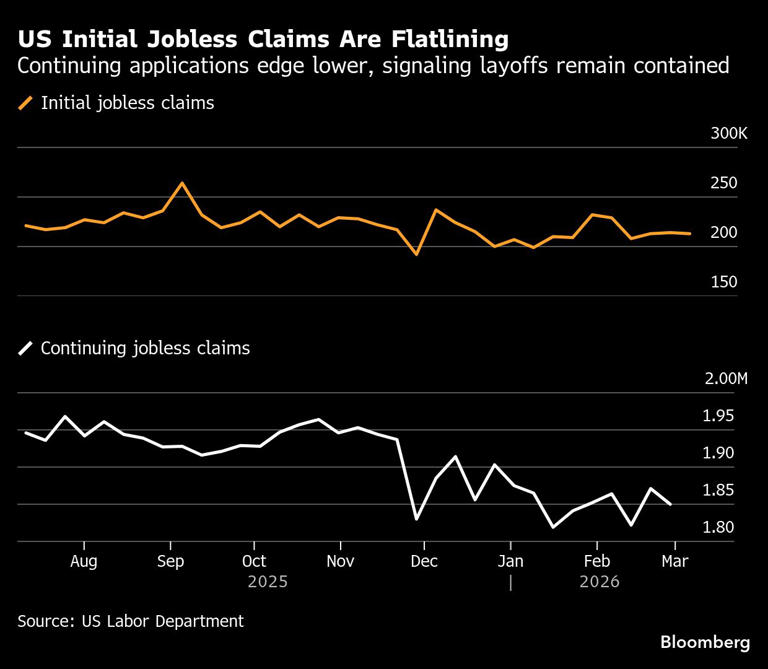
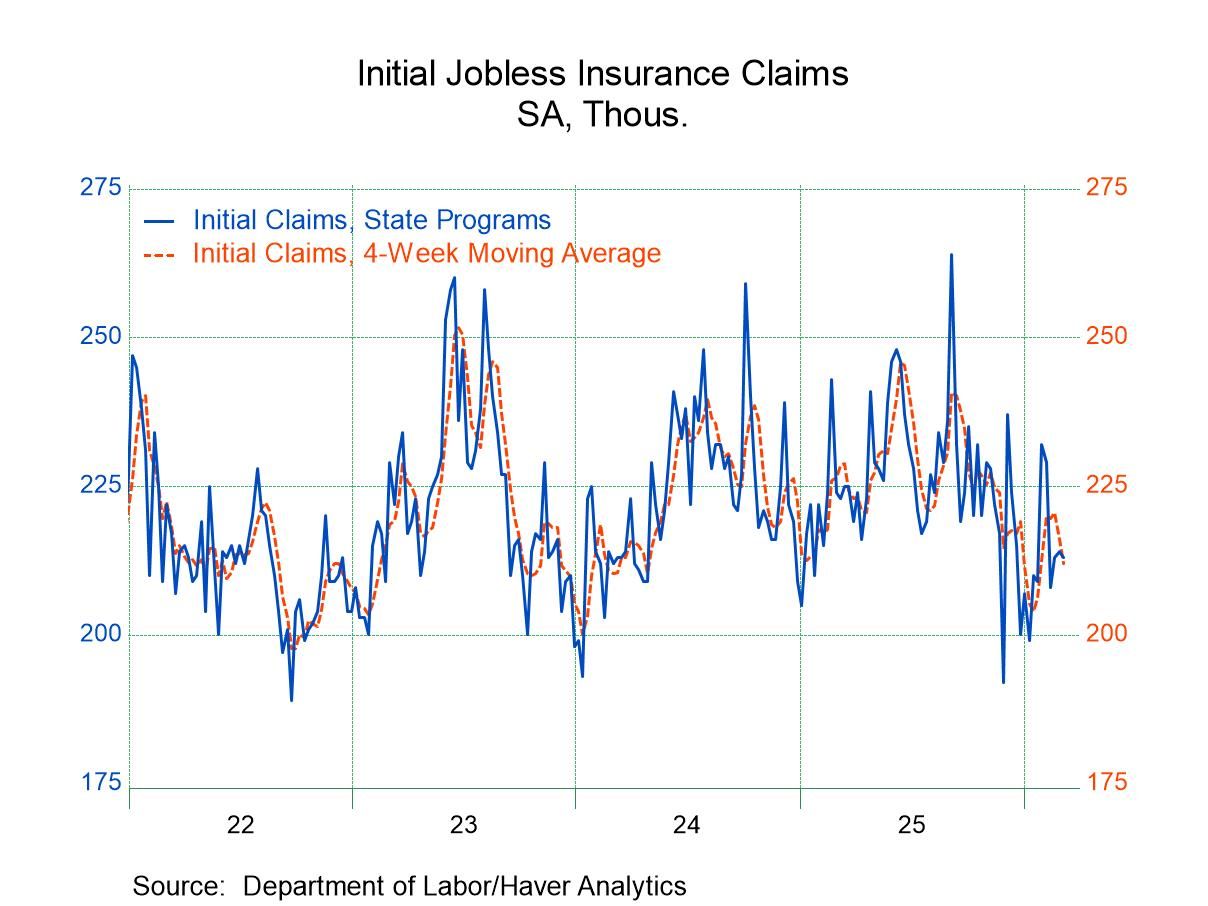
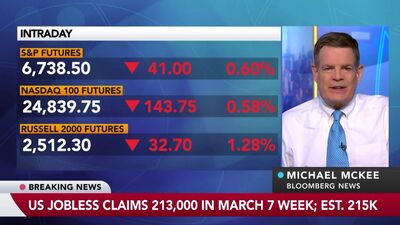
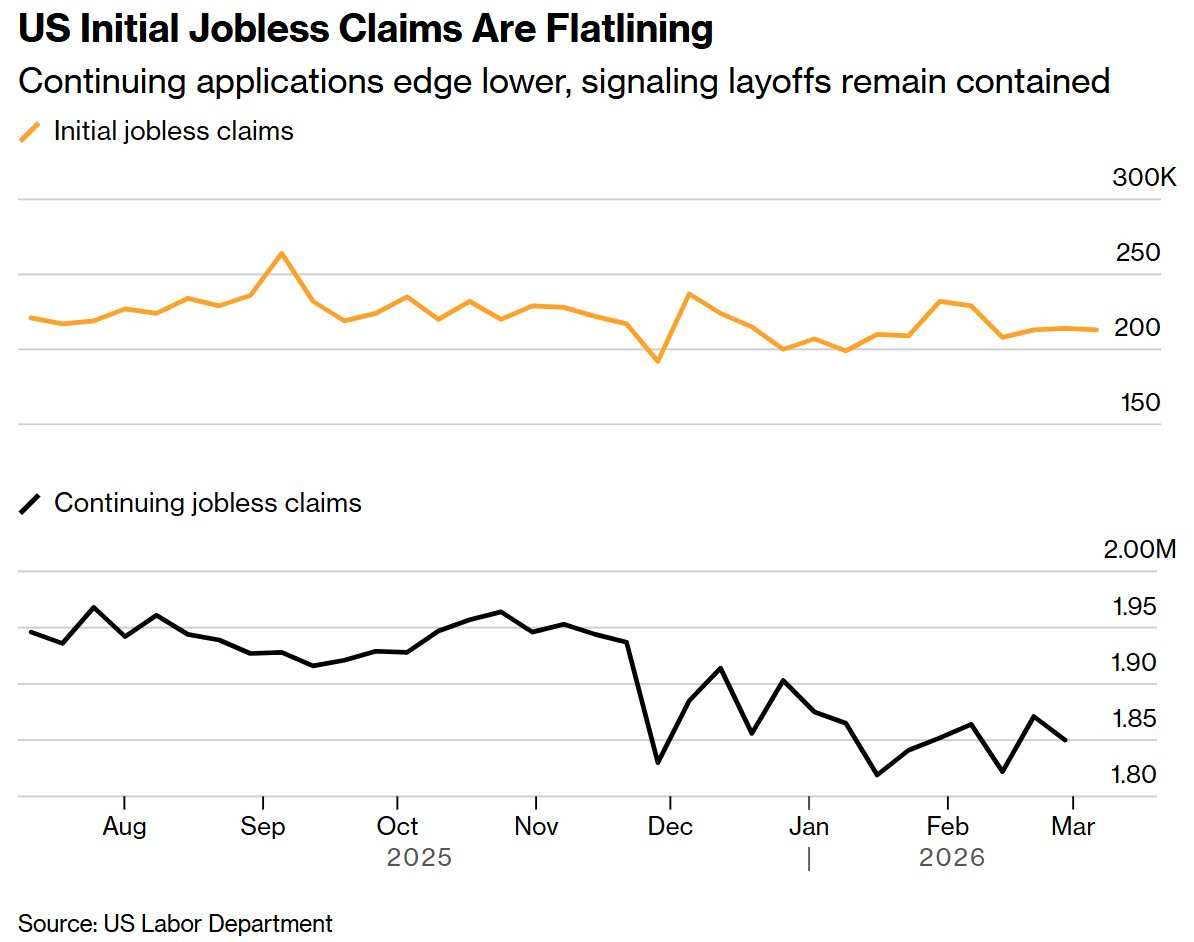
U.S. labor market stability in early March 2026 presents a critical financial optimization window for cross-border e-commerce sellers. The Department of Labor reported initial jobless claims at 213,000 for the week ending March 7, 2026—slightly below economist forecasts of 215,000 and marking the third consecutive week of relative stability. Continuing claims fell 21,000 to 1.85 million, down from near post-pandemic highs of 2 million in fall 2025, indicating employers are retaining workforces rather than implementing mass layoffs. This "sluggish but generally stable" labor market environment, as characterized by chief economists Lou Crandall (Wrightson ICAP) and Richard Moody (Regionals Financial Corp.), directly impacts consumer spending capacity and e-commerce transaction volumes.
For cross-border sellers, this labor market data unlocks immediate payment and financing optimization opportunities. Stable employment correlates with predictable consumer discretionary spending on imported goods, allowing sellers to confidently extend payment terms and negotiate better rates with cross-border payment providers. With 213,000 weekly claims well below the 300,000-400,000 stress threshold, consumer confidence remains intact, supporting sustained e-commerce platform traffic and order volumes. The four-week moving average of 212,000 claims (versus expectations of 215,000) provides reassurance that February's 92,000 job losses were statistical anomalies rather than structural deterioration, reducing recession risk premiums on currency hedging and trade finance products.
Currency and shipping cost implications are substantial. The stable labor market reduces Federal Reserve pressure for aggressive rate cuts, stabilizing USD valuations against major trading currencies (EUR, GBP, CNY). Spot gold traded at $5,174.06/oz on March 7, nearly flat after initial losses were erased by the jobless claims announcement—demonstrating how employment data directly influences precious metals and broader economic sentiment. For sellers with USD-denominated costs and foreign currency revenues, this stability enables more accurate FX hedging strategies and reduces the volatility premiums charged by payment processors. International shipping costs, which correlate with fuel prices and economic sentiment, should remain relatively stable through Q2 2026 given the contained labor market deterioration.
Strategic financial moves for sellers: (1) Payment Cost Savings: Lock in cross-border payment rates now while consumer demand confidence remains high—providers like Wise, Stripe, and PayPal typically offer 1-2% better rates during stable economic periods versus uncertainty phases. (2) Working Capital Acceleration: Implement invoice financing or supply chain financing products targeting 30-45 day payment cycles; lenders like Fundbox and Clearco are actively pricing deals at 4-6% APR for sellers with stable demand signals. (3) FX Risk Management: Consider 60-90 day forward contracts on EUR/USD and GBP/USD at current rates (approximately 1.08-1.27 ranges) to lock in margins before potential Fed policy shifts. (4) Inventory Financing: The stable demand environment supports PO financing and inventory loans at 6-8% APR from providers like Flexport and Shopify Capital, enabling 20-30% inventory expansion without cash outlay.
Questions 8
What payment processing fee savings are available during stable labor markets?
During periods of labor market stability like March 2026, cross-border payment providers reduce risk premiums and offer 1-2% better rates than during economic uncertainty. Wise charges 0.5-1.5% for USD-to-EUR transfers (versus 2-3% during volatility), while Stripe's cross-border rates drop to 1.5-2.5% from typical 2.5-3.5%. Sellers should negotiate annual contracts with providers now, locking in rates before potential Fed policy shifts. For $100K monthly cross-border volume, this represents $1,200-2,400 annual savings—equivalent to 0.5-1% margin improvement.
How do jobless claims at 213K affect cross-border seller demand forecasting?
Jobless claims at 213,000 for the week ending March 7, 2026—below the 215,000 economist forecast—signal sustained consumer purchasing power for discretionary imports. When claims remain below 300,000, e-commerce platforms typically see stable order volumes and conversion rates. Sellers should use this data to confidently plan inventory for Q2 2026, as stable employment supports continued discretionary spending on fashion, electronics, and home goods categories. Monitor weekly claims releases (every Thursday) as an early warning system; increases above 250,000 would signal demand softening within 4-6 weeks.