

)
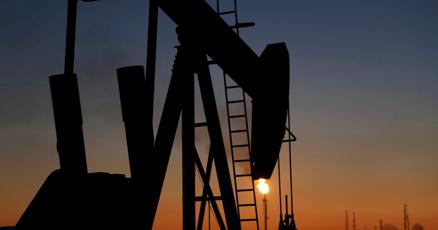
Strait of Hormuz Crisis: Largest Oil Disruption in History Reshapes Shipping Costs and Supply Chain Strategy for Cross-Border Sellers
- IEA releases 400M barrels as Hormuz transit collapses from 20M to minimal barrels daily; sellers face 8-15% logistics cost increases and extended lead times through Q2 2026
















Overview
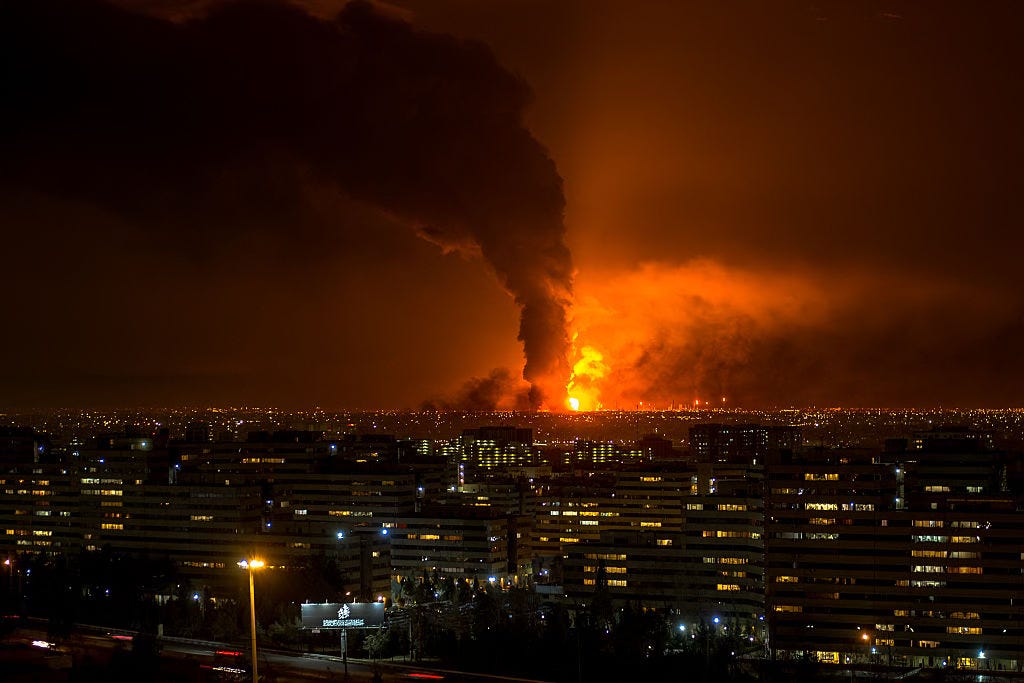
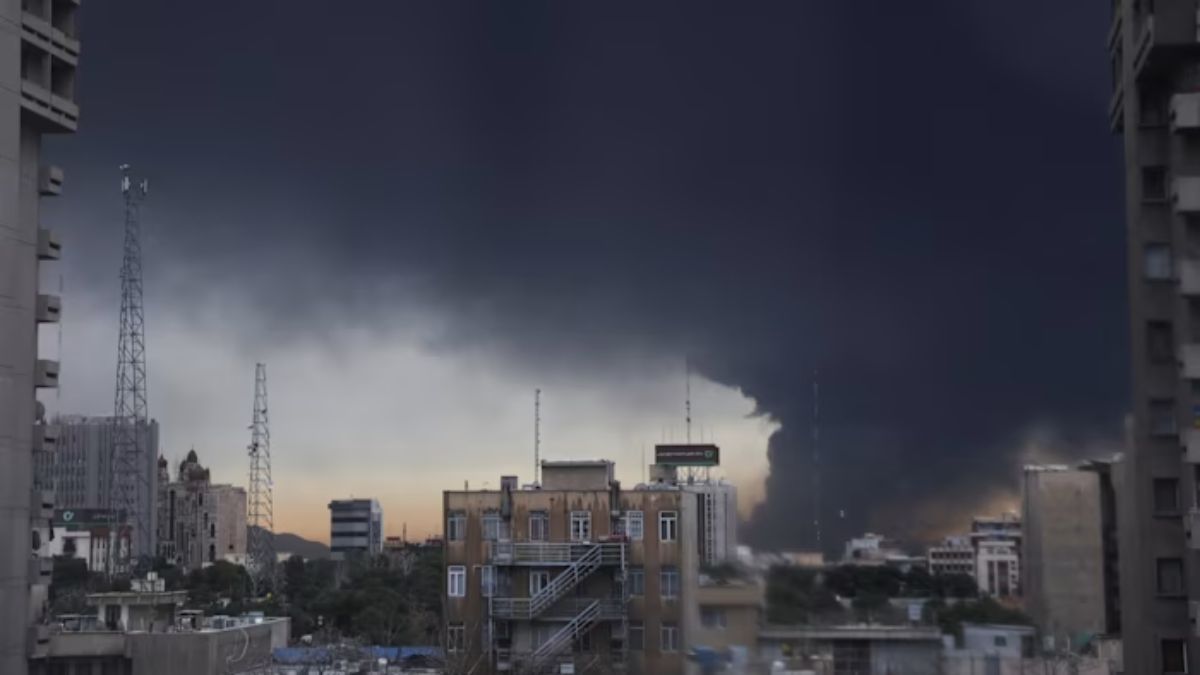
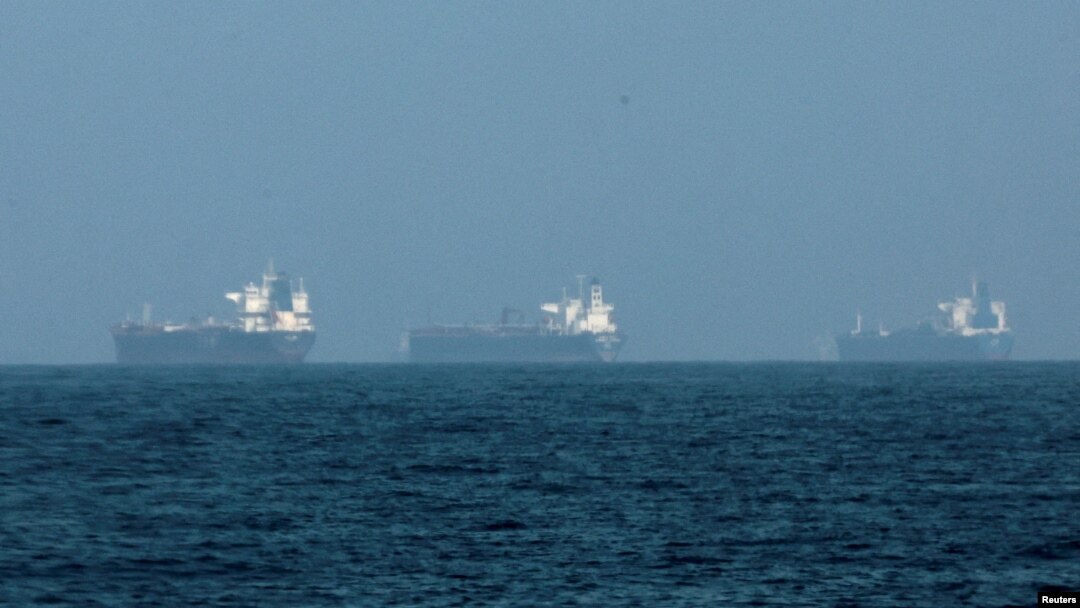
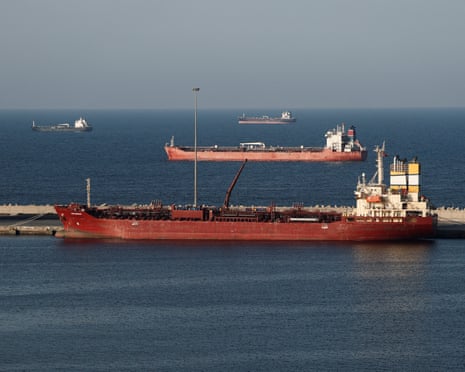
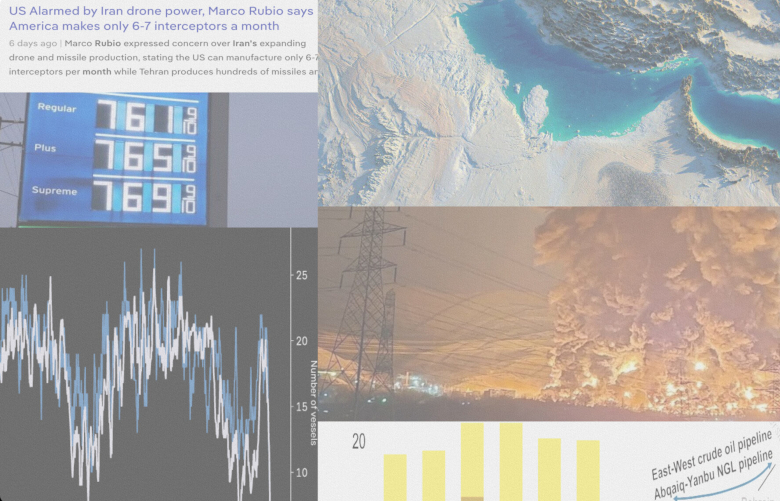
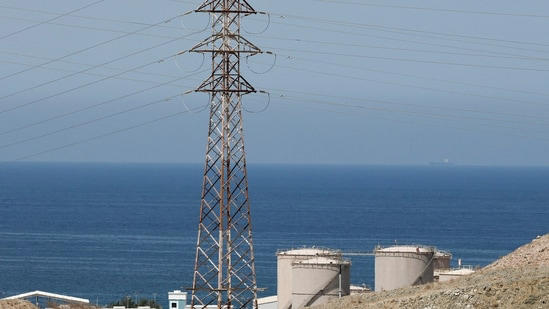
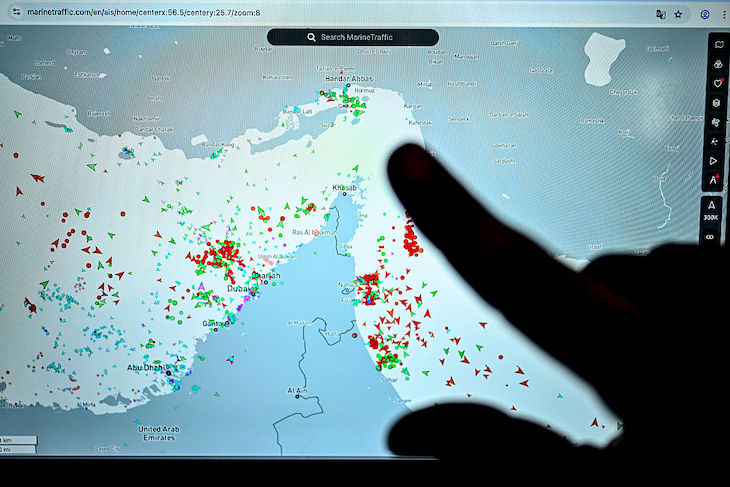
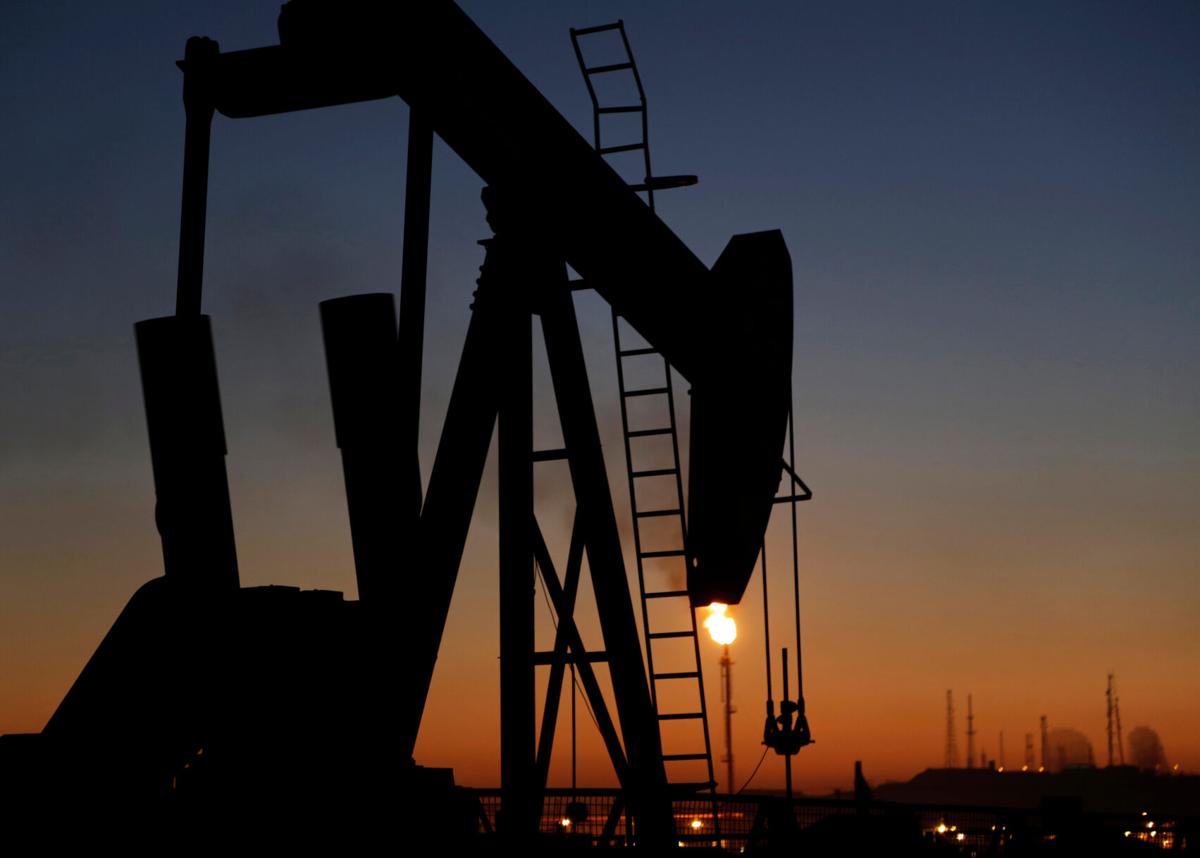
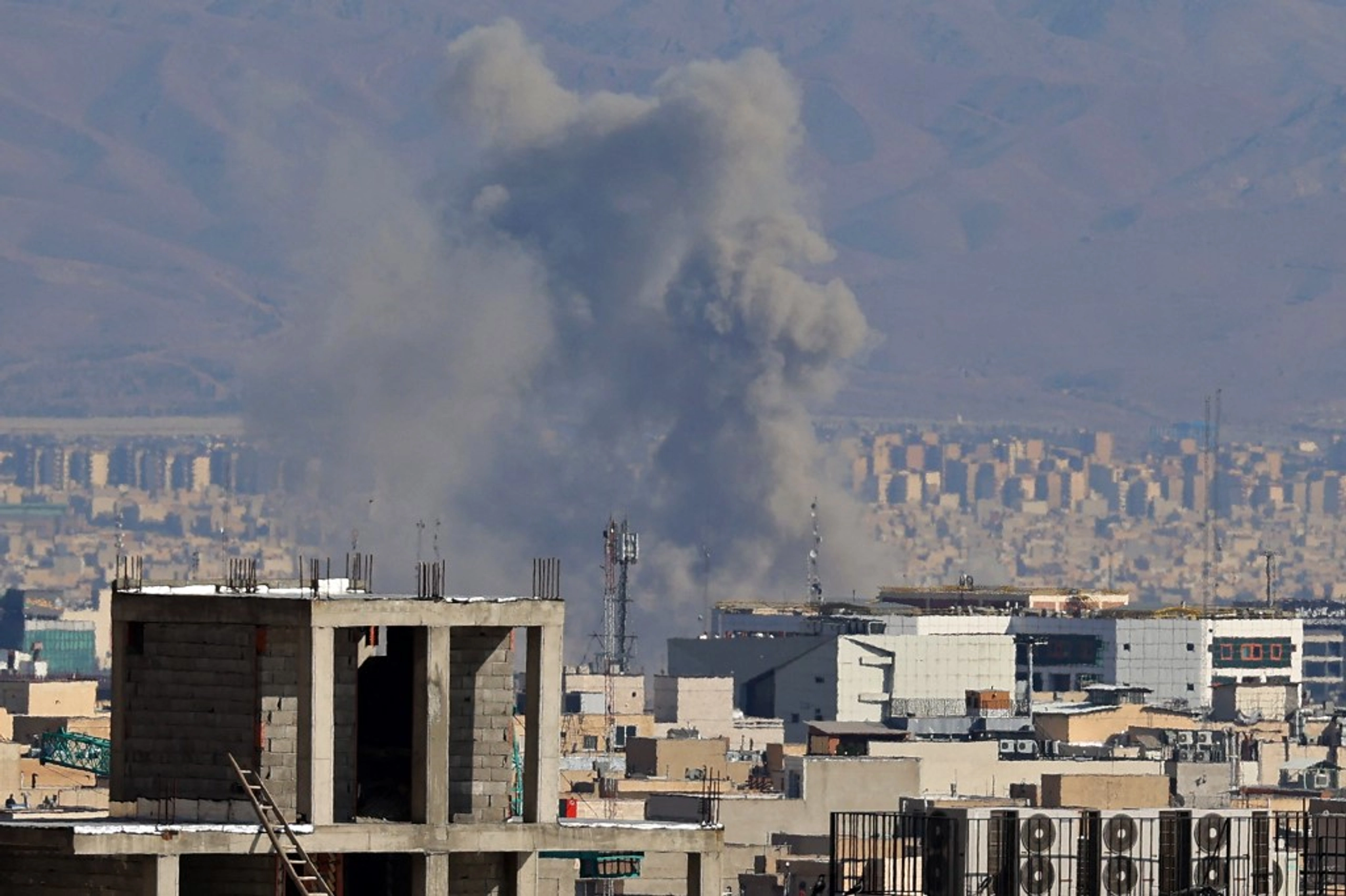
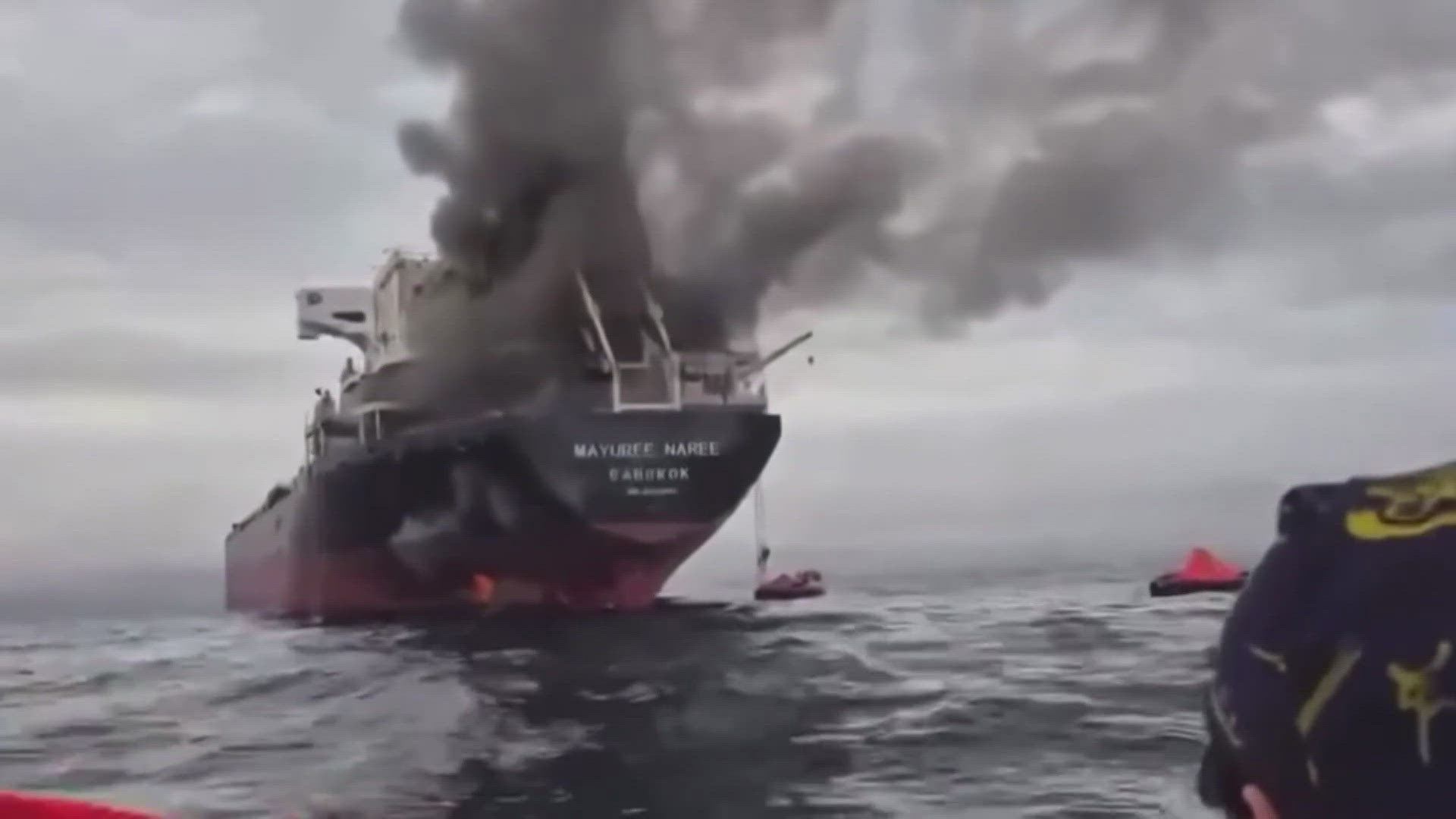
The March 12, 2026 escalation of the Iran-Israel conflict has triggered the largest oil supply disruption in global market history, according to the International Energy Agency. The Strait of Hormuz—through which approximately 20 million barrels of oil and one-fifth of global LNG transited daily before the conflict—has experienced a dramatic collapse to minimal traffic following Iranian attacks on tankers and energy infrastructure. In response, 32 IEA member states unanimously released 400 million barrels from strategic petroleum reserves, the largest coordinated intervention since Russia's 2022 Ukraine invasion.
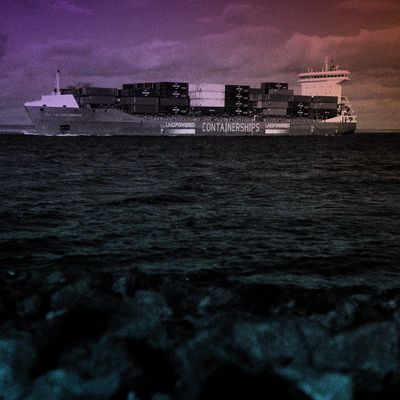
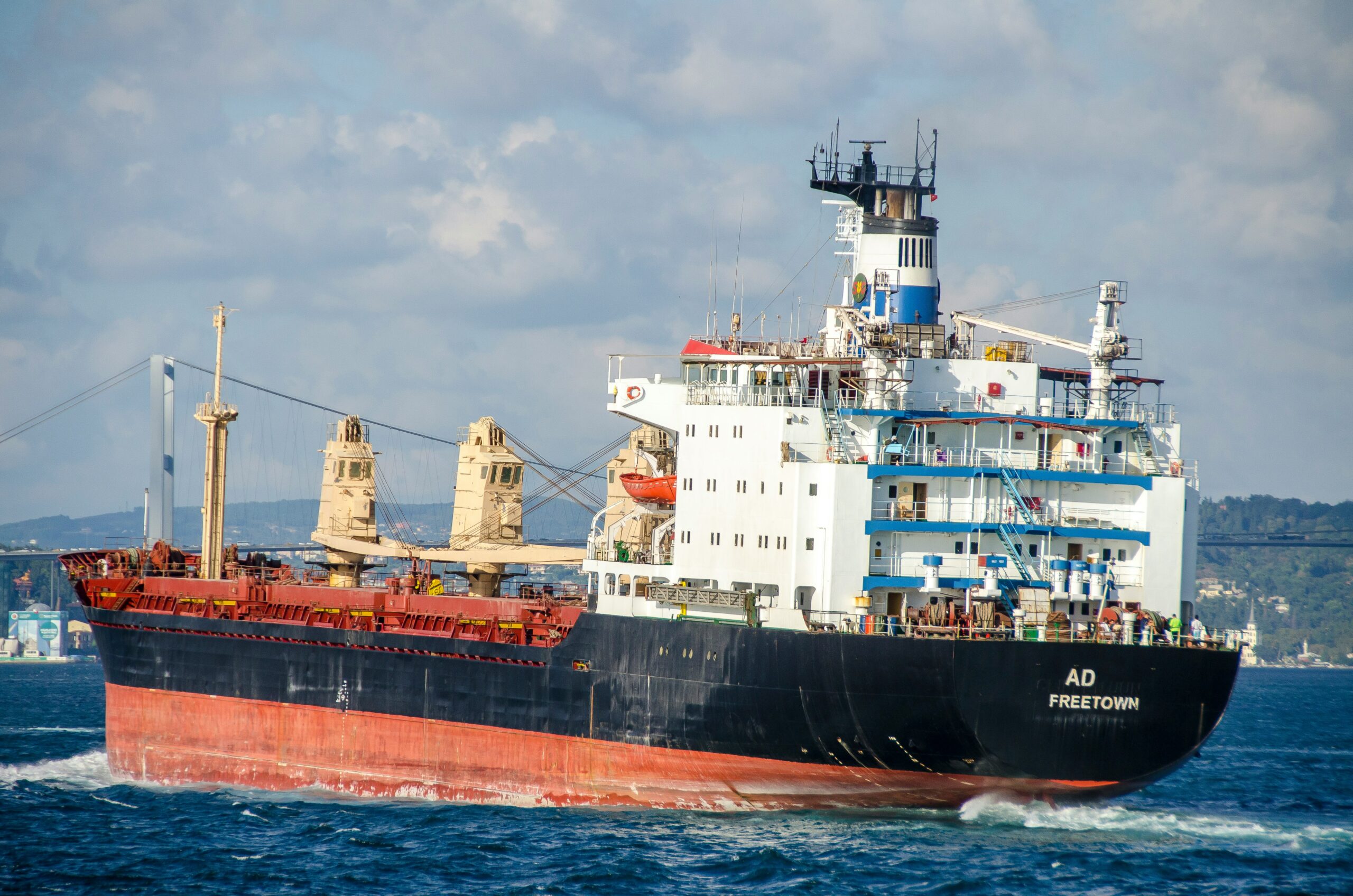
For cross-border e-commerce sellers, this geopolitical shock creates immediate and sustained operational challenges. Rising energy costs directly compress profit margins across all product categories, with fuel surcharges on international shipments expected to increase substantially. Ocean freight from Asia to North America and Europe—the primary sourcing corridors for e-commerce sellers—faces 8-15% cost increases, while air freight premiums could spike 20-30% for time-sensitive inventory. Sellers relying on just-in-time inventory models face particular vulnerability, as supply chain disruptions extend lead times for replenishment by 2-4 weeks, forcing inventory adjustments and safety stock increases.
Market analysis suggests current stability masks underlying risks. Oil prices currently hover around $100 per barrel—significantly lower than historical crisis peaks ($179 in 1979, $155 in 1980, $180 in 2011, $130 in 2022)—creating false confidence in a short-term resolution. However, analyst James Mackintosh warns that market participants are underestimating conflict duration and severity. Expert Ariel Cohen predicts the conflict may continue for weeks rather than months, with structural advantages favoring Western powers through military capacity, strategic reserves, and alternative supply sources from Africa and Latin America.
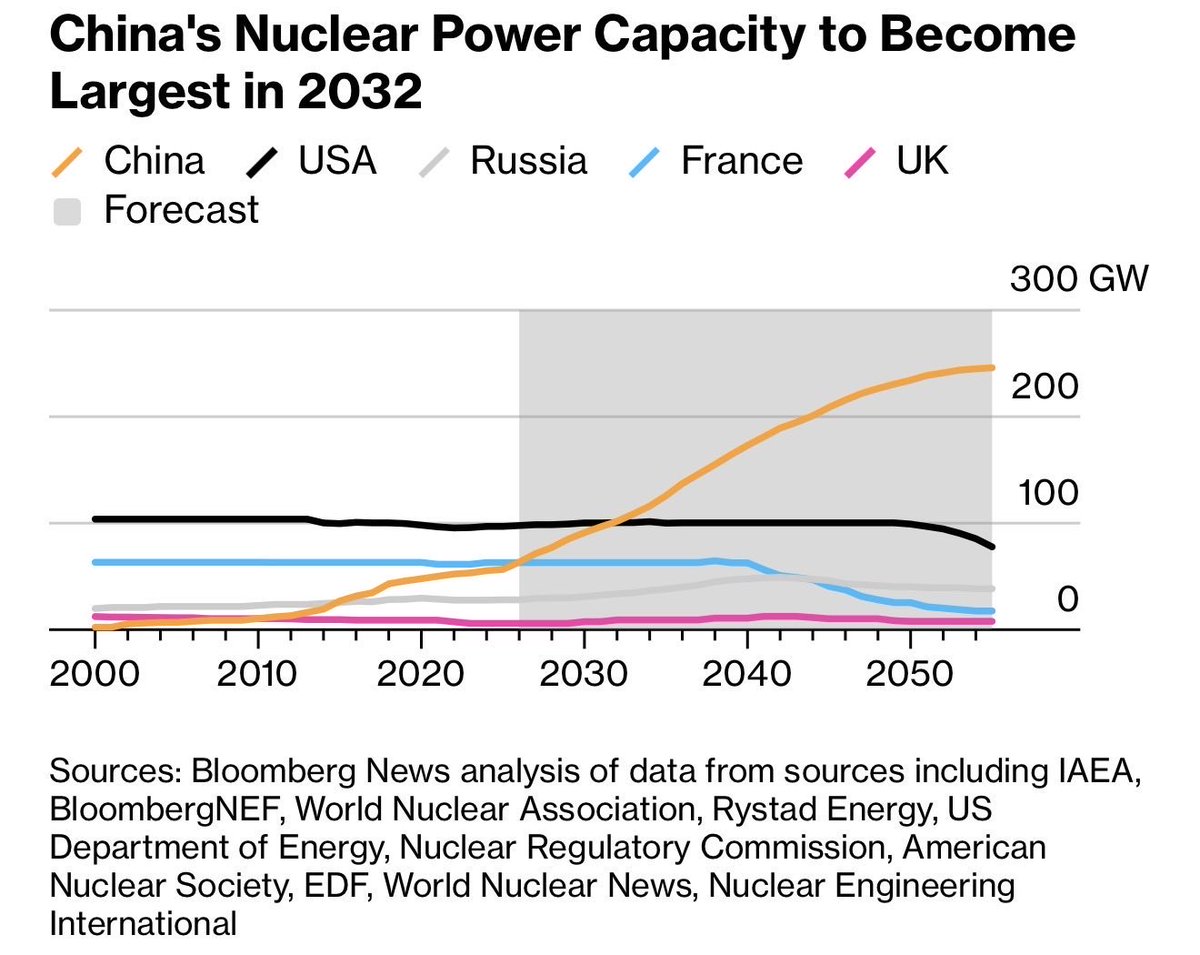
The downstream impact extends beyond energy costs. Gulf national oil companies supply major volumes of industrial commodities including fertilizers—more than one-third of internationally traded urea and nearly half of global sulphur exports transit the Strait of Hormuz. These fertilizers are essential to approximately half of global crop production. Rising agricultural input costs will pressure food prices globally, reducing consumer purchasing power in price-sensitive markets and dampening demand for discretionary e-commerce categories. China, which consumes 90% of Iran's crude exports and accounts for roughly one-quarter of global oil imports, faces disproportionate impact, potentially reshaping regional trade patterns and sourcing strategies.
Strategic implications for sellers: The 1.1-1.4 billion barrels in global strategic petroleum reserves provide short-term cushioning, but prolonged disruptions during the northern hemisphere planting season (March-May 2026) will pressure agricultural commodity prices and shipping costs simultaneously. Sellers should anticipate higher logistics costs persisting through Q2 2026 and consider adjusting pricing strategies, diversifying shipping routes and 3PL partners, and monitoring energy market developments closely for policy changes affecting critical maritime corridors.
Questions 8
What pricing strategy should sellers adopt during this oil crisis?
Implement tiered pricing adjustments: increase prices 3-5% immediately for new inventory purchases to reflect fuel surcharges, while maintaining current pricing on existing stock to avoid customer backlash. For high-margin categories (25%+ margins), absorb 1-2 percentage points of cost increases to maintain competitiveness. For low-margin categories (under 15% margins), pass through 60-80% of cost increases to customers through selective price increases on best-selling SKUs. Monitor competitor pricing weekly and adjust dynamically as oil prices fluctuate. Consider offering expedited shipping at premium rates (15-25% markup) to offset air freight cost increases. Communicate transparently with customers about temporary price adjustments due to geopolitical supply chain disruptions—research shows 60%+ of consumers accept temporary price increases when explained clearly.
Should sellers shift sourcing away from China due to the Hormuz crisis?
Short-term sourcing shifts are not recommended, as the conflict is predicted to last weeks rather than months. However, sellers should diversify supplier bases to reduce concentration risk: consider Vietnam (15-20% of sourcing), India (10-15%), and Southeast Asia (10-15%) alongside China (50-60%) for non-time-sensitive categories. China consumes 90% of Iran's crude exports and accounts for roughly one-quarter of global oil imports, making it disproportionately affected by Hormuz disruption. For time-sensitive inventory, consider nearshoring to Mexico or Central America to reduce shipping distances and fuel surcharge exposure. Strategic petroleum reserves (1.1-1.4 billion barrels) provide cushioning through Q2 2026, but prolonged disruptions could justify permanent sourcing diversification.