




Google Maps AI Transforms Local Discovery | 3B Users, Seller Opportunity
- Gemini-powered Ask Maps reaches 3 billion monthly users across US/India; enables AI-driven local business discovery with 300M places indexed; creates urgent opportunity for sellers to optimize local listings and capture conversational search traffic before competitive saturation


















Overview
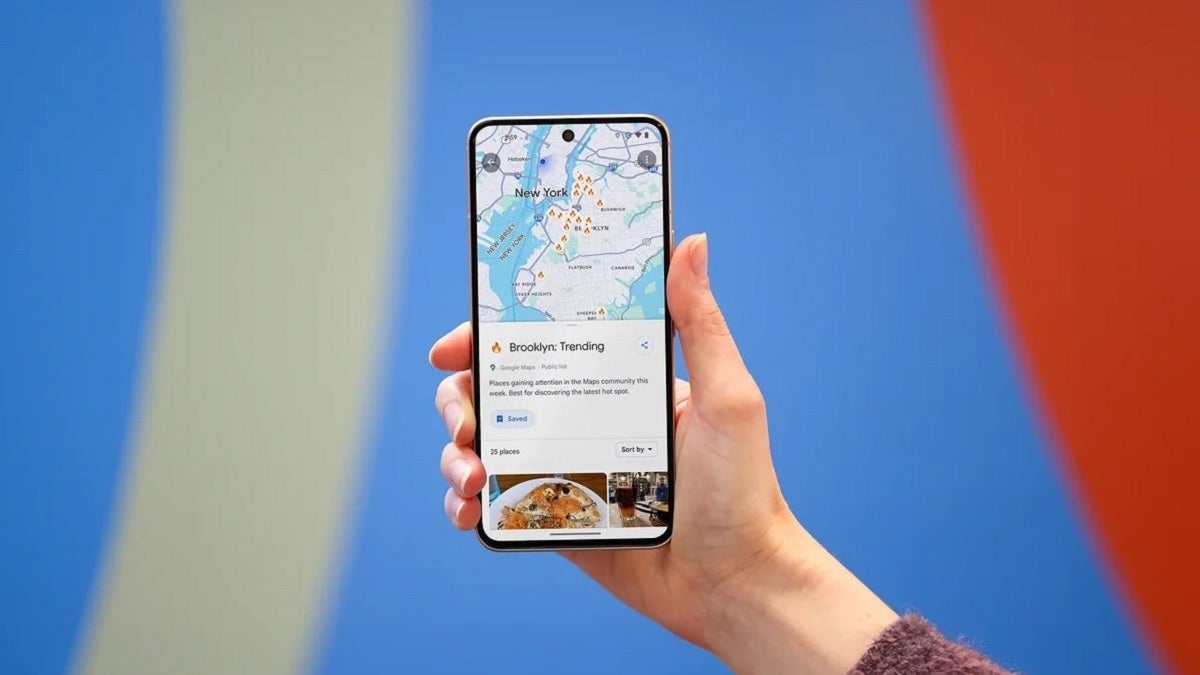
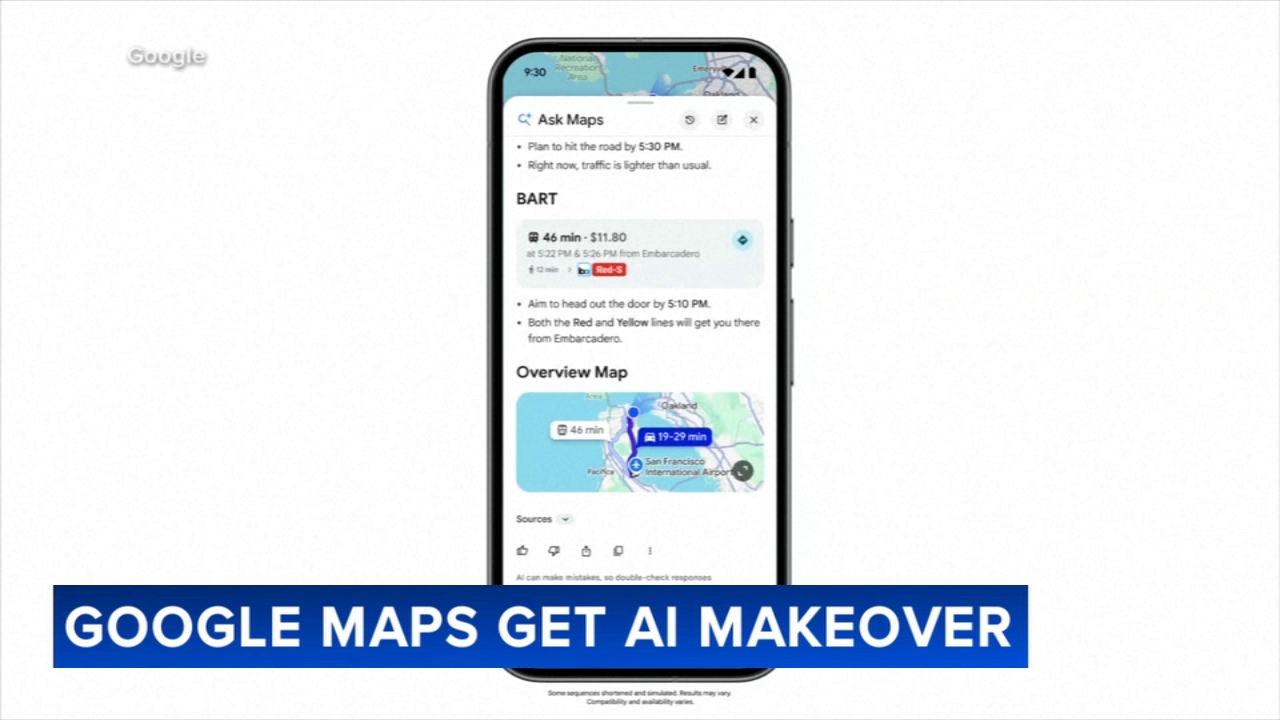
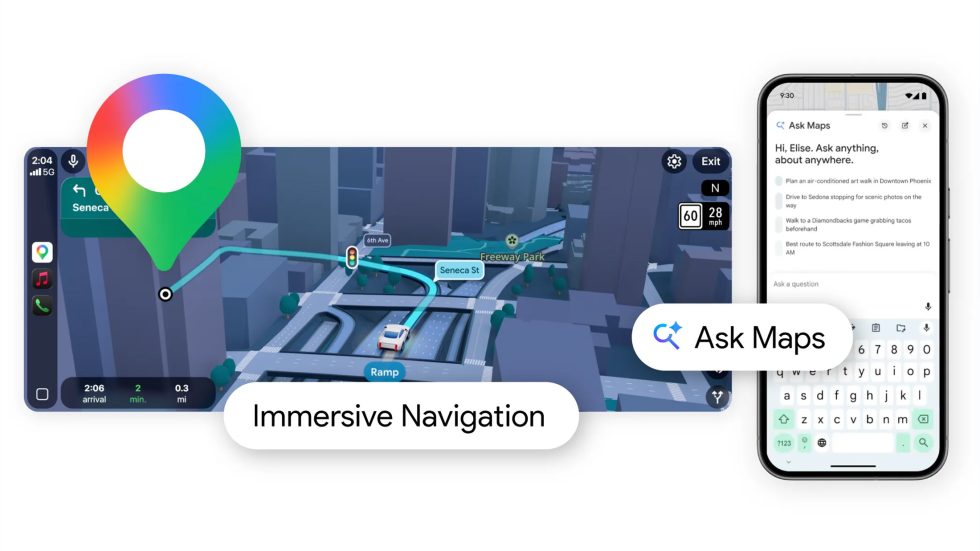
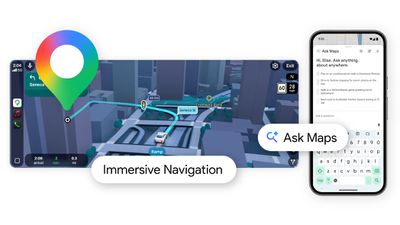
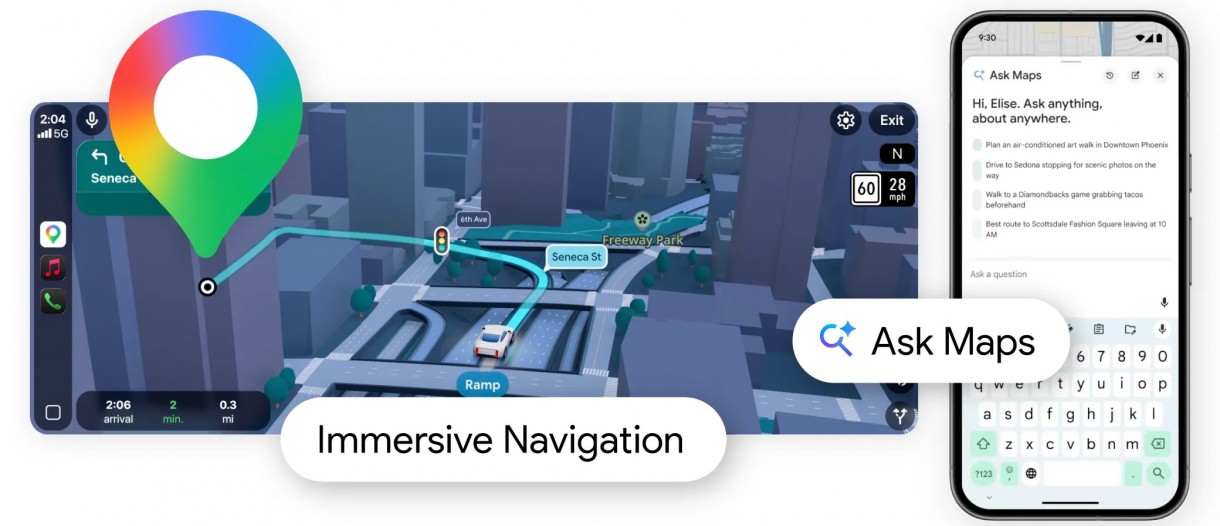
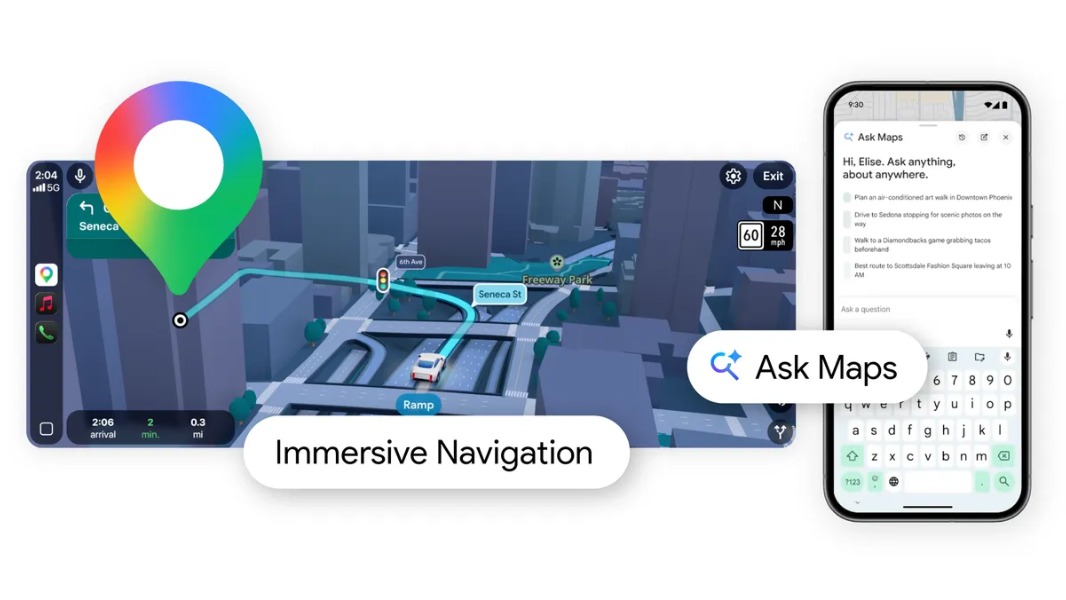
Google's March 2026 Maps overhaul represents a fundamental shift in how 3 billion monthly users discover local businesses, creating immediate automation and competitive intelligence opportunities for e-commerce sellers. The rollout of Ask Maps—powered by Gemini AI—transforms Maps from a navigation tool into a conversational discovery platform that analyzes 300 million places and 500 million community reviews to answer complex, natural-language queries like "Where can I charge my phone without waiting?" or "Are there lit tennis courts available tonight?" This shift directly impacts sellers across multiple categories: local service providers (salons, restaurants, fitness centers), product retailers with physical locations, and marketplace sellers whose products appear in local search results.
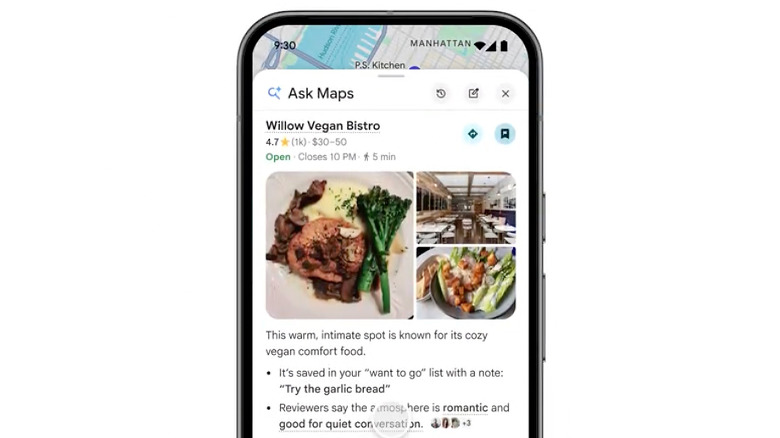
The automation opportunity is immediate and substantial. Sellers can now use AI tools to automatically optimize their Google Business Profile listings for conversational queries—extracting common customer questions from reviews, social media, and support tickets, then embedding natural-language answers into business descriptions and attributes. Tools like ChatGPT, Claude, and specialized platforms like Semrush's AI Content Marketing can generate 50-100 optimized Q&A variations in under 2 hours, compared to 10-15 hours of manual work. This represents 85-90% time savings for local business optimization. Additionally, sellers should immediately audit their listings for "Ask Maps" readiness: ensuring photos are high-quality (Ask Maps displays visual results), reviews are current (500M community contributors feed the algorithm), and business attributes are complete (operating hours, amenities, dietary options all influence conversational responses).
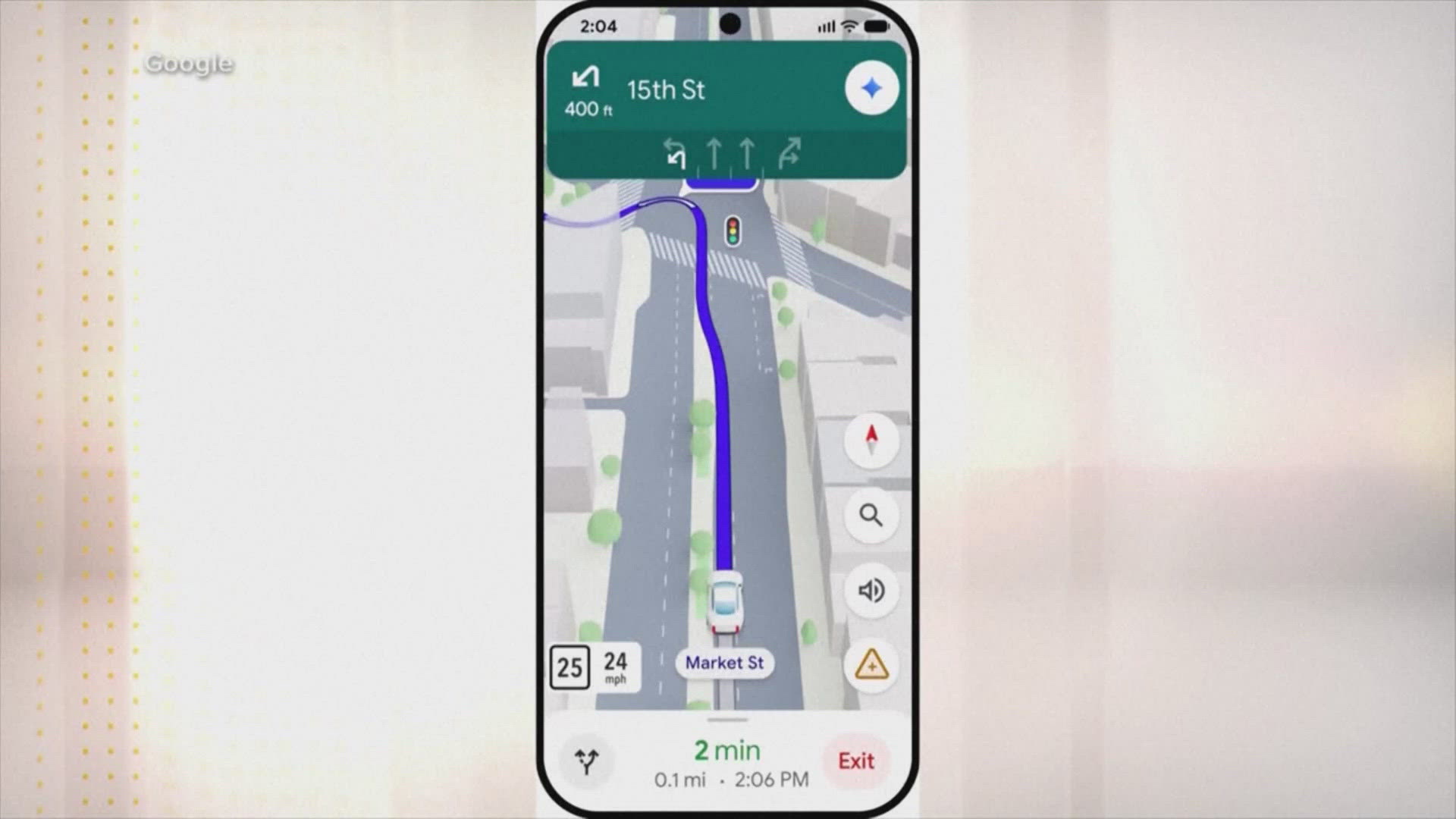
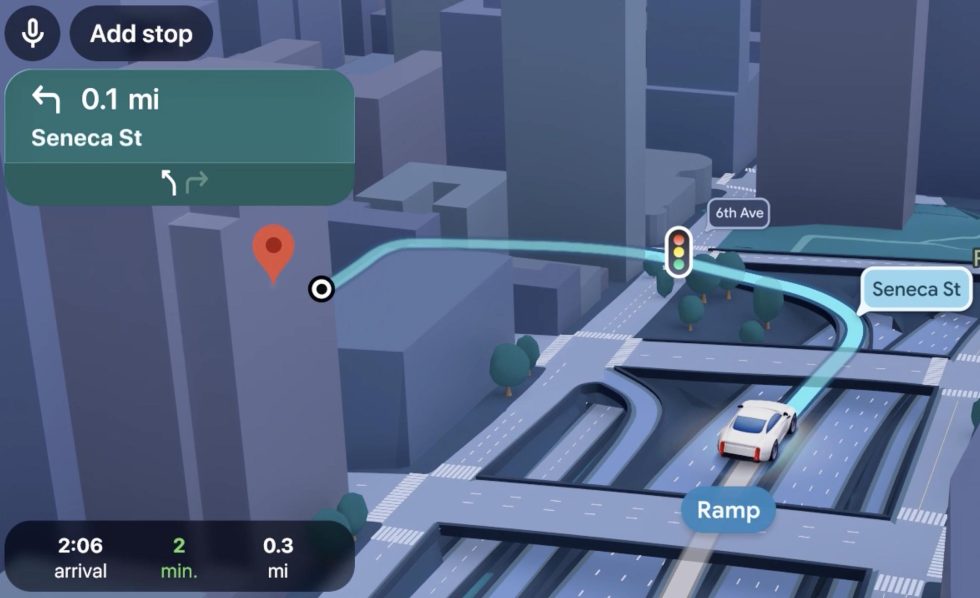
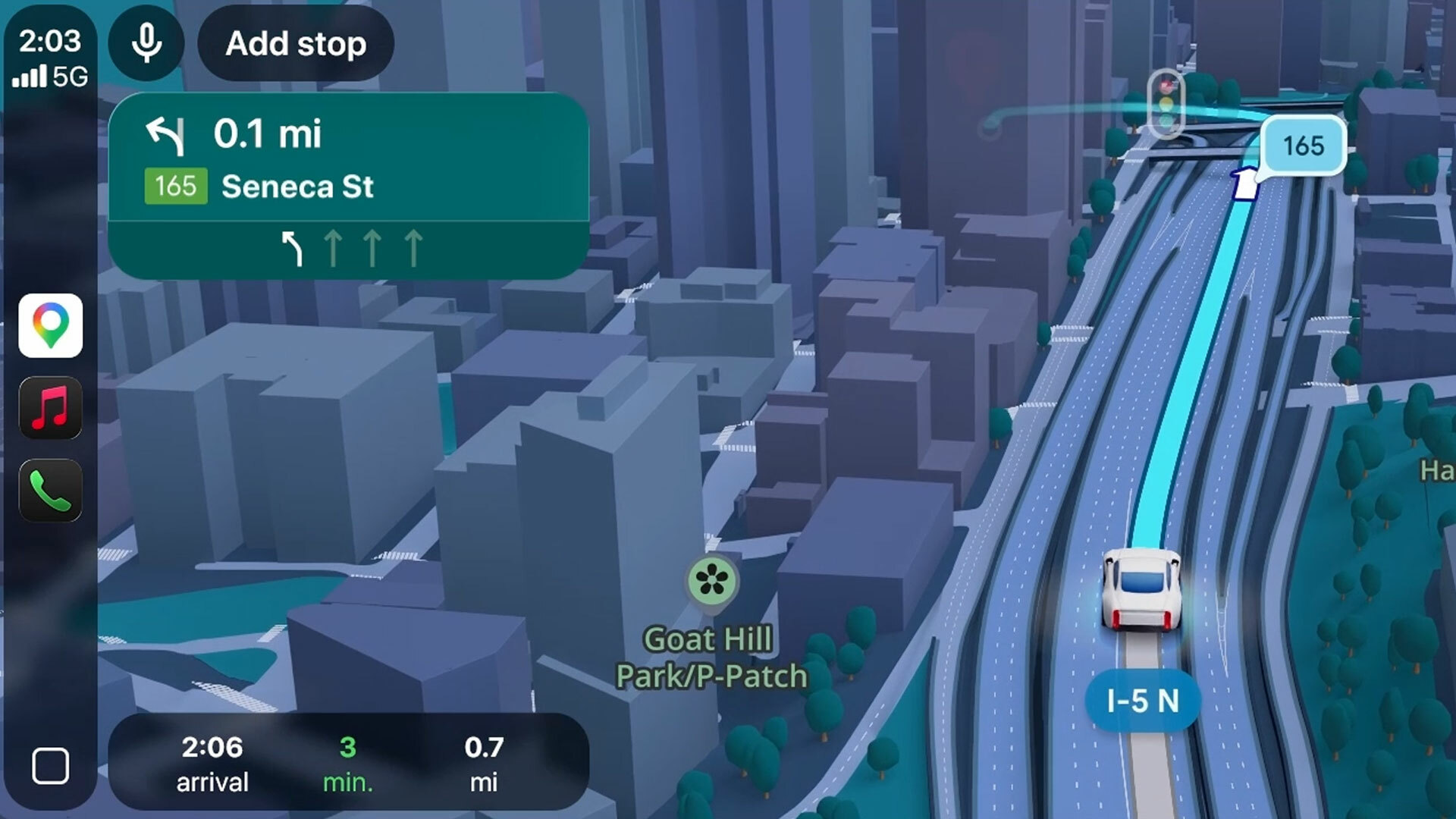
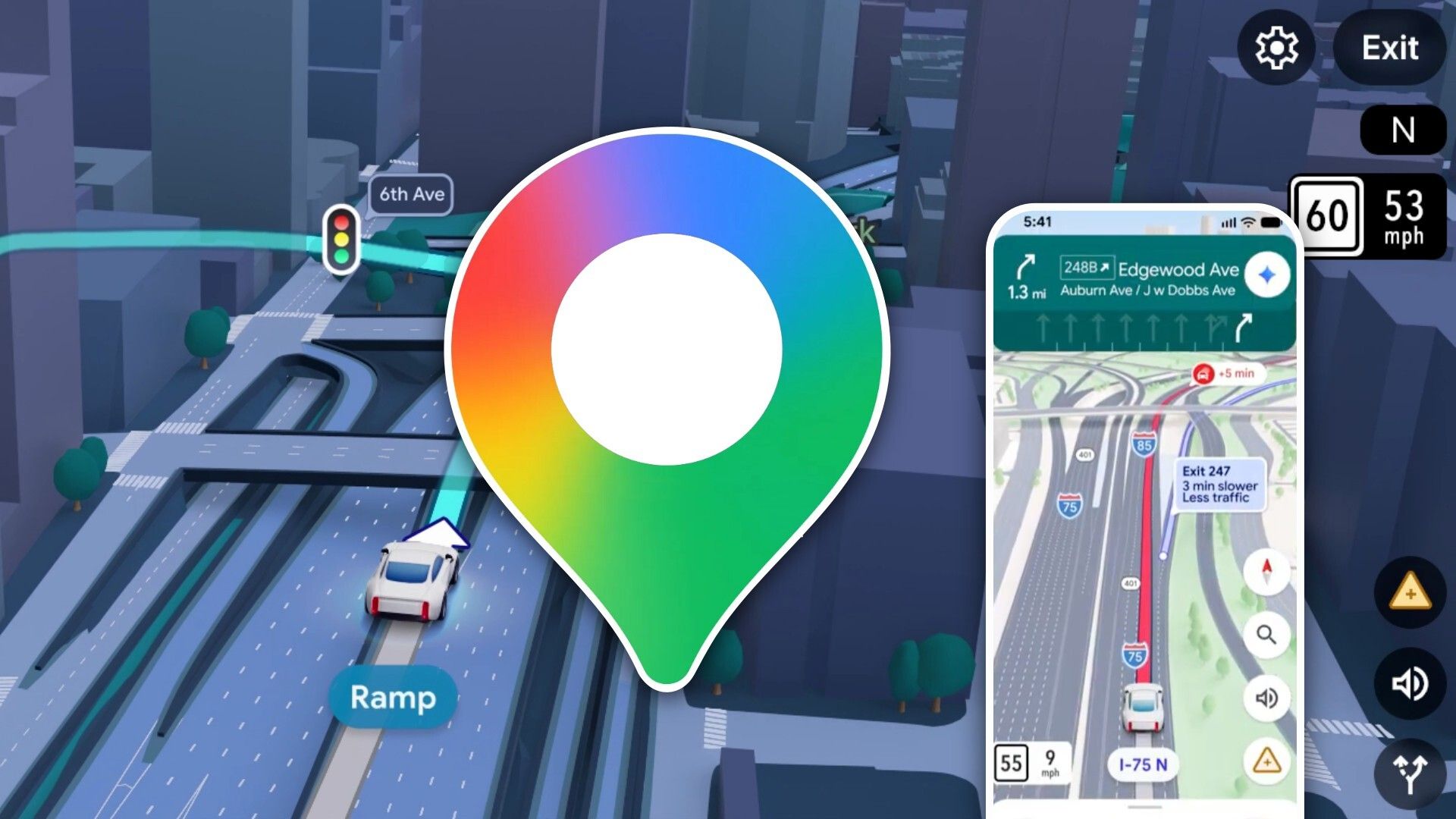
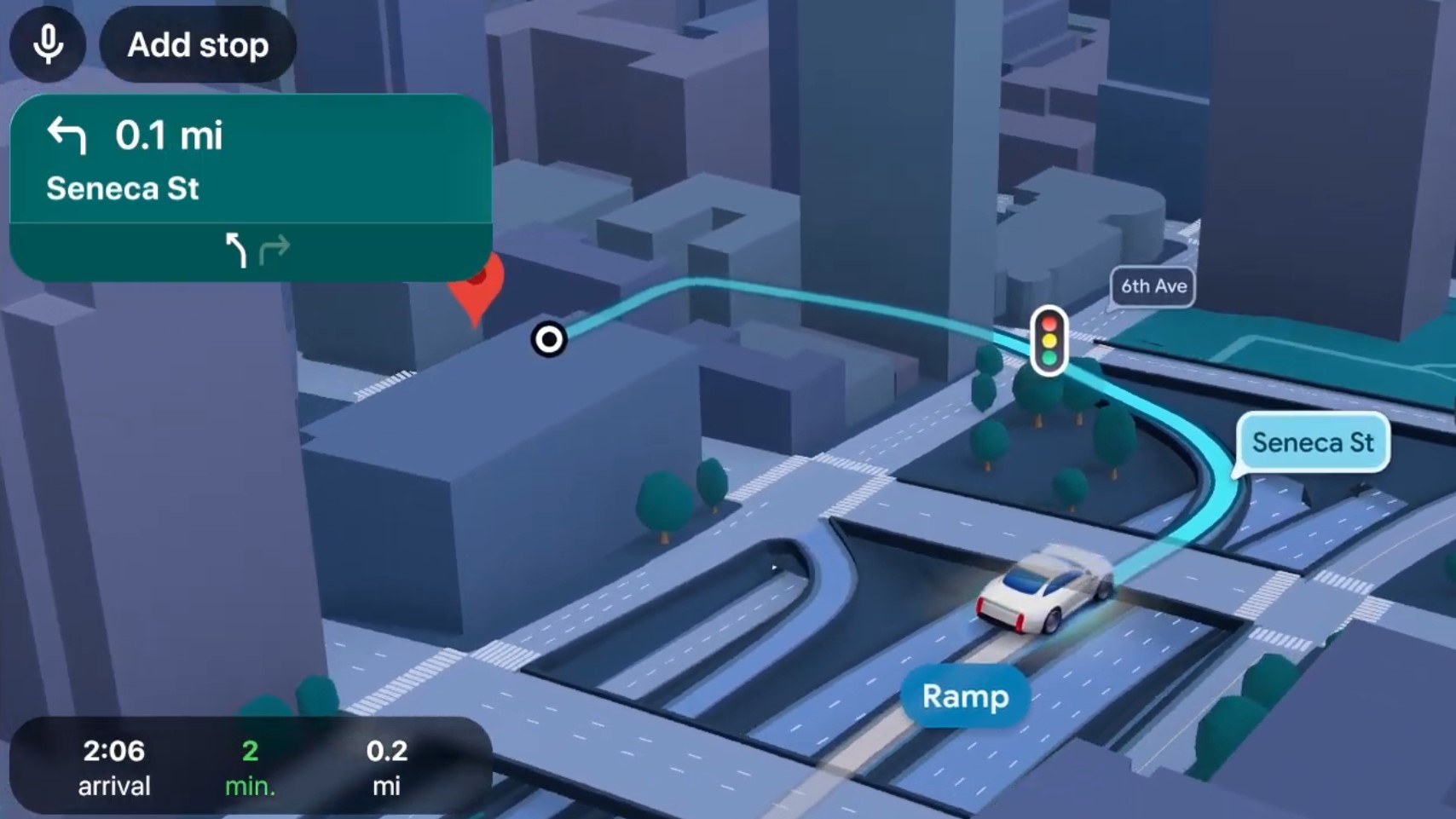
Data-driven competitive intelligence reveals hidden opportunities. By analyzing Ask Maps query patterns through Google Search Console and Maps analytics, sellers can identify emerging local demand signals 4-6 weeks before traditional keyword research surfaces them. For example, if Ask Maps shows 40% month-over-month growth in queries like "sustainable fitness studios" or "vegan-friendly restaurants," sellers can pivot inventory and marketing accordingly. The Immersive Navigation feature—with its 3D visuals, parking recommendations, and building entrance highlights—creates a new ranking factor: visual prominence. Sellers with professional photography and clear storefront visibility will capture disproportionate traffic. Early adopters using AI to generate 360-degree product photography and storefront visualizations will establish competitive moats lasting 6-12 months before competitors catch up.
The monetization timeline is critical. Google explicitly stated Ask Maps currently has no ads, but "hasn't ruled out future monetization." This 6-12 month window represents a free-traffic opportunity before sponsored listings and promoted placements launch. Sellers should aggressively optimize listings NOW while organic visibility is highest. Once Google introduces "Ask Maps Ads" (estimated Q3-Q4 2026), cost-per-click will likely range $0.50-$2.00 for local service categories, creating a new advertising channel competing with Google Local Services Ads ($15-50 per lead). Sellers who establish strong organic rankings before monetization launches will maintain traffic advantages even after paid options emerge.
Questions 8
What competitive intelligence can sellers extract from Ask Maps to outpace competitors?
Sellers can use Ask Maps to reverse-engineer competitor strategies: (1) Search competitor business names and analyze which attributes/reviews Google highlights in Ask Maps responses (reveals their strongest differentiators); (2) Identify gaps—if competitors rank for 'fast service' but lack 'parking availability' mentions, optimize your listing for parking; (3) Monitor competitor review sentiment using AI tools like MonkeyLearn to identify customer pain points you can address. This competitive analysis takes 2-3 hours per competitor using AI tools vs. 10+ hours manual research. Sellers who conduct quarterly competitive analysis typically identify 3-5 optimization opportunities per quarter, translating to 15-25% traffic increases annually.
How should multi-location sellers prioritize Ask Maps optimization across their portfolio?
Multi-location sellers should use AI-powered prioritization: (1) Identify high-traffic locations using Google Analytics and Maps analytics (which locations drive 60%+ of conversions); (2) Optimize these 20-30% of locations first for Ask Maps using automated tools (2-3 weeks); (3) Deploy learnings to remaining locations using templated, AI-generated content (1-2 weeks per 50 locations). This phased approach maximizes ROI—high-traffic locations typically see 30-50% traffic increases from optimization, justifying concentrated effort. Sellers managing 50+ locations should expect 8-12 weeks for full portfolio optimization using automation, compared to 6+ months manual work.