





Strait of Hormuz Crisis Drives 8-12% Shipping Cost Surge | Cross-Border Sellers Face Q1 2025 Margin Compression
- Brent crude surges to $100.46/barrel (March 12, 2026); container shipping rates spike 8-12% for international sellers; weeks-to-months disruption timeline threatens thin-margin product categories

















Overview
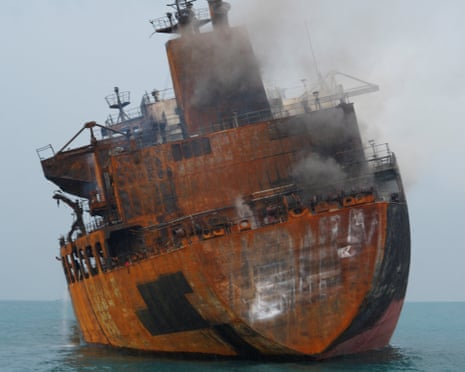
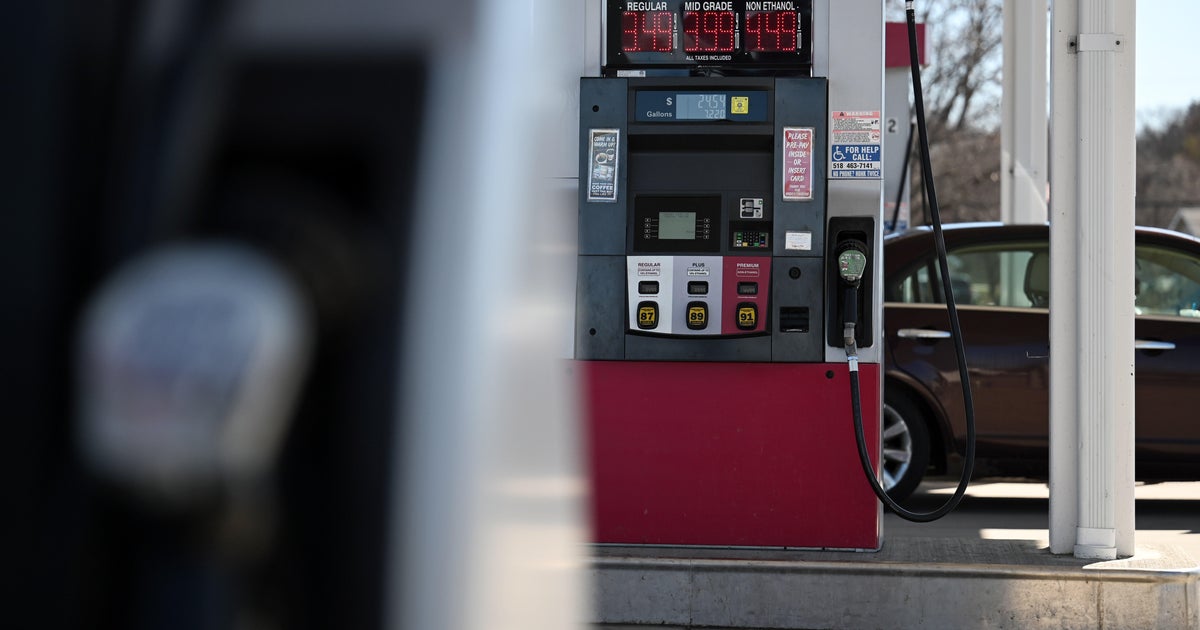
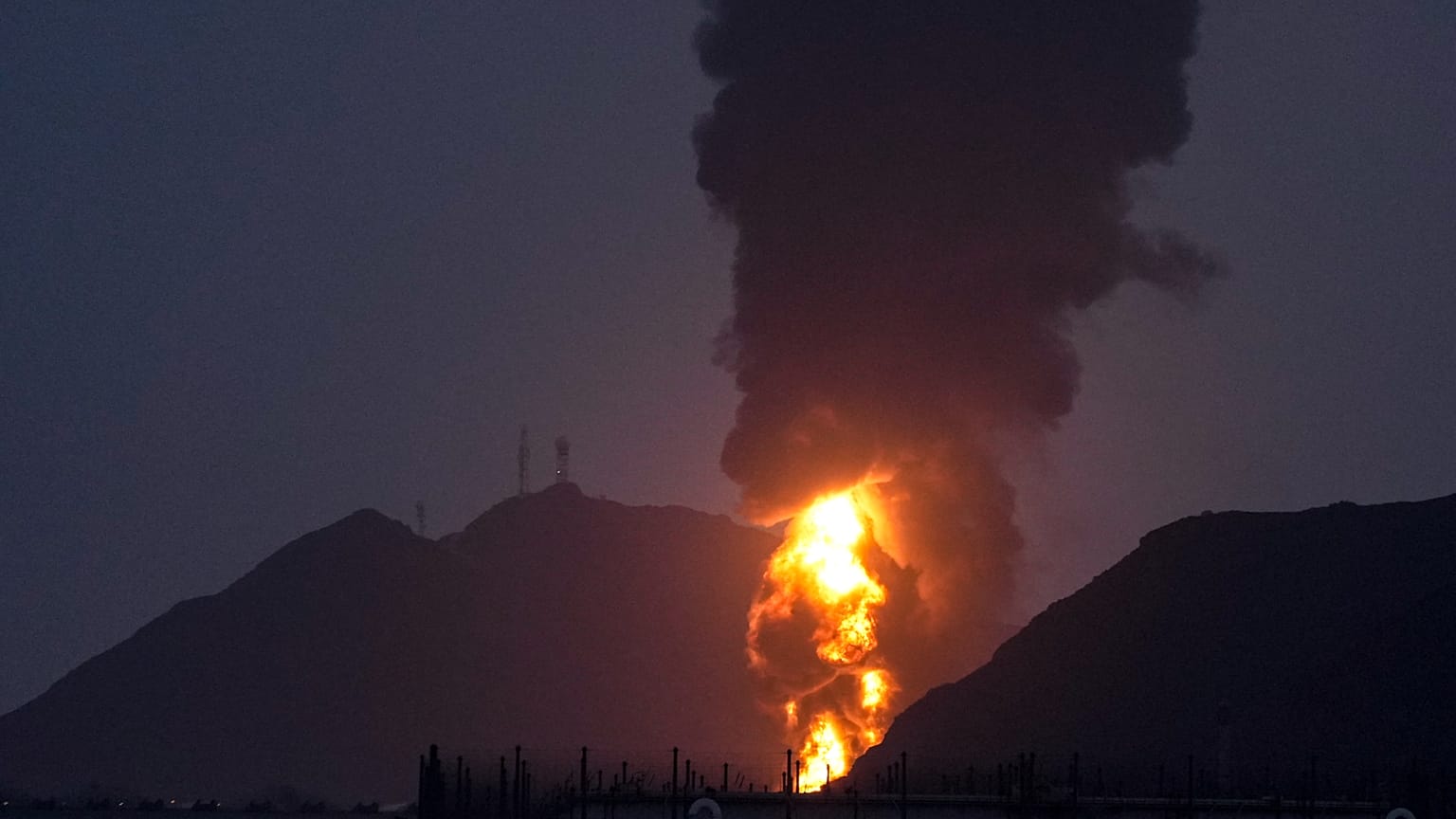
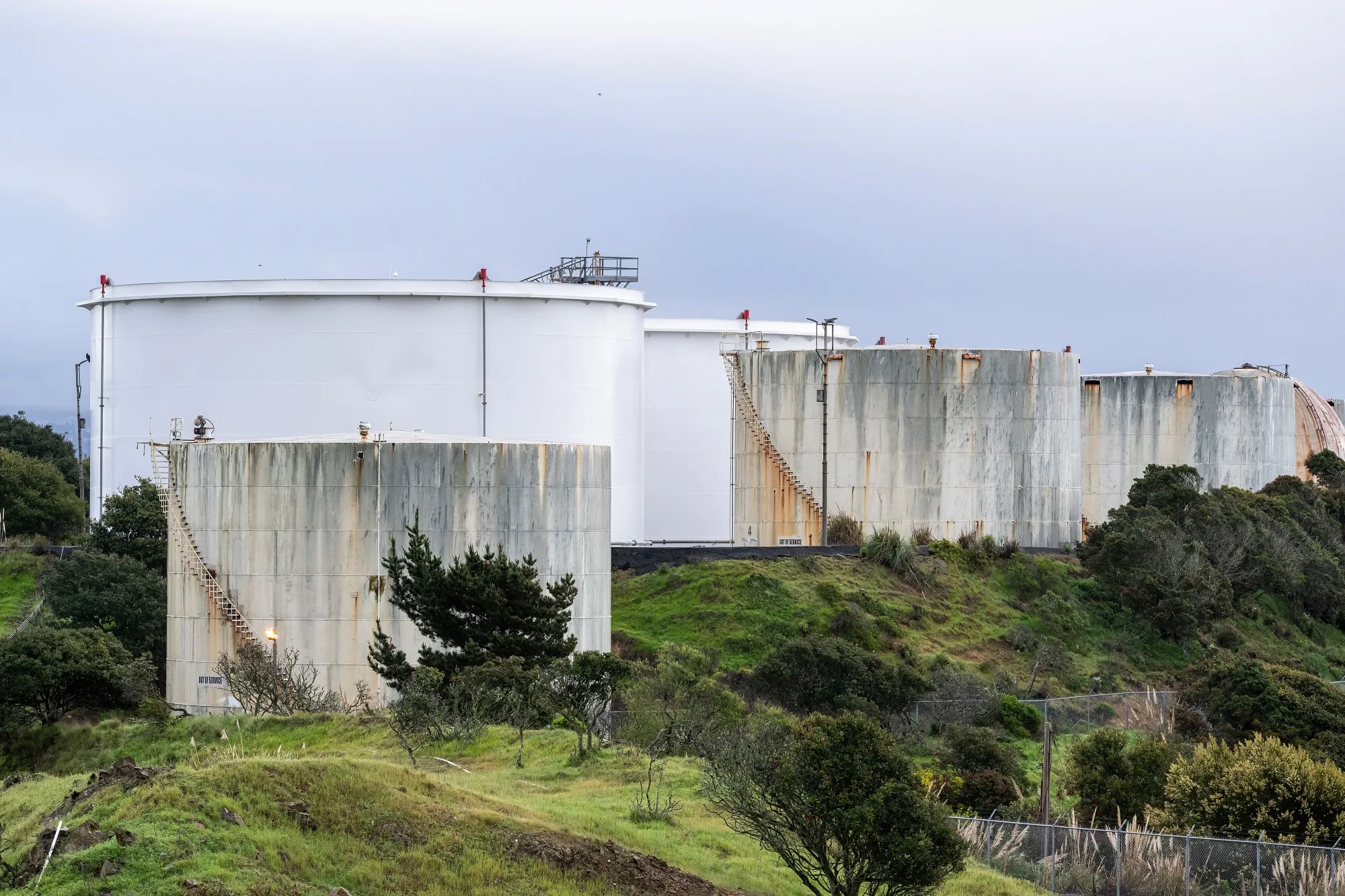
The Middle East geopolitical crisis is triggering a structural shift in cross-border e-commerce logistics costs, with immediate implications for Amazon FBA sellers, eBay merchants, and Shopify-based businesses managing global fulfillment networks. On March 12, 2026, Brent crude futures surged above $100 per barrel for the first time since 2022, settling at $100.46—up more than $9 in a single trading day. This spike directly correlates to escalating tensions in the Strait of Hormuz, through which approximately 21% of global petroleum passes. According to Rory Johnston (Commodity Context), even if the conflict ended immediately, it would take months to return to normal operations. Greg Priddy (former U.S. Energy Information Administration expert) warns that maintaining current supply disruptions for seven additional weeks could trigger a severe global recession comparable to the 1930s collapse.
For cross-border e-commerce sellers, the operational impact manifests across three critical dimensions. First, container shipping rates typically correlate directly with fuel costs, meaning prolonged oil price elevation will increase freight charges 8-12% for sellers shipping 1,000+ units monthly through DHL, FedEx, and ocean freight operators. Sellers importing from Asia-Pacific and Middle Eastern suppliers face compounded pressure as sourcing costs escalate alongside logistics expenses. Second, supply chain delays force sellers to maintain higher inventory levels, increasing working capital requirements by 15-20% for just-in-time inventory models. Third, sellers with thin margins on high-volume, low-value products (electronics accessories, apparel, home goods under $25 retail) face profitability compression as freight surcharges consume 3-5% of gross margins. Amazon FBA sellers managing multi-warehouse fulfillment networks must recalculate storage costs and inbound shipping budgets immediately.
The threat extends beyond Iranian government actions. Multiple regional splinter groups possess capability and intent to attack shipping infrastructure using affordable drone technology capable of inflicting multimillion-dollar damage on oil tankers. Market analysts initially expected disruption lasting only days but now forecast weeks or months of sustained turmoil. The Trump administration lacks a concrete plan to safely reopen the waterway, creating sustained uncertainty for international logistics planning throughout 2025. Sellers should monitor crude oil futures prices as leading indicators for logistics cost changes, typically reflected in carrier surcharges within 2-4 weeks. Strategic responses include diversifying supplier locations away from oil-dependent regions, negotiating fixed-rate shipping contracts before surcharges accelerate, and optimizing inventory positioning to reduce transit distances and fuel exposure.
Questions 7
Which product categories face the highest margin compression from shipping cost increases?
High-volume, low-value products under $25 retail price face the greatest profitability pressure. Electronics accessories, apparel, home goods, and small consumer goods typically operate on 15-25% gross margins, meaning 8-12% shipping cost increases consume 3-5% of total margins. Sellers in these categories should prioritize negotiating fixed-rate shipping contracts immediately and consider shifting 20-30% of inventory to regional 3PL providers closer to end markets. Categories with 40%+ margins (premium electronics, specialty items, collectibles) have more flexibility to absorb cost increases without price adjustments.
How much will my Amazon FBA shipping costs increase from the Strait of Hormuz crisis?
Container shipping rates typically increase 8-12% when Brent crude surges above $100/barrel, as documented on March 12, 2026, when prices hit $100.46. For sellers shipping 1,000+ units monthly via ocean freight, this translates to $200-400 additional monthly costs depending on origin country and destination region. DHL and FedEx typically implement fuel surcharges within 2-4 weeks of crude price spikes. Sellers should immediately review Amazon Seller Central inbound shipping estimates and lock in rates before surcharges accelerate further. Monitor Freightos Container Index daily to track rate movements.