


Venezuela's Democratic Crossroads: Machado's Nobel Prize Becomes a Geopolitical Inflection Point
- Political Transformation Emerges Through High-Stakes International Recognition and Resistance






















Overview
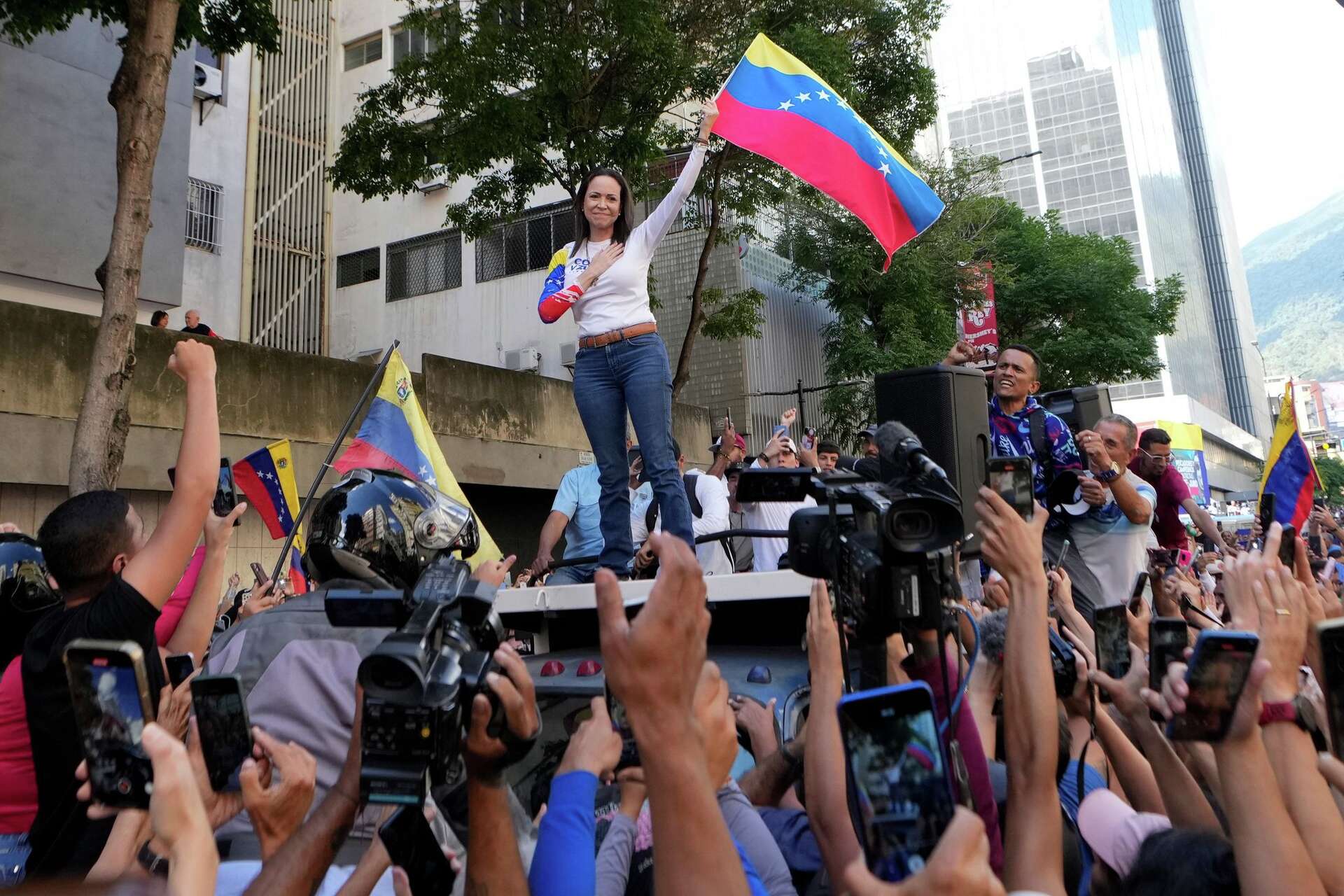
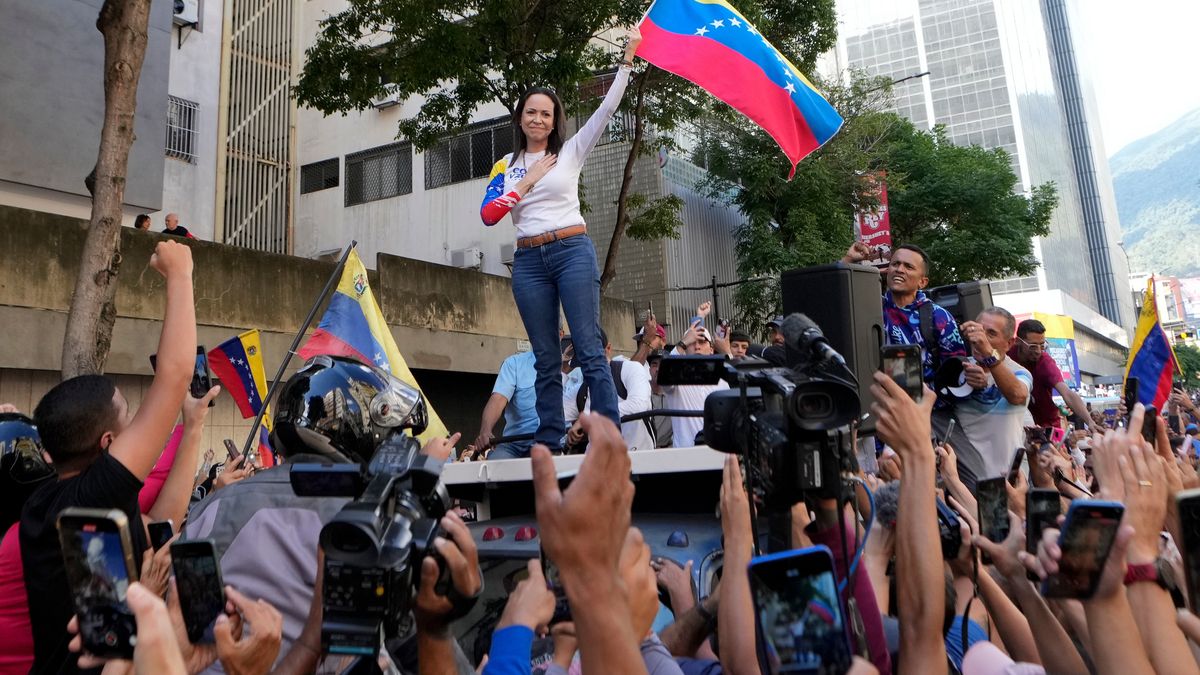
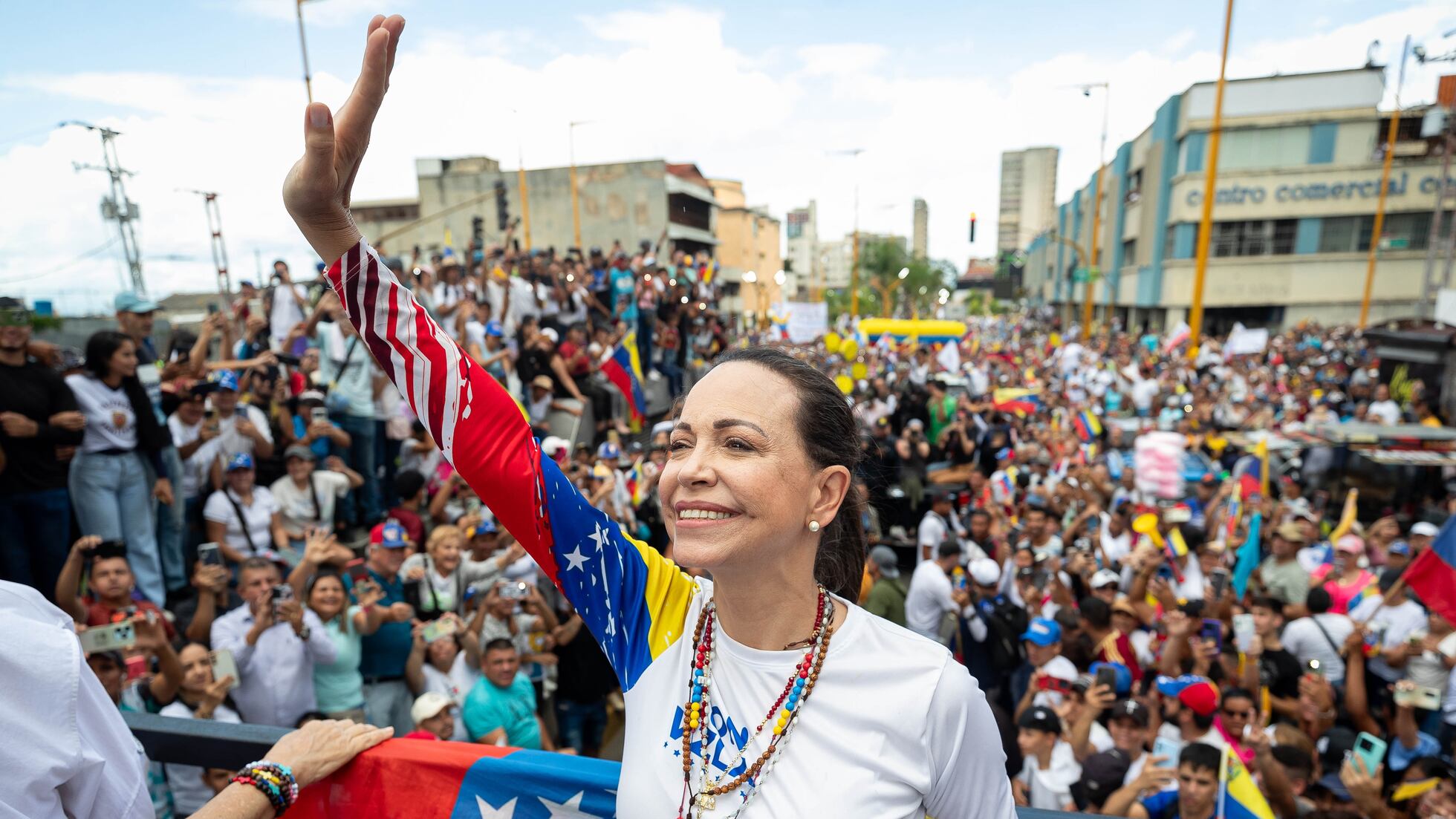
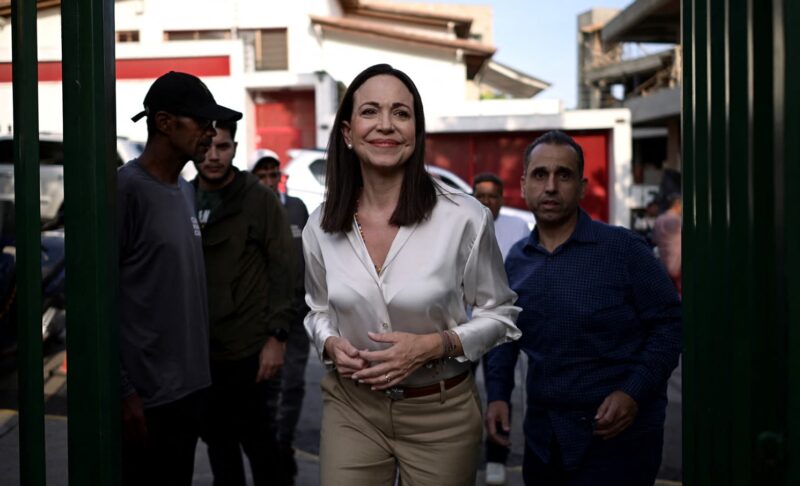
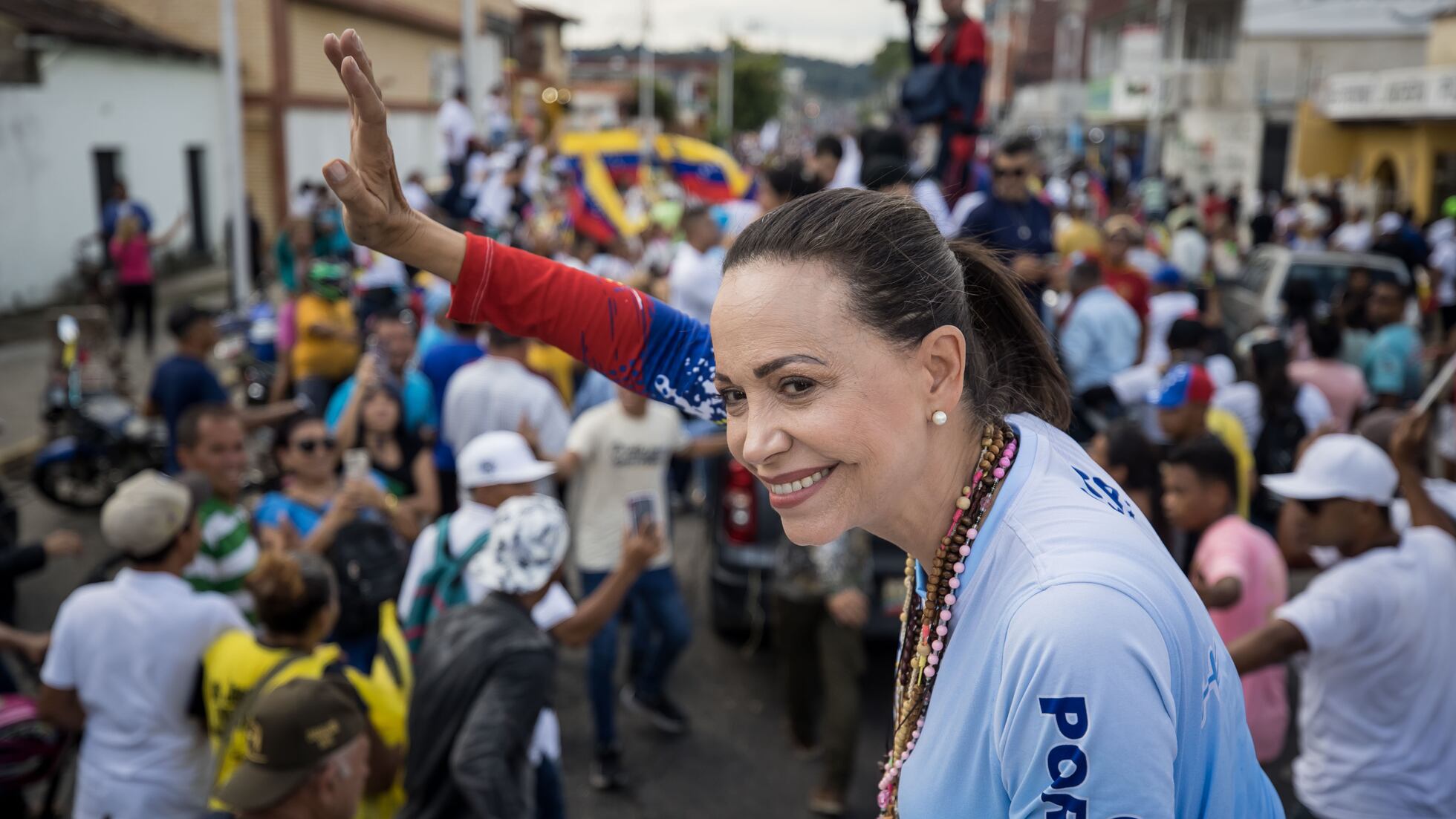
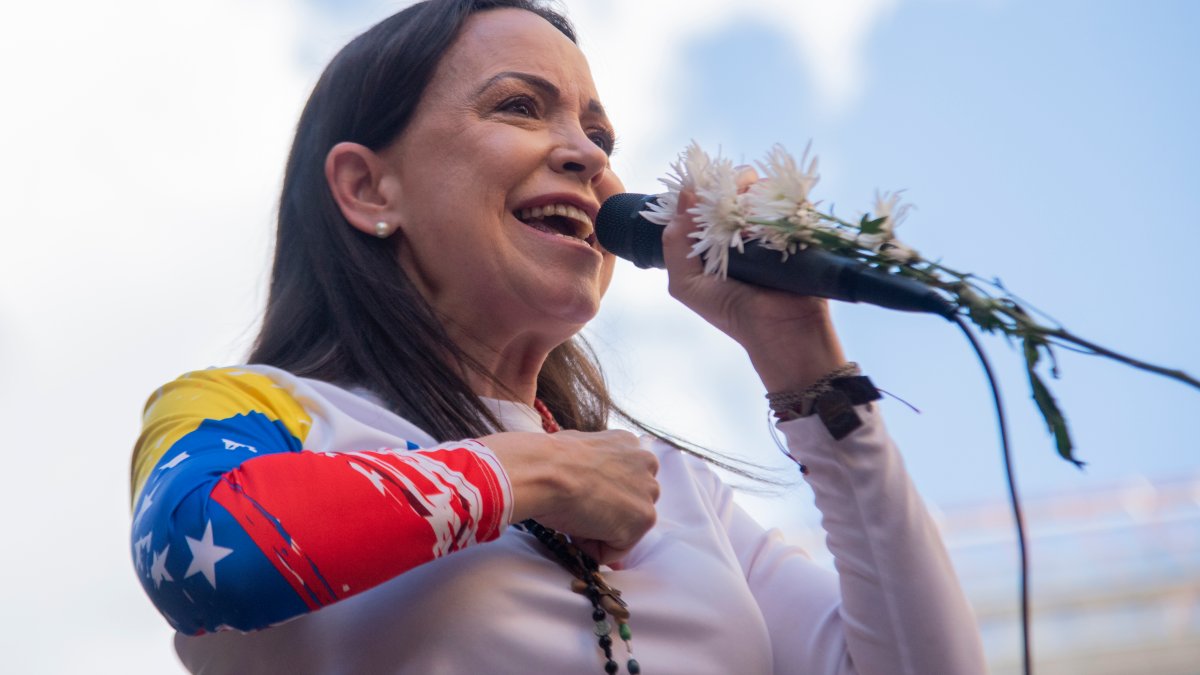
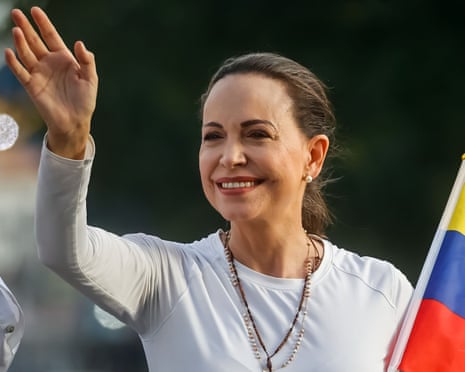
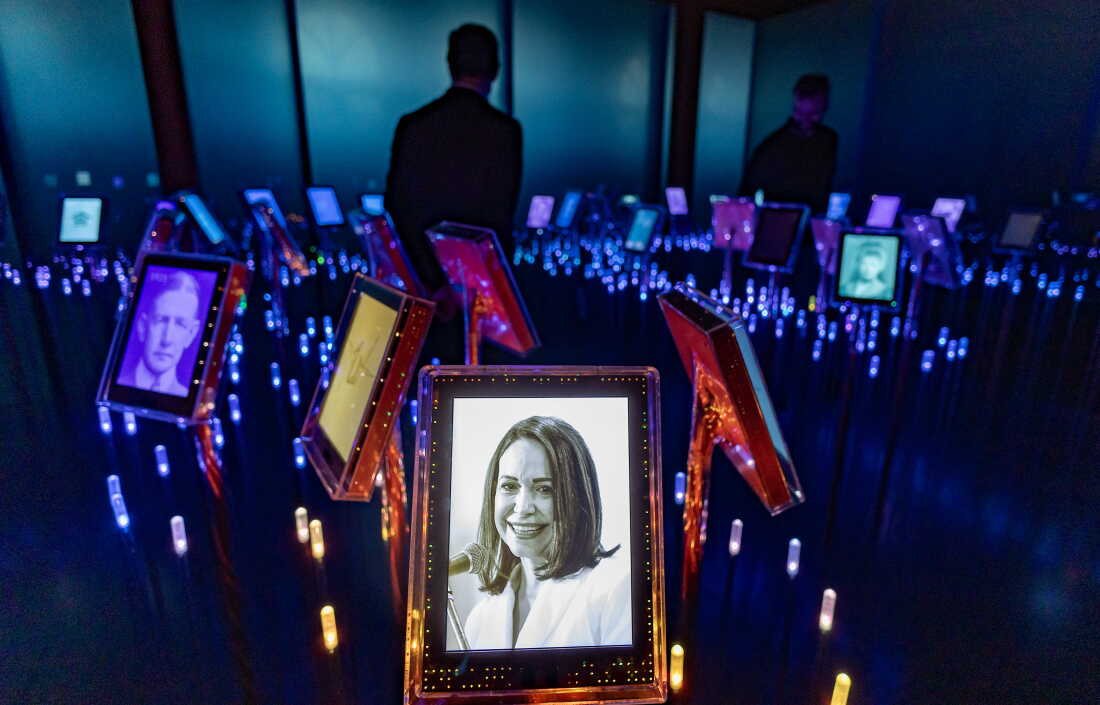
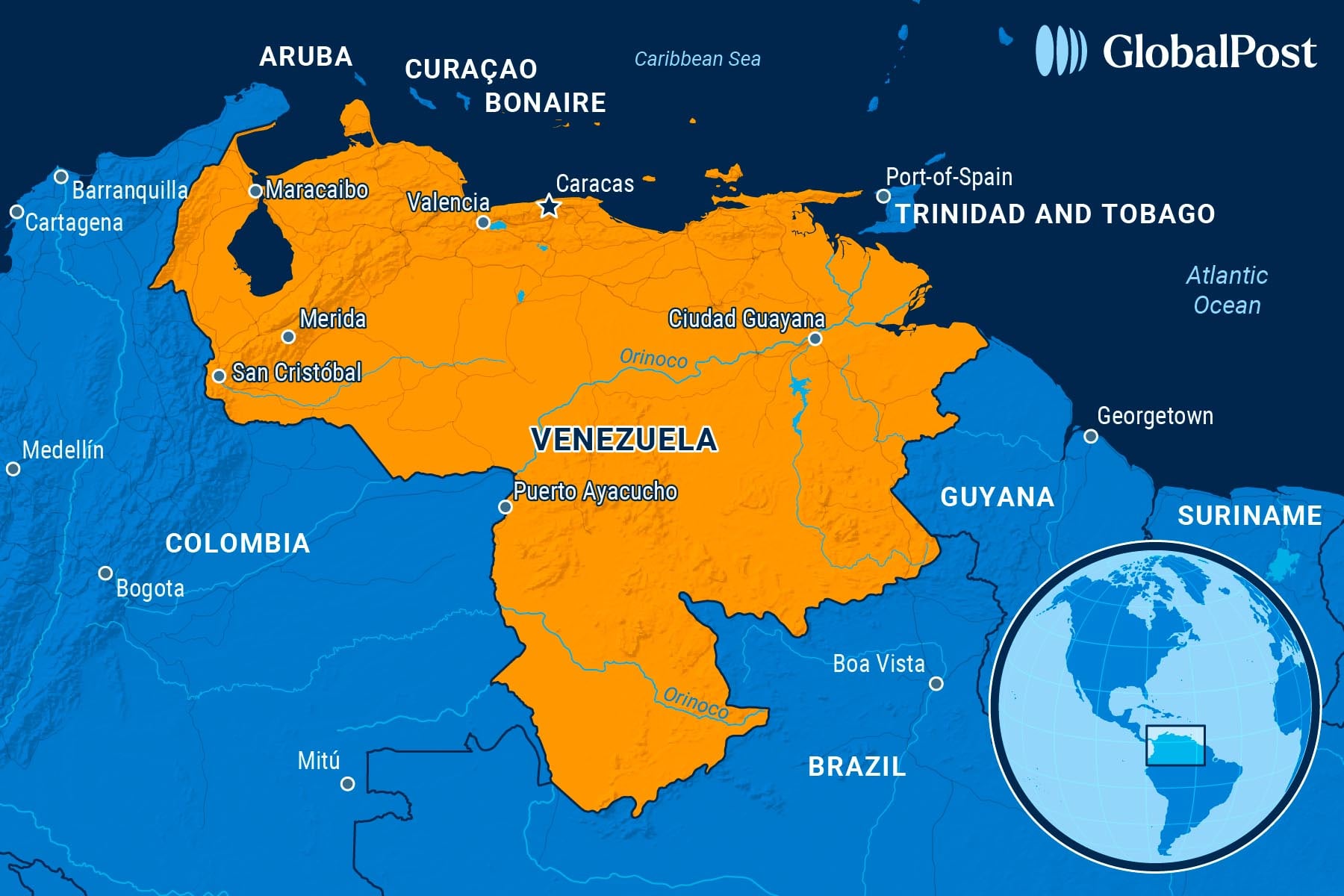
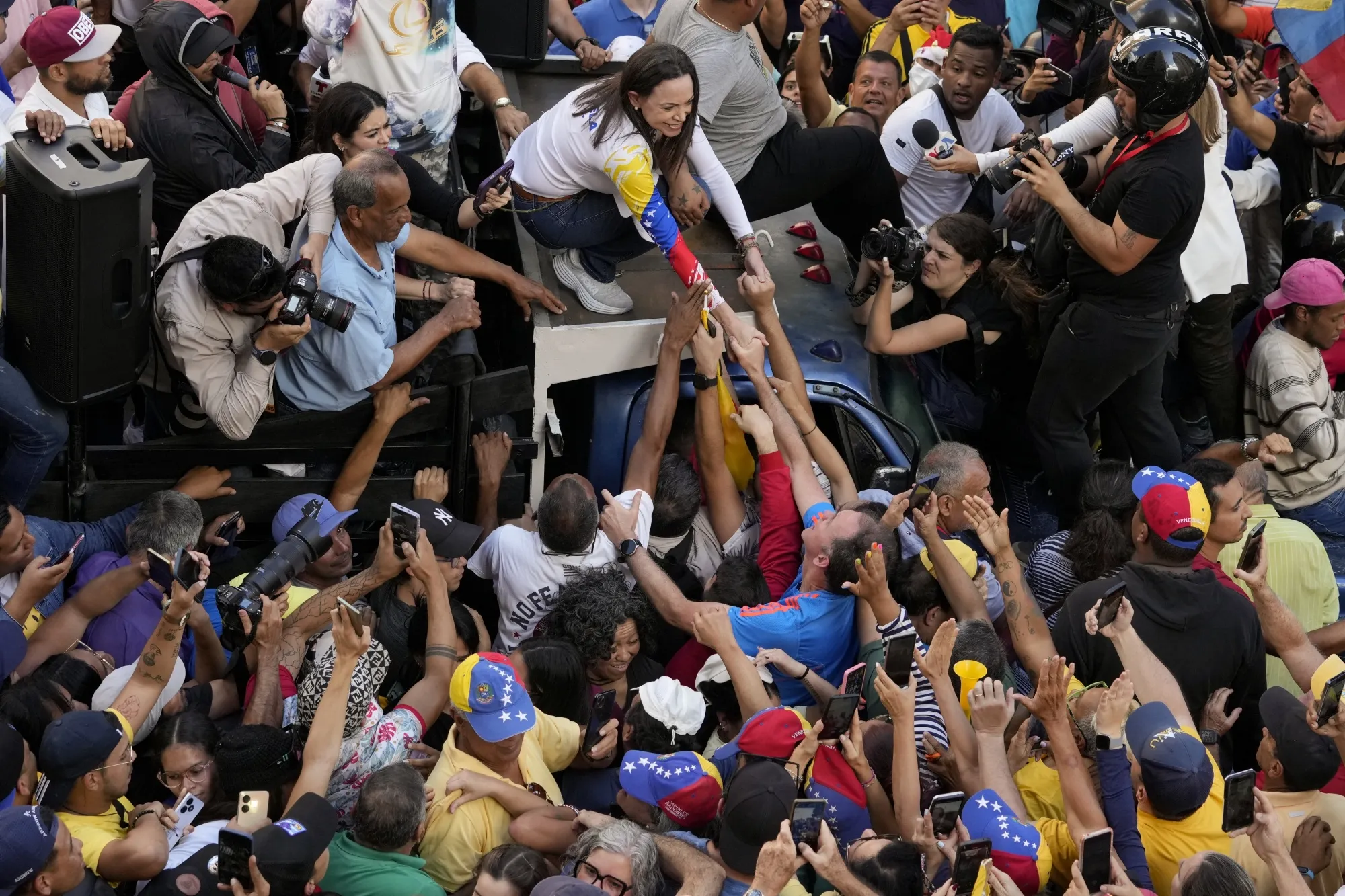
In the complex geopolitical landscape of Venezuela, María Corina Machado's Nobel Peace Prize has transformed from a personal honor into a pivotal moment of national and international significance. The award represents more than individual recognition—it symbolizes a critical inflection point in Venezuela's ongoing struggle for democratic renewal.
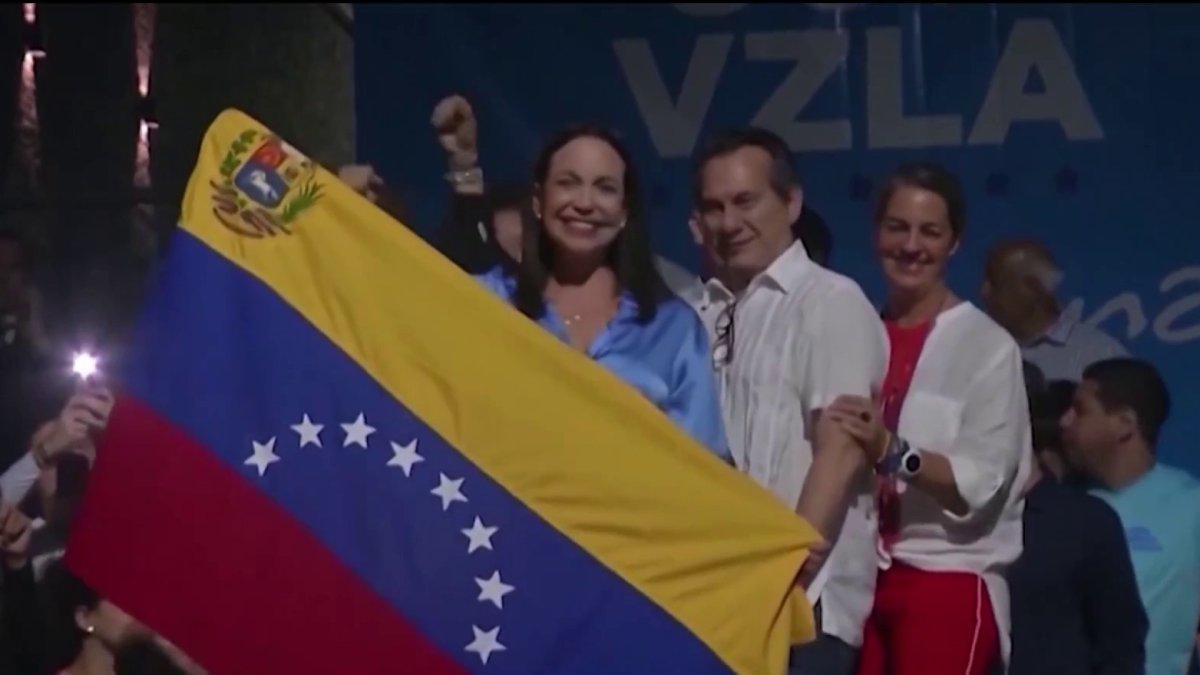
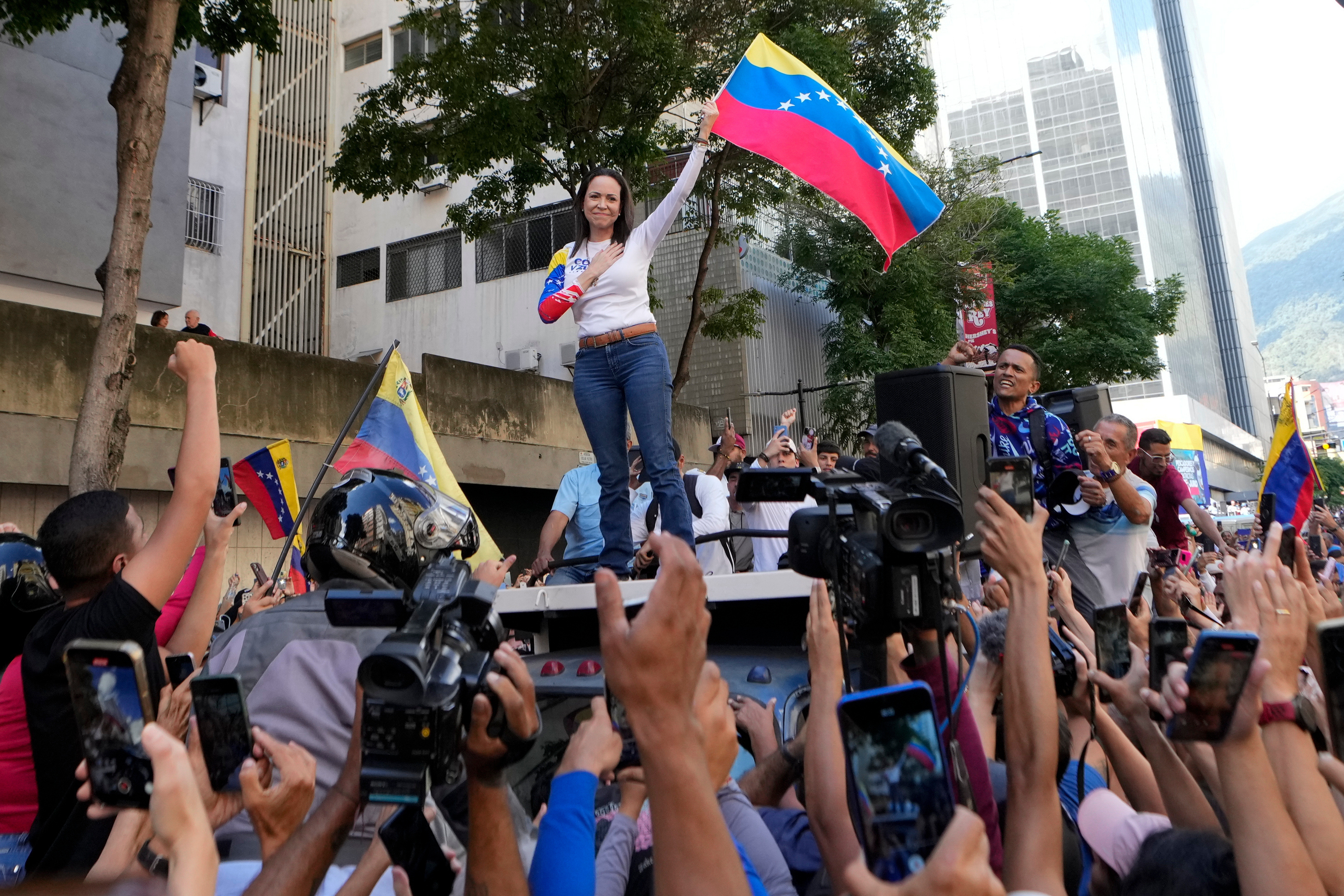
Machado's strategic positioning reveals a nuanced approach to challenging the Nicolás Maduro regime. By supporting a substitute candidate, Edmundo González, after being personally banned from running, she demonstrated sophisticated political maneuvering. The opposition's voter tallies suggesting González defeated Maduro by a more than 2-to-1 margin underscore the deep public desire for political change.
The Nobel Prize ceremony has become a high-stakes diplomatic chess match. Machado's potential exile risk by traveling to Oslo highlights the extreme personal sacrifices required in challenging authoritarian systems. Her whereabouts remain uncertain, with reports suggesting potential US assistance in her movements, which adds an additional layer of geopolitical complexity to her resistance.
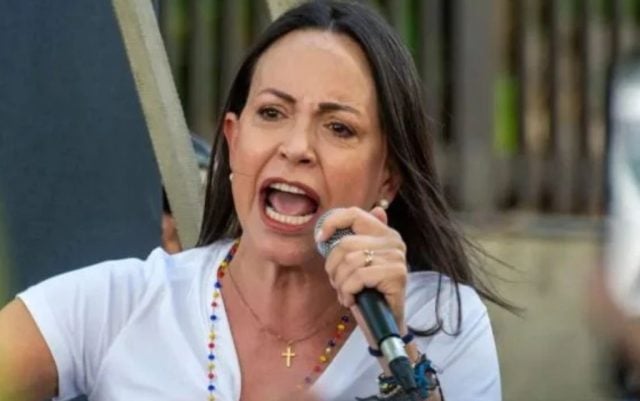
Critically, Machado represents a new generation of opposition leadership that combines international visibility with aggressive political strategy. Her willingness to advocate for potential US military intervention, while controversial, signals a departure from traditional diplomatic approaches. This bold stance reflects the desperation of Venezuelans seeking fundamental political transformation.
The broader context suggests Venezuela might be following a peaceful transition model similar to Eastern European democratic movements of 1989. The potential leadership change could signal reduced geopolitical risk and create more favorable conditions for international engagement. However, the path remains fraught with uncertainty, requiring careful navigation of complex political dynamics.
Questions 3
What makes Machado's Nobel Prize strategically significant beyond personal recognition?
The Nobel Prize serves as an international platform amplifying Venezuela's democratic struggle, providing global legitimacy to the opposition movement and putting unprecedented diplomatic pressure on the Maduro regime. It transforms Machado from a local opposition leader to an internationally recognized symbol of resistance.
How does Machado's approach differ from traditional opposition strategies?
Unlike conventional diplomatic approaches, Machado advocates for potential US military intervention and supports aggressive international pressure. This strategy represents a more confrontational method of challenging the authoritarian regime, breaking from traditional peaceful conflict resolution models.