



Seismic Survival Strategies Emerge as Japan Confronts Catastrophic Tsunami Risk
- Unprecedented Preparedness Signals Systemic Shift in Disaster Management for Coastal Municipalities





Overview
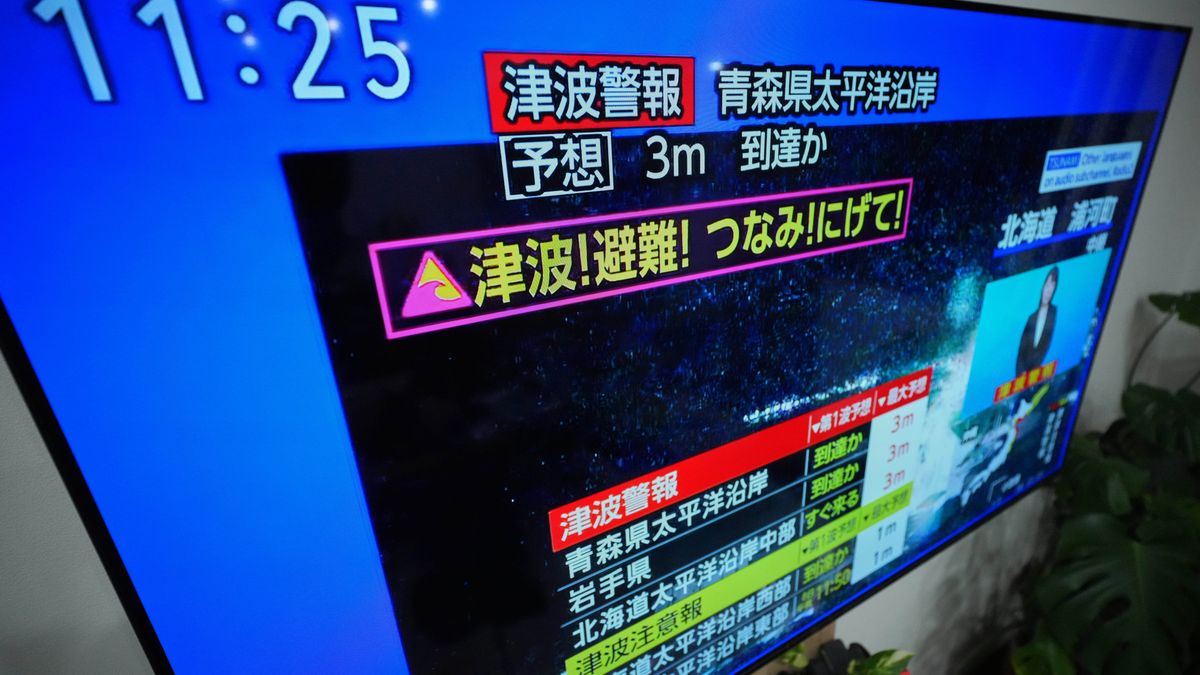
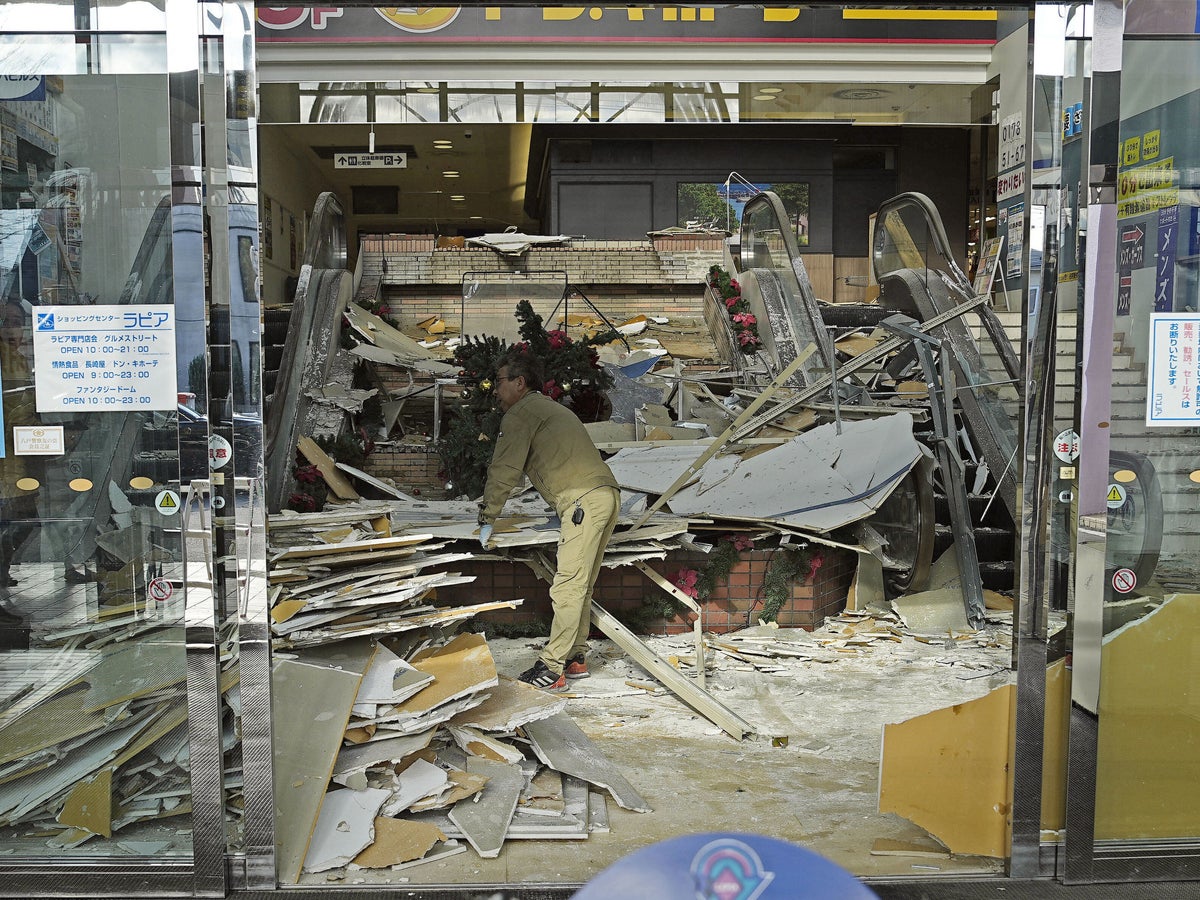
The Japanese seismic landscape is undergoing a critical transformation, revealing a sophisticated approach to managing potentially devastating natural risks. The recent magnitude 7.5 earthquake off Aomori's coast has triggered a rare and targeted megaquake advisory that goes far beyond traditional emergency responses, representing a strategic evolution in national disaster preparedness.
Government risk modeling exposes the terrifying potential of a catastrophic event: a 30-meter tsunami could claim up to 199,000 lives and cause nearly 31 trillion yen in economic destruction. This isn't mere speculation, but a data-driven scenario informed by the traumatic 2011 earthquake that killed 20,000 and triggered the Fukushima nuclear disaster. The current advisory, spanning 182 municipalities, demonstrates a nuanced understanding of seismic probability—acknowledging a low but non-zero chance (approximately 1%) of a magnitude 8+ earthquake.
What distinguishes this advisory is its targeted, proactive approach. Unlike the broader, anxiety-inducing alert issued for the Nankai Trough region in summer 2024, this communication focuses on practical preparedness. The Japan Meteorological Agency (JMA) is essentially conducting a sophisticated risk communication exercise, encouraging residents to prepare emergency kits and remain vigilant without inducing widespread panic. This represents a mature approach to public safety: transparent, specific, and actionable.
The strategic implications are profound. By creating a granular, geographically precise advisory system, Japan is transforming disaster management from a reactive to a predictive discipline. The focus on rapid evacuation protocols and community-level preparedness suggests a systemic understanding that survival depends not just on prediction, but on coordinated, swift human response.
For global observers, this advisory is more than a local emergency measure—it's a blueprint for how technologically advanced societies can develop resilience against existential environmental risks. Japan is essentially creating a living laboratory for managing complex, low-probability but high-impact events.
Questions 3
What are the potential economic impacts of a worst-case tsunami scenario?
Government estimates suggest a potential 30-meter tsunami could cause nearly 31 trillion yen (approximately 198 billion USD) in economic losses, destroy 220,000 structures, and potentially result in up to 199,000 fatalities. This underscores the critical importance of proactive disaster management and infrastructure resilience.
How likely is a major magnitude 8+ earthquake according to current assessments?
The current assessment indicates a low probability of approximately 1% for a magnitude 8 or stronger earthquake. However, the advisory is based on the historical precedent of the 2011 earthquake, where a magnitude 7.3 tremor preceded a massive 9.0 megaquake, justifying a cautious and prepared approach.