





Honda EV Retreat Reshapes Automotive Supply Chain | Seller Opportunities in Hybrid & Aftermarket Parts
- $5.1-7B loss triggers 3-vehicle cancellation, shifts demand to hybrid/traditional vehicles, creates supply chain restructuring opportunities for automotive parts sellers
























Overview
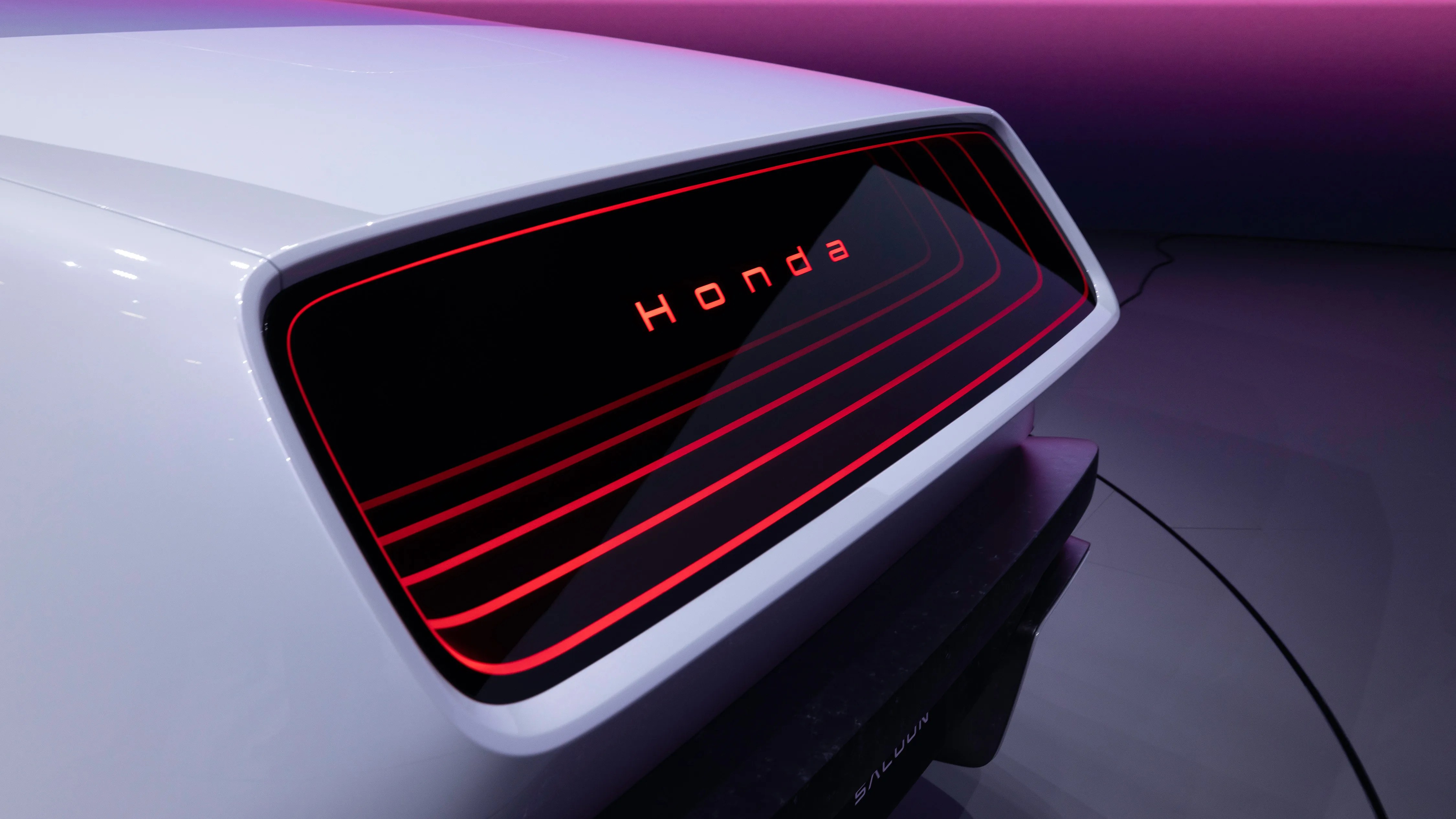
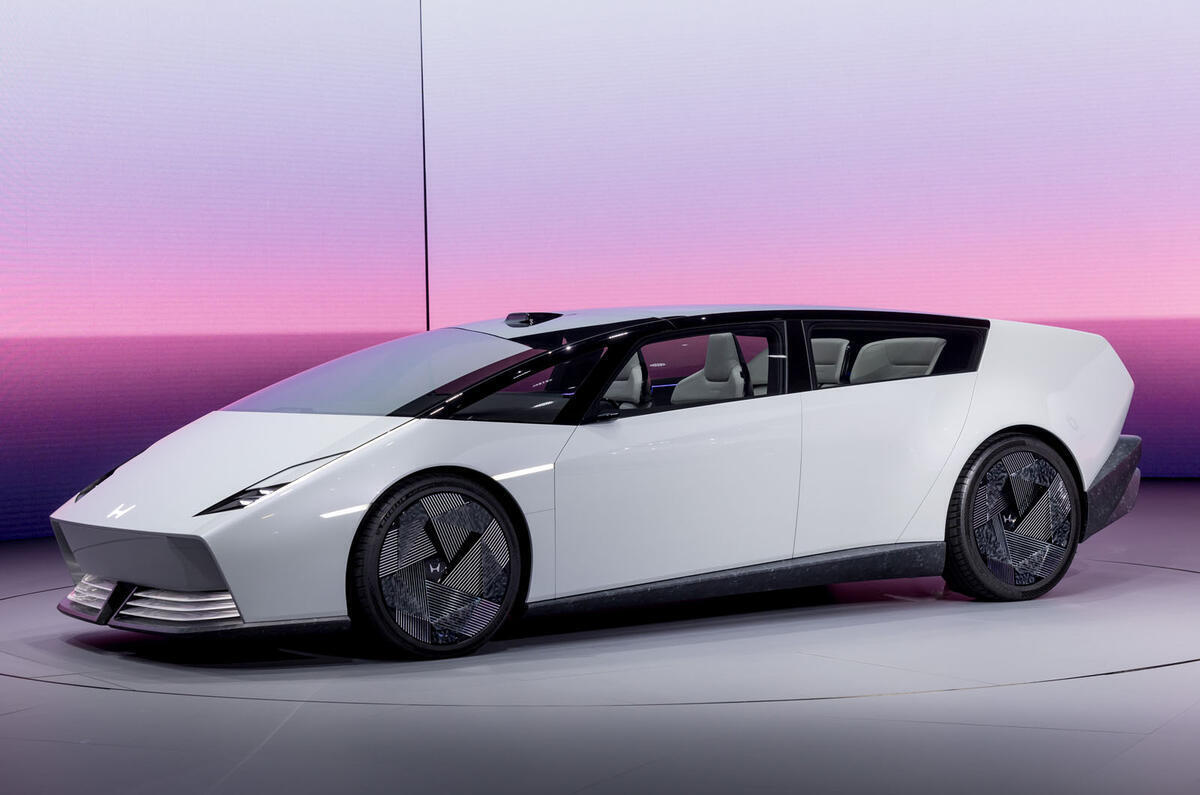
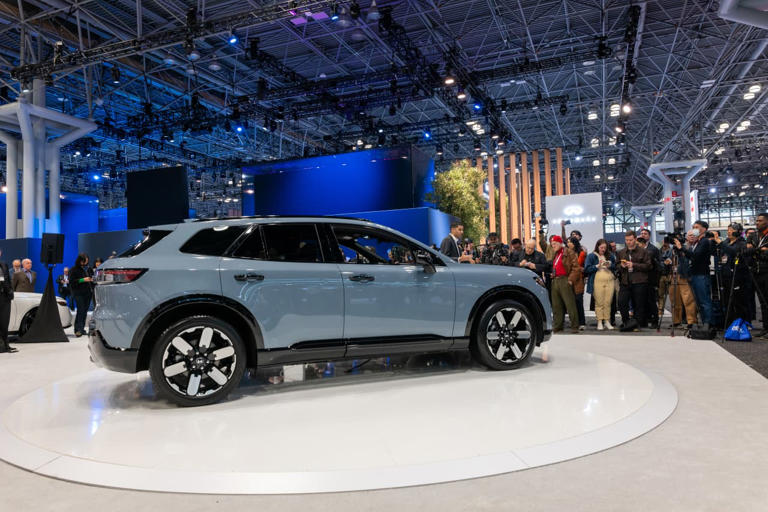
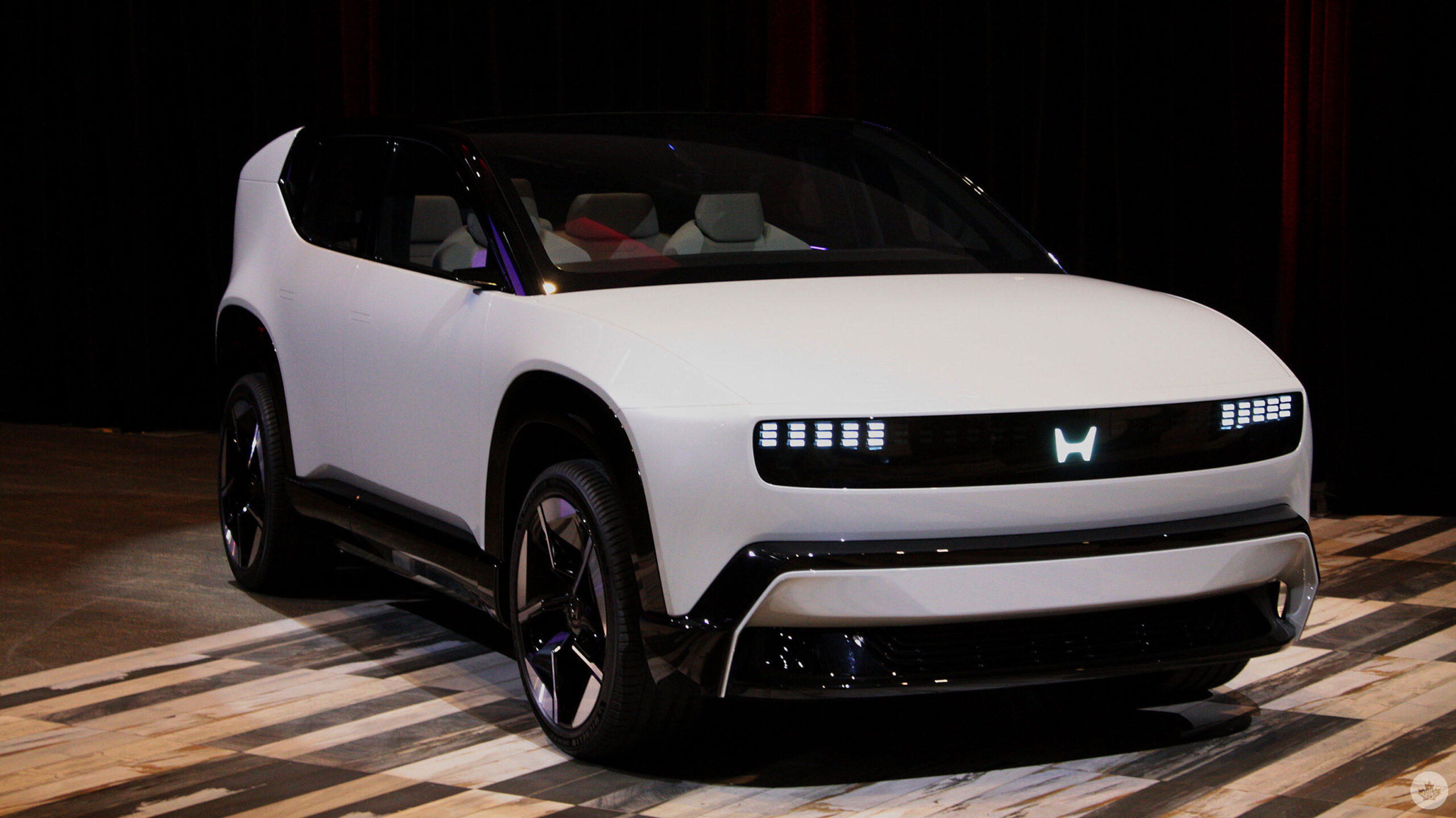
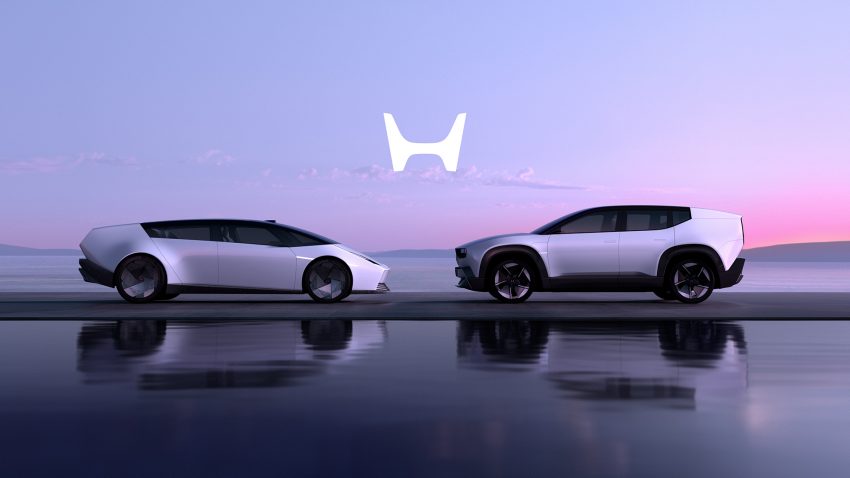
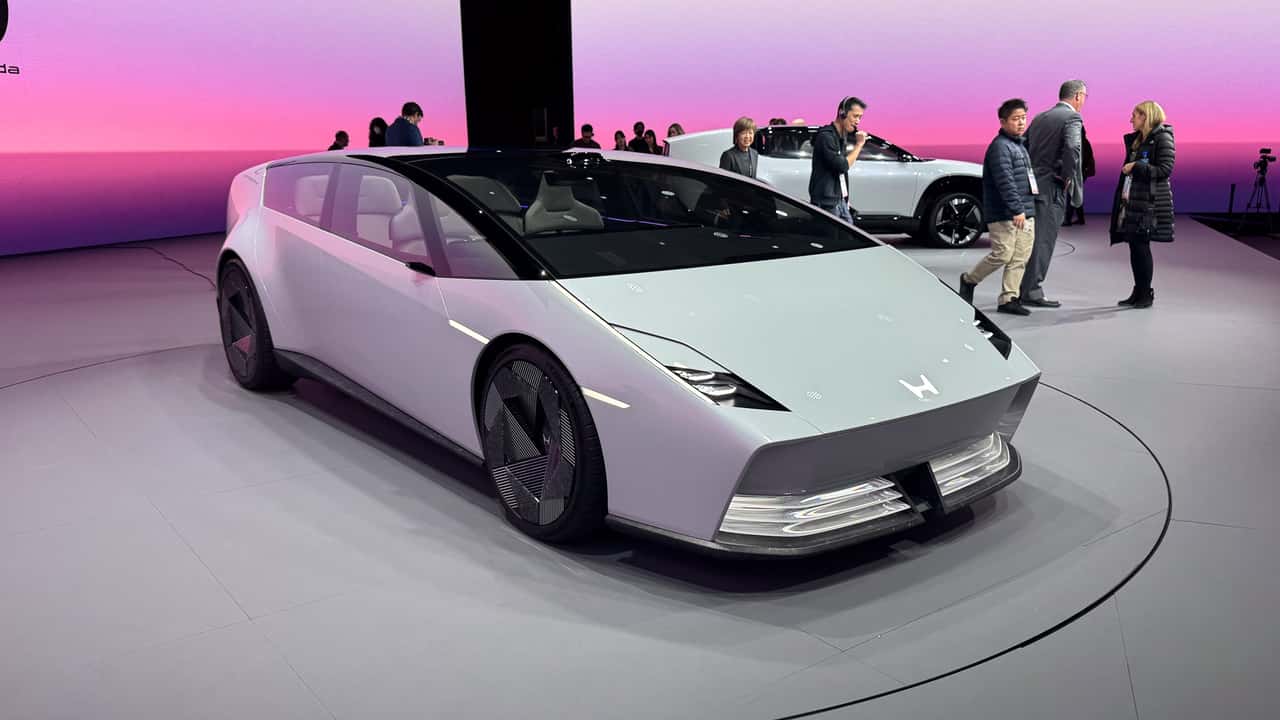
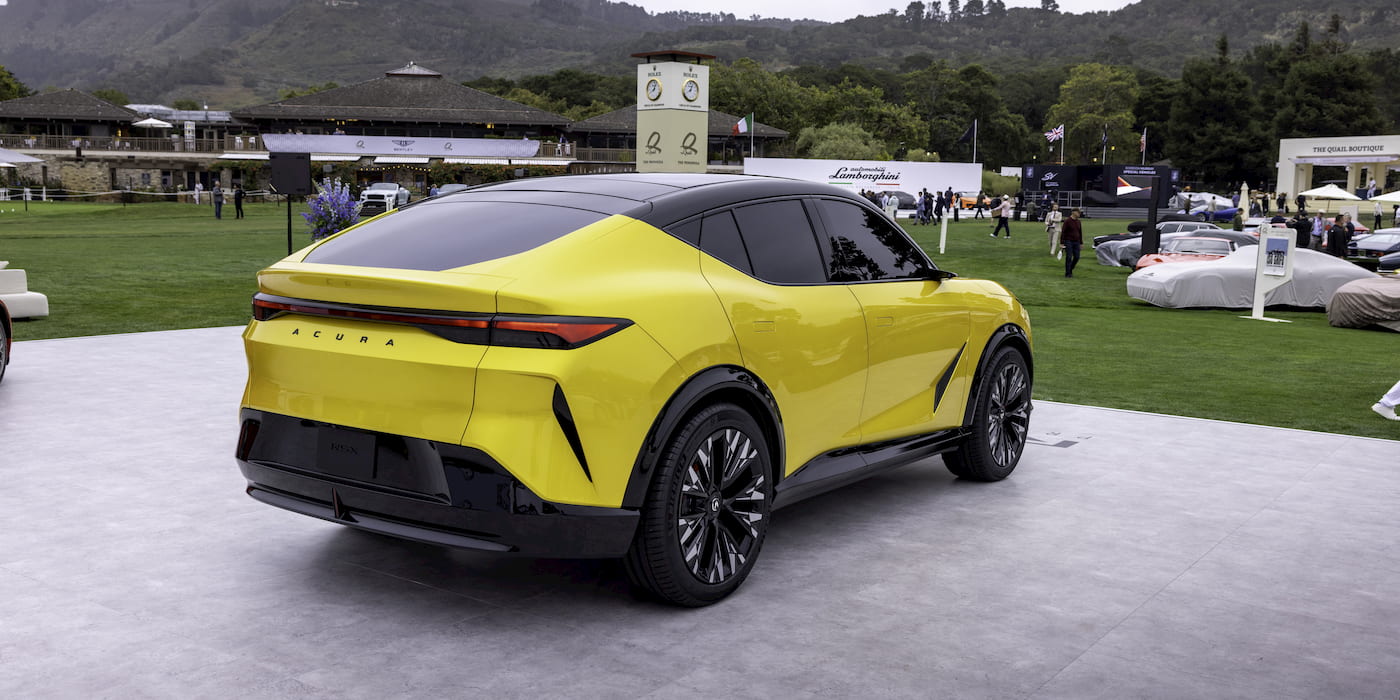
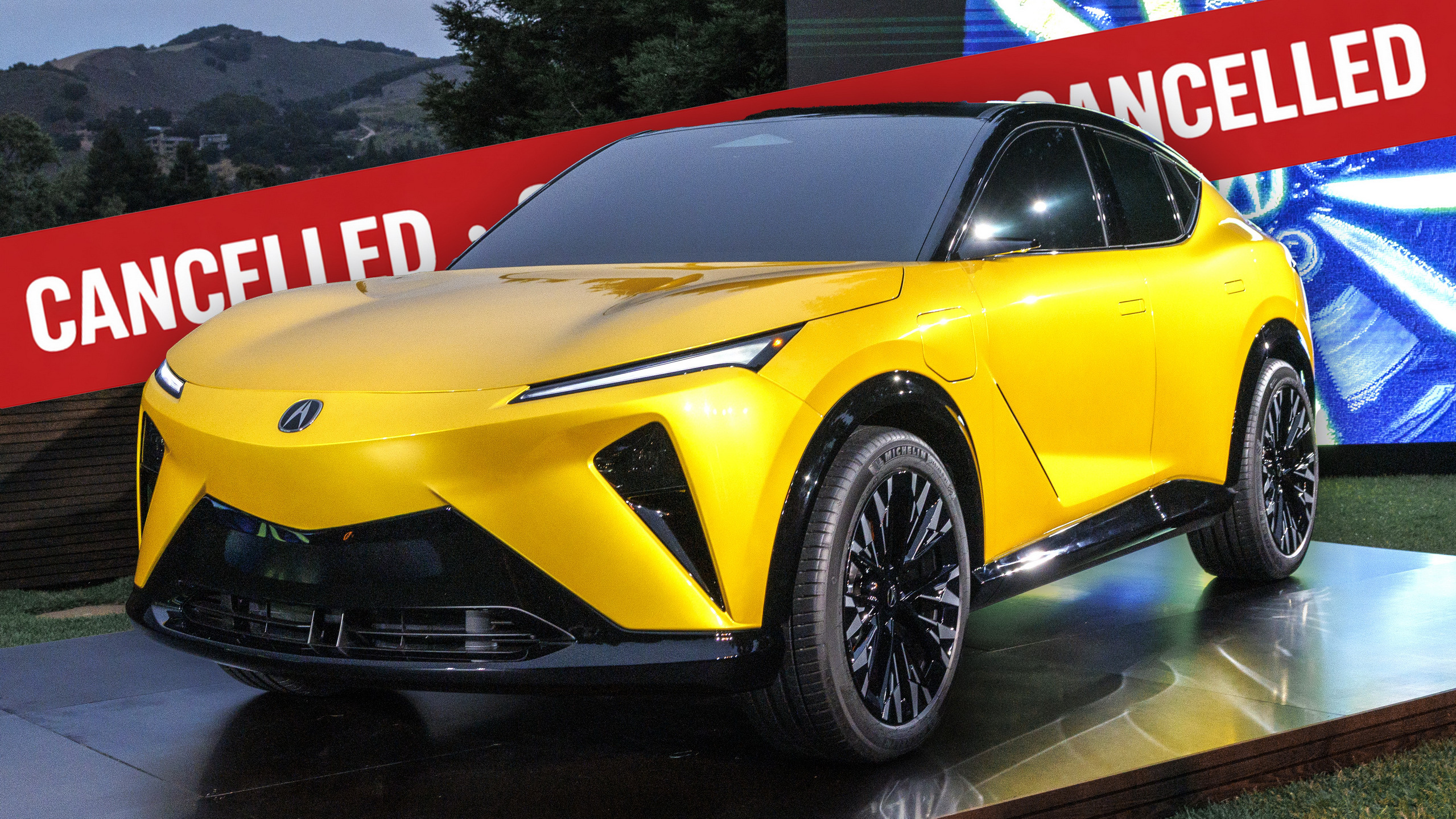
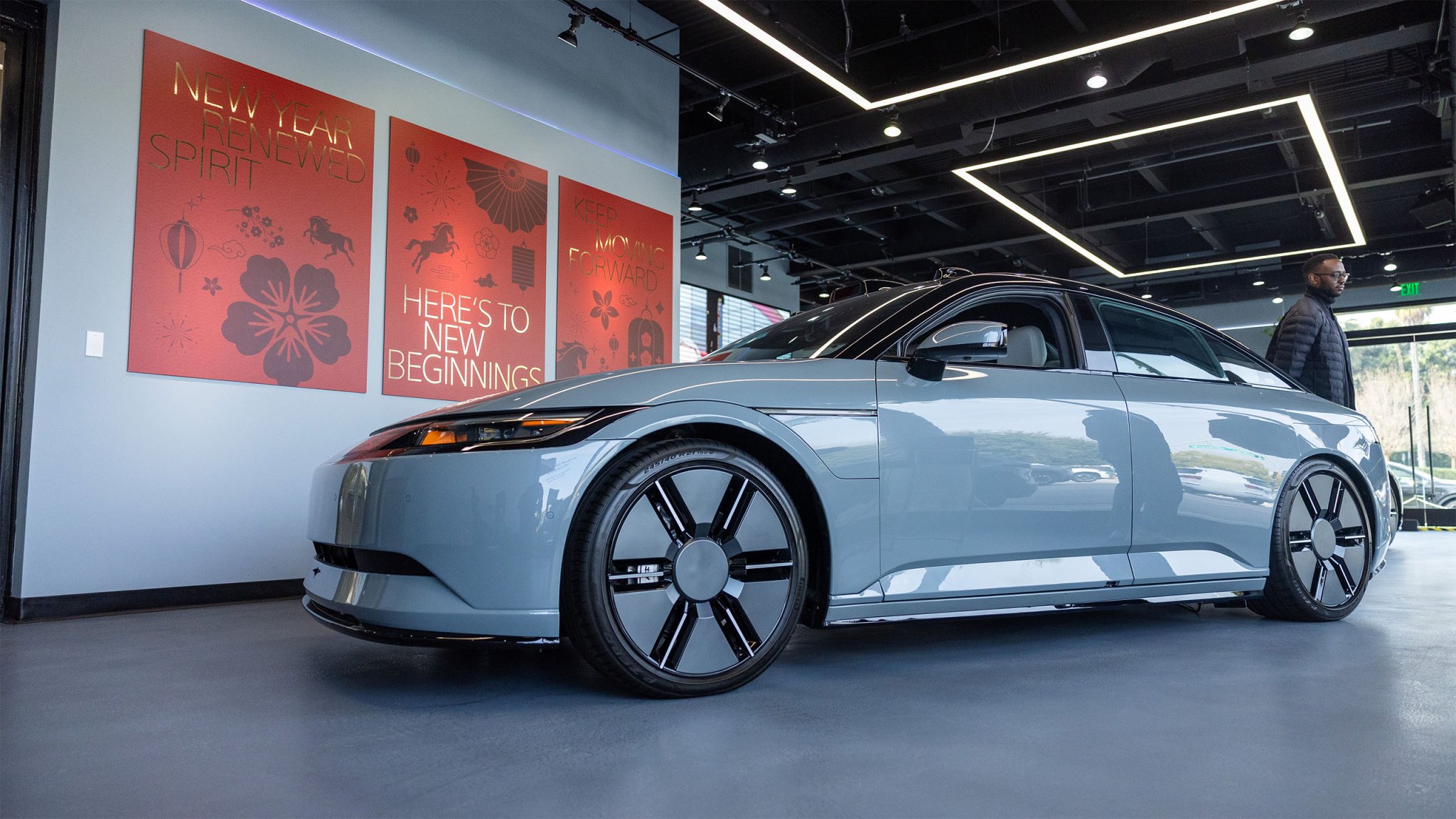
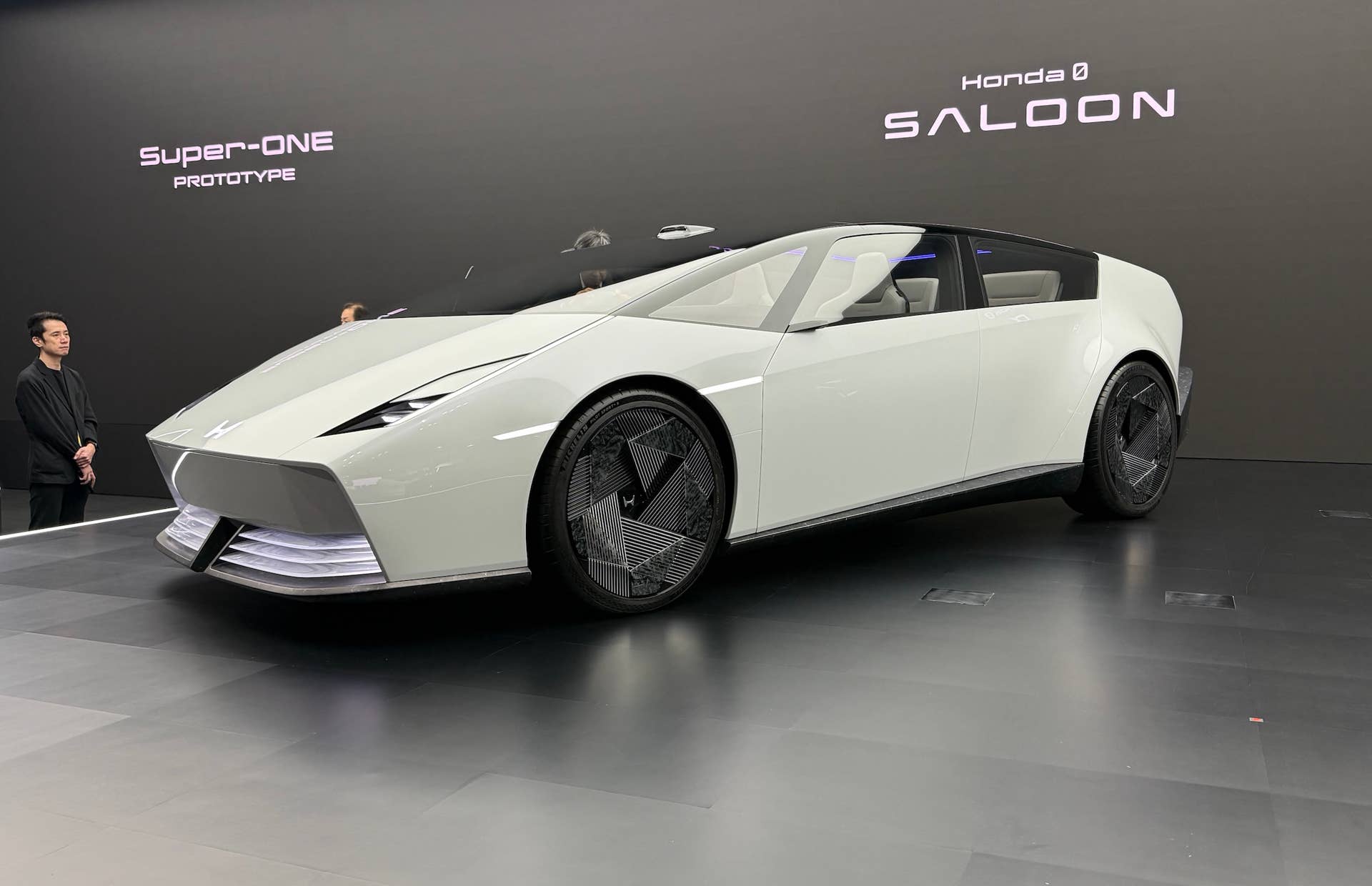
Honda's announcement of its first annual loss since 1957 and cancellation of three planned US-made electric vehicles (Honda 0 SUV, Honda 0 sedan, and electric Acura RSX) signals a fundamental restructuring of the automotive supply chain with direct implications for cross-border e-commerce sellers. The $5.1-7 billion projected loss reflects three converging pressures: US trade war tariffs impacting imported vehicle profitability, elimination of federal EV tax credits and emissions enforcement standards, and Honda's inability to compete in China's software-defined vehicle (SDV) market where competitors prioritize advanced driver-assistance systems (ADAS) and frequent software updates over traditional efficiency metrics. This decision joins Ford, General Motors, and Stellantis in multibillion-dollar EV strategy reversals, indicating industry-wide recognition that premature EV investments are destroying shareholder value.
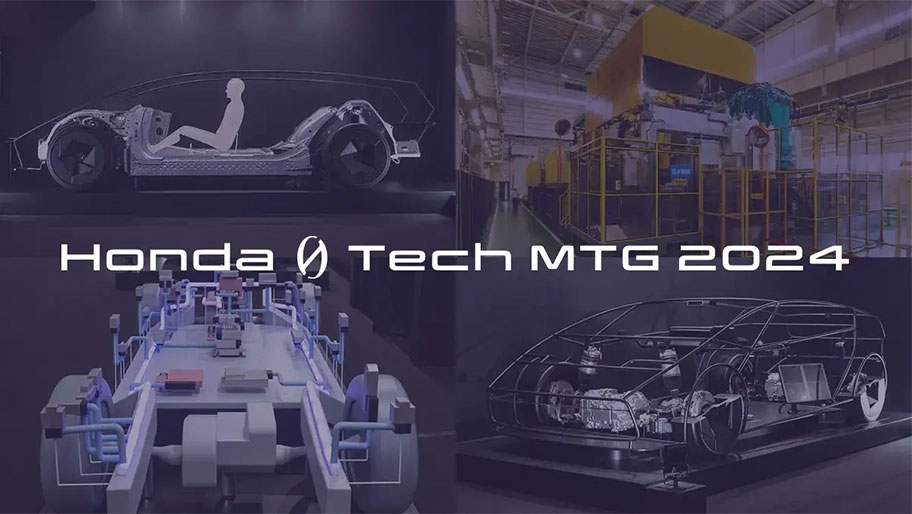
For automotive parts and accessories sellers, this creates a bifurcated opportunity landscape. The delayed EV adoption timeline—now extending 5-10 years beyond original projections—sustains near-term demand for conventional automotive aftermarket products including engine components, transmission parts, fuel system accessories, and traditional vehicle maintenance products. Sellers currently stocking EV-specific components (battery management systems, charging connectors, electric motor parts) face 18-24 month inventory pressure as OEM demand contracts. However, Honda's pivot to hybrid vehicle prioritization creates emerging demand for hybrid-specific components: regenerative braking systems, dual-battery management electronics, and hybrid transmission assemblies. The company's Ohio manufacturing facilities (Anna Engine Plant, Marysville Auto Plant) will reallocate capacity toward hybrid production, signaling supply chain consolidation around these regional hubs.
The regulatory environment shift amplifies traditional vehicle demand. Trump administration elimination of clean air standards and EV incentives, combined with encouragement toward larger vehicles (pickups, SUVs), creates 24-36 month demand surge for conventional powertrain components. Sellers should anticipate increased orders for fuel injection systems, catalytic converters, transmission fluid, and performance upgrade parts as consumers delay EV purchases and extend ownership of traditional vehicles. Conversely, EV startup competitors (Rivian, Lucid) advancing sub-$50,000 models create niche demand for affordable EV components, but this represents only 5-8% of total automotive aftermarket volume through 2026. Supply chain restructuring will concentrate around traditional vehicle production, reducing sourcing complexity for sellers focused on conventional automotive categories while creating obsolescence risk for EV-specialized inventory.
Questions 8
How does Honda's EV cancellation affect demand for automotive aftermarket parts?
Honda's cancellation of three planned EVs and pivot to hybrid vehicles extends demand for conventional automotive components by 5-10 years. The $5.1-7 billion loss signals that traditional vehicle production will remain profitable through 2030-2035, sustaining orders for engine parts, transmission components, fuel systems, and maintenance products. Sellers stocking conventional aftermarket parts should expect 15-25% volume increases as consumers delay EV purchases and extend vehicle ownership cycles. However, EV-specific component sellers (battery management systems, charging connectors) face 18-24 month inventory pressure as OEM demand contracts from projected 40% EV mix to revised 15-20% mix by 2028.
What inventory adjustments should automotive parts sellers make immediately?
Sellers should conduct immediate inventory audits separating conventional components (fuel injectors, catalytic converters, transmission fluid) from EV-specific parts (battery modules, charging connectors, electric motor assemblies). Increase conventional parts inventory by 20-30% for Q2-Q4 2025 to capture demand surge from delayed EV adoption. Simultaneously, reduce EV component orders by 40-50% unless selling to Rivian or Lucid supply chains. Reallocate capital from EV inventory to hybrid-specific components (regenerative braking systems, dual-battery electronics) which will see 8-12% annual growth through 2027. Monitor Honda's Ohio facility announcements (Anna Engine Plant, Marysville Auto Plant) for hybrid production ramp signals, typically announced 6-9 months before production starts.